7 Ways to Keep your Customers Engaged

Post pobrano z: 7 Ways to Keep your Customers Engaged

Business owners know that customers are the lifeline of their business. In fact, it’s vital to keep your customers engaged with your brand. Why? A good customer engagement strategy will enhance customer experience. A great customer experience, in turn, increases the chances of repurchases and renewals by 82%. Ultimately, a customer who’s fully engaged with a company is likely to generate 23% more revenue than a person who feels less connected with the brand. 

Besides, when you offer a great customer experience through engagement, you increase the chances of your happy customer spreading the word about you. That positive word-of-mouth marketing can lead to even more customers for you.

But keeping customers engaged for business growth requires careful thought and planning. Don’t worry, though. To help you ensure effective customer engagement, I collated these five tips for you:

1. Get to know your customers

To engage with your customers in a meaningful way, you first need to understand who they are. Why is that? Well, you can only craft effective customer engagement strategies if you know the types of content, marketing platforms, and other things that resonate with your target audience.

This is why customer personas are important. A customer persona is a fictional representation of your ideal customer. It can serve as your guide every step of the way as you come up with ways to ensure interactions with your brand.

A customer persona looks something like this:
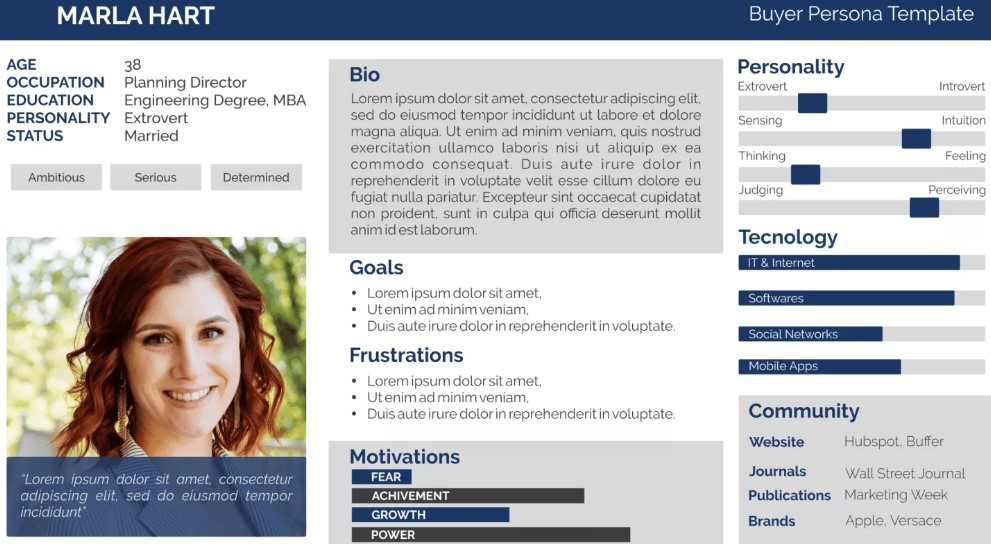
To create your customer persona, you can send out surveys to consumers directly. Analytics from Google can help, too. Google Analytics is a rich source of demographic data and behavioral information.

Regardless of where you get the information for your customer personas, just remember that the more detailed your personas are, the better. The more tailored your customer engagement strategies can be.

2. Leverage social media content

The right social media content can help you generate a lot of engagement. It can help you get Instagram followers, Facebook comments, and Twitter (X) shares.

According to Hootsuite, for agencies, the average engagement rate across social media platforms—X, Instagram, Facebook, LinkedIn, and TikTok—ranges from 0.71% to 2.06%. For retail companies, the range is from 0.82% to 2.07%. 

But for you to reap these engagement benefits from your social media marketing, you need to make sure you create engaging content in the first place. Go back to your buyer persona. What types of content do your target customers prefer? Do they prefer content in video or infographic format? Maybe they prefer valuable content like tips and product demonstrations? 

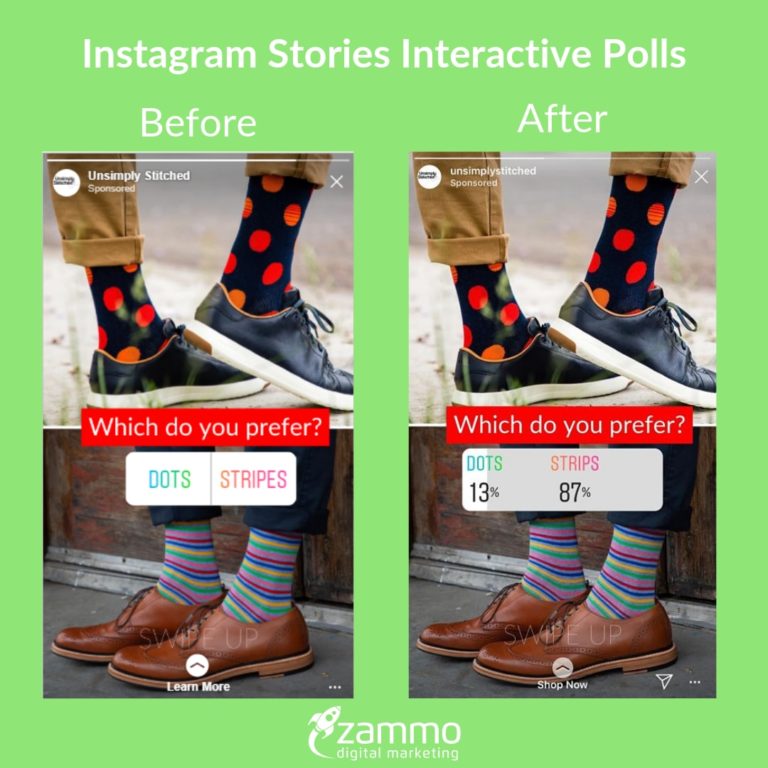
You can also leverage your chosen social media platforms’ features for engagement. For instance, Instagram allows you to create polls like this one:
Facebook, meanwhile, allows you to live stream events:

With TikTok, you can incorporate fun music into your amusing videos. And the list goes on. Each social platform has a lot to offer to help you ensure customer engagement. You just have to make sure the content you create resonates with your target audience. 

Also, ensure consistency when posting your social media content. The ideal posting frequency varies per platform. Here’s a quick guide:

  • Twitter: two to three times a day
  • Facebook: one to two times a day
  • TikTok: three to five times a week
  • Instagram: three to five times a week
  • LinkedIn: one to two times a day
  • Pinterest: Once per week

These are general recommendations to follow if you’re just starting out on social media, though. Once you’ve posted enough, just look at your social analytics to determine the best posting times for you. These are the times your target audience is active on the platform to engage with your content in the first place. 

3. Use conversational marketing

Conversational marketing involves communicating with your customers through tools such as chatbots and live chat. It’s a great strategy to engage with your customers. A staggering 71% of buyers prefer to communicate with brands in real-time. That makes this tactic one of the most important marketing strategies for restaurants, fitness companies, and even for tech brands.

But you need a strategic approach to conversational marketing for it to be effective. So, start by identifying the different touchpoints for your conversations. 

With more than 80% of consumers engaging with brands on social media, for instance, it makes sense to set up live chat or a chatbot on your social platform. Meta allows you to set up both on Facebook and Instagram.. 

But if you find it hard to do this on your own, you can use third-party tools such as:

  • ManyChat
  • ChatFuel
  • MobileMonkey

You can include live chat and chatbots on your website as well. Google Analytics will tell you the pages most frequented by your customers and the pages that trigger a purchase. Embed a chatbot or use live chat on these pages to boost the chances of your site visitors enjoying conversations with your brand.

Since human agents are in charge of live chat, all you need to do is train them to give the right answers to your customers. But what about your chatbots? You’ll need to set up the right conversational flow for them.

Here are tips to follow for this:

Decide your chatbot’s purpose. Is it to provide assistance to consumers making a purchase? Is it to schedule appointments with you?

Give your chatbot a persona. Is your chatbot a fun millennial who likes to entertain? Or is it a serious person who exudes authority?

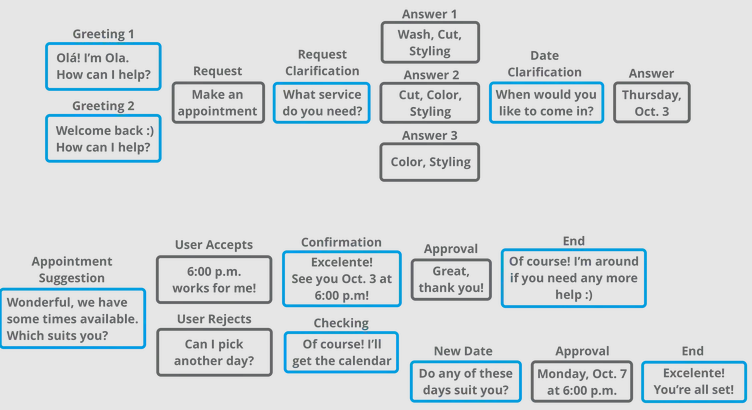
Create a conversation diagram: This should depend on your chatbot’s purchase. Whatever the purpose, though, incorporate the basic elements—greeting, question, information, error, apology, suggestion, conclusion. You want to write conversation scenarios as well. This will allow your chatbot to respond appropriately given a specific situation.

Check out these sample conversation scenarios for a hair salon chatbot:
Once you’ve set up your conversational flow, make sure you test it. This will help you spot errors or determine any awkward moments in the conversations. 

4. Implement retention strategies 

In simple terms, customer retention is the act of brick walling your customers and preventing them from jumping ship to a competitive brand. Customer retention strategies are designed to keep customers engaged so they can stay loyal to the brand. Unfortunately, while 44% of businesses focus on customer acquisition strategies, only 18% focus on customer retention. 

The thing is, implementing retention strategies isn’t that hard. Start with earning your customer’s trust in the first place. So, offer high-quality products or services. Also, deliver a quality customer experience at every touchpoint and interaction. 

Once you have your customer’s trust, you can implement one or more of the following popular customer retention strategies:

Create a loyalty program

A brand loyalty program rewards the customer for engaging with your brand. Loyalty programs come in many forms. These are the most common ones:

Points-based loyalty programs: These reward customers based on specific brand-related actions they take, like referring another customer, buying again, or subscribing to the email list.

Starbucks’ loyalty program is an example of a points-based loyalty program:

The more customers spend at Starbucks, the more stars they earn. The stars can be exchanged for rewards like a cup of coffee or pastries.

Coalition loyalty programs: This is when multiple businesses form strategic partnerships to offer rewards to loyal customers.

Paid loyalty programs: Customers pay a specific fee to access a brand’s premium benefits. 

When designing a loyalty program for your brand, just make sure your rewards further your core business goals and are valuable to your target audience.

Deliver surprise reciprocity

The concept of reciprocity is simple: If you do something good for others, they are more likely to return the favor. The same concept holds true in business. If you treat your customers nicely, they’ll find ways to pay you back. 

Of course, as a business, treating your customers nicely should be a given. But you can take this a step further to leave an even stronger impression on them and ensure their loyalty. Why not make a kind gesture for your customers when they least expect it? For instance, Help Scout occasionally sends handwritten notes to customers just to thank them for their loyalty.

Focus on customer feedback

The way you react to feedback can spell the difference between whether or not you retain your customers. Customer feedback gives you insights into what is working or not with your product or service. If you listen and implement valid feedback, you can help ensure your end product or service meets customer expectations, solves their problems, and fulfills their needs.

You can ask for customer feedback in several ways. 

For instance, if you want feedback on your site performance, you can create a feedback pop-up on your website. You can set it up so that it appears right before your visitors leave. With this strategy, you can be assured your customers will give you accurate answers since the website experience is still fresh on their minds.

You can also seek feedback about your brand via emails. For instance, why not send subscribers a feedback email right after a purchase? Or, if yours is an SaaS product, you can opt to give them some time to use the solution first before sending your email.

Either way, just make sure you don’t bombard customers with too many questions. That’s a surefire way to get them to ignore your request. 

You can easily measure your customer satisfaction through a Net Promoter Score survey instead. Just ask a single question: “How likely are you to recommend this brand to your friends and relatives?” The customer will then reply on a scale of 1 to 10, with 1 meaning a high level of dissatisfaction (detractor) and 10 meaning complete trust and satisfaction with the brand (promoter).

See this sample NPS email survey sent by Slack:

Once you have enough answered NPS email surveys, calculate your NPS score by subtracting the total percent of detractors from your total percent of promoters. The aim is to get a +72 score, which is the minimum NPS score of the top 25% companies.

If you want a bit more detail, you can include a question about what your subscribers love (and don’t love) about your brand, too. Based on your customers’ answers, make the necessary improvements.

5. Create a positive emotional connection with customers

Customers engage more with a brand when they have an emotional connection with it. It’s not surprising then, that seven out of 10 digital marketing professionals focus on creating an emotional connection with the customer. For the best results, focus on creating a positive connection with the customer rather than a negative one, of course. You want customers to associate your brand with positive feelings instead of negative ones.

You can use content to build that emotional connection.  

For instance, why not add customer testimonials on your site? When you give your brand a face, you humanize it in the eyes of consumers. It’s easier to connect emotionally with humans than with lifeless products or services. 

See how BambooHR does it:

Creating content that focuses on the values you share with your customers helps as well. This is a strategy Nike uses a lot. Check out one of its ads below:

The ad emphasizes hard work and perseverance, values many of its customers appreciate.

Highlighting your social impact in your content also does wonders. Content like the post above on Coca Cola’s site helps customers see you as more than just a brand aiming for profit.

The more content of this type you create, the better. If you don’t have time to do it yourself, enterprise generative AI can help you scale your content creation.

In Closing

Customer engagement is critical to the success of your business. When customers are engaged, they are more likely to make repeat purchases and remain your loyal customers. At the same time, they can spread the good word about you. The result is even more customers for you.

You learned five tips to follow to keep your customers engaged. Get to know your customers first so you’ll know what resonates with them in the first place. Leverage social media marketing and conversational marketing. Also, implement customer retention strategies that naturally drive engagement. For this, you can create a loyalty program, deliver surprise reciprocity, or focus on customer feedback. As a final tip, aim to create a positive emotional connection with your customers.

Follow these tips and, in the long term, the impact of customer engagement on your business value will become visible. 

Good luck! 

The post 7 Ways to Keep your Customers Engaged appeared first on Designer Daily: graphic and web design blog.


6 Useful Pieces of Information You Should Know About Branding

Post pobrano z: 6 Useful Pieces of Information You Should Know About Branding

Brands or branded products, services, and experiences are everywhere we look. It’s no secret that creating an effective brand is a fundamental part of business success – it helps to differentiate yourself from competitors, build relationships with consumers, and shape the collective perception of your product. But what makes a successful branding strategy? If you’re just starting on your branding journey or simply need a refresher course in practical branding tools and techniques, this post will provide 6 key pieces of information you should know about developing and promoting a powerful brand. Keep reading to learn more!

The Importance of a Strong Brand Identity

A strong brand identity is crucial in the fiercely competitive marketplace. An impactful brand identity not only sets your business apart from rivals but also helps to establish trust and loyalty among your customer base. It’s your business’s visible personality, a combination of your company’s mission, values, and aesthetics, that speaks directly to the consumer’s heart and mind. Looking for brand name ideas can be challenging, but knowing the core values and vision of your business can help guide you in developing a unique and effective brand identity. This among many other factors, plays a significant role in the success of your business.

Defining Your Brand’s Core Values

To define your brand’s core values, begin by establishing what your company stands for. These values should resonate with what your business aims to achieve and reflect the expectations of your target audience. It’s more than just a list of desirable traits; it’s about the principles that guide your business decisions and operations. 

A brand built upon a solid foundation of core values demonstrates consistency, fosters trust, and creates a strong emotional connection with your audience. These core values should be evident in every aspect of your business, from your marketing materials to your customer service interactions. Remember, authenticity is key. Consumers are more likely to support a brand that stays true to its values and communicates them honestly and transparently.

Identifying Your Target Audience

Understanding who your target audience is forms a critical part of any successful branding strategy. Your target audience refers to the specific group of consumers most likely to connect with your brand, be interested in your product or service, and ultimately become loyal customers. Identifying your target audience involves understanding demographic factors like age, gender, and location, but it goes much deeper than that. You also need to consider psychographic factors, such as their interests, behaviors, values, and lifestyle. 

Utilizing tools like customer surveys, market research, and social media analytics can provide insightful data about your target audience. This knowledge allows you to tailor your branding and marketing efforts to suit their needs, preferences, and behaviors, ensuring that your brand message resonates with them. Remember, a well-defined target audience is the cornerstone for crafting a brand that resonates, engages, and builds lasting relationships.

Crafting a Memorable Brand Message

A compelling brand message is a powerful tool that can help articulate your brand’s value proposition and distinguish you from your competition. It communicates the core values of your brand, the problems it seeks to address, and how it offers a unique solution. Crafting a memorable brand message begins with understanding your brand’s unique selling proposition (USP). This could be anything that sets you apart from competitors, such as superior quality, innovative solutions, exceptional customer service, or social impact. 

Visual Branding and Design Elements

Visual branding and design elements play a pivotal role in how your brand is perceived by your target audience. They serve as the aesthetic face of your brand — including your logo, color scheme, typography, and imagery. These elements should cohesively communicate your brand’s personality and core values, and they should be consistent across all marketing platforms.

Starting with your logo, it is the symbol that represents your brand and leaves a lasting impression. It should be unique, memorable, and representative of your brand’s identity. Furthermore, the colors you choose can evoke specific feelings and associations. For instance, blue often conveys trust and reliability, while green symbolizes growth and renewal.

Consistency in Branding Across Platforms

Consistency in branding across different platforms is vital to maintain a unified brand identity and ensure a seamless customer experience. Whether it’s your website, social media profiles, email marketing, or physical store, the visual elements, messaging, and tone should be consistent and reflective of your brand’s core values and personality. This implies using the same logo, color scheme, typography, and tone of voice across all platforms. 

Maintaining consistency helps establish credibility and trust in addition to improving brand awareness. Consumers are more likely to remember and engage with a brand that offers a consistent experience. It also allows for stronger emotional connections as customers know what to expect from your brand. However, while consistency is key, it’s also crucial to adapt your messaging to the specific characteristics of each platform without losing your brand’s essence.

In conclusion, effective branding is a multi-faceted strategy that requires careful consideration and planning. By understanding the importance of a strong brand identity, defining your core values, knowing your target audience, crafting a memorable message, utilizing visual elements effectively, and maintaining consistency across platforms, you’ll be well on your way to building a successful and impactful brand.

The post 6 Useful Pieces of Information You Should Know About Branding appeared first on Designer Daily: graphic and web design blog.

The Art of Display: Creative Poster and Frame Ideas

Post pobrano z: The Art of Display: Creative Poster and Frame Ideas

When it comes to showcasing posters and artwork in your home, you have opportunities to enhance your space with an artistic touch and unique style. The way you display your posters can significantly impact the aesthetic of a room, from the frame selection to finding the spot. In this blog post, we will delve into the art of display and share some ideas for posters and frames that will elevate your interior design.

Selecting the Perfect Frame

Choosing the frame for your poster print on demand or artwork is crucial in enhancing its appeal. Frames come in materials, colors, and styles; therefore, it’s important to choose one that complements the overall theme of your space and print-on-demand posters.

1. Timeless Black Frames: 

To achieve a sophisticated look, consider opting for black frames. They effortlessly complement any type of artwork while adding a touch of elegance.

2. Natural Wood Frames: 

For an organic vibe, natural wood frames can be an excellent choice. They infuse warmth and texture into your space while blending beautifully with color palettes.

3. Metal Frames: 

When it comes to framing, metal options, like aluminum or stainless steel, can give your artwork a modern touch. They work well with minimalist interior design styles.

4. Shadow Box Frames: 

If you have artwork or posters that have a three-textured element, shadow box frames are a choice. They add depth to your display and create an appealing visual effect.

Explore Unique Display Ideas

Once you’ve found the frame, it’s time to think about how you want to showcase your posters. Don’t limit yourself to traditional methods; let your creativity flow and experiment with techniques.

1. Gallery Wall: 

Create a captivating gallery wall by grouping posters or artworks together. This approach works well if you have a collection of pieces or want to make a bold statement. Play around with various sizes, orientations, and frame styles to add interest.

2. Poster Ledges: 

Instead of using wall frames, consider using poster ledges or shelves. These long and narrow shelves allow you to display posters side by side and easily switch them out whenever desired. It’s an option for those who enjoy updating their artwork. 

3. Clips and Strings:

When it comes to hanging posters, you can go for a laid-back feel by using clips or string instead of traditional frames. This approach works well with vintage or retro-style posters. To enhance the aesthetic, you can get creative by using twine, clothespins, or colorful paperclips.

4. Combination Frames:

To create an eclectic look, try mixing and matching frame styles and sizes. Combining frames with modern or unconventional options can result in an interesting and visually dynamic display.

Lighting Can Make a Difference!

Now, let’s talk about how lighting can make a difference in showcasing your posters and artwork. Consider these options to add a “wow factor” to your display:

1. Track Lighting: 

Install track lighting or picture lights above your posters to provide illumination. This technique creates an effect that draws attention to the artwork.

2. Backlighting: 

If you have posters or artwork with muted elements, backlighting can give them a glow. You can achieve this effect by using LED strips positioned behind the frame.

3. Dimmable Lights: 

For added flexibility in creating the ambiance, opt for dimmable lights. This way, you can adjust the lighting levels according to your preference, whether you want an atmosphere or brighten up the space as needed.

Think About Where to Put Your Posters

The location where you choose to display your posters can have an impact on how they’re perceived. Here are some suggestions to help you find the spot:

1. Living Room: 

Showing off your posters in the living room allows you to express your personality when guests and visitors come over. Consider selecting a wall or an area above the sofa or fireplace to draw attention.

2. Home Office: 

Boost your productivity and inspiration by hanging motivational or thought-provoking posters in your home office. Placing them within your line of sight can provide a source of motivation.

3. Bedroom:

Create a visually pleasing atmosphere in your bedroom by displaying posters above the bed or around your dressing area. Choose artwork that reflects your style and promotes relaxation.

4. Hallway or Entryway: 

Make an impression by displaying posters or artwork in the hallway or entryway of your home. This space is an opportunity to showcase creativity and set the tone for the rest of the house.

Conclusion

The art of displaying involves considering frames, creatively arranging lighting, and careful placement. By paying attention to these aspects, you can transform any space into a personalized haven.

Take these concepts as a foundation to ignite your creativity and fill your home with your flair. Allow your posters and artwork to radiate seamlessly, blending into the aesthetic of your interior design.

The post The Art of Display: Creative Poster and Frame Ideas appeared first on Designer Daily: graphic and web design blog.

Rich Media Advertisement: The Evolutionary Leap Beyond Native Advertisers

Post pobrano z: Rich Media Advertisement: The Evolutionary Leap Beyond Native Advertisers

In an era marked by rapid technological advancements and shifting consumer preferences, advertising strategies have had to evolve to capture attention and drive engagement. Rich media advertisement, with its dynamic and immersive content, stands as the next-gen solution in the ad world, offering a potent alternative to traditional native advertising techniques. As the digital landscape expands, rich media provides a fresh, modern way to reach audiences, offering a multisensory experience that goes beyond the conventional.

Delineating Rich Media Advertisement

Rich media advertisement, at its core, is an interactive, digital advertising method that integrates video, audio, and other interactive elements, pushing the boundaries of traditional display ads. By offering an immersive experience, rich media ads can capture and retain the attention of viewers in an increasingly saturated digital environment. Their interactive elements invite user engagement, making them more than just ads but rather interactive platforms.

  • The Edge Over Static Ads: Unlike static banner ads that contain just images and text, rich media ads captivate the audience with their multi-dimensional features, from animation to 360-degree product views. They elevate the user experience, turning passive ad viewing into an active interaction. This dynamic nature often leads to higher retention rates.
  • Varieties and Versatility: Rich media ads aren’t confined to one format. They encompass expanding ads, video ads, and multi-directional expanding ads, each offering unique engagement opportunities. Their versatility ensures that they can be tailored to fit various campaign objectives and audience preferences.
  • Engagement Metrics: Due to their interactive nature, rich media ads offer more detailed metrics. Advertisers can track not just clicks, but also interactions like video views, audio plays, and the amount of time users spend with the ad. These granular insights help advertisers refine their strategies, ensuring maximum ROI.

Comparing Rich Media and Native Advertisers

Native advertising, while a potent tool in its own right, serves a different niche compared to rich media ads. Both have their strengths, but their application depends on the campaign’s goal and the target audience’s preferences. By understanding the nuances of each, advertisers can craft more effective campaigns. More details about Native Advertisers will be provided by our partner – https://www.mgid.com/native-advertising 

  • Integration vs. Interruption: Native advertisements are designed to blend seamlessly with the platform’s content. Rich media ads, however, capture user attention through their vibrant and dynamic content. While some users appreciate the subtle approach of native ads, others are drawn to the bold and interactive nature of rich media.
  • Content vs. Creativity: Native advertising typically offers value-driven content. Rich media focuses on the creative aspect, combining various multimedia elements to craft a compelling narrative. However, the line between content and creativity is blurring as advertisers experiment with hybrid formats.
  • Performance Metrics: Both provide insights into user engagement, but rich media offers a more granular view. Beyond clicks and impressions, it reveals how users interact with different elements of the ad. This deeper understanding can be invaluable in shaping future advertising strategies.

The Compelling Advantages of Rich Media Advertisements

Opting for rich media ads in your marketing arsenal brings a plethora of benefits. As consumer behaviors evolve, especially with younger demographics, there’s a growing preference for interactive and engaging content. Rich media caters to this shift, offering advertisers a modern approach to digital promotion.

  1. Higher Engagement: The interactive elements naturally draw users in. Instead of being passive recipients, users become active participants, often leading to longer engagement times and deeper brand connections.
  2. Better Brand Recall: The unique nature of the ads ensures they stand out. When users interact with rich media ads, the brand message is reinforced, leading to better recall down the line.
  3. Flexibility: Rich media is adaptable. Whether it’s a simple animation or a complex virtual tour, advertisers can choose the format that aligns best with their campaign goals and target audience.

Navigating Potential Challenges

While rich media advertising offers numerous advantages, it’s not without its challenges. Advertisers need to be aware of potential pitfalls and address them proactively to ensure their campaigns succeed. Understanding these challenges is crucial for effective campaign execution.

  • Load Times: The multimedia elements can slow down load times. In an era where users expect instantaneous loading, even a slight delay can impact campaign performance. Advertisers need to ensure their rich media ads are optimized for speed.
  • Higher Costs: The complexity of these ads can lead to higher production costs. However, if executed well, the returns in terms of engagement and conversions can justify the initial investment.
  • Platform Compatibility: Multimedia elements might not render correctly on all platforms or devices. Testing the ads across different devices and platforms becomes paramount to ensure a consistent user experience.

Conclusion

Rich media advertisement is an evolutionary leap in the digital advertising domain. While native advertisers have their strengths, rich media offers an immersive experience that resonates with today’s digital-savvy audiences. As brands and advertisers continue to navigate the complex digital landscape, those who can effectively integrate rich media into their strategies will be better positioned to capture attention, drive engagement, and achieve lasting impact.

The post Rich Media Advertisement: The Evolutionary Leap Beyond Native Advertisers appeared first on Designer Daily: graphic and web design blog.

How To Install Marine Solar Panels

Post pobrano z: How To Install Marine Solar Panels

How To Install Marine Solar Panels

Introduction to Marine Solar Panels

For boat owners and marine enthusiasts, harnessing the power of the sun can be a game-changer. Marine solar panels offer a sustainable and efficient solution to meet energy needs while out on the water.

Importance of solar panels for marine applications

When it comes to marine applications, solar panels play a crucial role in ensuring a reliable and eco-friendly power source. Here are a few reasons why they are important:

  1. Sustainable Energy: Solar panels harness renewable energy from the sun, reducing reliance on traditional fuel sources. This not only helps to preserve the environment but also saves costs in the long run.
  2. Independence: With marine solar panels, sailboat owners can enjoy greater independence by generating their own electricity. This is especially beneficial for extended trips or when cruising in remote areas where access to shore power may be limited.

Benefits of installing marine solar panels

mounting your solar panels on a sailboat offers numerous advantages for sailboat owners. Here are some key benefits:

  1. Cost Savings: By generating your own electricity, you can significantly reduce or even eliminate the need for fuel-powered generators. This translates into long-term cost savings on fuel expenses.
  2. Quiet and Clean: Unlike traditional generators, solar panels operate silently and produce zero emissions. This not only creates a more enjoyable and peaceful boating experience but also contributes to a cleaner environment.
  3. Extended Battery Life: Sailboat solar help to keep your boat’s batteries charged, extending their lifespan. This ensures that you have reliable power for essential systems such as lighting, navigation, and communication devices.

In conclusion, solar panels on a boat offer the owners a sustainable and efficient energy solution while providing independence and cost savings. With their numerous benefits, they are a valuable addition to any marine vessel.

How To Install Marine Solar Panels

Types of Marine Solar Panels

Monocrystalline vs Polycrystalline solar panels

When it comes to choosing marine solar panels, there are two main types to consider: monocrystalline and polycrystalline.

Monocrystalline solar panels are made from a single crystal structure, which gives them a sleek black appearance. They are known for their high efficiency and performance, making them a popular choice for marine applications. These panels are more expensive than polycrystalline panels but offer better performance in low light conditions.

Polycrystalline solar panels, on the other hand, are made from multiple crystal structures. They have a blue color and are slightly less efficient than monocrystalline panels. However, they are more affordable and still provide reliable power generation for marine use.

Flexible vs Rigid solar panels

Another consideration when installing marine solar panels is whether to choose flexible or rigid panels.

Flexible solar panels are lightweight and can be easily mounted on curved surfaces, making them ideal for boats with limited space. They are also less prone to damage from impact or vibrations. However, they may have lower efficiency compared to rigid panels.

Rigid solar panels, on the other hand, are more durable and have higher efficiency. They are typically mounted on flat surfaces and offer better power output. However, they may not be suitable for boats with limited space or curved surfaces.

In conclusion, when installing marine solar panels, it is important to consider the type of panel (monocrystalline or polycrystalline) and whether to choose flexible or rigid panels based on your specific needs and boat requirements.

Choosing the Right Marine Solar Panel

When it comes to installing solar panels on your boat, it’s important to choose the right ones that can withstand the harsh marine environment and meet your power needs. Here are some factors to consider and steps to follow when selecting marine solar panels.

Factors to consider when selecting marine solar panels

  1. Durability: Marine solar panels need to be able to withstand exposure to saltwater, UV rays, and other harsh conditions. Look for panels that are specifically designed for marine use and have a high-quality construction.
  2. Power output: Consider the power requirements of your boat and choose solar panels that can generate enough electricity to meet those needs. Take into account the appliances and devices you will be powering, as well as any future expansions.
  3. Size and installation: Determine the available space on your boat for solar panel installation and choose panels that fit within those dimensions. Consider whether you want flexible or rigid panels, as well as the mounting options available.

Calculating power requirements for your boat

  1. List your electrical appliances: Make a list of all the electrical appliances and devices that you will be using on your boat, including lights, navigation equipment, refrigeration, and entertainment systems.
  2. Determine power consumption: Find out the power consumption of each appliance in watts or amps. This information can usually be found on the appliance itself or in its user manual.
  3. Calculate daily energy consumption: Multiply the power consumption of each appliance by the number of hours you expect to use it in a day. Add up these values to get your total daily energy consumption in watt-hours or amp-hours.
  4. Select solar panel size: Based on your total daily energy consumption, choose marine solar panels that can generate enough power to meet or exceed that amount.

By considering these factors and calculating your power requirements, you can select the right marine solar panels on your sailboat and enjoy the benefits of clean and renewable energy while out on the water.

Steps to Install Marine Solar Panels

Assessing the installation area on your boat

Before diving into the installation process, it’s crucial to assess the installation area on your boat. Look for a location that receives maximum sunlight and is free from any obstructions like antennas or vents. Additionally, ensure that the area is sturdy enough to support the weight of the solar panels.

Mounting options for marine solar panels

There are various mounting options available for marine solar panels, depending on your boat’s structure and your preferences. Some common options include flush mounts, tilt mounts, and pole mounts. Consider factors like ease of installation, accessibility, and aesthetics when choosing the mounting option that suits your needs.

Wiring and connecting the solar panels

Once you have determined the ideal location and mounted the solar panels, it’s time to wire and connect them. Start by connecting the positive terminal of one panel to the negative terminal of the next panel using appropriate cables. This creates a series connection. Finally, connect the last panel to a charge controller, which regulates the power flow and protects your batteries from overcharging.

Remember to follow the manufacturer’s instructions and safety guidelines throughout the installation process. It’s also recommended to consult a professional if you’re unsure about any aspect of the installation.

By following these steps, you can harness the sun’s energy to power your sailboat and reduce your reliance on traditional energy sources. Installing marine solar panels not only helps you save money in the long run but also contributes to a more sustainable boating experience.

Installing a Solar Charge Controller

When it comes to harnessing solar power on your marine vessel, installing a solar charge controller is a crucial step that should not be overlooked. This device plays a vital role in regulating the flow of electricity from your solar panels to your battery bank, ensuring optimal charging and preventing overcharging or damage to your batteries.

Importance of a solar charge controller for marine solar panels

  1. Battery Protection: A solar charge controller acts as a safeguard for your batteries by preventing overcharging, which can lead to reduced battery life or even permanent damage. It also protects against deep discharge, which can be equally harmful.
  2. Efficient Charging: By monitoring the voltage and current from the solar panels, the charge controller ensures that the batteries receive the appropriate amount of charge, maximizing their efficiency and lifespan.

Selection and installation of a suitable solar charge controller

  1. Determine System Requirements: Assess your power needs and the size of your solar panel array to determine the appropriate charge controller capacity. Consider factors such as voltage compatibility and maximum input current.
  2. Choose the Right Type: There are two main types of charge controllers: PWM (Pulse Width Modulation) and MPPT (Maximum Power Point Tracking). MPPT controllers are more efficient and better suited for larger systems or those with panels wired in series.
  3. Mounting and Wiring: Install the charge controller in a well-ventilated area away from direct sunlight or heat sources. Follow the manufacturer’s instructions for proper wiring, ensuring secure connections and correct polarity.
  4. Monitor and Maintain: Regularly check the charge controller for any signs of damage or malfunction. Keep it clean and free from debris to ensure optimal performance.

By following these steps, you can confidently install a solar charge controller for your marine solar panels, ensuring efficient and reliable power generation while protecting your batteries.

Monitoring and Maintaining Marine Solar Panels

Monitoring the performance of your solar panels

To ensure that your marine solar panels are functioning optimally, it is important to regularly monitor their performance. Here are a few key steps to follow:

  1. Check the output: Monitor the energy output of your solar panels regularly using a monitoring system. This will help you identify any issues or inefficiencies early on.
  2. Inspect for damage: Regularly inspect the panels for any signs of damage, such as cracks or loose connections. Addressing these issues promptly can prevent further damage and ensure the longevity of your solar panels.
  3. Monitor battery charge: Keep an eye on the charge level of your batteries. If you notice that they are not holding a charge as well as they used to, it may be time to replace them.

Cleaning and maintaining the panels for optimal efficiency

To maintain the efficiency of your marine solar panels, regular cleaning is essential. Here are some tips to keep in mind:

  1. Clean with water: Use clean water and a soft cloth or sponge to gently clean the surface of the panels. Avoid using abrasive materials or harsh chemicals as they can damage the panels.
  2. Remove debris: Regularly remove any leaves, bird droppings, or other debris that may accumulate on the panels. This will prevent shading and ensure maximum sunlight absorption.
  3. Inspect seals and connections: Check the seals and connections around your solar panels for any signs of wear or damage. Replace any faulty seals or tighten loose connections to prevent water leakage.

By following these monitoring and maintenance practices, you can ensure that your marine solar panels operate efficiently and provide you with reliable power while out on the water.

Conclusion

In conclusion, installing marine solar panels on your boat can bring numerous benefits. Not only will it provide a clean and sustainable source of power, but it can also save you money in the long run. By harnessing the power of the sun, you can reduce your reliance on traditional fuel sources and decrease your carbon footprint.

Benefits of installing marine solar panels for powering your boat

  1. Cost savings: Solar energy is free, which means you can save money on fuel costs. Over time, the savings can be significant.
  2. Environmental friendliness: Solar power is a clean and renewable energy source that produces zero emissions. By using solar panels, you can reduce your impact on the environment and contribute to a greener future.
  3. Quiet operation: Unlike generators or engines, solar panels operate silently, providing a peaceful boating experience.

Tips for maximizing the efficiency and lifespan of marine solar panels

  1. Proper installation: Ensure that the solar panels are mounted securely and positioned to receive maximum sunlight exposure throughout the day.
  2. Regular cleaning: Keep the solar panels clean from dirt, dust, and debris to maintain optimal performance.
  3. Monitor performance: Regularly check the output of your solar panels to ensure they are functioning at their best. If any issues arise, address them promptly.
  4. Battery maintenance: Properly maintain your boat’s batteries to ensure they are charging efficiently and storing energy effectively.

By following these tips, you can maximize the efficiency and lifespan of your marine solar panels, allowing you to enjoy all the benefits they offer for years to come. So go ahead and harness the power of the sun to power your boat sustainably!

The post How To Install Marine Solar Panels appeared first on LatestSolarNews.

A Guide to Choosing the Perfect Inverter Battery

Post pobrano z: A Guide to Choosing the Perfect Inverter Battery

What is a solar grid tie battery backup

In today’s fast-paced world, where uninterrupted power supply is crucial, having a reliable inverter with the right battery is essential to keep your home running smoothly during power cuts. But with the myriad of options available in the market, how do you determine which battery is best suited for your inverter? In this comprehensive guide, we will delve into the various types of inverter batteries, their pros and cons, and the factors you should consider to make an informed decision.

Understanding Different Types of Inverter Batteries

When it comes to batteries for inverters, there are several options to choose from. The most common types include lead-acid batteries, tubular batteries, flat plate batteries, gel batteries, and even advanced lithium-ion batteries. Each type has its own set of characteristics and benefits.

Lead-Acid Batteries: A Classic Choice

Lead-acid batteries consist of two electrodes – lead and lead dioxide – submerged in an electrolyte solution. They are one of the oldest types of batteries and are widely used for inverters due to their reliability and cost-effectiveness. They are available in two variations: flat plate and tubular.

Flat plate batteries are the most common and are suitable for areas with moderate power cuts. On the other hand, tubular batteries, with their armored tubular plates, are designed to withstand heavy usage and longer power cuts. They offer better efficiency and a longer life span, making them ideal for areas with frequent and prolonged power outages.

Tubular Batteries: A Step Ahead

Tubular batteries are often considered superior to flat plate batteries. They have a more complex design with tubular plates, which enhances their capacity and life. These batteries are also better at handling deep discharge cycles, making them a preferred choice for regions experiencing numerous power cuts.

Gel Batteries: Maintenance-Free Power

Gel batteries are another option, known for being maintenance-free and having a longer life compared to traditional lead-acid batteries. They are sealed, preventing any leakage of electrolyte and release of harmful gases during charging and discharging. This makes them safer for indoor use.

Lithium-Ion Batteries: The Cutting Edge

Lithium-ion batteries are gaining popularity as an advanced choice for inverter setups. They are lightweight, compact, and offer a longer life span than lead-acid batteries. While they are more expensive upfront, their efficiency and reliability make them a cost-effective choice in the long run, especially for areas with frequent power cuts.

Factors to Consider When Choosing an Inverter Battery

Selecting the best battery for your inverter involves considering several factors:

  1. Battery Capacity: Ensure the battery’s capacity matches your power requirements during outages.
  2. Battery Life: Different types of batteries have varying life spans. Tubular and lithium-ion batteries generally offer longer life compared to flat plate batteries.
  3. Power Cut Frequency: Choose a battery that suits the frequency and duration of power cuts in your area.
  4. Maintenance: Consider whether you are comfortable with regular maintenance tasks or prefer a maintenance-free option.
  5. Budget: Your budget will play a significant role in determining the type of battery you can afford.
  6. Inverter Compatibility: Make sure the battery you choose is compatible with your inverter model.
  7. Brand and Quality: Opt for well-known brands like Exide, which are renowned for providing the best inverter batteries.

Conclusion

The battery is a vital part of an inverter setup, providing the backup power needed during outages. There are several types of inverter batteries available, each with its own pros and cons. Lead-acid batteries, tubular batteries, gel batteries, and lithium-ion batteries are some of the common types you can consider. Choosing the right battery involves assessing factors like battery capacity, power cut frequency, maintenance preferences, and budget. Remember, investing in a high-quality battery is essential for an efficient inverter setup that can reliably power your home during times of need.

The post A Guide to Choosing the Perfect Inverter Battery appeared first on LatestSolarNews.