Maximizing Your Channel’s Potential: The Benefits of Buying YouTube Views

Post pobrano z: Maximizing Your Channel’s Potential: The Benefits of Buying YouTube Views

Source: unsplash.com

In the dynamic realm of digital content creation, YouTube stands as a colossus, hosting millions of creators all eager to carve out their niche and connect with audiences across the globe. Amidst this crowded space, distinguishing oneself and garnering attention is not just about talent and hard work but also strategic maneuvering within the digital marketing landscape. One such strategy, often surrounded by controversy yet undeniable in its potential for impact, is the decision to buy YouTube views. This article delves into why this tactic could be a game-changer for your channel, exploring its benefits and how it can be part of a comprehensive approach to digital success.

Enhancing Your Digital Presence: Elevate Your YouTube Channel with Strategic View Purchases

Purchasing YouTube views opens up a new dimension of strategic digital marketing when understood and applied with care. The core advantage of increasing your view count through purchases is the enhancement of your video’s perceived popularity. This form of social proof is a powerful magnet for potential viewers, drawing them in with the promise of content that has already captivated many.

The benefits extend beyond mere appearances. A higher view count can catapult your videos into a virtuous cycle of visibility and engagement. YouTube’s algorithms prioritize content that demonstrates significant viewer engagement, including views, likes, and comments. By boosting your views, you’re not just padding a number; you’re potentially increasing your content’s organic reach, making it more likely to be featured in search results and recommendations. This heightened visibility is instrumental in attracting genuine subscribers interested in your content and building a solid foundation for your channel’s growth.

Furthermore, the psychological impact on viewers cannot be overstated. A video with many views conveys authority and quality, suggesting that the content is worth the viewer’s time. This perception can significantly influence a viewer’s decision to watch your video, engage with it, and ultimately, subscribe to your channel.

Source: unsplash.com

Navigating the Risks and Ensuring Authenticity

While the advantages are clear, purchasing YouTube views is challenging. The market is rife with less-than-reputable providers offering instant views at low costs. These are often generated through automated bots or inactive accounts, damaging your channel’s reputation and potentially running against YouTube’s terms of service.

Due diligence is essential to navigate these waters safely. Seek out providers known for their integrity and for delivering views from real, active users. This research phase is crucial: look for reviews, ask for referrals from fellow creators, and engage in discussions on forums or social media. A transparent provider will be open about their methods, ensuring you feel confident in your choice.

It’s also vital to remember that buying views is not a magic bullet for channel success. It should be viewed as one component of a broader strategy that includes creating engaging, high-quality content, optimizing your videos for search engines, and fostering a genuine connection with your audience. Engagement is the lifeblood of your channel; respond to comments, participate in community discussions, and collaborate with other creators. This holistic approach ensures that boosting your view count complements your content’s natural appeal and supports sustainable growth.

Conclusion

Embracing the strategy of buying YouTube views can be pivotal in your channel’s development, provided it’s done thoughtfully and ethically. It can serve as a catalyst, enhancing your digital presence, bolstering your content’s credibility, and drawing in an audience ready to engage with your creations. The decision to purchase views should be made with a clear understanding of the risks involved and a commitment to maintaining the authenticity and quality of your content. As part of a comprehensive digital marketing strategy, it can help pave the way for your channel’s long-term success, enabling you to reach and resonate with viewers worldwide. Remember, the ultimate goal is to amass views and build a vibrant community around your content, where each view represents a potential new fan, follower, or friend.

The post Maximizing Your Channel’s Potential: The Benefits of Buying YouTube Views appeared first on Designer Daily: graphic and web design blog.

DIY Ergonomics: Tips for Customizing Your Office Chair for Comfort

Post pobrano z: DIY Ergonomics: Tips for Customizing Your Office Chair for Comfort

In the quest for a comfortable and ergonomic workspace, the customization of your office chair plays a pivotal role. While plenty of high-end ergonomic chairs are available, you can leave the bank to achieve a personalized and comfortable seating experience. This article explores the realm of DIY ergonomics, providing practical tips and tricks for customizing your office chair to ensure it fits your unique needs and enhances your overall well-being.

Adjustable Lumbar Support:

If your office chair lacks built-in lumbar support or doesn’t align with your lower back, consider adding an adjustable lumbar support cushion. These cushions come in various shapes and sizes and can be easily attached to the backrest of your chair. Experiment with the placement until you find the perfect position supporting your spine’s natural curve.

Seat Cushion Upgrade:

Not all office chairs come with plush and supportive seat cushions. If your chair feels too firm or lacks adequate padding, consider investing in a high-quality seat cushion. Memory foam cushions, gel cushions, or ergonomic seat pads can provide additional comfort and relieve pressure points, ensuring a more comfortable sitting experience.

DIY Armrest Pads:

If your chair’s armrests are too complicated or uncomfortable, create your armrest pads using materials like memory foam or soft fabric. Wrap the armrests with the chosen material and secure them in place with adhesive or fabric straps. This DIY solution adds a layer of comfort to your armrests and prevents discomfort during prolonged use.

Chair Height Modification:

Adjusting the height of your chair is an essential but crucial aspect of customization. If your chair doesn’t offer sufficient height options, consider adding an aftermarket chair riser or using a footrest to achieve the desired height. Ensure your feet rest flat on the floor, with your knees forming a 90-degree angle for optimal ergonomic positioning.

DIY Seat Tilt Mechanism:

Some chairs lack a tilt mechanism, affecting your ability to recline and change positions throughout the day. Create a DIY seat tilt by placing a small cushion or rolled-up towel at the back of your seat. Experiment with the placement until you find the right angle for a comfortable and supportive recline.

Personalized Armrest Height:

If your chair’s armrests are not adjustable, create a custom solution by placing cushions or folded towels on the seat. This simple hack allows you to adjust the effective height of the armrests, providing support at a level that suits your unique body proportions.

DIY Neck Support:

Neck support is crucial for those who spend extended hours working at a desk. Create neck support by attaching a small pillow or cushion to the top of your chair. This DIY solution provides additional support for your neck and encourages a more relaxed and comfortable posture.

Enhanced Seat Depth:

If your chair has a fixed seat depth that doesn’t accommodate your legs comfortably, consider adding a cushion or rolled-up towel behind your lower back. This simple adjustment changes the adequate seat depth, providing better support and reducing pressure on your thighs.

DIY Anti-Slouch Lumbar Roll:

Combat slouching by creating your lumbar roll using a small cushion or a rolled-up towel. Place the lumbar roll at the base of your spine to encourage a more upright and ergonomic posture. Experiment with the size and firmness of the roll to find the configuration that best supports your lower back.

Repurposed Materials for Comfort:

Get creative with repurposed materials to enhance the comfort of your chair. Old pillows, blankets, or foam mattress toppers can be strategically placed to improve cushioning and support. Experiment with different materials until you find a combination that adds comfort without compromising the chair’s functionality.

Conclusion:

Creating a comfortable, ergonomic office chair can sometimes require a hefty investment. With creativity and DIY spirit, you can tailor your chair to fit your unique preferences and body dimensions. By implementing these DIY ergonomic tips, you enhance your seating experience and prioritize your well-being and comfort during long work hours. Remember, the key is to experiment with different adjustments until you find the perfect setup that supports your body and boosts your overall productivity.

The post DIY Ergonomics: Tips for Customizing Your Office Chair for Comfort appeared first on Designer Daily: graphic and web design blog.

Best Practices For Designing An ECommerce Mobile App

Post pobrano z: Best Practices For Designing An ECommerce Mobile App

The significance of establishing a formidable online business presence in our current digital landscape is paramount. Data from Statista reveals that, as of 2022, mobile commerce transactions astonishingly contributed to 65.2% of total global retail sales, underscoring the shift towards mobile-focused shopping.

The time is ripe to immerse yourself in the realm of eCommerce app development—capitalizing on the vast potential that lies within your customers’ reach. Here are mobile app design strategies that will help you create a successful eCommerce network.

Best Practices For Designing An ECommerce App

#1 Allow Zooming Images

Consider the frequent scenario where mobile device users instinctively double-tap or pinch to zoom in on product images. Catering to this habit, ensure that your website supports image zoom functionality. Crucially, communicate this feature to your customers explicitly. A case in point is Amazon, which offers zoom capabilities, but users remain unaware until they interact directly with an image.

#2 Be Sure to Watch the Speed When Designing App

A striking 53% of individuals browsing websites anticipate that an eCommerce platform will load in a meager 3 seconds or less. Moreover, a website’s sluggish response leads to half of the consumers abandoning their shopping carts.

Today’s online interactions are expected to be virtually instantaneous, setting a far more stringent standard for site speed than what was acceptable in the era of dial-up internet.

While the highlighted statistics apply to all web visitors, whether on mobile or desktop, it’s reasonable to infer that the expectations for rapid loading times are even higher among mobile users who place a premium on convenience. Yes, to some extent performance depends on the device itself. In this case, you can improve it with a phone cleaner. Some users have questions regarding whether the cleanup app is safe for iPhones, although everything here is quite optimistic. However, an eCommerce phone app should be as optimized as possible.

#3 Stick With a Minimalistic Aesthetic

Embrace minimalism for an enhanced design of your eCommerce application. Aim for a user interface that allows for easy navigation, enabling customers to effortlessly locate their desired products. Prioritizing simplicity in the UI is essential, particularly for those who are new to the app.

Adopt a clean and uncluttered aesthetic by opting for uncomplicated color palettes, a singular font with limited variations, and thoughtful use of space. Utilize subtle cues like shadows and color contrasts to delineate different sections rather than relying on excessive lines and barriers. This approach ensures a smooth and user-friendly shopping experience.

#4 Create a Laconic and Clear Design

For an e-commerce app, the key to a stellar user experience lies in a clean, uncomplicated interface. Embrace minimalism particularly when your brand is just setting its foundation. Seamless navigation from the home screen is crucial to helping users effortlessly locate their sought-after categories. To refine your app’s design, you’ll want to steer clear of:

  • Overwhelming users with dense chunks of text or excessive imagery
  • Cluttering the main menu with an overabundance of icons
  • Implementing a jarring, overly vibrant color scheme
  • Using multiple typography styles on a single page

#5 Add High-quality Images

Regardless of the type of products your e-commerce mobile app offers, prioritizing the upload of top-tier images is crucial. Ensure that each item showcased has multiple high-resolution pictures from varied angles at hand. Incorporate a one-touch zoom feature to allow users a closer look at the fine details of your products. Bear in mind that subpar images may cast a negative light on your brand’s image. It’s advisable to have fewer product listings than to present visuals that could tarnish your company’s standing.

#6 Enhanced User Experience

Crafting apps for online shopping must focus on delivering an effortless and user-friendly interface. This ensures that shoppers can effortlessly browse items, complete purchases, and engage with your company. Providing a fluid user experience is essential in enhancing customer loyalty and boosting sales conversions.

Airbnb, although not strictly an eCommerce app, stands as a paragon when it comes to mobile app UX design. Its exceptional, purpose-driven approach to app design plays a pivotal role in its acclaim and high levels of customer contentment.

#7 Add Maximum Payment Methods

E-commerce apps offer a variety of payment gateways to cater to the diverse preferences of users. By offering multiple payment options—such as e-wallets, debit and credit card transactions, and global transfer systems—you can significantly increase the likelihood that customers will complete their purchases. The final stage of the sales funnel is crucial; don’t risk losing a sale due to limited payment methods. Incorporating various payment options ensures that you can accommodate the broadest customer base possible.

Conclusion

In the thrust of digital transitions, having an exemplary mobile e-commerce presence is essential. This brief aims to arm you with strategic insights from our latest analysis.

Navigating the intricacies of e-commerce mobile app development can be a complex venture. Companies grapple with delivering extensive content on the comparatively limiting real estate of mobile screens—a balance between great content and a compact format is crucial.

The solution? Collaboration with seasoned UI/UI professionals, underpinned by a technical team specializing in mobile commerce, paves the way to crafting an application that not only meets but exceeds user expectations. Simplistic interfaces conceal robust functionalities, ensuring a top-tier user journey and functionality.

The post Best Practices For Designing An ECommerce Mobile App appeared first on Designer Daily: graphic and web design blog.

Mobile-first Design: Optimizing E-commerce Sites for Mobile Shopping

Post pobrano z: Mobile-first Design: Optimizing E-commerce Sites for Mobile Shopping

Forget desktop browsing – the smartphone is king! In 2023, a staggering 79% of global e-commerce sales happened on mobile devices. 

Imagine a customer browsing your products on their phone, ready to buy. But then, frustration sets in: tiny text, clunky navigation, and a checkout process longer than a grocery line. They abandon their cart, and your potential sale vanishes.

This is where mobile-first design steps in. By prioritizing the mobile experience, you ensure a seamless journey for your customers, leading to more conversions, happier shoppers, and ultimately, a thriving business.

Stay tuned as we dive deeper into the essential elements of mobile-first design and how you can implement them to unlock your e-commerce potential.

Key Considerations for Mobile-first Design:

Let’s face it, navigating a cluttered website on a tiny screen is a recipe for disaster. To keep your customers engaged (and buying!), prioritize clean, intuitive layouts. Think spacious product grids, easily scannable text, and buttons big enough for even butterfingers.

Navigation should be a breeze. Opt for clear categories, intuitive search bars, and intuitive filtering options. Remember, one-handed interaction is key, so keep menus easily accessible with minimal scrolling.

Speed is king. Optimize your site for lightning-fast loading times. Every second counts, so ditch bulky images and unnecessary animations. Remember, a speedy site keeps customers happy and searching for “Add to Cart”. 

To boost your mobile e-commerce strategy, think about using Google Smart Bidding. It’s a smart tool that adjusts your ad bids automatically, making sure your ads work as fast as your website does. This means you can reach more mobile shoppers more effectively, helping them from the moment they click on your ad to when they make a purchase.

Finally, less is more. Avoid distracting banners, pop-ups, and anything that takes away from the main event: your products. Let your offerings shine by keeping the visual space clean and focused.

Content Optimization:

Gone are the days of lengthy product descriptions. On mobile, attention spans are shorter than a tweet. Keep descriptions concise and captivating, highlighting key features and benefits. Think bullet points, clear headings, and easy-to-understand language. Remember, you’re competing for attention, so make every word count.

Pictures paint a thousand words, especially on mobile. Invest in high-quality, mobile-optimized images and videos. Showcase your products from all angles, use clear zoom functionality, and ensure they load quickly. Remember, blurry photos scream “amateur” and send customers running.

One size doesn’t fit all, especially when it comes to screens. Implement responsive design to ensure your website adapts flawlessly to any device, from phone to tablet to laptop. No more pinching and zooming – just a seamless shopping experience wherever they are.

Search and Navigation:

Lost in a product labyrinth? Not on your watch! Let’s create a user-friendly search bar that’s more like a helpful genie than a confusing riddle. Start with autocomplete suggestions, guiding customers to the right product in seconds. 

Clear categories and product filtering are your secret weapons for organization. Think intuitive options based on popular searches, brands, or product types. Remember, the fewer clicks, the happier the shopper. Make filtering a breeze, and watch conversion rates soar.

Finally, let’s ditch the endless scrolling marathon. Implement smooth scrolling and pagination for a comfortable browsing experience. Imagine effortless gliding through product pages, finding what they need without a finger strain. It’s all about creating a frictionless journey that leads straight to “checkout”.

Payment Process:

Picture this: your customer is ready to buy, but the checkout process feels like an obstacle course. Long forms, endless steps, and clunky payment options send them fleeing faster than a low battery notification. Don’t let this be your story!

Streamline is the name of the game. Offer a minimal-step checkout process with clear instructions and guest checkout options for added convenience. Remember, every unnecessary step is a potential conversion killer.

Embrace the power of mobile wallets. Integrate popular solutions like Apple Pay and Google Pay for a one-click checkout experience. Let them pay with the tap of a finger, and watch those “completed order” notifications roll in.

Security is paramount. Ensure your payment forms are secure and mobile-friendly. No one wants to type their credit card details on a tiny screen, so offer autofill options and clear security badges. Remember, trust is essential for a smooth checkout journey.

Additional Considerations:

We’ve covered the core principles of mobile-first design, but the journey doesn’t end there. Here are some bonus strategies to truly captivate your mobile audience:

Engagement Amplified:

  • Push notifications: Keep your customers informed with timely, personalized notifications about sales, new arrivals, or abandoned carts.
  • Personalized recommendations: Leverage data insights to suggest products based on past purchases or browsing behavior. It’s like having a virtual shopping assistant guiding them to their perfect finds.

Location Matters:

  • Location-based services: Offer targeted promotions and offerings based on your customers’ location. Imagine suggesting a cozy sweater when they’re browsing on a chilly day – convenience and relevance at its finest.

The Future is Now:

  • Progressive web apps (PWAs): Consider implementing PWAs, offering app-like functionality without the need for download. Think offline access, push notifications, and home screen icons for an immersive, mobile-first experience.

Remember, mobile-first design is an ongoing journey, not a destination. Experiment, analyze, and adapt to keep your customers engaged and coming back for more. With these strategies in hand, you’re well on your way to unlocking the full potential of mobile e-commerce!

Benefits of Mobile-first Design:

While we’ve explored the “how” of mobile-first design, let’s delve into the “why.” Why should you prioritize this approach? The answer lies in the multitude of benefits it unlocks for your e-commerce business:

Boost Your Bottom Line:

  • Increased conversion rates: Forget abandoned carts! By creating a seamless mobile experience, you’ll guide customers effortlessly towards “checkout,” leading to higher conversion rates and boosted sales. Imagine the impact of turning frustrated mobile browsers into happy, paying customers.
  • Improved customer satisfaction: Happy customers are loyal customers. By offering a user-friendly mobile experience, you’ll keep your customers engaged and satisfied, fostering positive brand sentiment and encouraging repeat business. Remember, happy shoppers translate to raving reviews and increased brand advocacy.

Build a Winning Brand:

  • Enhanced brand image: In today’s mobile-first world, a clunky mobile site screams outdated and unprofessional. Conversely, a mobile-first approach showcases your brand as innovative and customer-centric, building trust and attracting new customers. Imagine the positive impression you’ll make with a mobile experience that feels modern, convenient, and delightful.
  • Future-proofing your business: The future is mobile. By embracing mobile-first design now, you’re future-proofing your business and staying ahead of the curve. Imagine being prepared for evolving trends and consumer behaviors, ensuring your brand thrives in the ever-changing digital landscape.

Bonus benefits:

  • Cost-effectiveness: Mobile-first design often translates to simpler website development and maintenance, potentially leading to cost savings compared to building and maintaining separate desktop and mobile versions.
  • Streamlined operations: Managing one mobile-optimized website is often easier than juggling multiple versions, potentially leading to increased operational efficiency and freeing up resources for other areas.

So, are you ready to embrace the mobile revolution and watch your e-commerce journey soar?

The Mobile Imperative: Your Key to E-commerce Success

The numbers speak for themselves: mobile shopping reigns supreme. By prioritizing mobile-first design, you’re not just following a trend, you’re unlocking a world of opportunity for your e-commerce business.

Focus on clean layouts, intuitive navigation, lightning-fast loading times, and concise product information. Utilize high-quality mobile-optimized images, implement user-friendly search and filtering, and streamline your checkout process for a frictionless journey.

Don’t have a mobile-first website yet? No worries! Consider:

  • Conducting a mobile audit: Identify areas for improvement on your existing website.
  • Leveraging responsive design tools: Ensure your website seamlessly adapts to all devices.
  • Seeking professional help: Partner with a web development agency specializing in mobile-first design.

Remember, investing in mobile-first design is an investment in your future. By offering a superior mobile experience, you’ll attract more customers, boost conversions, and build a thriving, future-proof business.

Don’t be left behind in the mobile revolution. Embrace the shift, prioritize mobile, and watch your e-commerce journey reach new heights!

Bonus Tip: Stay updated on the latest mobile trends and best practices. Subscribe to industry publications, attend relevant webinars, and continuously experiment to refine your mobile experience.

This concludes the blog post. I hope it provides valuable insights and actionable steps for your client. Remember, this is just a suggestion, and you can adjust it to fit your specific needs and brand voice.

Bonus Resources and Tools:

Ready to dive deeper and tackle your mobile-first design project? Here are some invaluable resources and tools to help you along the way:

Resources:

Tools:

BrowserStack Mobile Testing Platform: https://www.browserstack.com/

The post Mobile-first Design: Optimizing E-commerce Sites for Mobile Shopping appeared first on Designer Daily: graphic and web design blog.

The Best Fonts To Use For Typography Animation

Post pobrano z: The Best Fonts To Use For Typography Animation

Kinetic Typography. Sounds fancy, right? At its core, kinetic typography is just moving text. Think of your favorite movie intros or that super cool ad you can’t get out of your head. That’s typography animation at play. Why’s it so important, though? Well, it turns a boring static message into something alive, something that dances on the screen, and captures your attention.

The concept of moving text isn’t exactly brand-spanking-new. Remember those retro movie openings with moving titles? Those classics laid the foundation.

But then, the internet came around, and bam! Websites got a makeover, and suddenly we, web designers, started incorporating this magic called typography animation into the digital space. Websites went from static billboards to dynamic stages where text became the star performer.

There’s this unspoken thing about animated text: it’s seductive. No joke. It’s like watching a dance. Your eyes follow the rhythm, the moves, the pace. This isn’t just fancy footwork.

It tells a story, evokes emotion, and gets a message across in ways plain text can’t. Trust me, in the web design world, typography animation isn’t just a trend. It’s a powerhouse tool. When done right, it’s the difference between “meh” and “wow!”

Awesome fonts to use

Pangram

Oh man, this one? Absolute classic. Pangram has this quirky look, like it’s trying to show off each letter of the alphabet. Perfect if you’re aiming for a bit of fun, but still want to stay super elegant. A tightrope walk between fancy and funky.

RBNo2

Alright, so if you’re aiming for a modern vibe with a bit of edge, this one’s your go-to. It’s like that sleek car everyone’s eyeing – crisp, smooth, and drop-dead gorgeous.

Chunk Five

Heavy hitter alert! 🚨
Chunk Five is, well, chunky. It’s that bold statement piece you throw on and everyone’s like, “Whoa.” Great for headers when you wanna scream your message.

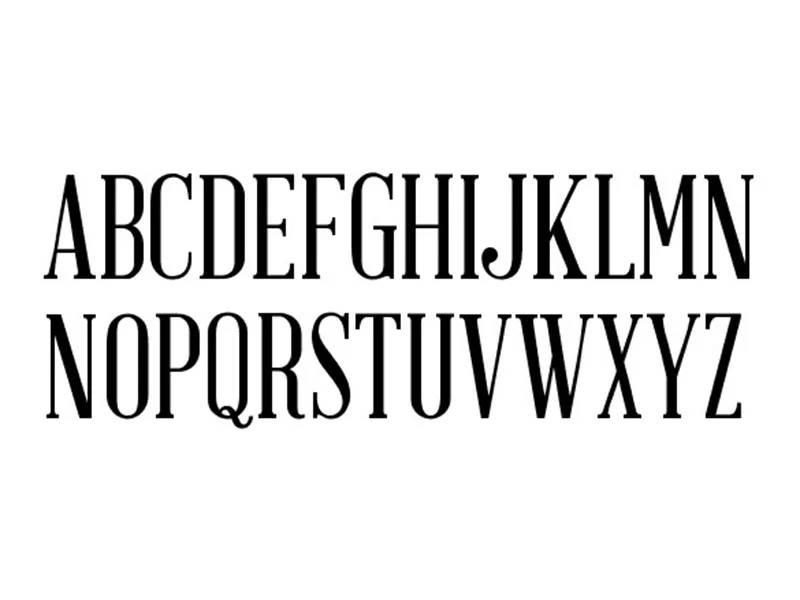
Abraham Lincoln

Feeling a bit historical? Abraham Lincoln is tall, slender, and has this vintage charm about it. Perfect if you’re going for a nostalgic look but still want to keep it fresh.

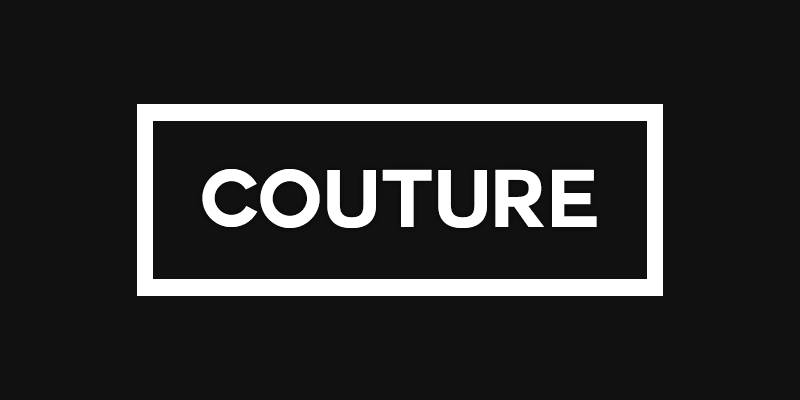
Couture

Now this, this is for when you wanna dress your text up. Couture is sharp, chic, and feels like it just walked off a high-end runway. Fashion-forward is its middle name.

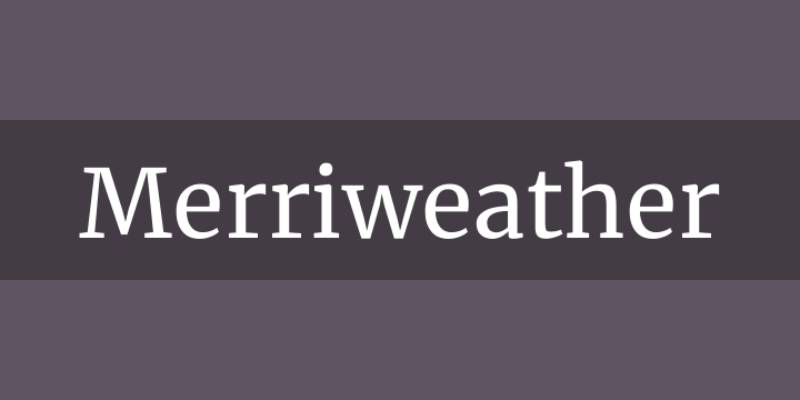
Merriweather

Ah, Merriweather. It’s like that comfy sweater you always reach for. Warm, welcoming, and a perfect fit for longer reads. It just feels… right.

Nexa

Remember that friend who’s always super put together? Nexa’s kind of like that. Streamlined, versatile, and always on point.

Grand Hotel

Grand Hotel sweeps you off to a bygone era. It’s curly, it’s fancy, and boy, does it know how to make an entrance.

Geared

With an industrial touch, Geared is robust and ready to get down to business. But there’s also a hint of playfulness lurking in the background.

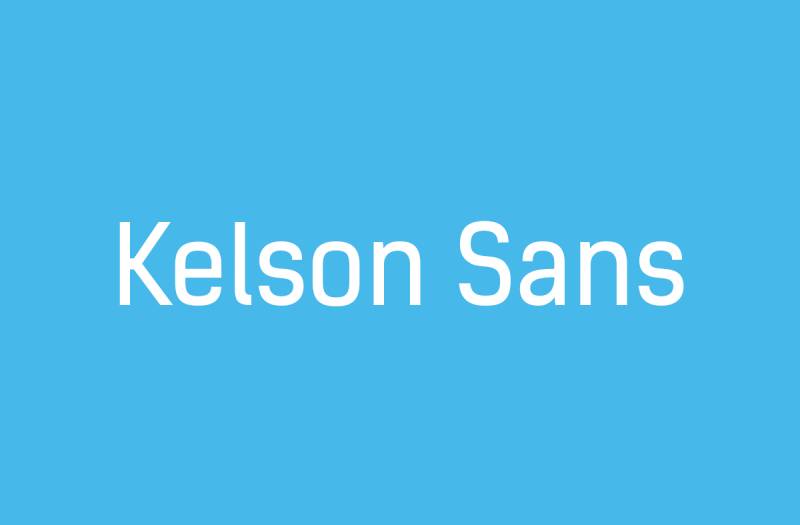
Kelson Sans

Super chill, yet undeniably professional. Kelson Sans is that dude who manages to look effortlessly cool in a plain white tee. Simple, but oh-so-effective.

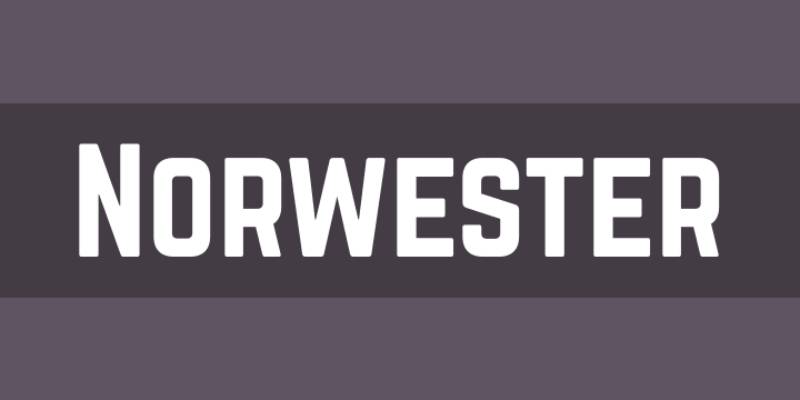
Norwester

Mountains? Check. Campfires? Check. Norwester brings in those outdoorsy vibes. It’s bold, yet rustic. Makes you wanna plan an adventure.

SciFly

Hello, future! SciFly feels like it’s from another galaxy. Sleek, smooth, and perfect for when you want to give your designs a futuristic twist.

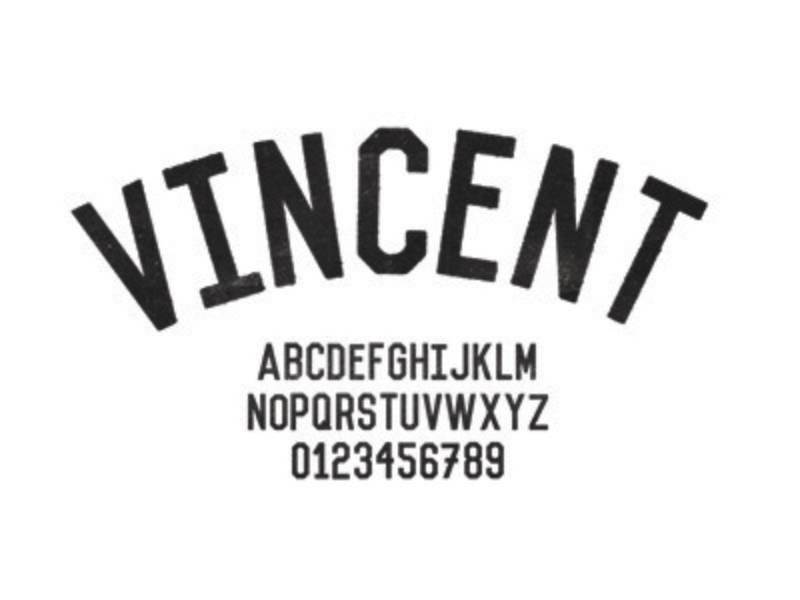
Vincent

Moody? Mysterious? Enter Vincent. This font plays in the shadows, but when it steps into the light? Showstopper.

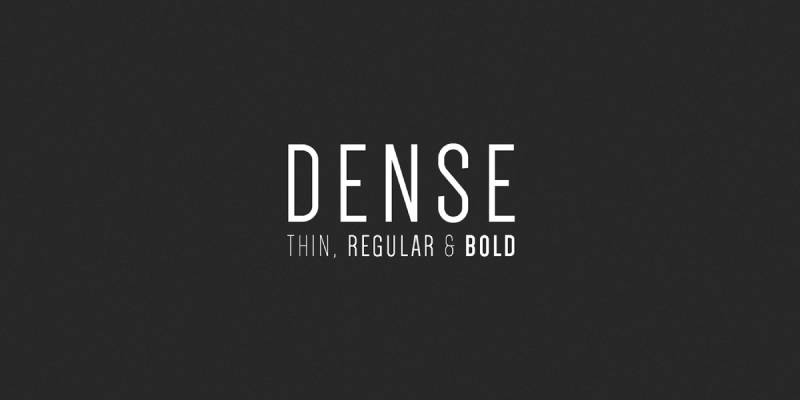
Dense

Compact and clean – that’s Dense for you. If you need to pack a punch in a small space, this font’s a no-brainer.

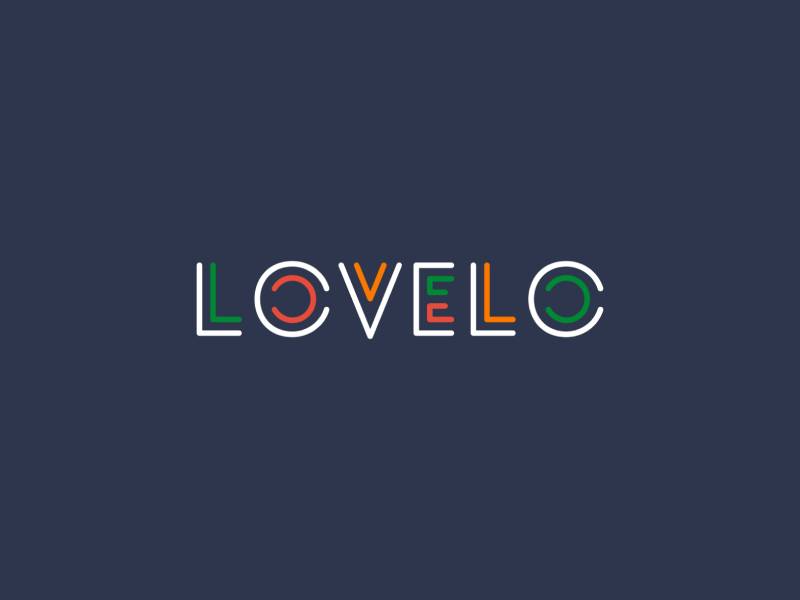
Lovelo

Circles, circles everywhere! Lovelo is bubbly and fun, kind of like that bubbly drink you can’t get enough of on a summer day.

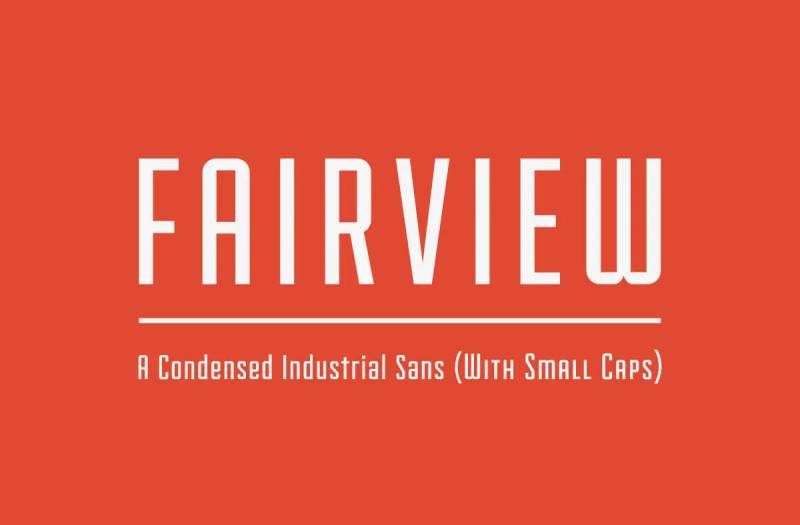
Fairview

Art Deco vibes, anyone? Fairview takes you back, but not too far back. It’s retro with a modern spin. Slick!

Langdon

Last, but by no means least, Langdon. Strong, sturdy, and stands tall. A bit of old-school flair without feeling outdated.

The Art and Science Behind Typography Animation

The Aesthetics of Moving Text

Let’s get a tad artsy here. Ever watch those animations and think, “Damn, that’s smooth!”? Well, that smoothness? That’s by design. Every bounce, twist, and turn in typography animation is crafted to be aesthetically pleasing. We pick fonts, colors, and motions that vibe with the overall feel. We’re not just moving text around. We’re choreographing a performance. It’s art, right there on your screen.

Psychological Impact on Viewers

Here’s the science bit: our brains? They love motion. And there’s a reason web designers like me are all over typography animation. When text moves, your brain’s like, “Ooh, shiny!”, and you’re instantly hooked. It’s not manipulation; it’s psychology. The dynamic dance of letters taps into our innate curiosity, making messages stickier and more memorable.

The Role of Typography in Branding and Marketing

Hold up, it’s not all art and games. There’s some real business logic here. Ever notice how some brands have that distinctive style with their moving text? Yup, typography animation isn’t just for show; it’s branding gold. When you see text glide in a certain way or morph into a brand symbol, it’s like a visual signature. Companies know this, and they harness it. They embed their identity into the way their text moves, turning mere words into branded experiences. And as for marketing? An animated message can be the difference between scrolling past and stopping to engage. It’s that potent.

Popular Techniques and Their Applications

Morphing: Creating Motion and Emphasis

Imagine a word, just chilling, then suddenly it stretches, bends, and turns into something entirely new. That’s morphing for you. It’s all about transition and transformation. It’s like your text is putting on a show, changing costumes, and taking on different roles. This technique in typography animation is a real game-changer. It keeps viewers on their toes, anticipating the next shift.

Flickering Text: The Art of Selective Animation

Now, here’s a trick I’ve used more times than I’d like to admit. You want to grab attention? Make your text flicker. But not too much—just a tad. Like a candle in the wind. It’s subtle but oh-so-effective. It’s that eye-catching glitch, the heartbeat of the message, emphasizing certain parts while making others play second fiddle.

Hypnotizing Text: Capturing Viewer Attention

Ever get lost staring at those hypnotic circles? Well, text can do that too. Through loops, spins, and other rhythmic motions, text becomes entrancing. This typography animation technique is less about relaying a message and more about making viewers lose themselves in the visual spectacle.

Moving Text: Directional Emphasis and Meaning

Text can walk, run, jump, or even slide. Upward movement? Optimism. Downward? Maybe a touch of sadness. Sideways? A shift or change. It’s storytelling, minus the storyteller.

Drawing Text: The Artistry of Lettering

Drawing text is all about the reveal. Imagine watching a painter sketching, and as the strokes connect, words form. This technique celebrates the beauty of each letter, each curve, each line. Typography animation becomes a canvas, and every letter is a masterpiece being born.

Geometric Constructions: Modern and Techy Vibes

Shapes and text. Who knew they’d be BFFs? From circles to squares to hexagons, geometric designs paired with text scream modern and cutting-edge. It’s like the future, but now. And trust me, the tech vibe it brings? Next level.

Fluid Geometry: Urban Dynamism in Typography

Now, imagine those geometric shapes but make them liquid. Sounds wild, right? Fluid geometry merges structure with flow, bringing dynamism and spontaneity to typography animation. It’s urban, it’s fresh, it’s unpredictably mesmerizing.

Texture Constructions: Layered Artistic Effects

You can literally feel this one. It’s text with depth, layers, and textures. Think of it like text with a fabric—maybe denim, silk, or even rough stone. It’s tactile, even if you can’t touch it. Such techniques add a touch of reality to the digital realm.

Complex Morphing: Storytelling Through Symbols

Words turning into symbols and vice versa. It’s storytelling on steroids. It bridges the gap between abstract and concrete, turning typography animation into a visual narrative that’s complex yet so darn intriguing.

Graphic Animations: Integrating Illustrations and Text

When words meet art, magic happens. Text melds into illustrations, and suddenly, they’re one. It’s not just about reading; it’s about experiencing a world where words are alive, taking forms we recognize and resonate with.

Dynamic Montage: Creating a Storyline with Text

You’ve got a bunch of text snippets, right? Now, imagine them coming together, creating a storyline—a montage, if you will. It’s like watching snippets of a movie, but it’s all text, building up to a climactic message.

Neon Flickering: The Nightlife Appeal

Bring the nightlife to text. Neon lights, buzzing, and flickering. It’s the city vibes, the allure of the late hours, all captured in typography animation.

Dash Typography: Elegance in Simplicity

Dashes, breaks, pauses. They’re so simple yet add elegance. It’s text, but make it fashion. Minimalistic, sophisticated, and oh-so-chic.

Creative Letters: Surprising and Engaging Viewers

Each letter, a unique design, a creative burst. Forget the norm; this is about breaking the mold, letter by letter. It’s unpredictable, it’s fresh, it keeps viewers guessing.

Illustrated Letters: Visual Storytelling

Why just read when you can see? Letters morphing into mini illustrations, adding a visual dimension to the narrative. Typography animation meets visual storytelling, and it’s a match made in design heaven.

Scrabble Effect: Dynamic Message Creation

Words, building up like a game of Scrabble. Each letter finding its place, coming together to form words, sentences, messages. It’s playful; it’s dynamic. It makes viewers lean in, wanting to see the final message take shape.

Morphing Geometric Shapes: Enhancing Narratives

Shapes telling stories, transforming and evolving. Circles morphing into squares, triangles blending into hexagons. It’s geometry but with a narrative twist, enhancing the core message.

Static and Animated Letter Combinations: Focused Messaging

Some letters move; some don’t. It’s like a dance where some dancers freeze while others whirl around them. It focuses attention, creating a contrast that highlights the core message.

Accelerated Typography: Quick Visual Stories

Fast-paced text, zooming in and out, racing against time. It’s about urgency, about capturing moments in split seconds. It’s a visual adrenaline rush.

Emotion-filled Animated Letters: Conveying Feelings

Letters that laugh, cry, shout, or whisper. Emotions captured in the way they move, the way they interact. Typography animation that touches the heart, making viewers feel the message.

DIY: Creating Your Own Kinetic Typography

Tools and Platforms: An Overview

So, before you start dancing with your words, you’re gonna need the right tunes. And by tunes, I mean tools.

  • Online Platforms: Sites like Canva or Biteable
  • Dedicated Software: Think of Adobe After Effects or Apple Motion. These bad boys give you more control. A bit of a learning curve, but totally worth it.
  • Mobile Apps: On the go? There’s an app for that. Legend and Quik can get your text grooving right from your phone.

The best part? There’s a ton of tutorials out there. Whether you’re a newbie or looking to level up, there’s always a YouTube tutorial or a forum waiting to be your fairy godmother.

Step-by-Step Guide to Creating Typography Animations

Alright, fam. Ready to get your hands dirty? Let’s break it down, step by step.

Choosing the Right Background

It’s all about setting the vibe. Think of it as picking the perfect wallpaper for your room. Whether it’s a static color, a gradient, or even a video clip—your background sets the tone. So, whether you’re going for moody blues or fiery reds, make sure it complements your text.

Adding and Styling Text

Next up, the star of the show: your text. Add it in. Choose that font that speaks to you. Maybe something bold? Or perhaps, something cursive and whimsical. Size it, position it, give it some space to breathe. 

Animating Text: From Basic to Advanced Techniques

Now, here’s where the magic happens. You ready?

  • Fade-ins and Fade-outs: Basic but effective. Like a ghostly appearance, it’s smooth and classy.
  • Swings and Bounces: Give it some energy! Perfect for something upbeat.
  • 3D Rotations: Add some depth, literally. It’s like your text is reaching out.

As you get comfortable, experiment with combinations. The sky’s the limit, really.

Previewing and Adjusting Animations

Once you’ve got the moves down, it’s rewind time. Play it back. Does it flow? Is it too fast? Too slow? Adjust the speed, tweak the movements, and make sure it’s just right. You know, like that perfect cup of coffee in the morning.

Exporting and Sharing Your Animated Typography

Done? Nah, we’re just getting started. Save it, export it. MP4, GIF, you name it. And then? Show it off. Social media, your website, maybe even on a big screen downtown. Let the world see your typography animation masterpiece.

FAQ about typography animation

What’s typography animation?

Oh, dude! It’s like when you see those moving, groovy texts in videos and websites. Typography animation is the art of bringing text to life, making it move, bounce, slide, or even morph. It’s like giving words their own dance moves. Super cool, right?

Does it work on all devices?

Oh, good question! Mostly, yes. But like all things web and tech, it’s best to test things out. Some older devices or browsers might struggle a bit, but most modern tech should handle it just fine. Still, always double-check, especially if it’s for a big project.

What’s trending in typography animation?

Oh man, it changes like the wind! But lately, I’ve been seeing a lot of fluid motions, morphing text, and 3D effects. Retro vibes, too. Think 80s neon and all. But you do you. Follow the trend, or set your own!

How do I make it accessible?

Props for thinking of that! Accessibility is key. Make sure to have a readable contrast, avoid super-fast flashes (can trigger seizures), and provide alternative content for those who can’t view animations. It’s about being inclusive, buddy.

Can it slow down my website?

Yeah, it can. Animated typography elements can be heavy, especially if not optimized. CSS only text animation should be light on the loading time. Keep an eye on file sizes and test your site’s speed. Nobody likes a snail-paced website, right?

Conclusion

Alright, let’s bring this beast home. We’ve dug deep into the world of kinetic typography and, honestly, it’s kind of wild how much there is to it. Words moving, dancing, and even telling stories.

I’ve been in the game for a while now, and things evolve faster than a meme on Twitter. But when it comes to typography animation, here’s what’s brewing:

  • Virtual Reality & Augmented Reality: Imagine it – you wear those fancy glasses and words fly around you, react to you, maybe even play hide and seek with you. Trippy, right? It’s coming.
  • Personalized Animations: Think of ads that are tailor-made for you, with typography animations that use your name and react based on your preferences. It’s like they know you. Well, they kinda do.
  • 3D is the New 2D: Flat is cool. But three-dimensional typography animations? They’re the next level. Expect more depth, shadows, and maybe even words you feel like you can touch.
  • Interactive Typography: Interactive websites are already here. But get ready for typography that responds to your mouse, voice, or even emotions. In my view, the websites that would work great with animated typography would be film maker websites. If you combine the website interactivity with a good video montage, the site will be a killer.
  • Sustainability & Typography: Sounds odd, right? But with digital art becoming more physical (like NFTs), expect some typography animations to have eco-friendliness baked in. Maybe a digital artwork that plants a tree?

 Typography animation isn’t just for websites or ads. Its magic is seeping into other domains too.

  • Education: Kids these days, right? Hand them a static book and they’re bored. But what about interactive typography animations that teach as they move? Schools are catching on.
  • Entertainment: Ever noticed those movie titles that kinda move? Or that music video with the crazy text effects? It’s more than a trend; it’s the norm now.
  • E-commerce: Online shopping is cool. But imagine reading a product description that’s not just static text but a typography animation that shows you, in real-time, what you’re about to buy. Hook, line, and sinker.
  • Public Spaces: Digital billboards, train stations, even the local coffee shop might have some typography animation going on. It grabs attention. It’s memorable. And it’s everywhere.

The post The Best Fonts To Use For Typography Animation appeared first on Designer Daily: graphic and web design blog.

Balancing Creativity And Client Expectations In Graphic Design

Post pobrano z: Balancing Creativity And Client Expectations In Graphic Design

Navigating the balance between boundless creativity and concrete client expectations is pivotal in graphic design. When crafting visually appealing pieces, you’re not merely focusing on aesthetics; you’re communicating a message, evoking emotions, and solving problems. 

This balancing act is like walking a tightrope, where tilting too far in one direction can compromise creative integrity, and leaning too much the other way might not meet client needs. The essence of successful graphic design lies in the harmonious blend of your vision as a designer and the client’s demands. In this dynamic field, keeping your explorations on track is crucial. 

Aligning creative ideas with client objectives leads to designs that captivate and achieve strategic goals. Let this article guide you into maintaining this equilibrium, ensuring your work aligns with your creativity and client goals. 

Finding The Right Graphic Designer 

Your search for the ideal graphic designer is akin to finding a creative counterpart—a partner who understands and elevates your vision. Start by meticulously examining portfolios, looking for a match in style and expertise with your project’s core. A standout portfolio shows versatility, a solid grasp of design principles, and storytelling prowess.  

Entering a partnership with a skilled designer such as Electric Graphic Design is built on clear communication and trust. Articulating your goals and expectations clearly while being open to creative suggestions cultivates an environment where ideas can thrive, leading to outcomes that exceed satisfaction. 

Feedback is integral to this partnership. Offering constructive critique with clarity and respect propels the project forward. Striking the right balance between directing the creative path and allowing the designer the freedom to innovate ensures the final product is a cohesive blend of client vision and designer ingenuity. 

Understanding Your Audience 

Before embarking on the design process, immerse yourself in your audience’s world. Who are they? What appeals to them? This insight directs every design decision, from selecting color palettes to choosing typography. Establishing a visual dialogue that connects with their desires and aspirations is key. 

Developing personas is an effective strategy here. These hypothetical profiles of your ideal audience members crystallize their demographics, motivations, and preferences, providing a targeted focus for your design efforts. 

This audience-first approach ensures that each design element serves a purpose, contributing to a unified message that captivates and engages. The goal extends beyond mere aesthetics; it infuses your designs with significance and relevance. 

Setting Clear Objectives 

Clarity of purpose is the cornerstone of impactful graphic design. Begin each project with a definitive understanding of your aims, be it increasing brand awareness, boosting user engagement, or driving sales. These objectives guide the design process and serve as markers of success. 

Crafting a creative brief is a critical step. This document details the project’s scope, target audience, intended message, and any specific requirements or constraints, serving as a guide to ensure alignment from the start. 

Consistent check-ins keep the project aligned, facilitating necessary adjustments. This ongoing process ensures that the final design meets and surpasses your objectives, yielding tangible results. 

Embracing Collaboration 

Graphic design thrives on collaboration, with ideas evolving through an exchange between you and your designer. Welcoming this interplay recognizes the unique perspective and wealth of experience your designer brings. Open communication is crucial for effective collaboration.  

Establishing consistent communication channels and feedback mechanisms ensures the project stays on course, promptly addressing any hurdles. Collaboration extends beyond the client-designer duo. Involving stakeholders, like marketing teams or end-users, in the feedback loop offers additional insights, enriching the final design with diverse viewpoints. 

Balancing Creativity With Functionality 

In graphic design, the intersection of beauty and functionality is crucial. Every creative decision, from layout to imagery, must fulfill a purpose, enhancing user experience and engagement. This balance requires a thorough understanding of design principles, such as hierarchy, contrast, and balance, and their impact on user perception and action.  

The aim is to create designs that are not only visually arresting but also intuitive and user-friendly. User testing provides invaluable feedback on a design’s effectiveness, enabling data-informed adjustments. This approach ensures the end product is both aesthetically pleasing and functionally sound. 

Leveraging Trends Wisely 

Trends in graphic design offer inspiration and relevance but should be approached with caution to avoid fleeting or derivative designs. The challenge lies in integrating trend elements in a way that supports your message without overwhelming it. Staying informed about trends while cultivating a discerning eye helps you assess their alignment with your brand identity and objectives.  

Consider how a trend might be adapted to create something distinctive and lasting. The ultimate goal is to craft enduring designs that appeal to audiences today and in the future, often involving blending trendy elements with timeless design principles for a balanced and impactful result. 

Prioritizing Feedback And Revisions 

Feedback propels the design process, offering a chance to refine and perfect the final product to align with your vision and objectives. Approach feedback sessions with an open mindset prepared to explore new ideas and solutions. 

Provide specific and constructive critiques, focusing on aligning design elements with the project’s goals. This clarity assists your designer in making precise adjustments. Revisions are integral to the creative journey, but setting clear boundaries helps maintain momentum and focus on the project. 

Ensuring Brand Consistency 

Your brand is your identity, and every design project should reinforce it. Maintaining consistency across all visual assets strengthens brand recognition and trust, offering a unified audience experience. 

This consistency goes beyond logos and color schemes; it extends to your designs’ tone, voice, and overall aesthetics. A brand style guide is invaluable, providing guidelines to ensure coherence across all brand touchpoints. 

Regular reviews of your visual assets can identify deviations from brand standards, allowing for timely corrections. This diligence ensures your brand remains robust and unified, regardless of project scale or scope. 

Conclusion 

Balancing creativity with client expectations in graphic design is an intricate interplay of art and strategy. It requires a deep understanding of your audience, clear communication of objectives, and a spirit of collaboration that values feedback and iteration.  

By selecting the right graphic design partner, setting definitive goals, and upholding brand consistency, you can create compelling visual narratives that resonate with your audience and fulfill your business aims. Embracing the dynamic between creativity and strategy ensures your designs not only captivate but also communicate effectively, making a lasting impression on viewers.

The post Balancing Creativity And Client Expectations In Graphic Design appeared first on Designer Daily: graphic and web design blog.

Edge Computing and Its Impact on Web Development

Post pobrano z: Edge Computing and Its Impact on Web Development

In recent years, the landscape of web development has undergone a significant transformation with the advent of edge computing. As the demand for faster and more efficient data processing continues to rise, edge computing has emerged as a groundbreaking technology that enhances the performance of web applications and reshapes the way developers approach the design and deployment of their projects. 

In this article, we will explore the concept of edge computing, delve into its key principles, and examine its profound impact on web development.

Understanding Edge Computing

Traditionally, web applications have relied on centralized cloud servers to process and store data. However, this model has limitations, especially regarding latency and bandwidth constraints. Edge computing addresses these challenges by bringing computation and data storage closer to the source of data generation, often called the “edge” of the network.

In essence, edge computing involves deploying computing resources, such as servers and storage, at or near the data source rather than relying solely on a centralized cloud infrastructure. This decentralized approach offers several advantages, including reduced latency, improved performance, and increased efficiency.

The key components of edge computing include:

  • Edge Devices: These are the devices that generate or consume data at the edge of the network. Examples include IoT (Internet of Things) devices, sensors, and mobile devices.
  • Edge Servers: These are the computing nodes located at the network’s edge, closer to the edge devices. They handle data processing and storage tasks locally.
  • Edge Data Centers: These are larger facilities that house multiple edge servers. They provide more significant computing power and storage capacity than individual edge servers.

The Impact of Edge Computing on Web Development

1. Reduced Latency and Improved Performance:

Edge computing in web development significantly reduces latency, addressing the delay between initiating actions and receiving responses. Unlike traditional cloud-based models where data travels to and from a centralized server, edge computing processes data closer to the user or device. This particularly benefits real-time applications such as online gaming, video streaming, and interactive web apps. 

Adding Figma to React integration in web development accelerates application responsiveness and enhances user experience. This seamless combination of the design tool, Figma, and React, streamlines development, promoting efficient collaboration and reducing latency for a more cohesive and performant web application. Ultimately, Figma to React empowers developers to bring visually engaging design ideas to life on the internet, creating user-friendly experiences.

2. Enhanced Security and Privacy:

Edge computing can contribute to improved security and privacy in web development. Developers can reduce the risk of data breaches during transit by processing sensitive data locally at the edge rather than transmitting it to a distant server. This is especially important for applications that handle personal or confidential information.

Additionally, edge computing allows for more granular control over data, as developers can implement security measures directly at the edge devices or servers. This decentralized approach mitigates the impact of a potential breach, as compromising one edge node does not expose the entire dataset.

3. Scalability and Resource Optimization:

Edge computing provides a more scalable architecture for web development. Instead of relying solely on a centralized server to handle all requests, developers can distribute the processing load across multiple edge servers or devices. This distributed approach enhances the scalability of web applications, allowing them to handle varying levels of demand efficiently.

Furthermore, edge computing enables resource optimization by offloading specific tasks to edge devices. For example, edge devices can perform preliminary data analysis and filtering in an IoT environment before sending relevant information to the cloud. This reduces the amount of data that needs to be processed centrally, leading to more efficient resource utilization.

4. Support for Edge-optimized Frameworks and Languages:

As edge computing gains prominence, web developers adapt their toolkits to exploit this paradigm shift. Edge-optimized frameworks and programming languages are emerging, allowing developers to build applications tailored to decentralized environments.

Frameworks like TensorFlow Lite for machine learning at the edge and edge.js for edge computing in JavaScript are becoming popular. These tools empower developers to create applications that harness the full potential of edge computing, leveraging the capabilities of edge devices and servers.

5. Edge-Friendly Content Delivery:

Edge computing has a profound impact on content delivery strategies. Content delivery networks (CDNs) have long been used to distribute content globally and reduce latency. With edge computing, CDNs can evolve to become more intelligent and capable of processing dynamic content at the edge.

Web developers can leverage edge locations to cache and serve content closer to end-users, ensuring faster load times for websites and applications. This enhances user experience and reduces the strain on central servers, leading to more efficient and cost-effective content delivery.

6. Challenges and Considerations:

While the benefits of edge computing for web development are clear, it’s important to acknowledge the challenges and considerations associated with this paradigm. Managing a distributed infrastructure, ensuring data consistency across edge nodes, and addressing security concerns in a decentralized environment are among the key challenges developers may face.

Additionally, developers must carefully assess whether their specific use case benefits from edge computing. Not all applications require low latency or real-time processing, and in some cases, the added complexity of managing edge infrastructure may outweigh the advantages.

Future Trends and Developments

As edge computing continues to shape the landscape of web development, several trends and developments are poised to influence the industry further:

1. 5G Integration:

The rollout of 5G networks is a catalyst for the widespread adoption of edge computing. The high bandwidth and low latency characteristics of 5G complement the goals of edge computing, providing an ideal infrastructure for deploying edge services. Web developers can anticipate creating applications that leverage the capabilities of 5G networks for even faster and more reliable data communication.

2. Edge AI and Machine Learning:

Combining edge computing and artificial intelligence (AI) is a potent force transforming web development. Edge devices with AI capabilities can process data locally, making real-time decisions without relying on centralized servers. This is particularly valuable for facial recognition, autonomous vehicles, and smart city solutions applications.

Web developers will increasingly incorporate edge AI and machine learning into their projects, enabling more intelligent and responsive applications. This trend aligns with the growing demand for personalized and context-aware user experiences.

3. Decentralized Web Architectures:

Edge computing contributes to the evolution of decentralized web architectures. Instead of relying on a single central server, web applications can be designed to operate in a peer-to-peer fashion, with each edge node contributing to the overall functionality. This decentralized approach enhances resilience and aligns with the principles of blockchain technology and decentralized finance (DeFi).

Web developers exploring decentralized architectures can leverage edge computing to create applications that are more resilient to failures, censorship-resistant, and inherently distributed.

4. Edge-Driven Analytics:

Edge computing facilitates real-time analytics at the source of data generation. This enables web developers to extract valuable insights without transferring massive datasets to central servers for analysis. Edge-driven analytics can be particularly beneficial when rapid decision-making based on local data is critical, such as in industrial IoT applications, healthcare, and smart infrastructure.

Developers will increasingly integrate analytics capabilities into edge nodes, creating web applications that leverage localized insights for improved decision support.

Conclusion

Edge computing has ushered in a new era for web development, offering unprecedented opportunities to enhance performance, security, and scalability. As developers embrace this paradigm shift, they are optimizing existing applications and paving the way for innovative solutions that leverage the full potential of edge computing.

Reduced latency, enhanced security, and the ability to create edge-optimized applications are just the beginning. As 5G networks become more prevalent and edge AI continues to evolve, web developers will play a crucial role in shaping the future of decentralized and intelligent web applications.

In conclusion, the impact of edge computing on web development is transformative, and its continued integration into the developer toolkit will shape the next generation of web applications, delivering a more responsive, efficient, and intelligent online experience. As the technology matures, developers and businesses alike should stay attuned to the evolving landscape of edge computing to harness its full potential and stay ahead in the ever-evolving digital realm.

The post Edge Computing and Its Impact on Web Development appeared first on Designer Daily: graphic and web design blog.

The Ultimate Guide: Where Creators Can Find Stock Video Footage to Download

Post pobrano z: The Ultimate Guide: Where Creators Can Find Stock Video Footage to Download

In the digital age, having access to diverse visual materials is critical for creators to generate engaging content. This is where the need for a stock video footage download comes into play. Not only does it save time and resources, but it also provides creators with a myriad of options to express their creativity. 

Understanding the Importance of Stock Video Footage for Creators

Stock video footage serves as an invaluable resource for creators of all kinds, be they filmmakers, digital marketers, or YouTubers. Offering an array of high-quality clips, stock footage can be the magic touch that transforms a project from ordinary to extraordinary. Utilizing these readily available clips, creators can inject added depth, context, and visual appeal into their works.

Stock footage can be leveraged in a wide array of content, from social media posts and online advertisements to websites and presentations. This not only saves creators the time and expense of producing new videos, but it also opens up a world of creative possibilities. Most stock video footage is royalty-free, giving creators the freedom to use the footage as they see fit without the worry of copyright violations. The power of stock footage lies in its versatility and accessibility, making it an essential tool in any creator’s arsenal.

Popular Platforms for Stock Video Footage Download

For creators seeking a vast array of stock video footage, several platforms stand out as top contenders:

**Artlist.io:** 

Artlist.io is a major platform for video creators, providing a vast collection of high-quality footage created by recognized industry artists. With a wide database of over 400K premium assets, Artlist differentiates out by offering unlimited downloads of royalty-free content, guaranteeing that creators have the right assets for any project.

**motionarray.com** 

Motion Array has established itself as a full-service marketplace with over 800,000 creative assets, including video templates, stock footage, pictures, music, and sound effects. To put it clearly, the purpose of employing Motion Array is to save time and money while creating content. If you study their website, which you should, you’ll quickly understand how Motion Array might benefit you. 

Each of these platforms offers something unique, and their extensive libraries cater to virtually any project or theme you might be working on. Your choice will depend on your specific requirements, budget, and personal preference.

Things to Keep in Mind While Choosing Stock Video Footage

When selecting stock video footage, several key factors require your consideration. It’s critical to ensure that the quality of the video is superior and compatible with your project’s aesthetic and narrative. Additionally, paying close attention to the license agreement is vital. Though many stock videos come royalty-free, some might necessitate credit acknowledgement or have specific limitations on how they can be used. Lastly, consider your budget. While numerous platforms provide complimentary downloads, others may require a payment per download or a subscription fee. Carefully weighing these elements will assist you in making an informed decision that best fits your creative needs and financial constraints.

How to Integrate Stock Video Footage into Your Projects

The process of embedding stock video footage into your projects is quite simple and straightforward. The first step involves downloading your chosen clip from your preferred stock footage platform. Next, open your video editing software and import the downloaded clip. Depending on your project’s needs, you can then begin to customize the clip. This might involve trimming it down to a suitable length, adjusting its orientation or speed, or adding effects and filters to better match your project’s aesthetic. It’s important to note that the goal is to use the stock video as a complementary tool to enhance the overall content. The stock footage should fit organically within your project, rather than become the focal point.

The Future of Stock Video Footage in Content Creation

In the dynamic landscape of digital content creation, the role of stock video footage is becoming increasingly significant. As creators continue to strive for visually captivating and consistent content, the reliance on these platforms is poised to grow. Besides providing quality and variety, these platforms are known for their time and resource-saving benefits. Looking ahead, stock video footage will not just be about traditional clips. We are on the cusp of witnessing exciting innovations in this realm. Emergent trends like 360-degree videos and Virtual Reality (VR) clips are starting to gain traction and are expected to redefine the boundaries of stock video usage. These advancements will add another dimension to content creation, providing creators with even more options to bring their ideas to life. Thus, the future of stock video footage promises to be an exciting one, full of possibilities and innovations that cater to the evolving needs of digital creators.

The post The Ultimate Guide: Where Creators Can Find Stock Video Footage to Download appeared first on Designer Daily: graphic and web design blog.

How To Decorate A Studio Apartment

Post pobrano z: How To Decorate A Studio Apartment

Decorating a studio apartment is an art – it’s about balancing functionality with personal style. In such a compact space, every inch counts, calling for clever design choices and innovative solutions. From cosy sleeping corners to streamlined kitchens, these small spaces hold immense potential for creativity and efficiency.

Mastering the art of studio living means turning constraints into opportunities, where limited square footage inspires rather than restricts, leading to a living space that’s as practical as it is personal.

Diving Up A Studio Apartment

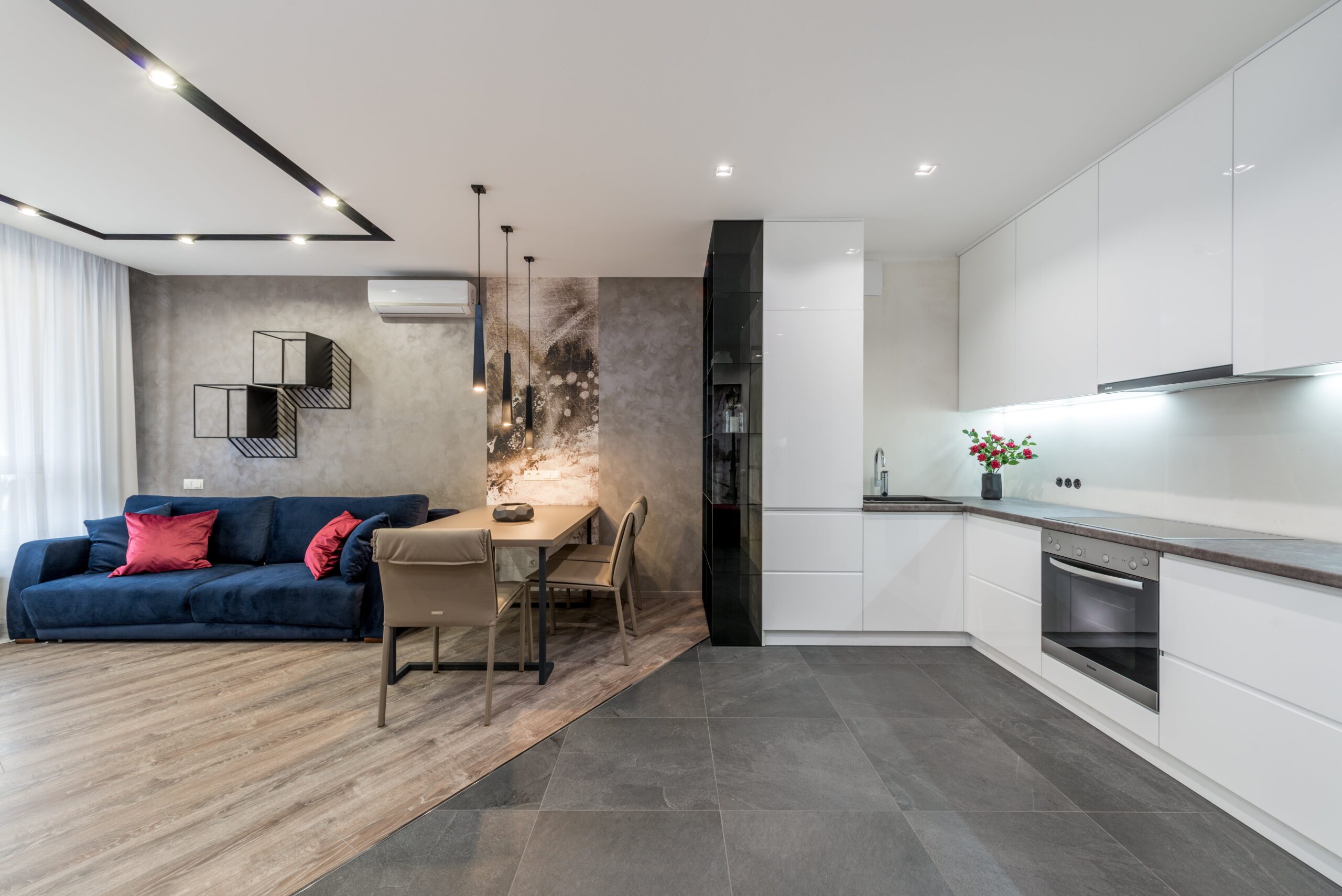
Efficiently dividing a studio apartment starts with thorough planning. Measuring the space and creating a detailed floor plan is crucial; it’s the blueprint for transforming a single room into a multifunctional living area. Furniture plays an important role in this division. A strategically placed sofa, for instance, can effectively separate living and sleeping zones, creating an illusion of distinct rooms within a compact space. This approach not only maximises functionality but also maintains an open, airy feel, essential in studio living. By carefully planning and using furniture as dividers, you can achieve a harmonious balance between style and practicality in a studio apartment.

Organising The Rooms

Organising the rooms in a studio apartment calls for smart layout strategies to ensure each functional area is both practical and aesthetically pleasing.

Bedroom: In the sleeping area, the goal is to create a serene and restful environment. Opt for a bed with built-in storage or consider a loft bed to free up floor space. Use light, calming colours and minimalist interior design elements to keep the area open and tranquil.

Kitchen: For the kitchen, efficiency is key. Utilise vertical space with hanging racks for utensils and wall-mounted cabinets. Incorporate foldable or extendable counters to save space, ensuring every inch is optimally used.

Living Room: Designing a living room in your new home, especially within a studio, requires a blend of comfort and functionality. Choose a sofa that doubles as a room divider and select compact, multi-use furniture. Focus on a layout that invites relaxation while also allowing for entertainment and socialising within the limited space.

Selecting The Right Colour Palettes

Selecting the right colour palette is a pivotal aspect of decorating a studio apartment. The choice of colours sets the mood and influences the perception of space. Light, neutral shades like soft beiges, greys, and whites can make the area feel more open and airy, creating an illusion of more space. However, don’t shy away from incorporating a few bold accents to add character and depth. These can be introduced through accessories or a feature wall. The key is balance – maintaining a base of neutral tones while adding splashes of colour to bring warmth and personality to the apartment.

Store Things Out Of Sight

Storing things out of sight in a studio apartment, particularly in the dining area, is essential for maintaining a spacious and organised environment. It is important to limit clutter to reduce the risk of stress within the home. Opt for furniture with built-in storage, such as benches with hidden compartments or tables with drawers. These multifunctional pieces are perfect for tucking away dining essentials like napkins, cutlery, or placemats, keeping them accessible yet out of sight. Utilising such storable furniture not only declutters the space but also ensures that every item has its place, contributing to a neater and more efficient living area.

Properly Lighting The Space

Proper lighting in a studio apartment can transform the ambience and functionality of the space. Different areas require specific types of lighting. In living areas, soft, warm lights create a relaxing environment, while in workspaces like kitchens, brighter, focused lighting is essential for safety and functionality. Consider adding under-cabinet lights in the kitchen for task lighting and adjustable ceiling lights for a broader glow. Strategically placed lamps can also enhance the atmosphere and provide additional light where needed. The right lighting choices not only brighten the space but also help to define and separate different areas within the studio.

Elevating Your Space with Minimalist Accents

Accessorising in a studio apartment is a delicate balance between minimalism and personal expression. The key is to understand the fine line between decor and clutter. Choose accessories that are not only aesthetically pleasing but also functional, like decorative storage boxes or an elegant lamp that doubles as a statement piece. Opt for fewer, high-quality items rather than an abundance of smaller trinkets. This minimalist approach ensures your space feels personalised and stylish without being overwhelmed by unnecessary items. Every accessory should enhance the space’s overall feel, contributing to a cohesive and inviting studio apartment.

The post How To Decorate A Studio Apartment appeared first on Designer Daily: graphic and web design blog.

6 Tips for Selling Your Design Products

Post pobrano z: 6 Tips for Selling Your Design Products

You’ve been working tirelessly on creating your design products, and now you’re ready to share them with the world. But how do you ensure that your products don’t just sit on your digital shelf gathering virtual dust? Selling design products is not just about having a great product; it’s also about how you present it to potential buyers. In this article, we’ll provide six key tips to help you successfully sell your design products.

Tip 1: Understand Your Target Audience

The first crucial step in selling any product effectively is gaining a deep understanding of your target audience. Take the time to identify and define your ideal customers – explore their tastes, preferences, and needs. By comprehending your audience on a granular level, you can tailor your product offerings and marketing strategies to resonate with them on a profound level. For instance, if your target audience consists of young, tech-savvy individuals, incorporating modern and cutting-edge designs into your products can be a game-changer. This attention to detail will enable you to establish a strong connection with your customers and outshine the competition.

Tip 2: Create High-Quality Photos and Descriptions

When it comes to selling design products online, your photos and product descriptions play a crucial role as your virtual sales representatives. They not only need to accurately represent your product but also have the power to captivate potential buyers. To achieve this, it is important to ensure that your product photos are of the highest quality, providing clear visuals that showcase your product from various angles. This allows customers to have a comprehensive view of what they are purchasing.

In addition to visually appealing photos, your product descriptions should be detailed and informative. Take the time to highlight the unique features and benefits of your product, emphasizing what sets it apart from others in the market. By providing specific and compelling details, you can create a sense of desire and urgency in potential buyers, increasing the likelihood of conversion.

Remember, in the online marketplace, your photos and product descriptions are your first and sometimes only chance to make a lasting impression. Put in the effort to ensure they are engaging, persuasive, and accurately represent the value your product brings.

Tip 3: Choose the Right Platform

Choosing the right platform to sell your design products is essential for reaching and connecting with your target audience. There are several options available, such as online marketplaces or independent platforms. Take the time to research and evaluate which platform aligns best with your product offerings and business goals. Each platform has its own unique features, fees, and audience, so it’s crucial to choose wisely. For instance, if you need a print customizer, as professionals explain at Antigro Designer, you might opt for an independent platform that offers this feature rather than a marketplace. Or, if your target audience is mostly on social media, selling through a platform that integrates with various social channels could be the best option.

Tip 4: Price Your Products Correctly

Pricing can make or break your sales. It is a crucial factor that requires careful consideration. If you price your products too high, there is a risk of alienating potential buyers who may seek more affordable alternatives. On the other hand, pricing them too low may undermine your profitability. To strike the right balance, it is essential to conduct thorough research on your competitors’ pricing strategies, gain a comprehensive understanding of your costs, and carefully consider your target audience’s budgetary constraints. By taking these factors into account, you can set prices that are competitive, appealing, and aligned with your business goals.

Tip 5: Leverage Social Media

Social media is an exceptional platform for showcasing and promoting your design products. With platforms like Instagram and Pinterest, specifically tailored for visual products, you have the perfect opportunity to captivate your audience. Through creative posts, stunning visuals, and engaging content, you can create a buzz around your products, foster meaningful connections with your audience, and ultimately drive substantial traffic to your online store. The power of social media lies in its ability to amplify your brand’s reach and influence, enabling you to establish a strong online presence and connect with potential customers on a deeper level. So, leverage the immense potential of social media to take your design products to new heights and unlock a world of opportunities for your business.

Tip 6: Provide Excellent Customer Service

Providing great customer service can truly set you apart from your competitors. It’s not just about being responsive to customer inquiries, but also about going the extra mile to ensure their satisfaction. Handling complaints professionally and promptly addressing any issues that arise showcases your commitment to customer care. When you prioritize customer happiness, you foster long-lasting relationships that can lead to repeat business and valuable word-of-mouth recommendations. So remember, investing in exceptional customer service is an investment in the success and growth of your business.

Selling design products can be challenging, but with the right strategies, you can successfully market your products and attract the right customers. Remember, understanding your target audience, presenting your products effectively, pricing them right, optimizing for search engines, leveraging social media, and providing excellent customer service are key to your success. So, roll up your sleeves, implement these tips, and get ready to see your sales soar!

The post 6 Tips for Selling Your Design Products appeared first on Designer Daily: graphic and web design blog.