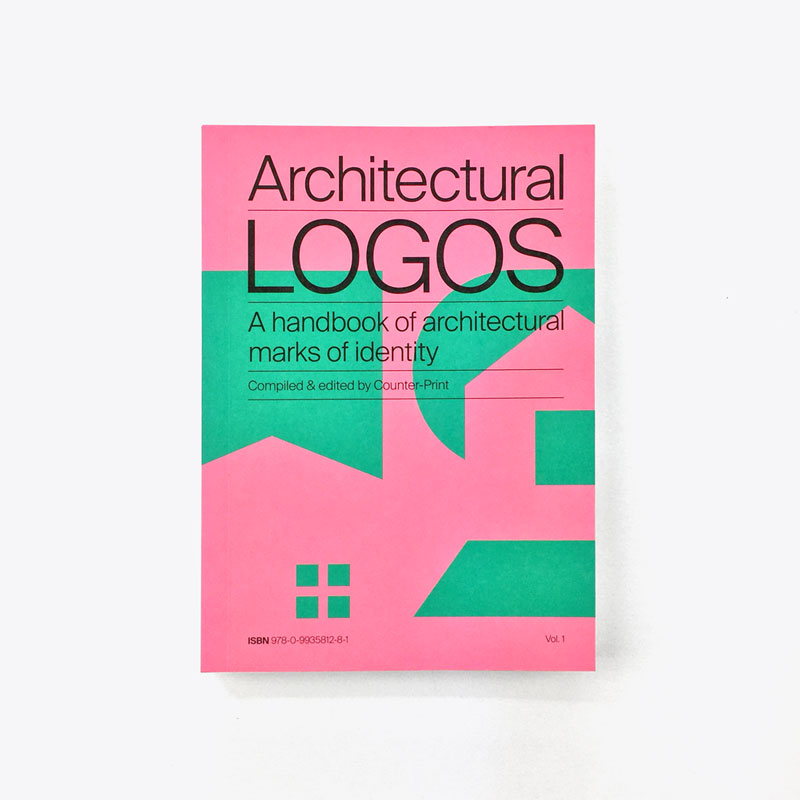
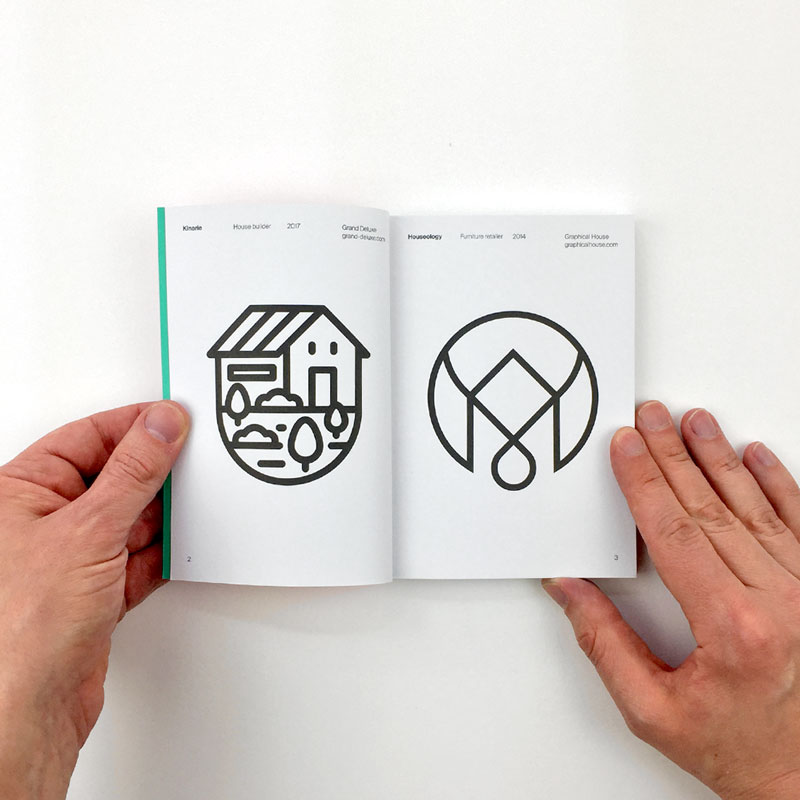
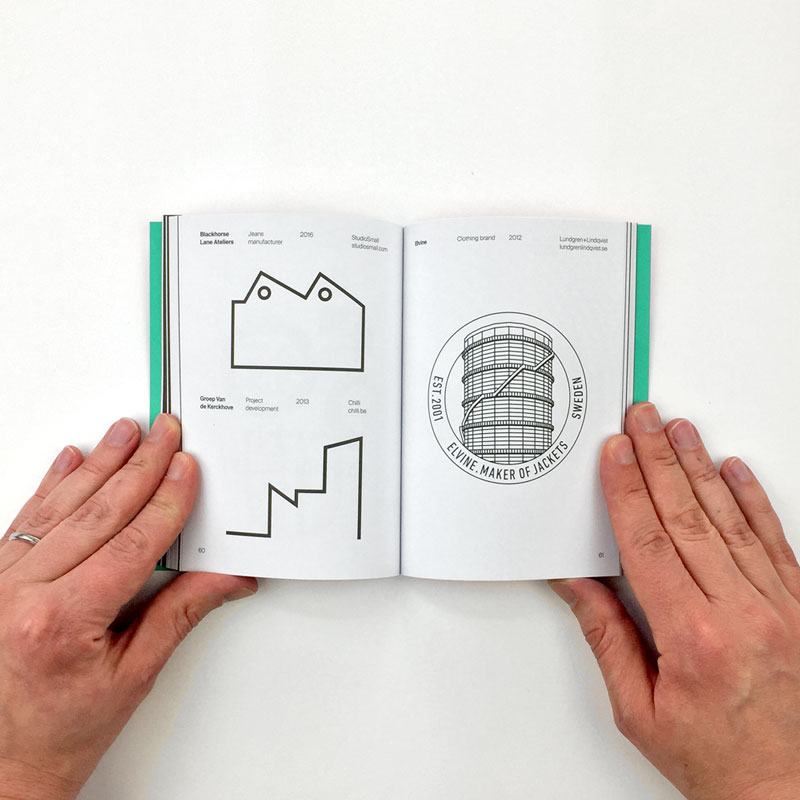
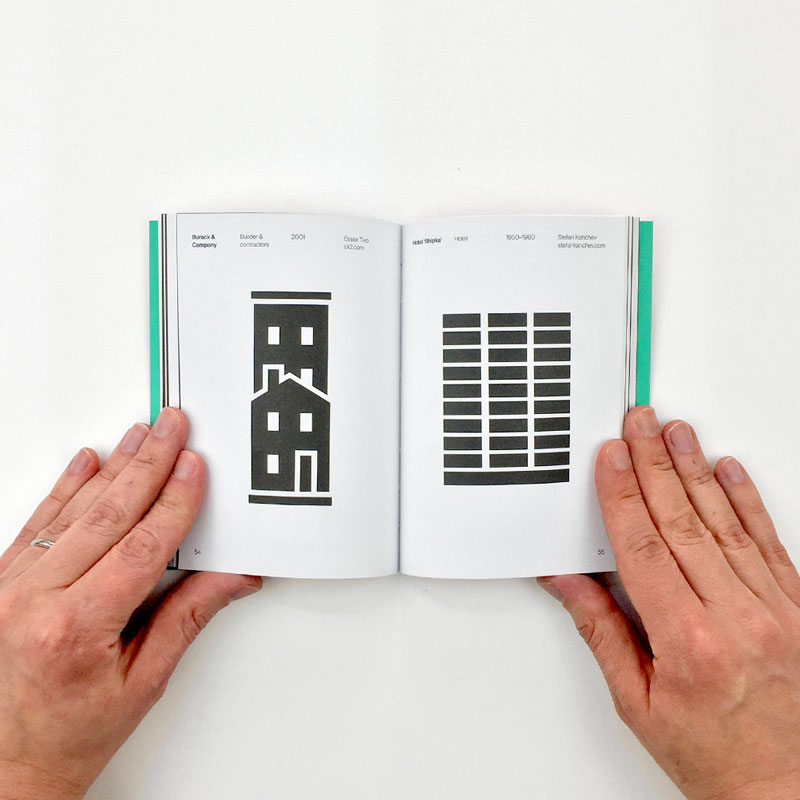
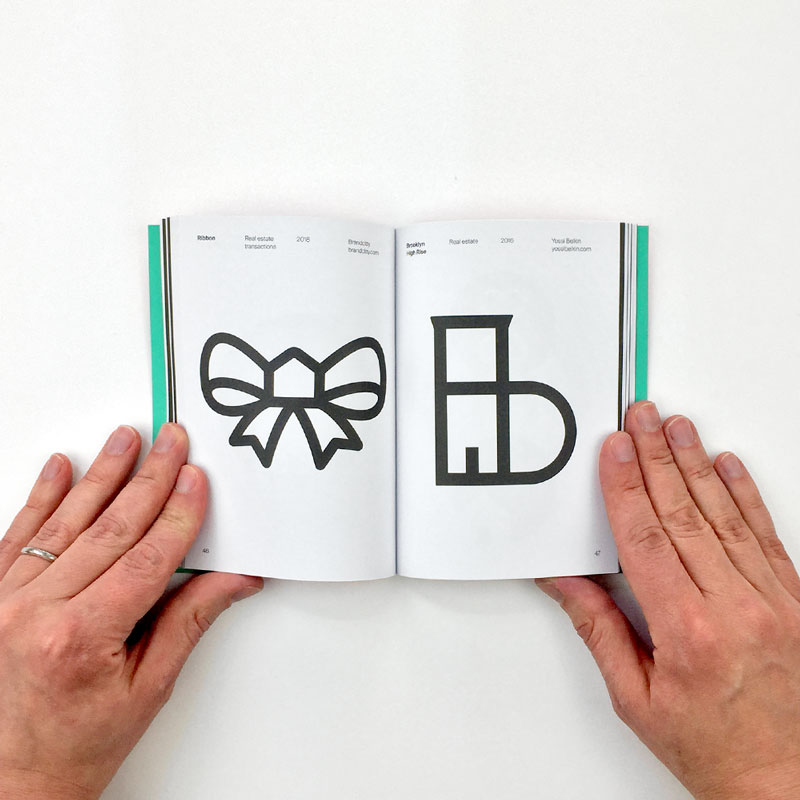
Plenty of logos include architectural elements. Some just use a house or a factory, others are more subtle and just include details or very stylized elements.
Published by Counter Print, the book Architectural Logos collects these occurences of architecture in logo design.
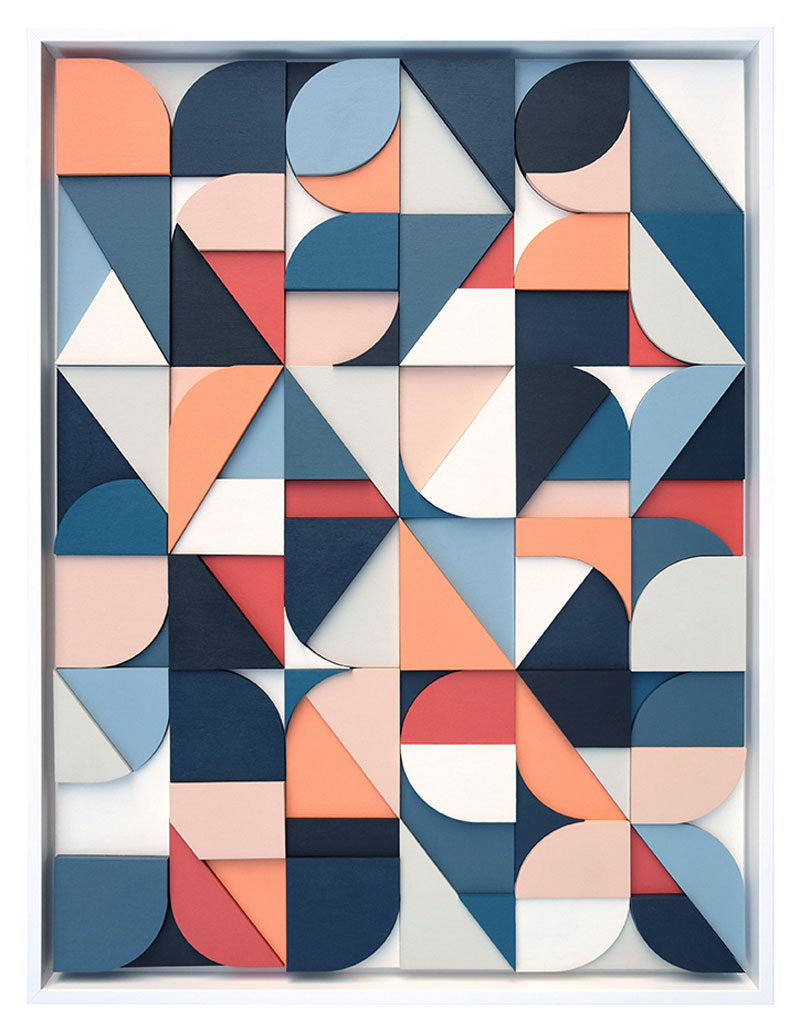
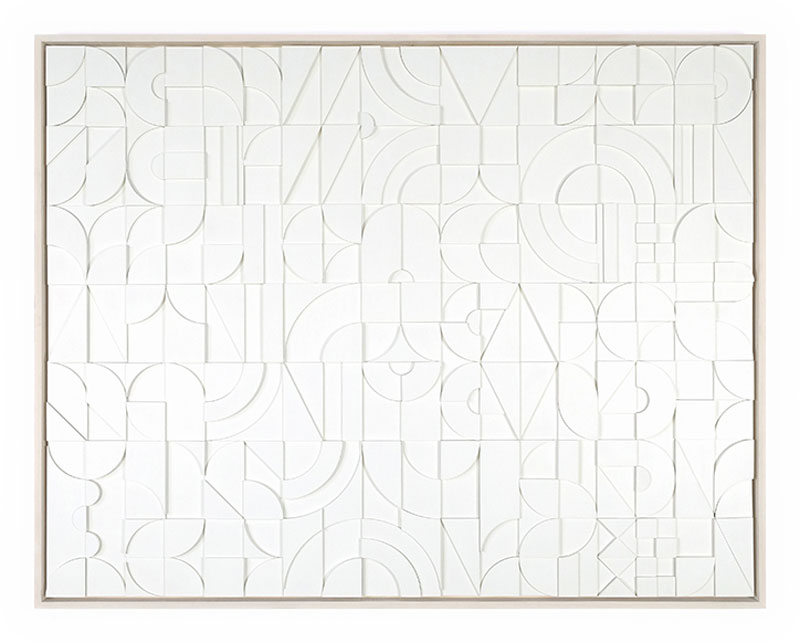
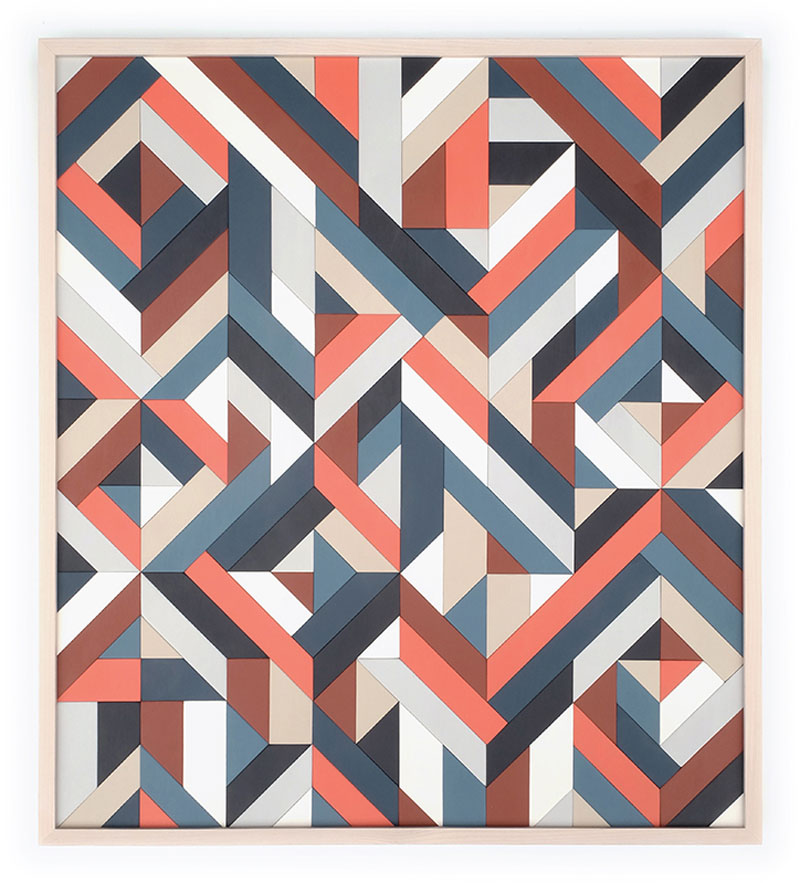
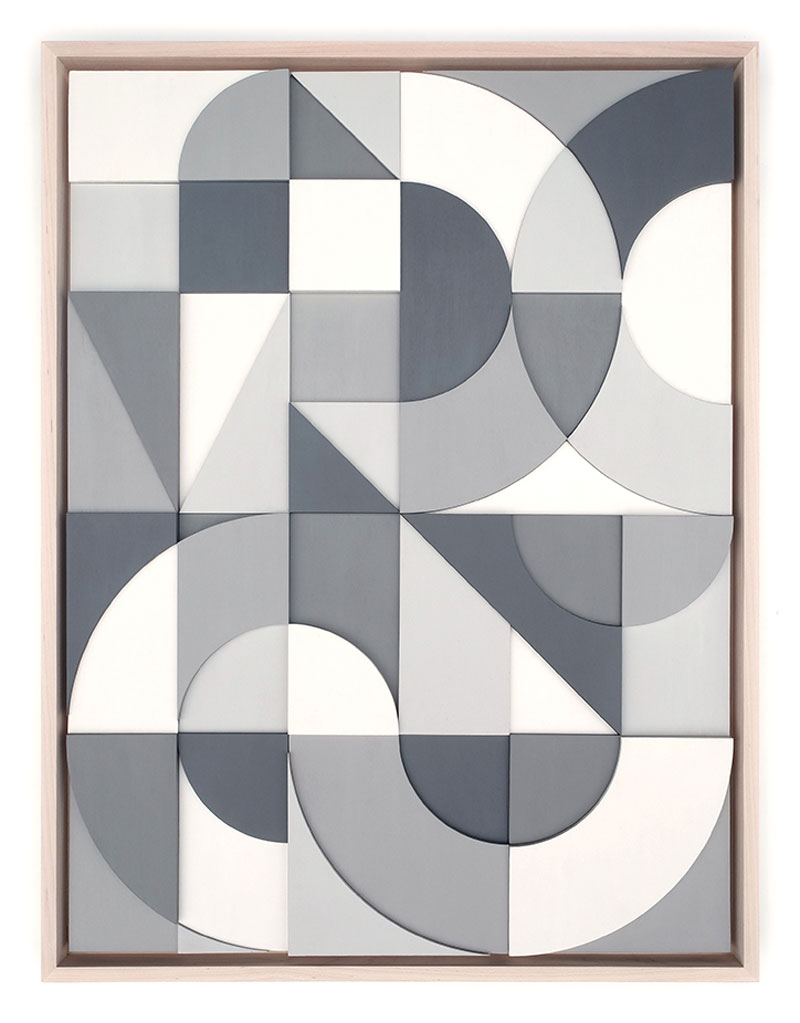
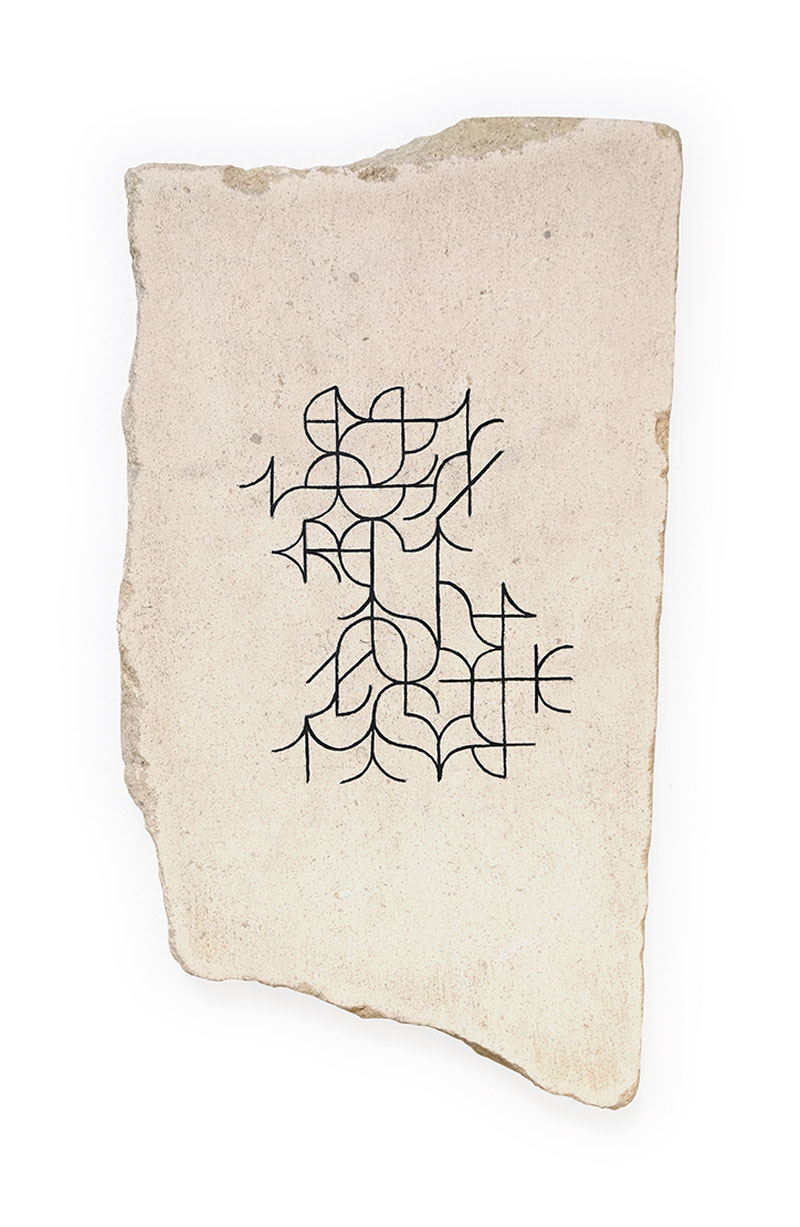
As a graphic designer by formation, Scott Albrecht has developed an interest for typography. He uses this passion for type in his artworks by rearranging typographic forms of various colors and shapes to design jazzy abstract compositions.
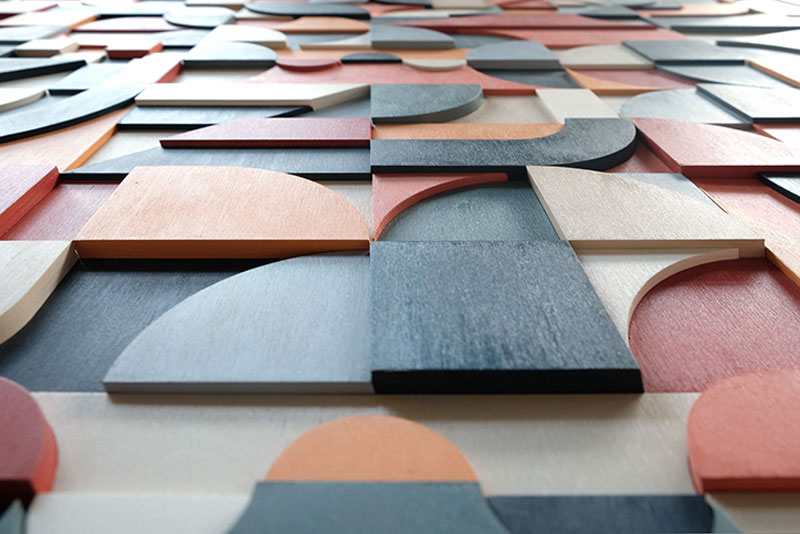
The artist works only with wood to create a depth to his work and a more warm texture. He arranges the shapes with a particular attention to details and gives a lot of rythm to the arrangements.
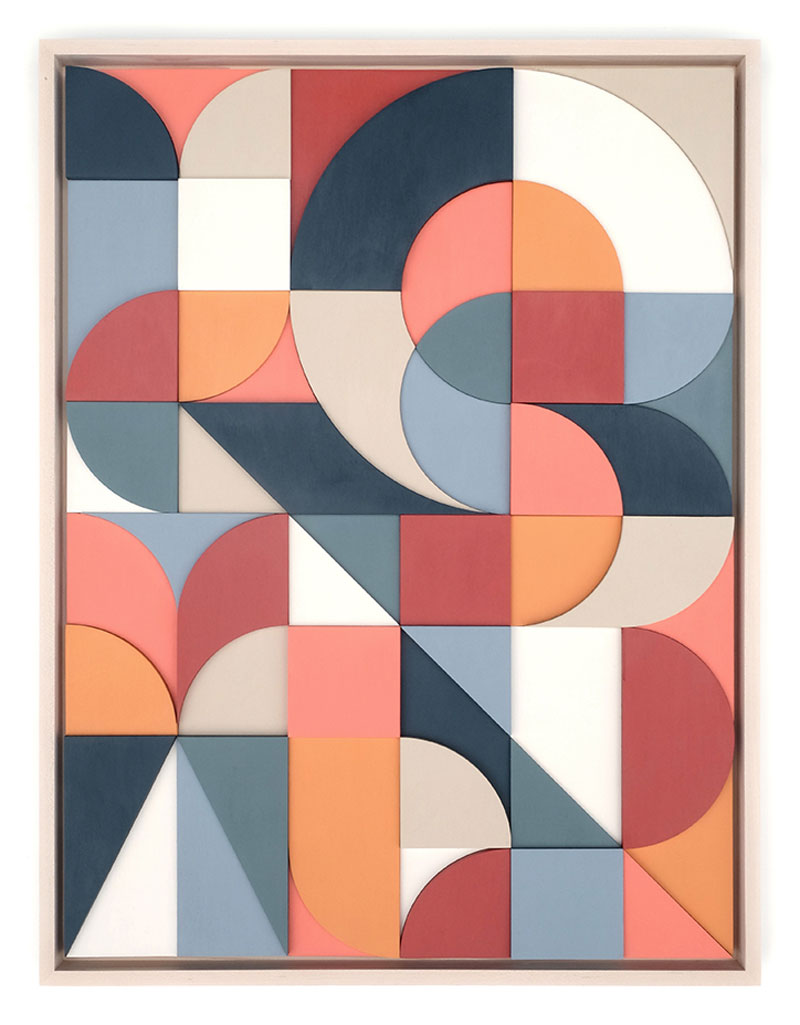
As a graphic designer by formation, Scott Albrecht has developed an interest for typography. He uses this passion for type in his artworks by rearranging typographic forms of various colors and shapes to design jazzy abstract compositions.
The artist works only with wood to create a depth to his work and a more warm texture. He arranges the shapes with a particular attention to details and gives a lot of rythm to the arrangements.
Animating elements, at its most basic, is fairly straightforward. Define the keyframes. Name the animation. Call it on an element.
But sometimes we need something a little more complex to get the right “feel” for the way things move. For example, a sound equalizer might use the same animation on each bar, but they are staggered to give the illusion of being animated independently.
I was recently building a dashboard and wanted the items in one of the widgets to flow into view with a staggered animation.
Just like the sound equalizer above, I started going down the :nth-child route. I used the unordered list (<ul>) as the parent container, gave it a class and employed the :nth-child pseudo selector to offset each list item with animaton-delay.
.my-list li {
  animation: my-animation 300ms ease-out;
}

.my-list li:nth-child(1) {
  animation-delay: 100ms;
}

.my-list li:nth-child(2) {
  animation-delay: 200ms;
}

.my-list li:nth-child(3) {
  animation-delay: 300ms;
}

/* and so on */
This technique does indeed stagger items well, particularly if you know how many items are going to be in the list at any given time. Where things fall apart, however, is when the number of items is unpredictable, which was the case for the widget I was building for the dashboard. I really didn’t want to come back to this piece of code every time the number of items in the list changed, so I knocked out a quick Sass loop that accounts for up to 50 items and increments the animation delay with each item:
.my-list {
  li {
    animation: my-animation 300ms ease-out;

    @for $i from 1 through 50 {
      &:nth-child(#{$i}) {
        animation-delay: 100ms * $i;
      }
    }
  }
}
That should do it! Yet, it feels way too hacky. Sure, it doesn’t add that much weight to the file, but you know the compiled CSS will include a bunch of unused selectors, like nth-child(45).
There must be a better way. This is where I would normally reach for JavaScript to find all of the items and add a delay but… this time I spent a little time exploring to see if there is a way to do it with CSS alone.
How about CSS counters?
The first thing I thought of was using a CSS counter in combination with the calc() function:
The browser support isn’t all that bad (pokes stick at Internet Explorer).
This browser support data is from Caniuse, which has more detail. A number indicates that browser supports the feature at that version and up.
Desktop
Chrome
Opera
Firefox
IE
Edge
Safari
49
36
31
No
16
9.1
Mobile / Tablet
iOS Safari
Opera Mobile
Opera Mini
Android
Android Chrome
Android Firefox
9.3
46
No
67
75
67
One of the great features of CSS is that it will ignore things it doesn’t understand, thanks to the cascade. That means everything will animate in into view together. If that’s not your bag, you can add a feature query to override a default animation:
.my-list li {
  animation: fallback-animation;
}

@supports (--variables) {
  .my-list li {
    animation: fancy-animation;
    animation-delay: calc(var(--animation-order) * 100ms);
  }
}
Vanilla CSS FTW
The more I stop and ask myself whether I need JavaScript, the more I’m amazed what CSS can do on its own. Sure, it would be nice if CSS counters could be used in a calc() function and it would be a pretty elegant solution. But for now, inline custom properties provide both a powerful and flexible way to solve this problem.
Šime posts regular content for web developers on webplatform.news.
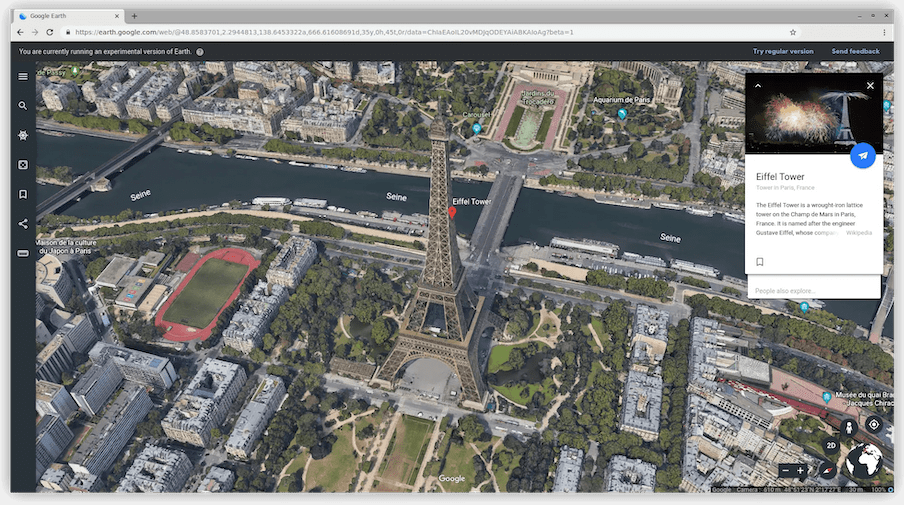
In this week’s news, Wikipedia helps identify three slow click handlers, Google Earth comes to the web, SVG properties in CSS get more support, and what to do in the event of zombie cookies.
Tracking down slow event handlers with Event Timing
Event Timing is experimentally available in Chrome (as an Origin Trial) and Wikipedia is taking part in the trial. This API can be used to accurately determine the duration of event handlers with the goal of surfacing slow events.
We quickly identified 3 very frequent slow click handlers experienced frequently by real users on Wikipedia. […] Two of those issues are caused by expensive JavaScript calls causing style recalculation and layout.
The preview version of Google Earth for Web (powered by WebAssembly) is now available. You can try it out in Chromium-based browsers and Firefox — it runs single-threaded in browsers that don’t yet have (re-)enabled SharedArrayBuffer — but not in Safari because of its lack of full support for WebGL2.
Firefox Nightly has implemented SVG geometry properties (x, y, r, etc.) in CSS. This feature is already supported in Chrome and Safari and is expected to ship in Firefox 69 in September.
Chrome and Firefox allow users to restore the previous browser session on startup. With this option enabled, closing the browser will not delete the user’s session cookies, nor empty the sessionStorage of web pages.
Given this session resumption behavior, it’s more important than ever to ensure that your site behaves reasonably upon receipt of an outdated session cookie (e.g. redirect the user to the login page instead of showing an error).
Matthias Ott, relaying an idea he heard from Derek Sivers:
Many personal websites, including this one here, have an “about” page. It’s a page that tells you something about the background of a person or about the services provided. But what this page often doesn’t answer – and neither do Twitter or Facebook pages – is what this person really is up to at the moment. A page that answers questions like: What are you focused on at this point in your life? What have you just started working on that excites you like nothing else? Did you just move to a new town? Did you start a new career as a Jengascript wrangler? To answer all those questions, Derek suggests to create a “now page”. A page that tells visitors of your site “what you’d tell a friend you hadn’t seen in a year.”
Very cool idea! Derek has a directory page of people who have done this.
I have more scattered thoughts:
It’s funny how social media sites aren’t very helpful with this. You’d think looking at someone’s social media profile would be the quickest and easiest way to catch up with what they are doing right now, but it just ain’t. That’s true for me, too. Random statements of what you’re working on don’t make very good social media posts. Maybe a pinned tweet could be like a „now” page, though.
I wonder if more homepages on people’s personal sites should be this. As I browse around some of the sites, I like a lot of the „now” pages more than I like the homepage.
I went with a „what I want you to do” section on my personal site. It’s a different vibe, but it almost doubles as a „now” page, as the things I want you to do are fairly related to the things I’m doing. Maybe the idea of a do page has some legs.
Insects like Mosquitoes and Cockroaches are more that just a disgusting pest in South East Asian countries. They are regarded as a threat to health and life as they carry dangerous diseases. So as soon as you see one, you’d want to kill it.
Most people still use non-category solutions to kill them—like stepping on roaches or swatting mosquitos with electric rackets. Even if inconvenient and messy–they can see the immediate effect.
All other insecticide sprays have very similar products claims like: works fast, kills immediately and lasts longer. In order to stand out, Baygon’s Multi Insect Killer with its new Double Nozzle needs a disruptive statement. One that would stand out visually and telegraph immediately to people that mosquitoes and roaches stand no chance of survival. That Baygon work a thousand time better than any stomp, swat or spray in killing pests.
Insects like Mosquitoes and Cockroaches are more that just a disgusting pest in South East Asian countries. They are regarded as a threat to health and life as they carry dangerous diseases. So as soon as you see one, you’d want to kill it.
Most people still use non-category solutions to kill them—like stepping on roaches or swatting mosquitos with electric rackets. Even if inconvenient and messy–they can see the immediate effect.
All other insecticide sprays have very similar products claims like: works fast, kills immediately and lasts longer. In order to stand out, Baygon’s Multi Insect Killer with its new Double Nozzle needs a disruptive statement. One that would stand out visually and telegraph immediately to people that mosquitoes and roaches stand no chance of survival. That Baygon work a thousand time better than any stomp, swat or spray in killing pests.
Insects like Mosquitoes and Cockroaches are more that just a disgusting pest in South East Asian countries. They are regarded as a threat to health and life as they carry dangerous diseases. So as soon as you see one, you’d want to kill it.
Most people still use non-category solutions to kill them—like stepping on roaches or swatting mosquitos with electric rackets. Even if inconvenient and messy–they can see the immediate effect.
All other insecticide sprays have very similar products claims like: works fast, kills immediately and lasts longer. In order to stand out, Baygon’s Multi Insect Killer with its new Double Nozzle needs a disruptive statement. One that would stand out visually and telegraph immediately to people that mosquitoes and roaches stand no chance of survival. That Baygon work a thousand time better than any stomp, swat or spray in killing pests.
Insects like Mosquitoes and Cockroaches are more that just a disgusting pest in South East Asian countries. They are regarded as a threat to health and life as they carry dangerous diseases. So as soon as you see one, you’d want to kill it.
Most people still use non-category solutions to kill them—like stepping on roaches or swatting mosquitos with electric rackets. Even if inconvenient and messy–they can see the immediate effect.
All other insecticide sprays have very similar products claims like: works fast, kills immediately and lasts longer. In order to stand out, Baygon’s Multi Insect Killer with its new Double Nozzle needs a disruptive statement. One that would stand out visually and telegraph immediately to people that mosquitoes and roaches stand no chance of survival. That Baygon work a thousand time better than any stomp, swat or spray in killing pests.