Wszystkie wpisy, których autorem jest admin

10 Basic Tips For Designing Great Logos Yourself from Designhill

Post pobrano z: 10 Basic Tips For Designing Great Logos Yourself from Designhill

Today, entrepreneurs and small business owners have a lot of
do-it-yourself tools available to create brand identities for themselves.
Budget-minded businesses can get by without spending lots of money on graphic
designers and advertising experts.

Designhill is a graphic design marketplace, who have created a logo maker tool that can help you design a logo in less than five minutes. It uses complex artificial intelligence alongside sound fundamentals to create great logos. They have helped more than 100,000 clients till date. With so much vast experience, they have come up with some great tips for designing great logos are a graphic design business, who have created a logo design tool that can help you design a logo in five minutes. It uses complex AI alongside sound fundamentals to create great logos.

When you create your own brand icon, it’s important to
account for the basics of logo design. These are fundamental principles on
which all experienced designers agree. Keep these simple principles in mind and
you stand a better chance of hitting the right notes with your new logo.

1. Use one or two colors – never more than three.

A rainbow of colors renders a logo cluttered and hard to
read. There’s also an economic factor; multi-color logos are more expensive to
print.

2. Use one or at most two fonts.

Assembling multiple fonts degrades the unity of your logo.
You want it to look like a single entity, not a collection of different ideas.

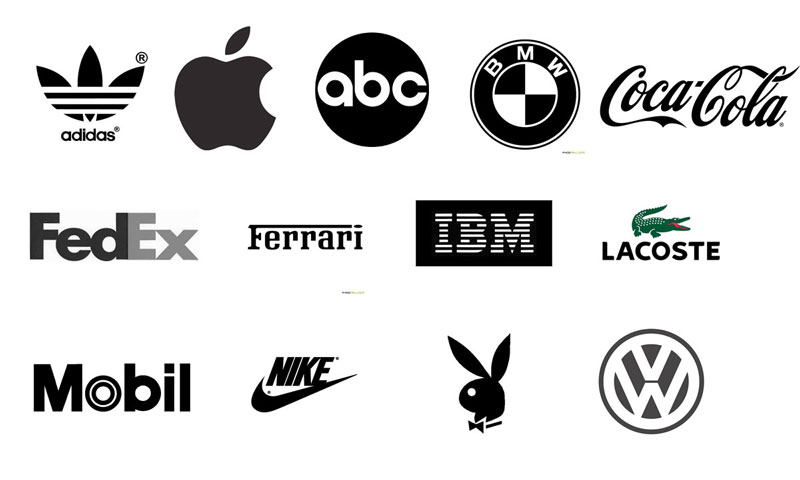
3. Check your logo’s black and white appearance.

The clarity and strength you’re looking for in a logo should
be discernible in black and white. Weaknesses in your design may be more
obvious when you convert it to black and white.
4. Check how your logo looks on both light and dark backgrounds.

Context matters with your logo. Apply it to light and dark
backgrounds and make sure it stands out on both.

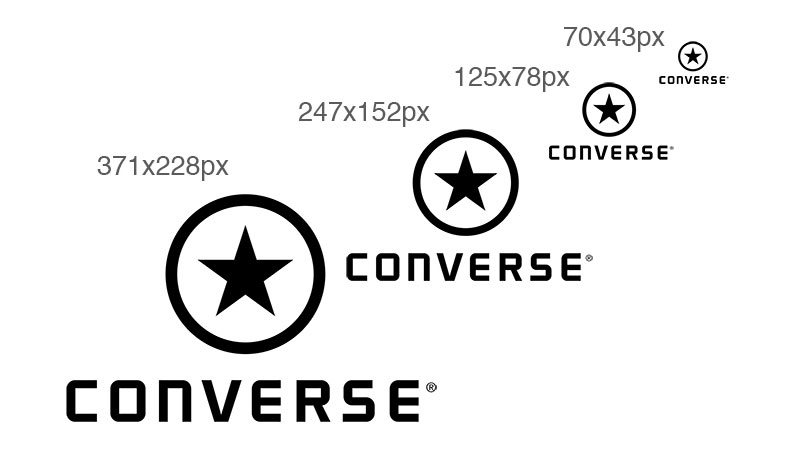
5. Aim for a logo that works at every size.

In a robust brand lifecycle, your logo will be appearing at
many different sizes. Aim for the sort of simplicity that scales up or down.
Whether your logo is on a billboard or a business card, it should still be
legible.
6. Steer clear of the third dimension.

Three-dimensional logos are trendy
at the moment. Adding a third dimension to your iconography multiplies the
challenge of designing it well. Stick to two-dimensional icons and maintain
your focus.

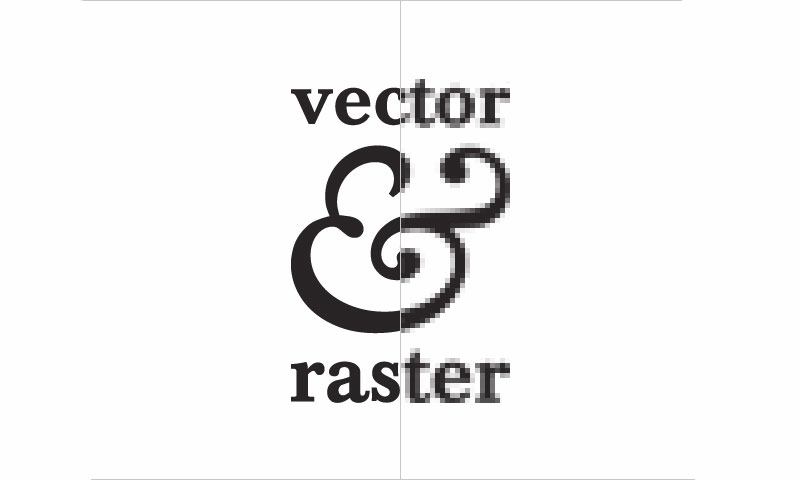
7. Format your logo as a vector file.

Your finished logo needs to be put into a vector image format. This defines
the image as geometric shapes rather than a collection of pixels. Vector images
scale perfectly and don’t lose quality when you resize them.
8. Stay away from shadows, bevelling, embossing, and gradients.

Some of the creative tools at your disposal are more trouble
than they’re worth. The techniques listed here are problematic because they can
be hard to reproduce. Gradients, for instance, don’t work well when applied to
merchandise (e.g. pens, mugs) via hot stamp printing. Gradients are also
difficult to emboss on fabric items like hats and clothes.

9. Don’t use photographs.

Photos have a range of potential downsides that make them
more trouble than they’re worth. Photos can age poorly, making your logo look
outdated. They are also hard to reproduce in many media from the web
to print.

10. Check your design’s negative space.

Bear in mind that the shapes you put into your logo leave
empty spaces that can be read as shapes themselves. This can be done
intentionally. The FedEx logo famously has a negative space arrow nestled
between the “E” and the “x,” for example. Examine the
negative space in your logo design to see if there’s anything unexpected or
undesirable lurking there.

10 Basic Tips For Designing Great Logos Yourself from Designhill

Post pobrano z: 10 Basic Tips For Designing Great Logos Yourself from Designhill

Today, entrepreneurs and small business owners have a lot of
do-it-yourself tools available to create brand identities for themselves.
Budget-minded businesses can get by without spending lots of money on graphic
designers and advertising experts.

Designhill is a graphic design marketplace, who have created a logo maker tool that can help you design a logo in less than five minutes. It uses complex artificial intelligence alongside sound fundamentals to create great logos. They have helped more than 100,000 clients till date. With so much vast experience, they have come up with some great tips for designing great logos are a graphic design business, who have created a logo design tool that can help you design a logo in five minutes. It uses complex AI alongside sound fundamentals to create great logos.

When you create your own brand icon, it’s important to
account for the basics of logo design. These are fundamental principles on
which all experienced designers agree. Keep these simple principles in mind and
you stand a better chance of hitting the right notes with your new logo.

1. Use one or two colors – never more than three.

A rainbow of colors renders a logo cluttered and hard to
read. There’s also an economic factor; multi-color logos are more expensive to
print.

2. Use one or at most two fonts.

Assembling multiple fonts degrades the unity of your logo.
You want it to look like a single entity, not a collection of different ideas.

3. Check your logo’s black and white appearance.

The clarity and strength you’re looking for in a logo should
be discernible in black and white. Weaknesses in your design may be more
obvious when you convert it to black and white.

4. Check how your logo looks on both light and dark backgrounds.

Context matters with your logo. Apply it to light and dark
backgrounds and make sure it stands out on both.

5. Aim for a logo that works at every size.

In a robust brand lifecycle, your logo will be appearing at
many different sizes. Aim for the sort of simplicity that scales up or down.
Whether your logo is on a billboard or a business card, it should still be
legible.

6. Steer clear of the third dimension.

Three-dimensional logos are trendy
at the moment. Adding a third dimension to your iconography multiplies the
challenge of designing it well. Stick to two-dimensional icons and maintain
your focus.

7. Format your logo as a vector file.

Your finished logo needs to be put into a vector image format. This defines
the image as geometric shapes rather than a collection of pixels. Vector images
scale perfectly and don’t lose quality when you resize them.

8. Stay away from shadows, bevelling, embossing, and gradients.

Some of the creative tools at your disposal are more trouble
than they’re worth. The techniques listed here are problematic because they can
be hard to reproduce. Gradients, for instance, don’t work well when applied to
merchandise (e.g. pens, mugs) via hot stamp printing. Gradients are also
difficult to emboss on fabric items like hats and clothes.

9. Don’t use photographs.

Photos have a range of potential downsides that make them
more trouble than they’re worth. Photos can age poorly, making your logo look
outdated. They are also hard to reproduce in many media from the web
to print.

10. Check your design’s negative space.

Bear in mind that the shapes you put into your logo leave
empty spaces that can be read as shapes themselves. This can be done
intentionally. The FedEx logo famously has a negative space arrow nestled
between the “E” and the “x,” for example. Examine the
negative space in your logo design to see if there’s anything unexpected or
undesirable lurking there.
10 Basic Tips For Designing Great Logos Yourself from Designhill

Post pobrano z: 10 Basic Tips For Designing Great Logos Yourself from Designhill

Today, entrepreneurs and small business owners have a lot of
do-it-yourself tools available to create brand identities for themselves.
Budget-minded businesses can get by without spending lots of money on graphic
designers and advertising experts.

Designhill is a graphic design marketplace, who have created a logo maker tool that can help you design a logo in less than five minutes. It uses complex artificial intelligence alongside sound fundamentals to create great logos. They have helped more than 100,000 clients till date. With so much vast experience, they have come up with some great tips for designing great logos are a graphic design business, who have created a logo design tool that can help you design a logo in five minutes. It uses complex AI alongside sound fundamentals to create great logos.

When you create your own brand icon, it’s important to
account for the basics of logo design. These are fundamental principles on
which all experienced designers agree. Keep these simple principles in mind and
you stand a better chance of hitting the right notes with your new logo.

1. Use one or two colors – never more than three.

A rainbow of colors renders a logo cluttered and hard to
read. There’s also an economic factor; multi-color logos are more expensive to
print.

2. Use one or at most two fonts.

Assembling multiple fonts degrades the unity of your logo.
You want it to look like a single entity, not a collection of different ideas.

3. Check your logo’s black and white appearance.

The clarity and strength you’re looking for in a logo should
be discernible in black and white. Weaknesses in your design may be more
obvious when you convert it to black and white.

4. Check how your logo looks on both light and dark backgrounds.

Context matters with your logo. Apply it to light and dark
backgrounds and make sure it stands out on both.

5. Aim for a logo that works at every size.

In a robust brand lifecycle, your logo will be appearing at
many different sizes. Aim for the sort of simplicity that scales up or down.
Whether your logo is on a billboard or a business card, it should still be
legible.

6. Steer clear of the third dimension.

Three-dimensional logos are trendy
at the moment. Adding a third dimension to your iconography multiplies the
challenge of designing it well. Stick to two-dimensional icons and maintain
your focus.

7. Format your logo as a vector file.

Your finished logo needs to be put into a vector image format. This defines
the image as geometric shapes rather than a collection of pixels. Vector images
scale perfectly and don’t lose quality when you resize them.

8. Stay away from shadows, bevelling, embossing, and gradients.

Some of the creative tools at your disposal are more trouble
than they’re worth. The techniques listed here are problematic because they can
be hard to reproduce. Gradients, for instance, don’t work well when applied to
merchandise (e.g. pens, mugs) via hot stamp printing. Gradients are also
difficult to emboss on fabric items like hats and clothes.

9. Don’t use photographs.

Photos have a range of potential downsides that make them
more trouble than they’re worth. Photos can age poorly, making your logo look
outdated. They are also hard to reproduce in many media from the web
to print.

10. Check your design’s negative space.

Bear in mind that the shapes you put into your logo leave
empty spaces that can be read as shapes themselves. This can be done
intentionally. The FedEx logo famously has a negative space arrow nestled
between the “E” and the “x,” for example. Examine the
negative space in your logo design to see if there’s anything unexpected or
undesirable lurking there.
10 Basic Tips For Designing Great Logos Yourself from Designhill

Post pobrano z: 10 Basic Tips For Designing Great Logos Yourself from Designhill

Today, entrepreneurs and small business owners have a lot of
do-it-yourself tools available to create brand identities for themselves.
Budget-minded businesses can get by without spending lots of money on graphic
designers and advertising experts.

Designhill is a graphic design marketplace, who have created a logo maker tool that can help you design a logo in less than five minutes. It uses complex artificial intelligence alongside sound fundamentals to create great logos. They have helped more than 100,000 clients till date. With so much vast experience, they have come up with some great tips for designing great logos are a graphic design business, who have created a logo design tool that can help you design a logo in five minutes. It uses complex AI alongside sound fundamentals to create great logos.

When you create your own brand icon, it’s important to
account for the basics of logo design. These are fundamental principles on
which all experienced designers agree. Keep these simple principles in mind and
you stand a better chance of hitting the right notes with your new logo.

1. Use one or two colors – never more than three.

A rainbow of colors renders a logo cluttered and hard to
read. There’s also an economic factor; multi-color logos are more expensive to
print.

2. Use one or at most two fonts.

Assembling multiple fonts degrades the unity of your logo.
You want it to look like a single entity, not a collection of different ideas.

3. Check your logo’s black and white appearance.

The clarity and strength you’re looking for in a logo should
be discernible in black and white. Weaknesses in your design may be more
obvious when you convert it to black and white.

4. Check how your logo looks on both light and dark backgrounds.

Context matters with your logo. Apply it to light and dark
backgrounds and make sure it stands out on both.

5. Aim for a logo that works at every size.

In a robust brand lifecycle, your logo will be appearing at
many different sizes. Aim for the sort of simplicity that scales up or down.
Whether your logo is on a billboard or a business card, it should still be
legible.

6. Steer clear of the third dimension.

Three-dimensional logos are trendy
at the moment. Adding a third dimension to your iconography multiplies the
challenge of designing it well. Stick to two-dimensional icons and maintain
your focus.

7. Format your logo as a vector file.

Your finished logo needs to be put into a vector image format. This defines
the image as geometric shapes rather than a collection of pixels. Vector images
scale perfectly and don’t lose quality when you resize them.

8. Stay away from shadows, bevelling, embossing, and gradients.

Some of the creative tools at your disposal are more trouble
than they’re worth. The techniques listed here are problematic because they can
be hard to reproduce. Gradients, for instance, don’t work well when applied to
merchandise (e.g. pens, mugs) via hot stamp printing. Gradients are also
difficult to emboss on fabric items like hats and clothes.

9. Don’t use photographs.

Photos have a range of potential downsides that make them
more trouble than they’re worth. Photos can age poorly, making your logo look
outdated. They are also hard to reproduce in many media from the web
to print.

10. Check your design’s negative space.

Bear in mind that the shapes you put into your logo leave
empty spaces that can be read as shapes themselves. This can be done
intentionally. The FedEx logo famously has a negative space arrow nestled
between the “E” and the “x,” for example. Examine the
negative space in your logo design to see if there’s anything unexpected or
undesirable lurking there.
Looking Beyond the Basics of Search Engine Optimization

Post pobrano z: Looking Beyond the Basics of Search Engine Optimization

Search engine optimization, or SEO, has become a common element of the
business world. Though it might be better to say that the idea of SEO has
become an active topic of discussion. In reality, proper SEO isn’t quite as
common as one might expect. And much of this has to do with the fact that SEO
is an active process. It’s not something which one can begin and then wipe
their hands of after a certain amount of time.

SEO can be a rather complex topic. But thankfully once someone understands the best practices for SEO friendly content it can become quite a bit easier. The most important starting point comes from the organization. Not simply in terms of what one plans to do, but also the reasoning behind it. Basically, it’s important to keep track of one’s underlying motivation for any task. The main reason for this is that SEO is an active process with no real end point. One needs to continually evaluate the overall business plan in terms of new information or results.

Of course one can start out by considering the major search engines. A plan
centering around how smart modern web engines are will start one off with the
right mindset. However, this is also the point where many people feel as if
their planning stage has reached its conclusion. When in fact, it’s actually
only the very start of everything. The main issue behind the confusion comes
from the term SEO itself. SEO stands for search engine optimization. So it’s
natural to think of search engines as the main entity targeted through SEO
design.

However, the main point of modern search engines is to read pages in a
similar way to people. A decade back one would try to specifically target
quirks in search engines. But today one needs to essentially assume that search
engines are similar to another person who’s reading the site. It’s simply that
the search engine comes with some unique importance in the overall scope of
one’s endeavor.

Targeting an audience in this way ensures that both search engines and users
get a full experience. Basically, one needs to assume that search engines are
smart. As such, one should, of course, ensure that SEO practices allow search
engines to read the full contents of a site. But beyond that, it’s vital to
next work on getting the reader’s attention. One should try to promote an
active participatory relationship to the page.

One isn’t directly selling to a search engine. But the search engine conveys
a site’s intent. By setting the site to push a particular message or sale than
the search engine can convey it to others as well. There’s also an issue of
maintaining that involvement. Modern search engines take note of optional
extras within a site. In fact, this can push overall rank of one’s site higher
within most search engines. Having more than just a single service shows search
engines that real effort has been put into the site.

The extras can take any number of forms. the from embedded social networking elements, maps, blogs or links to a forum. The important part is to offer ways for users to become more engaged with the site or brand. This works for users. And of course, search engines themselves won’t participate in any social element. But what they will do is take careful note that those elements exist. And this, in turn, can push overall site ranking upward. This doubles one’s overall return by helping with search engines and with direct sales.

The end effect of these efforts can be quite effective. The New York Times
recently highlighted some examples, including someone who doubled
their business thanks to SEO. And one should keep in mind that this wasn’t even
taking many of the additional sales factors into account.

To return to an earlier point, targeting search engines is only part of
one’s overall intent. Targeting search engines does improve ranking. And
improved ranking brings more eyes to one’s site. But proper SEO also
streamlines a site to the point where those new readers have added incentive to
engage with the site.

In the end, one of the main points of SEO is that it’s not a singular entity
or effect. Getting great results with SEO also means getting great results with
direct sales. It brings in search engines and users alike. And when properly
performed it even helps retain those users as returning customers.

Looking Beyond the Basics of Search Engine Optimization

Post pobrano z: Looking Beyond the Basics of Search Engine Optimization

Search engine optimization, or SEO, has become a common element of the
business world. Though it might be better to say that the idea of SEO has
become an active topic of discussion. In reality, proper SEO isn’t quite as
common as one might expect. And much of this has to do with the fact that SEO
is an active process. It’s not something which one can begin and then wipe
their hands of after a certain amount of time.

SEO can be a rather complex topic. But thankfully once someone understands the best practices for SEO friendly content it can become quite a bit easier. The most important starting point comes from the organization. Not simply in terms of what one plans to do, but also the reasoning behind it. Basically, it’s important to keep track of one’s underlying motivation for any task. The main reason for this is that SEO is an active process with no real end point. One needs to continually evaluate the overall business plan in terms of new information or results.

Of course one can start out by considering the major search engines. A plan
centering around how smart modern web engines are will start one off with the
right mindset. However, this is also the point where many people feel as if
their planning stage has reached its conclusion. When in fact, it’s actually
only the very start of everything. The main issue behind the confusion comes
from the term SEO itself. SEO stands for search engine optimization. So it’s
natural to think of search engines as the main entity targeted through SEO
design.

However, the main point of modern search engines is to read pages in a
similar way to people. A decade back one would try to specifically target
quirks in search engines. But today one needs to essentially assume that search
engines are similar to another person who’s reading the site. It’s simply that
the search engine comes with some unique importance in the overall scope of
one’s endeavor.

Targeting an audience in this way ensures that both search engines and users
get a full experience. Basically, one needs to assume that search engines are
smart. As such, one should, of course, ensure that SEO practices allow search
engines to read the full contents of a site. But beyond that, it’s vital to
next work on getting the reader’s attention. One should try to promote an
active participatory relationship to the page.

One isn’t directly selling to a search engine. But the search engine conveys
a site’s intent. By setting the site to push a particular message or sale than
the search engine can convey it to others as well. There’s also an issue of
maintaining that involvement. Modern search engines take note of optional
extras within a site. In fact, this can push overall rank of one’s site higher
within most search engines. Having more than just a single service shows search
engines that real effort has been put into the site.

The extras can take any number of forms. the from embedded social networking elements, maps, blogs or links to a forum. The important part is to offer ways for users to become more engaged with the site or brand. This works for users. And of course, search engines themselves won’t participate in any social element. But what they will do is take careful note that those elements exist. And this, in turn, can push overall site ranking upward. This doubles one’s overall return by helping with search engines and with direct sales.

The end effect of these efforts can be quite effective. The New York Times
recently highlighted some examples, including someone who doubled
their business thanks to SEO. And one should keep in mind that this wasn’t even
taking many of the additional sales factors into account.

To return to an earlier point, targeting search engines is only part of
one’s overall intent. Targeting search engines does improve ranking. And
improved ranking brings more eyes to one’s site. But proper SEO also
streamlines a site to the point where those new readers have added incentive to
engage with the site.

In the end, one of the main points of SEO is that it’s not a singular entity
or effect. Getting great results with SEO also means getting great results with
direct sales. It brings in search engines and users alike. And when properly
performed it even helps retain those users as returning customers.

Looking Beyond the Basics of Search Engine Optimization

Post pobrano z: Looking Beyond the Basics of Search Engine Optimization

Search engine optimization, or SEO, has become a common element of the
business world. Though it might be better to say that the idea of SEO has
become an active topic of discussion. In reality, proper SEO isn’t quite as
common as one might expect. And much of this has to do with the fact that SEO
is an active process. It’s not something which one can begin and then wipe
their hands of after a certain amount of time.

SEO can be a rather complex topic. But thankfully once someone understands the best practices for SEO friendly content it can become quite a bit easier. The most important starting point comes from the organization. Not simply in terms of what one plans to do, but also the reasoning behind it. Basically, it’s important to keep track of one’s underlying motivation for any task. The main reason for this is that SEO is an active process with no real end point. One needs to continually evaluate the overall business plan in terms of new information or results.

Of course one can start out by considering the major search engines. A plan
centering around how smart modern web engines are will start one off with the
right mindset. However, this is also the point where many people feel as if
their planning stage has reached its conclusion. When in fact, it’s actually
only the very start of everything. The main issue behind the confusion comes
from the term SEO itself. SEO stands for search engine optimization. So it’s
natural to think of search engines as the main entity targeted through SEO
design.

However, the main point of modern search engines is to read pages in a
similar way to people. A decade back one would try to specifically target
quirks in search engines. But today one needs to essentially assume that search
engines are similar to another person who’s reading the site. It’s simply that
the search engine comes with some unique importance in the overall scope of
one’s endeavor.

Targeting an audience in this way ensures that both search engines and users
get a full experience. Basically, one needs to assume that search engines are
smart. As such, one should, of course, ensure that SEO practices allow search
engines to read the full contents of a site. But beyond that, it’s vital to
next work on getting the reader’s attention. One should try to promote an
active participatory relationship to the page.

One isn’t directly selling to a search engine. But the search engine conveys
a site’s intent. By setting the site to push a particular message or sale than
the search engine can convey it to others as well. There’s also an issue of
maintaining that involvement. Modern search engines take note of optional
extras within a site. In fact, this can push overall rank of one’s site higher
within most search engines. Having more than just a single service shows search
engines that real effort has been put into the site.

The extras can take any number of forms. the from embedded social networking elements, maps, blogs or links to a forum. The important part is to offer ways for users to become more engaged with the site or brand. This works for users. And of course, search engines themselves won’t participate in any social element. But what they will do is take careful note that those elements exist. And this, in turn, can push overall site ranking upward. This doubles one’s overall return by helping with search engines and with direct sales.

The end effect of these efforts can be quite effective. The New York Times
recently highlighted some examples, including someone who doubled
their business thanks to SEO. And one should keep in mind that this wasn’t even
taking many of the additional sales factors into account.

To return to an earlier point, targeting search engines is only part of
one’s overall intent. Targeting search engines does improve ranking. And
improved ranking brings more eyes to one’s site. But proper SEO also
streamlines a site to the point where those new readers have added incentive to
engage with the site.

In the end, one of the main points of SEO is that it’s not a singular entity
or effect. Getting great results with SEO also means getting great results with
direct sales. It brings in search engines and users alike. And when properly
performed it even helps retain those users as returning customers.

Looking Beyond the Basics of Search Engine Optimization

Post pobrano z: Looking Beyond the Basics of Search Engine Optimization

Search engine optimization, or SEO, has become a common element of the
business world. Though it might be better to say that the idea of SEO has
become an active topic of discussion. In reality, proper SEO isn’t quite as
common as one might expect. And much of this has to do with the fact that SEO
is an active process. It’s not something which one can begin and then wipe
their hands of after a certain amount of time.

SEO can be a rather complex topic. But thankfully once someone understands the best practices for SEO friendly content it can become quite a bit easier. The most important starting point comes from the organization. Not simply in terms of what one plans to do, but also the reasoning behind it. Basically, it’s important to keep track of one’s underlying motivation for any task. The main reason for this is that SEO is an active process with no real end point. One needs to continually evaluate the overall business plan in terms of new information or results.

Of course one can start out by considering the major search engines. A plan
centering around how smart modern web engines are will start one off with the
right mindset. However, this is also the point where many people feel as if
their planning stage has reached its conclusion. When in fact, it’s actually
only the very start of everything. The main issue behind the confusion comes
from the term SEO itself. SEO stands for search engine optimization. So it’s
natural to think of search engines as the main entity targeted through SEO
design.

However, the main point of modern search engines is to read pages in a
similar way to people. A decade back one would try to specifically target
quirks in search engines. But today one needs to essentially assume that search
engines are similar to another person who’s reading the site. It’s simply that
the search engine comes with some unique importance in the overall scope of
one’s endeavor.

Targeting an audience in this way ensures that both search engines and users
get a full experience. Basically, one needs to assume that search engines are
smart. As such, one should, of course, ensure that SEO practices allow search
engines to read the full contents of a site. But beyond that, it’s vital to
next work on getting the reader’s attention. One should try to promote an
active participatory relationship to the page.

One isn’t directly selling to a search engine. But the search engine conveys
a site’s intent. By setting the site to push a particular message or sale than
the search engine can convey it to others as well. There’s also an issue of
maintaining that involvement. Modern search engines take note of optional
extras within a site. In fact, this can push overall rank of one’s site higher
within most search engines. Having more than just a single service shows search
engines that real effort has been put into the site.

The extras can take any number of forms. the from embedded social networking elements, maps, blogs or links to a forum. The important part is to offer ways for users to become more engaged with the site or brand. This works for users. And of course, search engines themselves won’t participate in any social element. But what they will do is take careful note that those elements exist. And this, in turn, can push overall site ranking upward. This doubles one’s overall return by helping with search engines and with direct sales.

The end effect of these efforts can be quite effective. The New York Times
recently highlighted some examples, including someone who doubled
their business thanks to SEO. And one should keep in mind that this wasn’t even
taking many of the additional sales factors into account.

To return to an earlier point, targeting search engines is only part of
one’s overall intent. Targeting search engines does improve ranking. And
improved ranking brings more eyes to one’s site. But proper SEO also
streamlines a site to the point where those new readers have added incentive to
engage with the site.

In the end, one of the main points of SEO is that it’s not a singular entity
or effect. Getting great results with SEO also means getting great results with
direct sales. It brings in search engines and users alike. And when properly
performed it even helps retain those users as returning customers.

Colorful graphic identity for youth theatre Schauburg

Post pobrano z: Colorful graphic identity for youth theatre Schauburg

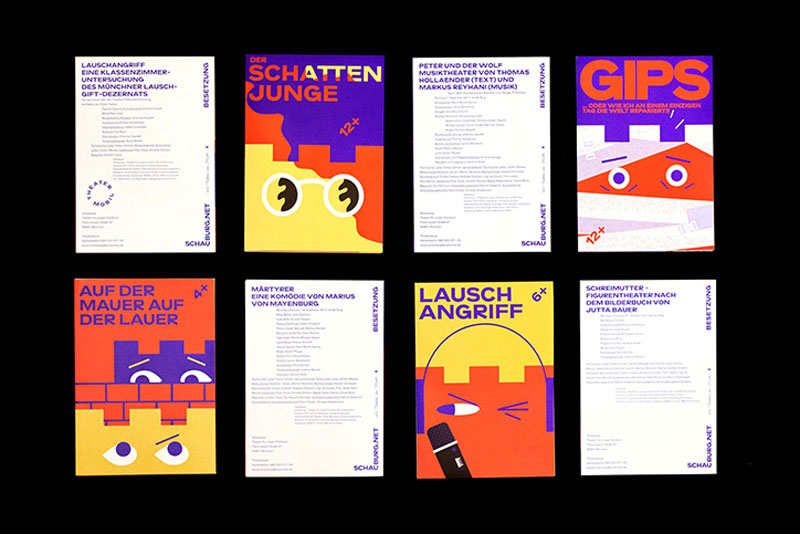
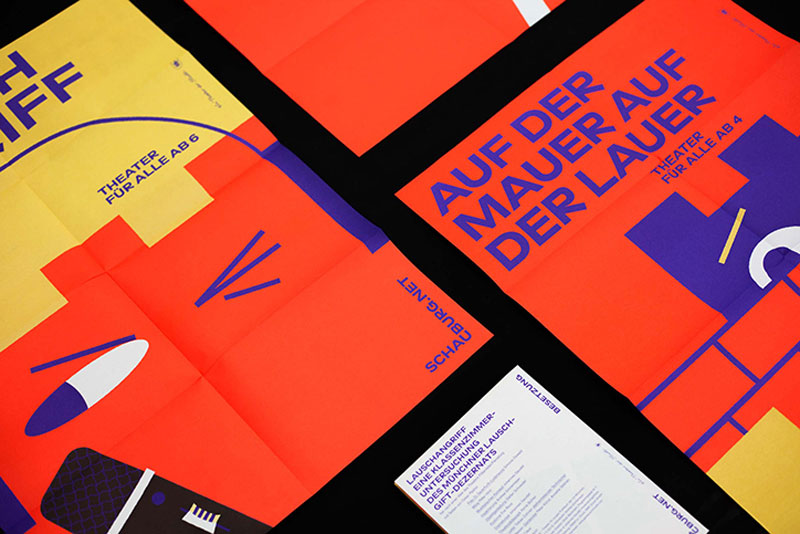
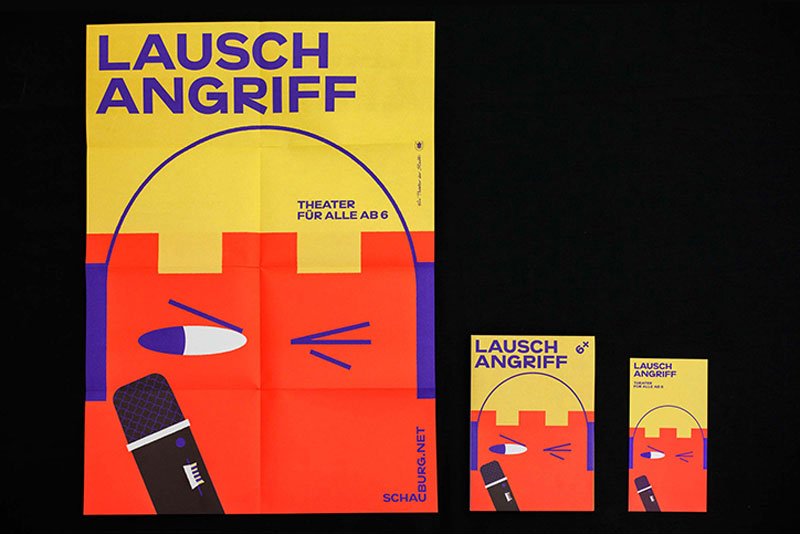
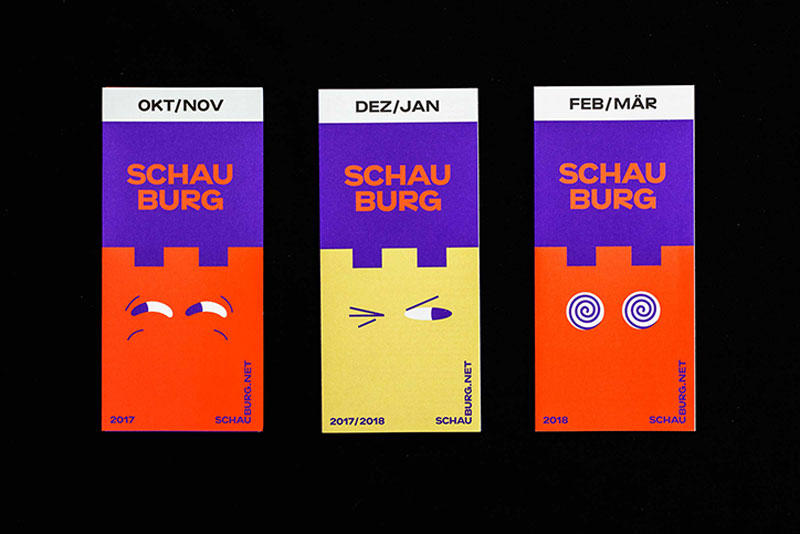
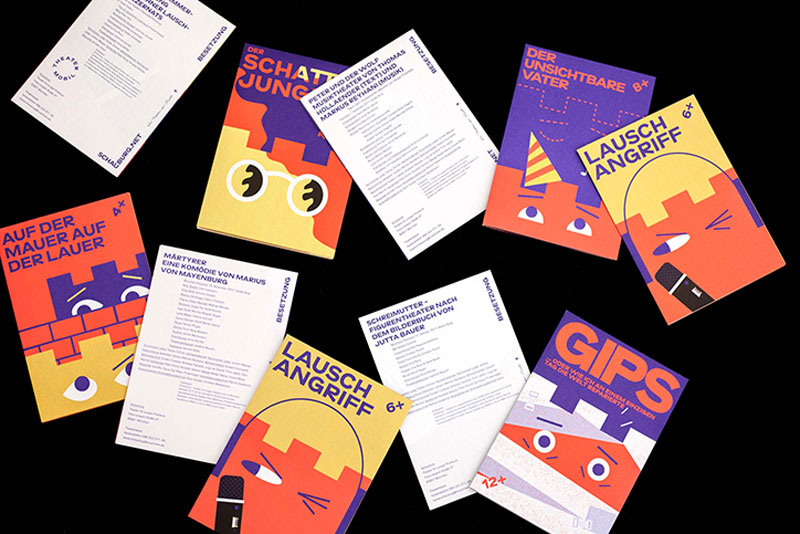
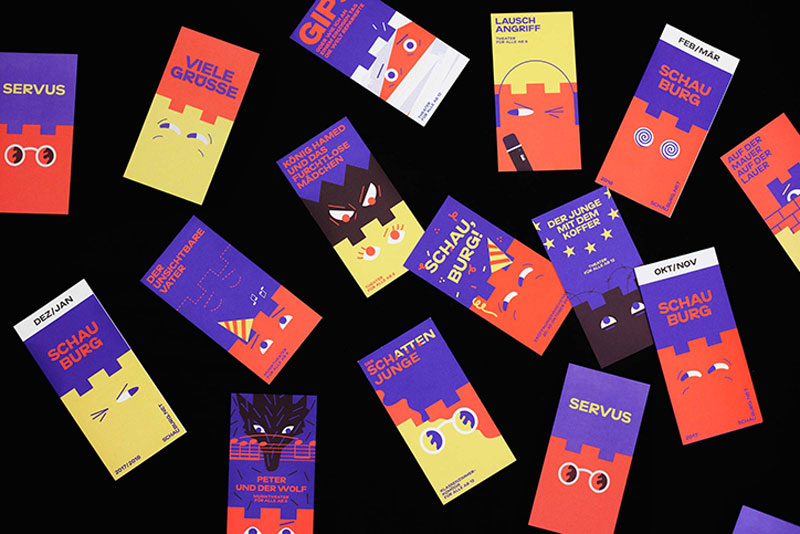
Parat.cc is a multi-disciplinary design studio based in Münich and Zürich. One of their recent work was a mandate to redesign the visual identity of Münich’s oldest children theater.

For this, the designers went for bold colorful colors and playful visuals that include expressive eyes that give a scope of the emotions the children will experience at the theater.

Colorful graphic identity for youth theatre Schauburg

Post pobrano z: Colorful graphic identity for youth theatre Schauburg

Parat.cc is a multi-disciplinary design studio based in Münich and Zürich. One of their recent work was a mandate to redesign the visual identity of Münich’s oldest children theater.

For this, the designers went for bold colorful colors and playful visuals that include expressive eyes that give a scope of the emotions the children will experience at the theater.