Wikipedia is banned in Turkey. 80 million Turks are without access to free knowledge as the Turkish government controls the internet. But we found a way to give them Wikipedia back. Through an FM radio pirate station.
Note the double-colon ::before versus the single-colon :before. Which one is correct?
Technically, the correct answer is ::before. But that doesn’t mean you should automatically use it.
The situation is that:
double-colon selectors are pseudo-elements.
single-colon selectors are pseudo-selectors.
::before is definitely a pseudo-element, so it should use the double colon.
The distinction between a pseudo-element and pseudo-selector is already confusing. Fortunately, ::after and ::before are fairly straightforward. They literally add something new to the page, an element.
But something like ::first-letter is also a pseudo-element. The way I reason that out in my brain is that it’s selecting a part of something in which there is no existing HTML element for. There is no <span> around that first letter you’re targeting, so that first letter is almost like a new element you’re adding on the page. That differs from pseudo-selectors which are selecting things that already exist, like the :nth-child(2) or whatever.
Even though ::before is a pseudo-element and a double-colon is the correct way to use pseudo-elements, should you?
There is an argument that perhaps you should use :before, which goes like this:
Internet Explorer 8 and below only supported :before, not ::before
All modern browsers support it both ways, since tons of sites use :before and browsers really value backwards compatibility.
Hey it’s one less character as a bonus.
I’ve heard people say that they have a CSS linter that requires (or automates) them to be single-colon. Personally, I’m OK with people doing that. Seems fine. I’d value consistency over which way you choose to go.
On the flip side, there’s an argument for going with ::before that goes like this:
Single-colon pseudo-elements were a mistake. There will never be any more pseudo-elements with a single-colon.
If you have the distinction straight in your mind, might as well train your fingers to do it right.
This is already confusing enough, so let’s just follow the correctly specced way.
I’ve got my linter set up to force me to do double-colons. I don’t support Internet Explorer 8 anyway and it feels good to be doing things the „right” way.
An outstanding logo reflects the tone, vision, and values of your company or brand. It is your first impression to the outside world, one that can affect a client’s brand awareness, buying decision, and general attitude towards a certain product. Ensuring your business has an appealing and effective identity is critical.
With many logo design services dishing out substandard logos in bulk, finding a competent designer who can come up with amazing concepts and create wonderful designs can prove to be a daunting task. Below are the top qualities of a competent logo design professional and where to find one.
1. An Outstanding Portfolio
If you want to know the skill level of your prospective logo designer, look at their previous identity projects. This way, you will know what to expect from the designer in terms of quality, reliability, and professionalism. Positive testimonials and reviews from former customers and colleagues will tell you whether a particular designer can be relied on or not. Verify the validity of the reviews and testimonials by checking the web address or contacting the company.
2. Effective Communication Skills
The primary job of a designer is to communicate your story, ideas, and brand. However, the professional also needs excellent communication skills to explain, charm, and negotiate for their work. They should be able to maintain professionalism in tricky circumstances and to be transparent with you on the brief. The logo design expert should respond to your questions professionally and courteously.
3. A Holistic Design Process
Does your designer follow a holistic logo design process or do they produce logos like fast food? A reliable design process can’t take less than 48 hours to complete. Consider how long you want your logo to be relevant – do you want to work with a designer who will research and design it in under 48 hours? A competent designer should strive to understand the nature and marketing needs of your business before embarking on the design process. They should be conversant with designs that are currently trending. There is no definite time frame since logo design needs vary from one client to another, but for small and medium companies, a rough estimate would be anywhere from 2 to 6 weeks.
4. Knows the Value of Color, Typeface, & Icon Design
An amazing logo designer understands the importance of using meaningful colors. Various colors and shades can impact on people in various ways due to color associations. Green is linked to the environment, development, and renewal, and it is ideal for businesses with garden centers or go green initiatives. However, people also associate green with sickness, and it would be a poor option for stomach relief medications.
Your designer should use proper typeface. They may go for bold, exhilarating fonts, or feminine wavy fonts, but they should avoid harsh, bulky lettering when dealing with a ballet company. They should also avoid graceful, faint lettering when dealing with a football team. When designing the icon, the designer should incorporate some elaborate features without compromising the ability of the logo to make a swift statement.
5. Research and Analytical Skills
Competent designers conduct thorough research to familiarize themselves with new trends in the logo design industry. They also analyze the market to unearth new ideas that they can incorporate into their design. They also compare their designs with those of their competitors to identify concepts they can tweak a bit to suit the needs of their clients.
6. Academic Qualification
A good designer must have completed a course, preferably a degree in the relevant field, at a recognized university. Working with an expert who has both theoretical and practical knowledge ensures that you will get quality service.
ONEOUT Creative is one of the top designers across the globe. They specialize in creating outstanding customized professional logos, which outshine logos from competitors. Located in Australia, these reputable Brisbane logo designers meet all the qualities that make a great logo designer. Apart from having an unparalleled creative design experience, they also have a wealth of marketing and brand building knowledge. Therefore, they will not only give you a logo that you’ll cherish but also professional advice to help you market your business.
Where Do You Find a Good Logo Designer?
Create a Budget Ideally, the cost of appealing logo designs, which catch the attention of your clients quickly, is anywhere from a few hundred to thousands of dollars. Thus, having a budget allows you to know how much you are comfortable spending on the logo.
Google Search and Narrow Your Options Google search designers available within your locality and go through reviews of every brilliant company you come across. This way, you can narrow your search to a few companies to simplify the selection process.
Compare Portfolios Portfolios are essential materials that can help you do an up-close assessment of the skills of different designers and the quality of their designs. Check if they have the logo designs you are looking for in their portfolio. Apart from the quality, assess the logos’ aesthetical details to establish whether it adheres to the current trends or not. After doing a thorough comparison of various portfolios, you should select two or three that appeals more to you.
Design Affiliations Are your potential designers affiliated with any publications or design associations? Affiliation to at least one professional association is an indication that they are committed to their craft.
Work Closely with Your Designer A qualified and experienced designer usually carries out a face-to-face session whose purpose is to understand the mission, values, and tones of your company or brand. Big brands can respond to these questions quickly and effectively since they already have their brand’s mission statement in mind. However, startups may have a hard time since they are still in the take-off stage. So, know what you want from the designer and cooperate well with them throughout the design process.
With tons of options available, finding the best designer for your unique needs is daunting. You should take time to compare different designers before settling for one. Review their portfolios, logos, reputation, level of experience, and reliability. Use the tips discussed in this article to make your work easier.
An outstanding logo reflects the tone, vision, and values of your company or brand. It is your first impression to the outside world, one that can affect a client’s brand awareness, buying decision, and general attitude towards a certain product. Ensuring your business has an appealing and effective identity is critical.
With many logo design services dishing out substandard logos in bulk, finding a competent designer who can come up with amazing concepts and create wonderful designs can prove to be a daunting task. Below are the top qualities of a competent logo design professional and where to find one.
1. An Outstanding Portfolio
If you want to know the skill level of your prospective logo designer, look at their previous identity projects. This way, you will know what to expect from the designer in terms of quality, reliability, and professionalism. Positive testimonials and reviews from former customers and colleagues will tell you whether a particular designer can be relied on or not. Verify the validity of the reviews and testimonials by checking the web address or contacting the company.
2. Effective Communication Skills
The primary job of a designer is to communicate your story, ideas, and brand. However, the professional also needs excellent communication skills to explain, charm, and negotiate for their work. They should be able to maintain professionalism in tricky circumstances and to be transparent with you on the brief. The logo design expert should respond to your questions professionally and courteously.
3. A Holistic Design Process
Does your designer follow a holistic logo design process or do they produce logos like fast food? A reliable design process can’t take less than 48 hours to complete. Consider how long you want your logo to be relevant – do you want to work with a designer who will research and design it in under 48 hours? A competent designer should strive to understand the nature and marketing needs of your business before embarking on the design process. They should be conversant with designs that are currently trending. There is no definite time frame since logo design needs vary from one client to another, but for small and medium companies, a rough estimate would be anywhere from 2 to 6 weeks.
4. Knows the Value of Color, Typeface, & Icon Design
An amazing logo designer understands the importance of using meaningful colors. Various colors and shades can impact on people in various ways due to color associations. Green is linked to the environment, development, and renewal, and it is ideal for businesses with garden centers or go green initiatives. However, people also associate green with sickness, and it would be a poor option for stomach relief medications.
Your designer should use proper typeface. They may go for bold, exhilarating fonts, or feminine wavy fonts, but they should avoid harsh, bulky lettering when dealing with a ballet company. They should also avoid graceful, faint lettering when dealing with a football team. When designing the icon, the designer should incorporate some elaborate features without compromising the ability of the logo to make a swift statement.
5. Research and Analytical Skills
Competent designers conduct thorough research to familiarize themselves with new trends in the logo design industry. They also analyze the market to unearth new ideas that they can incorporate into their design. They also compare their designs with those of their competitors to identify concepts they can tweak a bit to suit the needs of their clients.
6. Academic Qualification
A good designer must have completed a course, preferably a degree in the relevant field, at a recognized university. Working with an expert who has both theoretical and practical knowledge ensures that you will get quality service.
ONEOUT Creative is one of the top designers across the globe. They specialize in creating outstanding customized professional logos, which outshine logos from competitors. Located in Australia, these reputable Brisbane logo designers meet all the qualities that make a great logo designer. Apart from having an unparalleled creative design experience, they also have a wealth of marketing and brand building knowledge. Therefore, they will not only give you a logo that you’ll cherish but also professional advice to help you market your business.
Where Do You Find a Good Logo Designer?
Create a Budget Ideally, the cost of appealing logo designs, which catch the attention of your clients quickly, is anywhere from a few hundred to thousands of dollars. Thus, having a budget allows you to know how much you are comfortable spending on the logo.
Google Search and Narrow Your Options Google search designers available within your locality and go through reviews of every brilliant company you come across. This way, you can narrow your search to a few companies to simplify the selection process.
Compare Portfolios Portfolios are essential materials that can help you do an up-close assessment of the skills of different designers and the quality of their designs. Check if they have the logo designs you are looking for in their portfolio. Apart from the quality, assess the logos’ aesthetical details to establish whether it adheres to the current trends or not. After doing a thorough comparison of various portfolios, you should select two or three that appeals more to you.
Design Affiliations Are your potential designers affiliated with any publications or design associations? Affiliation to at least one professional association is an indication that they are committed to their craft.
Work Closely with Your Designer A qualified and experienced designer usually carries out a face-to-face session whose purpose is to understand the mission, values, and tones of your company or brand. Big brands can respond to these questions quickly and effectively since they already have their brand’s mission statement in mind. However, startups may have a hard time since they are still in the take-off stage. So, know what you want from the designer and cooperate well with them throughout the design process.
With tons of options available, finding the best designer for your unique needs is daunting. You should take time to compare different designers before settling for one. Review their portfolios, logos, reputation, level of experience, and reliability. Use the tips discussed in this article to make your work easier.
In our day and age, a company’s image is just as important as the functionality of its products. The fast-paced world we live in, the mushrooming more brands and the overload of information, all require intelligent design processes that ensure a brand’s uniqueness and longevity.
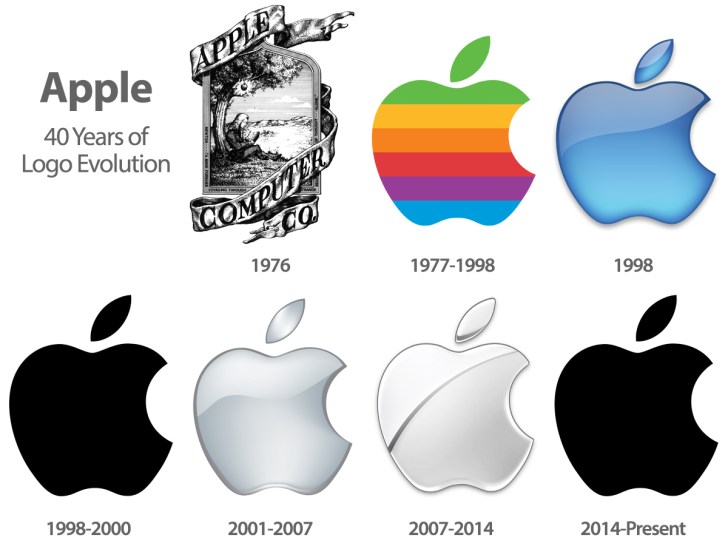
Successful companies such as Apple or Coca-Cola have long proven the paramount status of a brand’s image, and more and more companies are measured first and foremost by their creative accomplishments.
According to a recent Forrester report, businesses that put their main focus on design and customer experience have seen increases in revenue by as much as 36%. In addition, almost half of all design-driven companies have managed to exceed their business goals for the year 2017. This goes to show that the role of design is becoming increasingly important, no matter the size of the business. Here are a few important things to keep in mind when it comes to your company’s image.
Designing a Brand Logo
Design does not only fulfill certain functional needs of a customer but also emotional ones. As a matter of fact, many people make their purchase choices solely based on the design experience. It is what people remember and recognize and how they establish an emotional bond with a specific brand. A brand’s design is therefore a powerful marketing tool and should always be well-considered.
The logo is the most crucial element of a brand’s overall image. It is essentially the face of the company and the icon that stands for everything connected to it. Brand logos should be:
Easily recognizable
Flexible and adjustable
Unique and innovative
The golden rule is: Less is more. Naturally, a brand logo should always be original and stand out from its competitors, yet the simpler the design, the better the logo. Always keep in mind that a brand’s icon will appear in many different places, be put against different backdrops and reproduced in various sizes and formats. Too much detail in the logo’s design will easily be lost. The most successful brand logos are usually known for their simplicity, which makes them instantly recognizable and reproducible.
It is also vital to create an icon that is flexible in the sense that you can make minor alterations over the course of time to keep it up to date. For instance, one might want a “fresher” or “younger” look for their company at a certain point, so make sure this is also feasible with the logo. Choose a contemporary design over a trendy one. Whereas the latter is likely to go out of style within a matter of years, a contemporary design will still be interesting even after a long time. Starbucks, for example, actually dropped all words from its logo in 2011, relying on the iconic mermaid image to represent the brand. Interestingly, Gap attempted to update its logo in 2010, only to revert back to its original design after a public backlash.
Flyers, Posters and Brochures
Despite the almost endless amount of software tools and templates which make it fairly easy to design posters, flyers and other marketing tools, there is much more to creating a truly powerful design. The design should always be:
Simple
Memorable
Inventive
Of high quality
For instance, before getting leaflet printing done through a place like print24, make sure to select the highest possible quality for print and paper to increase the design value. This is because anyone accepting a leaflet from someone on the street or finding one in a café definitely won’t be tempted to read the information if the presentation is poor.
The design itself should always be kept basic. An overload of information is not going to have the desired impact, but is most likely going to deter the reader from having a closer look. Nothing should be left to chance and every detail of the design should serve a purpose, from color to layout to font.
Keep in mind that it doesn’t take much to catch the attention of your target audience, as too much information will most likely put them off. Overall, if you think the design of something as trivial as a flyer has no impact on your business, then you’re wrong. Image is everything, and every aspect of your company should be treated equally, from the logo all the way down to a business card.
In our day and age, a company’s image is just as important as the functionality of its products. The fast-paced world we live in, the mushrooming more brands and the overload of information, all require intelligent design processes that ensure a brand’s uniqueness and longevity.
Successful companies such as Apple or Coca-Cola have long proven the paramount status of a brand’s image, and more and more companies are measured first and foremost by their creative accomplishments.
According to a recent Forrester report, businesses that put their main focus on design and customer experience have seen increases in revenue by as much as 36%. In addition, almost half of all design-driven companies have managed to exceed their business goals for the year 2017. This goes to show that the role of design is becoming increasingly important, no matter the size of the business. Here are a few important things to keep in mind when it comes to your company’s image.
Designing a Brand Logo
Design does not only fulfill certain functional needs of a customer but also emotional ones. As a matter of fact, many people make their purchase choices solely based on the design experience. It is what people remember and recognize and how they establish an emotional bond with a specific brand. A brand’s design is therefore a powerful marketing tool and should always be well-considered.
The logo is the most crucial element of a brand’s overall image. It is essentially the face of the company and the icon that stands for everything connected to it. Brand logos should be:
Easily recognizable
Flexible and adjustable
Unique and innovative
The golden rule is: Less is more. Naturally, a brand logo should always be original and stand out from its competitors, yet the simpler the design, the better the logo. Always keep in mind that a brand’s icon will appear in many different places, be put against different backdrops and reproduced in various sizes and formats. Too much detail in the logo’s design will easily be lost. The most successful brand logos are usually known for their simplicity, which makes them instantly recognizable and reproducible.
It is also vital to create an icon that is flexible in the sense that you can make minor alterations over the course of time to keep it up to date. For instance, one might want a “fresher” or “younger” look for their company at a certain point, so make sure this is also feasible with the logo. Choose a contemporary design over a trendy one. Whereas the latter is likely to go out of style within a matter of years, a contemporary design will still be interesting even after a long time. Starbucks, for example, actually dropped all words from its logo in 2011, relying on the iconic mermaid image to represent the brand. Interestingly, Gap attempted to update its logo in 2010, only to revert back to its original design after a public backlash.
Flyers, Posters and Brochures
Despite the almost endless amount of software tools and templates which make it fairly easy to design posters, flyers and other marketing tools, there is much more to creating a truly powerful design. The design should always be:
Simple
Memorable
Inventive
Of high quality
For instance, before getting leaflet printing done through a place like print24, make sure to select the highest possible quality for print and paper to increase the design value. This is because anyone accepting a leaflet from someone on the street or finding one in a café definitely won’t be tempted to read the information if the presentation is poor.
The design itself should always be kept basic. An overload of information is not going to have the desired impact, but is most likely going to deter the reader from having a closer look. Nothing should be left to chance and every detail of the design should serve a purpose, from color to layout to font.
Keep in mind that it doesn’t take much to catch the attention of your target audience, as too much information will most likely put them off. Overall, if you think the design of something as trivial as a flyer has no impact on your business, then you’re wrong. Image is everything, and every aspect of your company should be treated equally, from the logo all the way down to a business card.
WooCommerce is a powerful eCommerce solution for WordPress sites. If you’re like me, and like working with WordPress and have WordPress-powered sites already, WooCommerce is a no-brainer for helping you sell things online on those sites. But even if you don’t already have a WordPress site, WooCommerce is so good I think it would make sense to spin up a WordPress site so you could use it for your eCommerce solution.
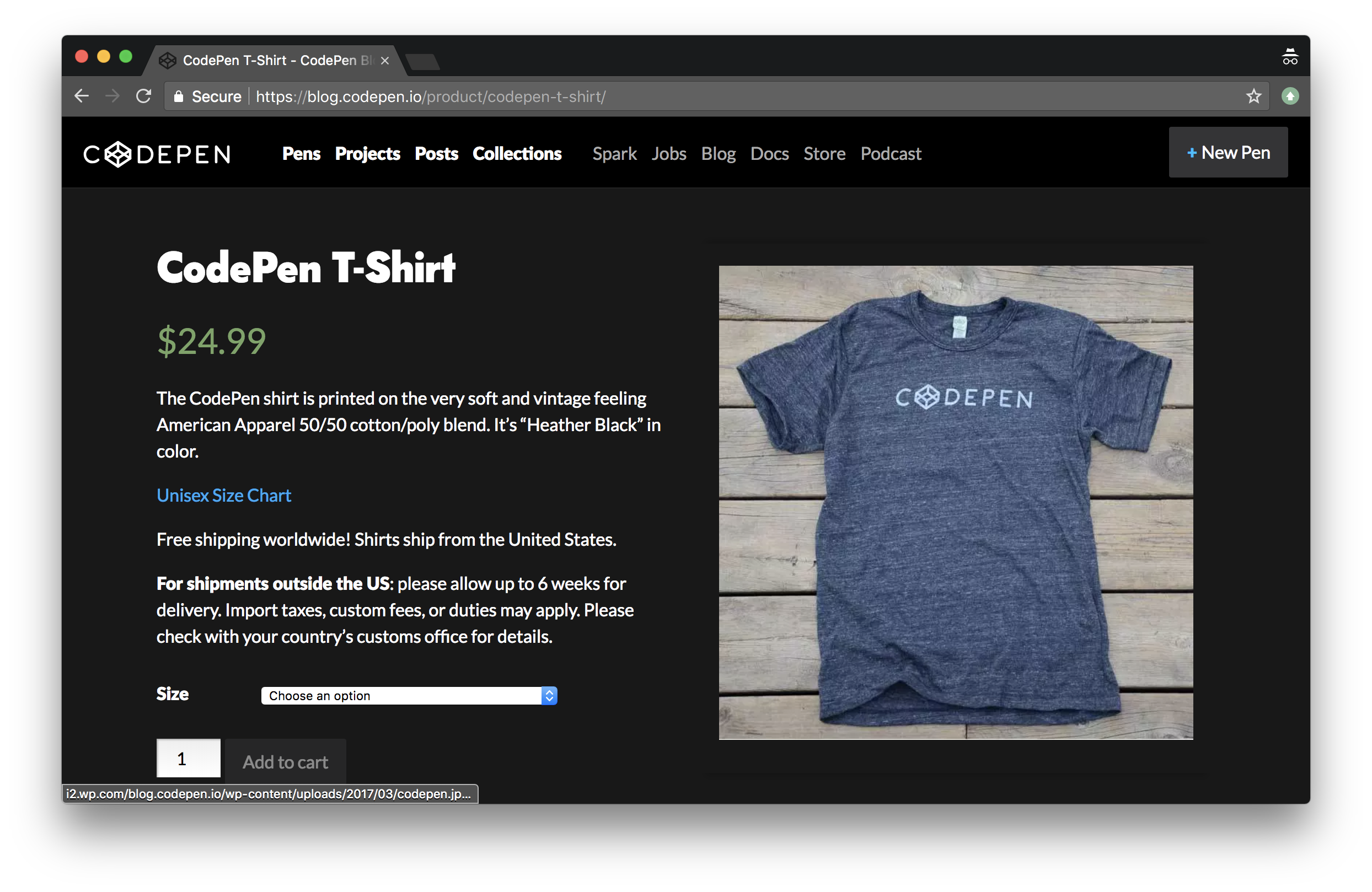
Personally, I’ve used WooCommerce a number of times to sell things. Most recently, I’ve used it to sell T-Shirts (and hats) over on CodePen. We use WordPress already to power our blog, documentation, and podcast. Makes perfect sense to use WordPress for the store as well!
What I think is notable about our WooCommerce installation at CodePen is how painless it was, while doing everything we need it to do. I’d say it was a half-day job with maybe a half-day of maintenance every few months, partially based on us wanting to change something.
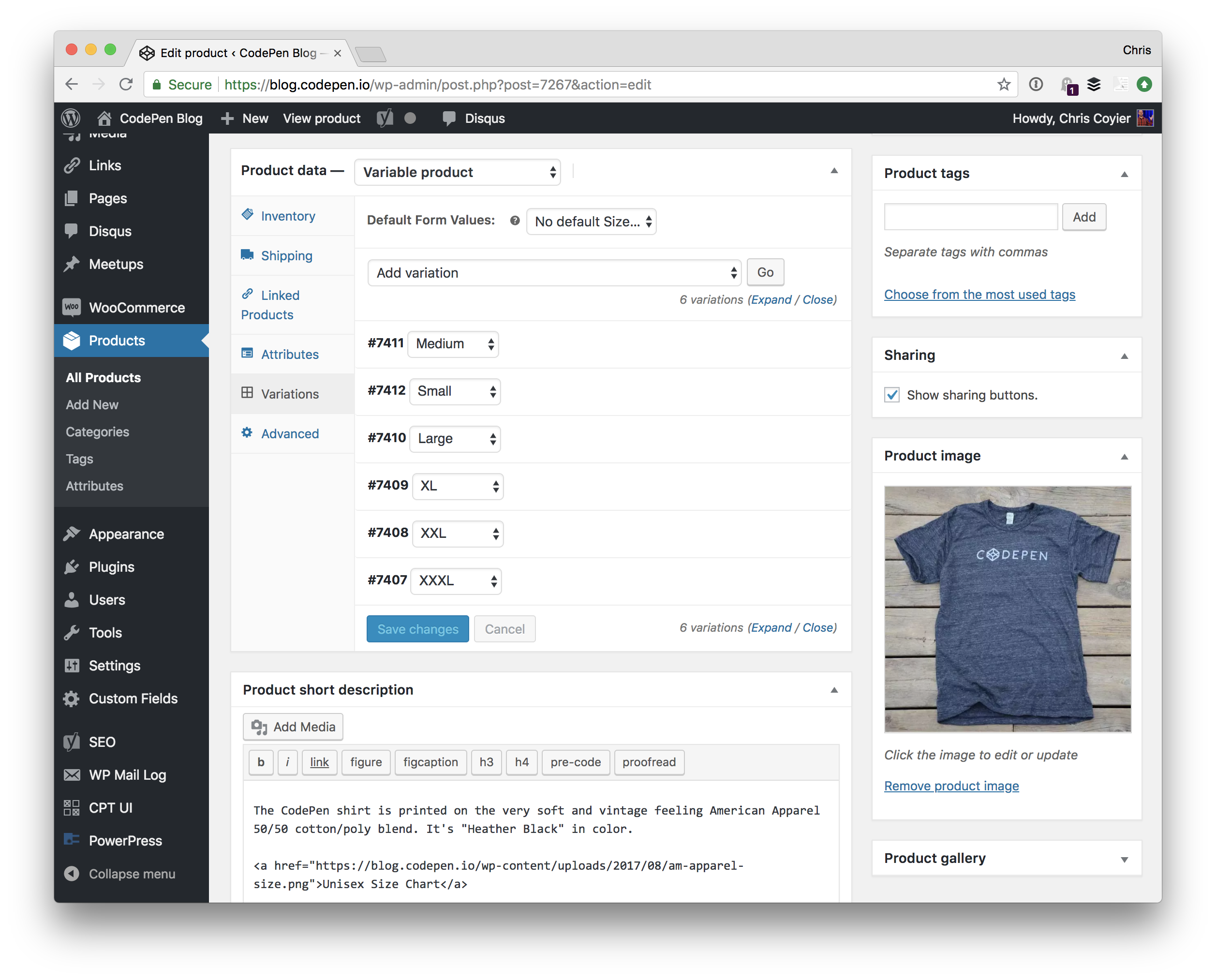
The first step is installing the plugin, and immediately you get a Products post type you can use to add new products. We’re selling a T-Shirt, so that looks like this:
Note the variations in use for size. We even track inventory at the size level so our T-Shirt printing company knows when to re-print different sizes.
What is somewhat astounding about WooCommerce is that you might need to do very little else. You could set a price, flip on the basic PayPal integration and enter your email, publish the product, and start taking orders.
Or, you could start customizing things and do as much or as little as you want:
You could add as many different payment processors as you like. We like using Stripe for credit card processing at CodePen, but also offer PayPal.
You could customize the template of every different page involved, or just use the defaults. At CodePen we have very lightly customized templates for the store homepage and product page.
You could get very detailed with calculating shipping costs, or use flat rates. We use a flat rate shipping cost at CodePen almost as marketing: same shipping cost anywhere in the world!
You could get into integrations, like connecting it with your MailChimp account for further email marketing or Slack account to notify your team of sales.
If you can dream it, you can do it with WooCommerce.
At CodePen, we work with a company called RealThread that actually prints and ships the T-Shirts.
They work great with WooCommerce of course, and the way we set that up is that we use the ShipStationintegration and blast the orders into their account there and they handle all the fulfillment from there. There are all sorts of shipping method plugins though for anything you can think of.
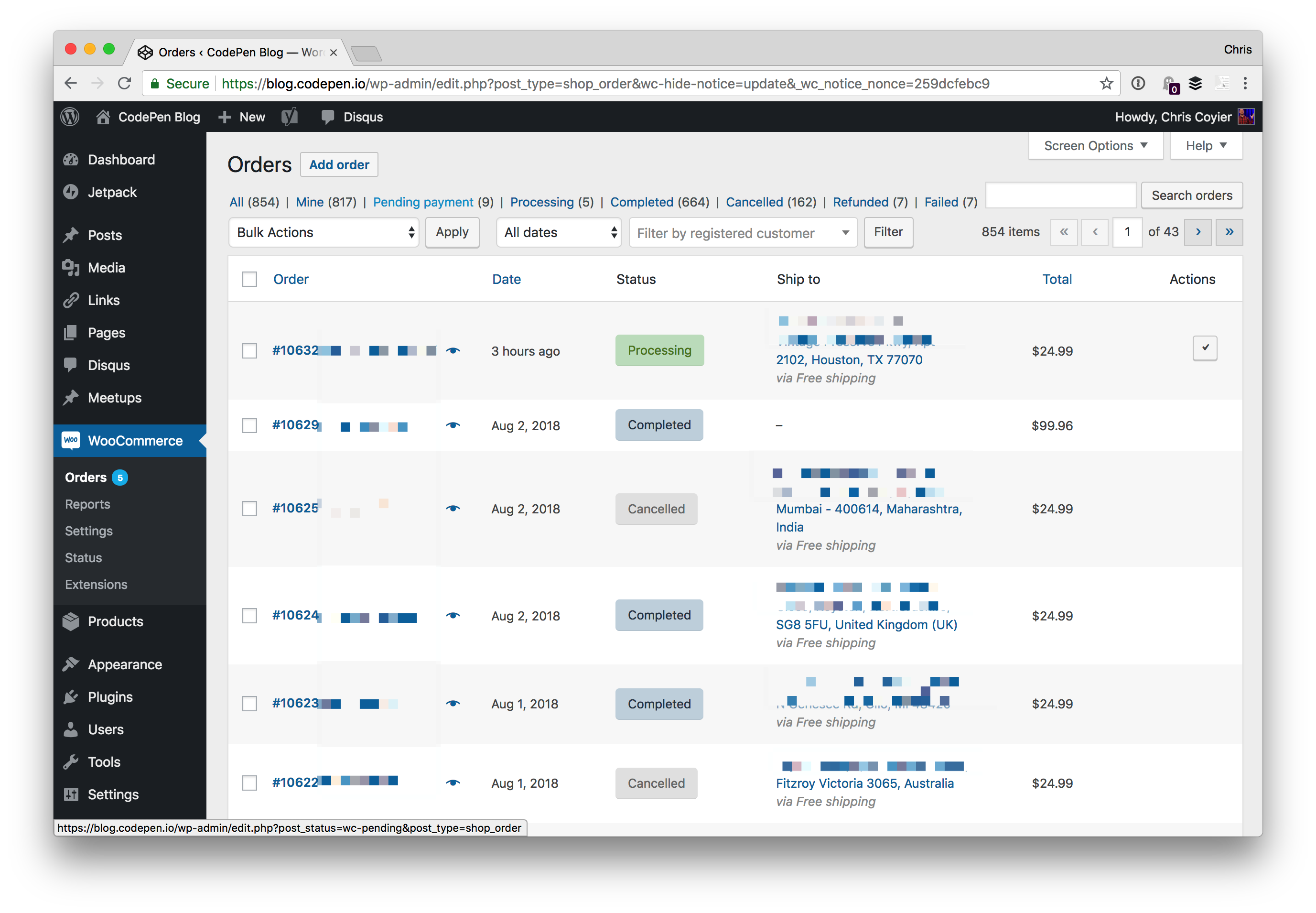
Within WooCommerce, we have a dashboard of all the orders, their status, and even tracking information should we need to look something up.
So essentially:
We use WooCommerce
We use the Stripe plugin to take our credit card payments that way
We use the PayPal plugin to take PayPal payments over Braintree
We use the ShipStation plugin to send orders to that system for our fulfillment company to handle
It was quite easy to set up and works great, and it’s comforting to know that we could do tons more with it if we needed to and support is there to help.