In the world of fashion, there’s never two days the same with it always evolving and changing. For example, streetwear was once only worn by the likes of skateboarders and rappers, however as a major contributor in the fashion world, it’s grown into most people’s wardrobes.
For example, the baggy jeans style was usually only worn by people either on a skate park or performing rap, however these days it’s in most people’s spring and summer time wardrobes, as streetwear has become popular with a number of different fashion styles.
This is mainly due to a number of different celebrities and famous people starting to wear and style them differently, adapting them to everyday use and incorporating them into their different styles of clothing. But what exactly is streetwear and how would you style your outfit to incorporate it? Let’s find out.
What is streetwear
Streetwear has a number of different pieces to it. From sneakers to shirts and accessories, there’s a number of different fashion pieces that go into streetwear and can be anywhere from a hoodie to the full outfit. Streetwear was originally worn by skaters and consists of baggy clothing such as jeans and hoodies, with a lot of them also boasting a number of different accessories such as chains.
These normally had very bold outfits and allowed the person styling them to express themselves freely and easily, giving them full control to show who they are and what their style is.
Depending on what was worn, the art style and logos usually resembled or had reference to 90’s hip hop or something retro themed. Over time, more and more designers started to incorporate these designs into their clothing brands, with their usual smart tailor fitted style clothing now changing to adapt to the growing popularity of streetwear.
Over time you would see more and more famous brands do collaborations with these streetwear brands, opening up a number of different options for people looking to include some streetwear into their outfits.
This also worked the other way, as people who had worn streetwear for a number of years were now able to try out other brands who they would previously not have given the time of day to, opening up options for both sides and bringing them together through fashion and their identity.
Why it stands out
Streetwear stands out from other types of clothing because it doesn’t follow the usual trend of fashion. It keeps true to its roots and doesn’t change based on that season, it keeps true to itself and remains the same. Whilst it does adapt and bring in new ideas, incorporating new trends into its style, it doesn’t completely change how it looks and feels and keeps the core ideas the same.
This is why streetwear from today looks similar to streetwear from the 90s as it’s taken inspiration from it and hasn’t completely changed over the years, only adapting and making tweaks to its look over time.
This means you’re able to buy both new and old streetwear items and both still be in fashion, with a lot of the newer items taking a great deal of inspiration from the older items. This also means streetwear items will hold their value, as you’ll know in ten years they’ll still be extremely fashionable and in style, allowing you to continue to wear them year in year out.
With just how popular streetwear has become in recent years, it’s no surprise to see different designers trying to use this to their advantage and incorporate it in their designs. Most of the top fashion brands will all offer some form of streetwear along with their other forms of clothing, showing just how much impact it’s had on the fashion industry.
As streetwear goes from strength to strength, it’s exciting to see where it will be in another ten years.
Plugins serve a variety of purposes. For the most part they either extend the functionality of a theme or contribute in one way or another to make websites more attractive or engaging. They can also help businesses streamline or add horsepower to one or more of their operations and enable web designers and developers to add features to websites that might otherwise entail a significant amount of coding.
An increasing number of newer plugins have either AI-supported features or provide helpful support via AI-supported chat boxes, and they can also be used to build future-proofed websites.
The purpose of this article is to acquaint you with 7 excellent WordPress plugins that provide you functionalities or characteristics you may be looking for and can do so better than others that provide the same types of solutions.
In short: Amelia offers businesses an intuitive and aesthetically pleasing interface and a time-saving approach to their appointment or event booking operations.
Click anywhere on the video to see Amelia live.
With Amelia, a business can fully automate its appointment/event booking operations, minimize the risk of human-caused errors, and significantly reduce administrative burdens on staff while being able to manage appointment bookings effectively and much more efficiently.
Key features:
Top feature: “Packages” allows Amelia’s users to take multiple services and bundle them into cohesive packages. Deliver more value to your clients and unlock new revenue possibilities at the same time.
Ease of use: Amelia’s intuitive interface ensures that users can navigate the system, establish schedules, and manage appointments with minimal effort.
Adaptability: Thanks to its versatile customization tools, Amelia caters to numerous business types with ease. Amelia’s Sports and Gym template can easily be customized for use by any service-oriented business.
Client feedback: “Great product & easy to use. After lots of research I decided to go withAmelia. I’m finding it really good and fairly easy to use. I have submitted lots of tickets towhich all have been responded to. I have given it 4/5 as I think it has all the functionalityI need as well as scope for further if I need it.”
In short: wpDataTables’ robust filtering, sorting, and search options make it easy for its users to explore, analyze, and visualize data.
Click anywhere on the video to see wpDataTables live.
Processing large amounts of complex data can often be a tedious, error-prone, and sometimes unwelcome task. Designed with ease of use in mind, the wpDataTables plugin makes the entire process quick, easy, and effective.
Key features:
Performance: A wpDataTables’ strength is its ability to handle datasets with thousands or millions of rows can with ease without slowing down a website’s performance.
Adaptability: The plugin’s Multiple Database Connections capability permits simultaneous connections to multiple databases irrespective of the servers they reside upon.
WooCommerce Integration: This feature introduces dynamic, customizable product tables that enhance the functional scope of WooCommerce stores. The Cycle Shop template is one example.
Visualization: Key data trends on wpDataTables editable and responsive tables and charts can be highlighted through the use of conditional formatting.
Client specific features: wpDataTables is ideal for anyone tasked with preparing and presenting data in tables or charts for educational, scientific, business, or personal purposes.
Client feedback: “wpDataTables has a user-friendly interface, many customization options and integrates very well with my WP sites. wpDataTables works well on my sites and has very good support. wpDataTables support helped me with some customisations and supported me until it worked. Thanks to the team for providing us such a great tool! This is a wordpress responsive table plugin I have been waiting for for a long time.”
In short: If you have large datasets and need to visualize them on a map, MapSVG is a great solution.
Click anywhere on the video to see MapSVG live.
The MapSVG plugin deals with various things you can do with maps in addition to merely retrieving them. With MapSVG, flexibility and adaptability is the name of the game.
Updates: Updates are published frequently.
Key features:
Interactivity: Use the system’s embedded drawing tools to add clickable areas on an image or arial photo. One example would be to create an interactive map for a WordPress real estate website.
Custom content: With the MapSVG Form Builder you can create custom map content featuring everything from people, shops, and ad events to sales representatives and real estate properties.
Data Visualization: Bring your data to life with MapSVG’s multicolored maps, where every color tells a story.
Customizability: Craft rich, interactive map experiences with MapSVG’s customizable templates—design info windows your way and link them where they matter most.
Support: Alongside its dedicated support team, the MapSVG plugin includes an AI-powered and assisted chat box (with human agents as well). Map SVG is the first WordPress plugin to offer this kind of support.
In short: Slider Revolution beginner-and mid-level designers create anything they can imagine including sliders, carousels, hero sections, and even full websites.
Click anywhere on the video to see Slider Revolution live.
While it’s noteworthy that Slider Revolution empowers its users to make positive improvements in their web designs, the quick and easy way it enables them to do it is every bit as important. These positive improvements include engaging and often future-ready:
Sliders and carousels.
Attention-getting hero sections.
Award-winning full pages and even complete websites.
It it’s all possible without writing a single line of code.
New demo releases: new demos are released on a monthly basis.
Key features:
Performance: Slider Revolution slickly-animated templates are optimized for speed and responsiveness.
Templates: Customizable templates can often provide a quick and easy way to create engaging content, and example being the responsive AI Particle Cluster Hero example with its dynamic animations.
In short: Chamevo gives designers and developers of WooCommerce websites and WooCommerce merchants the ability to create high-converting product customizations.
Chamevo’s plugin is the WooCommerce merchants’ friend. Its product personalization properties gives them flexibility, depth, and expert-level integration with WooCommerce that enables them to power their businesses through the use of high-converting product customizations.
Key features:
Performance: Chamevo’s smooth, workable interface enables merchants to easily deal with high-traffic or large catalogs. Chamevo users quickly discover just how deep the tool with its custom text and fonts, advanced layering/positioning and other properties can go once they start working with real products.
Benefits to merchants: Because of Chamevo’s deep WooCommerce integration, merchants enjoy unparalleled customization freedom. They can easily craft unique product experiences ranging from complex personalization rules to print-ready outputs at scale Should a store’s product line and/or customer base suddenly expand, its owners can implement increasingly sophisticated personalization options without having to sacrifice performance.
Client Specific features: Designers and creative agencies appreciate the way in which layout grids and advanced styling can be applied to maintain consistent brand aesthetics across a variety of product lines. Hooks and filters for deeper integrations allow developers to augment or tailor the plugin’s core functionality.
In short: LayerSlider effortlessly combines style and functionality to transform a WordPress website into an unforgettable experience.
Click anywhere on the video to see LayerSlider live.
LayerSlider is a full-fledged visual builder for WordPress. Designed for modern websites, LayerSlider empowers you to create immersive sliders, dynamic slideshows, engaging hero sections, and rich animations with ease. With powerful features like scroll and hover interactions, it opens the door to highly interactive and visually striking content. A great example is the Wine Estate template, which showcases attention-grabbing parallax-reveal effect — easily customizable with your own images and text to match your brand.
New Content release: new demos are released approximately weekly.
Key features:
Project Editor: Everything is designed to keep you in the creative flow—from drag-and-drop simplicity to real-time previews and a clean, distraction-free workspace.
Adaptability: LayerSlider templates offer multi-purpose solutions for all kinds of websites.
Client Specific features: Marketing visuals are just minutes away with LayerSlider—popups, banners, counters, countdown timers, 404 and maintenance pages, coming soon screens, and more. All easily animated for maximum engagement.
Support: Built-in help in LayerSlider, Ticket System, and Product Manual.
In short: With the help of the Essential Grid plugin you can add grids that contain almost any type of content to your website.
Click anywhere on the video to see Essential Grid live.
If you are looking for grids that contain posts, products, images, or videos to your website and one you can use with any theme, look no further than Essential Grid. Possible applications range from portfolios, blogs, and galleries to WooCommerce shops and anything else you can imagine.
Key features:
Top feature: With over 50 customizable grid skins, Essential Grid enables users to create stunning galleries and portfolios with ease. Each skin is crafted to be both attractive and motivational. The Leon Draisaitl WooCommerce Grid for WordPress is a minimal shop grid with an interesting image change effect upon hovering.
Adaptability: This plugin is ideal for any portfolio or gallery-building project that requires a searchable, filterable, and sortable grid listing of items.
Global Settings: You can set permissions for who can change and edit grids.
Performance: Galleries created on Essential Grid are noted for their quick loading and 100% responsiveness.
Client feedback: “I had some particular functions that I was interested in for a cobble grid and Irfan was super helpful in helping these come to fruition. I would highly recommend Essential Grid for its flexibility as well as their customer support!”
*******
Having had an opportunity to learn more about these excellent WordPress plugins, you have hopefully found one or more that will enable you to simplify a complex or time- and resource-consuming task, or transform your WordPress sites from a little above average, into ones that are exceptional in terms of performance and visitor engagement capabilities,
Explore the demos and test their features, and having done so you’ll be in a better position to address your site’s or project’s most immediate needs by installing one or more of them.
Summer interns are about to start on an exciting journey filled with learning, growth, and productivity. Your summer internship will teach you countless things about yourself, your professional goals, and your skills as you set the foundation for a blossoming career. It’s important to be prepared so that you can make the best impression possible.
This is your guide to the tools and products that will help you stand out and make this internship one to remember.
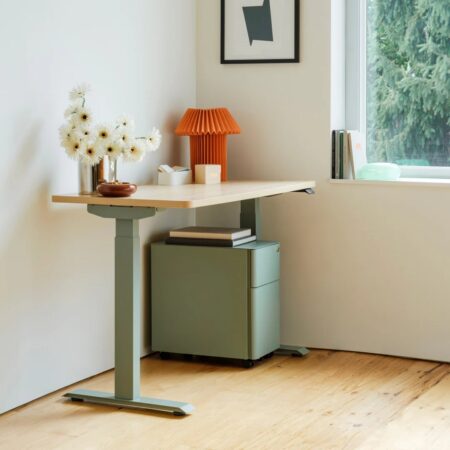
1. Branch: Get Elevated With Standing Desks
Photo Source: Branch
The ideal workspace is one where you’re not tied down to a chair and you can stretch your legs and stand tall. Branch’s standing desks can make all the difference, combining function and comfort to ensure maximum productivity during your internship.
With a standing desk from Branch, you can effortlessly switch between sitting and standing, bringing fluidity to your workflow. A standing desk has many benefits, including improved posture, increased focus, and the potential to thwart the mid-afternoon slump that many interns know all too well.
When you elevate your workspace, you can embrace a dynamic work experience that sets the stage for performance and poise. Stand out, literally and figuratively, as you conquer tasks with style and comfort all summer long.
2. Opensend: Optimize Your Retargeting Strategies With Marketing Solutions
Missing out on potential customers just before they make a purchase or test out a service can be frustrating, especially for summer interns who want to prove their capability in the office. Opensend helps professionals cross the finish line with an email marketing tool that captures the contact information of users who engage with your site, even if they don’t check out.
The best way to ensure that potential customers return and turn into loyal customers is to stay engaged across devices and browsers. Opensend makes it easy to create personalized email campaigns that capture, re-engage, and retain high-value leads, so you never have to worry about missed opportunities again.
With Opensend, you’ll find a range of options that help you connect, reconnect, and revive customer relationships in order to optimize your email campaigns, SMS strategies, and other marketing methods for maximum ROI. Show your bosses what you can achieve when it comes to customer growth and retention with targeted marketing help from Opensend.
3. Tumble: Unleash Your Inner Designer With Washable Rugs
Photo Source: Tumble
Workspaces often resemble the Arctic tundra when it comes to warmth and comfort. Thankfully, Tumble is here to rescue your office ambiance with a touch of cozy chicness through washable rugs, which can help infuse personality and comfort into your workspace.
You’ll be able to enjoy the comfort of a stylish rug as you conquer tasks and revitalize a dreary office with vibrant patterns and colors. Rugs define spaces and create a sense of belonging, and their washable design means you and your coworkers won’t need to worry about spilled coffee or tracked-in dirt ever again. Just toss this rug in the wash, and watch it come out as good as new!
With Tumble’s selection of rugs, you have the power to transform your workspace into a haven of creativity, where every task is executed with confidence and flair. Skip the lackluster office vibe this summer and create a space where design meets functionality — and you feel your most capable.
4. Custom Goods: Optimize Supply Chain Logistics and Streamline Business Strategies
Interns are often left to take care of logistics, and that can mean hours spent filling out paperwork or verifying data. If you want to stand out and free up time to make a real difference for your company, Custom Goods makes it easy, with supply chain support that will get your packages to the right customers with ease and efficiency.
Custom Goods provides support for warehousing and transportation, with over nine million square feet of warehouse space in more than 30 different locations across the country. They work in a wide range of fields and industries, including automotive, construction, food, and retail, and they’re dedicated to getting your products to their destinations without worry or delay.
Whether you need labeling, packaging, or light assembly, Custom Goods is the team you can trust. They take the guesswork out of supply chain management, so interns have more time to learn and help the business. Streamline your fulfillment process and enjoy peace of mind on every shipment this summer.
5. CON-CRĒT: Power Up Your Brain With Creatine Pills
Photo Source: CON-CRĒT
If you’re ready to take your workflow to the next level, CON-CRĒT creatine pills can give your brain the boost it needs to excel. They’re not just for bodybuilders looking to gain muscle. They also support enhanced brain health, immunity, and more during those demanding workdays.
Creatine is like a spark plug for your brain, boosting your cognitive abilities in a soluble and bioavailable micro-dosing format. With CON-CRĒT creatine pills, you can supercharge your brainpower and outshine the competition in your internship without the pesky side effects you might encounter with traditional creatine supplementation.
CON-CRĒT’s creatine pills will help you transform your summer into a mental marathon where you’re sure to be the winner.
6. Kizik: Step Into the Office in Style With Slide On Sneakers
When you’re an intern, every second counts. Time wasted on mundane tasks like tying shoelaces can quickly add up, preventing you from being efficient and impressing your boss. That’s where Kizik’s innovative slide on sneakers come into play.
These stylish and comfortable shoes are the perfect tool to boost your productivity, allowing you to step into the office ready to tackle the day’s tasks. Kizik designs its shoes with patented hands-free technology — simply step in, and you’re ready to go. This can save you precious time and add a level of convenience that aligns with a busy intern’s schedule.
Of course, Kizik’s slide on sneakers aren’t just about saving time. They also hit the mark when it comes to style and comfort. With a range of looks, you can choose the one that best fits your personal style and the office dress code. Walk into your internship with Kiziks and make the most of this professional experience.
7. O Positiv: Feel Your Best With Help From URO Probiotics
The last thing you want to deal with when starting a summer internship is odors or discomfort. After all, even your most intimate areas have a naturally diverse microbiome just like your gut. When your pH becomes too basic, it can cause a host of side effects that get in the way of acing your internship and securing that coveted return offer.
URO probiotics from O Positiv may be just what you need to keep your microbiome on track. Featuring four strains of Lactobacillus, these probiotics are specifically designed to address women’s unique wellness needs. If you’re struggling with odor, for instance, these supplements can be your professional secret weapon.
By balancing your vaginal pH and promoting healthy flora, URO probiotics can take your mind off your microbiome and let you focus on the task at hand. Thanks to O Positiv, you can crush your summer internship and enjoy yourself in the process.
8. Litter-Robot by Whisker: Tackle the Mess and Keep Your Space Clean With a Self-Cleaning Litter Box
Does office chaos have you feeling overwhelmed? Whether you’re stressed out by chores when you come home for the day or work from a home office, Litter-Robot by Whisker has the purr-fect solution for maintaining a clean and clutter-free workspace — a self-cleaning litter box. This gadget is for your furry friends as much as it is for your own sanity and productivity.
A cluttered home is a recipe for distraction and disarray, hindering your ability to stay focused, recharge, and put your best foot forward. With Litter-Robot by Whisker’s self-cleaning litter box, you can enjoy a pristine work environment where creativity thrives. This gadget takes care of the cleanup for you, leaving you with a tidy, stress-free space to conquer your new tasks like a pro.
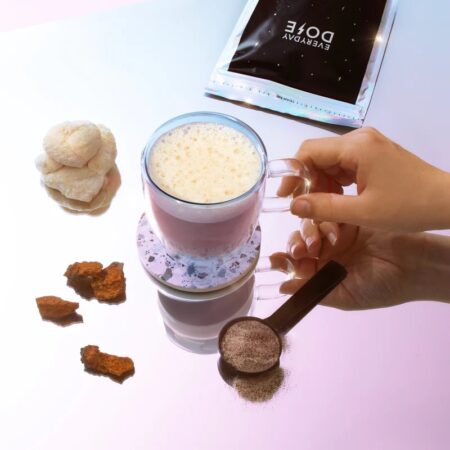
9. Everyday Dose: Kickstart Your Mornings With Mushroom Coffee
Photo Source: Everyday Dose
The sun is rising, birds chirping, and you’re armed with a steaming mug of mushroom coffee from Everyday Dose and ready to kickstart your day with a burst of energy and focus. Mushroom coffee is not your average Joe. It’s a powerhouse blend of functional mushrooms, nootropics, and collagen protein that promises to elevate your mornings to new heights of alertness and clarity.
No more groggy mornings or midday crashes — mushroom coffee from Everyday Dose is here to revolutionize your daily energy boost and revitalize your routine. The compounds in mushrooms like Lion’s Mane and Chaga offer sustained energy, improved focus, and a heightened sense of well-being, setting the stage for an energized day ahead.
It’s time to energize your mornings and seize the day with mushroom coffee from Everyday Dose. Awaken your senses, fuel your focus, and embark on your newest professional adventure with gusto — your bosses are sure to be impressed.
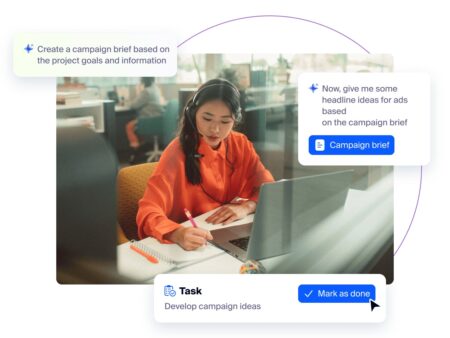
10. Zoom: Skyrocket Your Efficiency With an AI Assistant
Photo Source: Zoom
Imagine having a trusty sidekick by your side throughout your internship — a pocket-sized tool that can juggle tasks, summarize meetings, and provide the answers you need. With Zoom’s AI assistant, that dream becomes a reality. This cutting-edge technology can make all the difference for interns looking to skyrocket their efficiency.
Your AI Assistant from Zoom is like having a personal secretary at your beck and call, ready to tackle your to-do list and keep you on track. Need meeting agendas? Check. Want to create a summary of an email or chat thread? Done. Looking for notifications about upcoming deadlines and project milestones? Your AI Assistant has got you covered.
With this intelligent companion by your side, you can conquer the challenges of your internship with ease, revolutionize your workflow, and amplify your efficiency. Zoom’s AI assistant is always there to support you and elevate your work experience to new heights.
11. Eden: Handle Your Workplace Logistics With Desk Booking Software
Workspaces can sometimes resemble a chaotic game of musical chairs. Eden has the ultimate solution to streamline your workplace logistics with desk booking software. This ingenious tool is your ticket to a hassle-free and organized workspace where you can reserve your spot with a few taps on your device.
Gone are the days of aimlessly wandering around the office in search of a vacant desk or fighting over prime real estate by the window. With Eden’s desk booking software, you can reserve your workspace in advance or see open workspaces in real-time, ensuring you have a designated spot to conquer your tasks and unleash your productivity.
If you’re ready to boost productivity with seamless workplace booking and organization, Eden desk booking software makes it easy. Sail through your internship with ease and efficiency, knowing that your workspace logistics are in capable hands.
12. Nimble: Stay Connected on the Go With Portable Charging Solutions
As a young professional on the move, staying charged and connected is non-negotiable, and a Nimble portable charger can help. These nifty gadgets are your lifeline during hectic workdays, ensuring that your devices stay juiced up and ready to tackle any task that comes your way.
Whether you’re rushing between meetings, working from different locations, or simply multitasking like a pro, Nimble’s portable charging solutions provide the power boost you need to stay productive and connected. Say goodbye to the anxiety of a drained battery and embrace the convenience of on-the-go charging that keeps you in the loop and ahead of the game.
13. Topo Design: Redefine Your Look With a Backpack Briefcase
It’s time to gear up for work with Topo Design’s backpack briefcase, a versatile accessory that combines the best of both worlds: style and functionality. This ain’t your average bag; it’s a statement piece that exudes sophistication while catering to your practical needs at work.
The Topo Design backpack briefcase is here to revolutionize your look with its sleek design, premium-quality materials, and multifunctional compartments that effortlessly accommodate your gadgets, documents, and everyday essentials. Whether you’re heading to a client meeting or a brainstorming session, this bag has your back — literally.
With Top Design’s backpack briefcase, you can stride into your office with confidence and panache, knowing that you’re not just dressing the part but embodying professionalism and style. This accessory is about making a statement, showcasing your attention to detail, and leaving a lasting impression on your colleagues and supervisors.
Elevate, Energize, and Excel With Productivity Tools!
As you prepare for your summer internship, armed with a toolkit brimming with productivity-boosting tools, remember that success is about working smart. Each of the tools in this guide can help enhance your efficiency, productivity, and overall professional experience.
Consider these tools your allies in the quest for success, and let them streamline your workflow, boost your energy levels, and improve your workspace aesthetics. Your internship is an opportunity to shine, learn, and improve, and the right tools at your disposal will help you make the most of it.
Here’s to a summer filled with growth, achievement, and unforgettable experiences. It’s time to crush it like a pro!
While it is not all that difficult to find a theme that will enable you to create an attractive website, finding one that fully meets current website design and usage trends and requirements, is future ready, and offers excellent user support can be a real challenge.
In this article you are presented with 9 highly adaptable, high-performance WordPress themes. They are up to date with respect to meeting current design and usage requirements and they are future ready as well. They are not perfect. Few things are. They share one thing in common however and that is they strive to approach perfection with every update, in spite of the fact that usage demands and requirements are continually changing.
In brief: BeBuilder, the theme’s top feature is fast and easy to work with. Building pages is an incredibly smooth process.
Click the video to check one of Betheme’s top downloaded templates.
Betheme is feature-packed and still growing in size. Its 70+ website design and building tools has only made it the biggest and one if the most flexible WordPress themes. What might come as a surprise given its size is that it is one of the fastest and easiest to work with themes of all.
Flexibility and Ease of Use: BeBuilder, the theme’s top feature is fast and easy to work with. Building pages is an incredibly smooth process. When you add Be’s Header builder, Footer builder, and WooCommerce builder to the mix the design possibilities are limitless.
Time Saving: You can also save time by using built-in theme options that automatically apply styles, or if time is really of the essence you could start with one of the 700+ customizable pre-built websites like Be’s Luxury Furniture one-page website template.
Betheme also features 250+ pre-built websites for Elementor, a Developer Mode for developers, Popups for marketers, and fully supports freelancers, businesses, and creative professionals as well.
In brief: Blocksy is an intuitive, well-optimized WooCommerce theme that can be used by anyone.
Click the video to check one of Blocksy’s top downloaded templates.
Blocksy is not your ordinary, every-day WordPress theme. What you get with Blocksy is an eCommerce solution that features dozens of advanced functionalities that include the recently added Shop Extra extension.
Blocksy gives users:
Flexibility: The Shop Extra extension represents a groundbreaking evolution for WooCommerce stores. It is comprised of suite of modules that address a range of individual shopper-centric features and in doing so serve to elevate a store’s functionality and improve the overall user experience.
Workflow Time Saving: Pressed for time? The Blocksy Furniture Store starter site example can help you get off to a quick and easy start. It is not only pleasant to look at, but its universal design can be used for just about anything!
Testimonial: “The more I use this theme the better it seems. I like to customize to extremes, Blocksy copes well with that. I also have some sites where it is fairly standard. This theme is very good indeed. Very flexible and great out of the box. Never be in doubt that it’s a superb theme.”
In brief: Avada has everything you need to build a successful website or online store.
Click the video to check one of Avada’s top downloaded templates.
Avada’s assemblage of website building features and its ease of use, flexibility, and performance have contributed to making it the top selling WordPress theme of all time.
Ease of Use: With Avada’s Live Builder at your fingertips you can build an impressive website in a few short hours. Building a shop? The WooCommerce builder makes building a shop incredibly easy. If you are in a hurry, you can select one of Avada’s Ecommerce templates and customize it to the finest detail.
Flexibility: With respect to layouts and design Avada offers limitless possibilities since you can customize every aspect of your layout or design, plus everything will rest upon a responsive framework.
Performance: Avada’s drag and drop visual builder can make building a website quick and enjoyable, but it you are in a hurry, simply import an Avada template, like the easily customizable Avada Business example.
Update frequency: Sufficient to maintain compatibility with the most recent WordPress and 3rd party integrated plugin updates.
Testimonial: “Multiple years of use across multiple sites – well thought out, always improving, developers seem to read the minds of the audience and add new features.”
In brief: Pro Theme gives you The most advanced features of any website builder on the market including dozens of 3rd party plugins, custom extensions, and a family of builders.
Click the video to check one of Pro Theme’s top downloaded templates.
Anyone can build anything with Pro’s Cornerstone Builder with its modern lean architecture that makes it one of the most intuitive, fastest, SEO friendly themes on the market.
Ease of Use: Cornerstone’s app-like design gives you complete control over every aspect of your website while its WYSIWYG capability offers building in the browser at its best. Pro Theme’s more than two dozen 3rd party plugins and extensions provide maximum flexibility at minimal effort. The Simple Icon template can not only be easily customized but it tells you a few things about Pro Theme as well.
Client-specific: Pro has every feature a seasoned developer would want with extensive controls including granular settings designed to limit what clients can access.
Support: In addition to its support manual and YouTube videos Pro Theme has released more tutorials on YouTube than any other theme. Pro’s user forum with its 250,000+ forum posts is another good source for information.
Update frequency: new updates are released twice monthly.
Testimonial: “The Themeco Customer support is outstanding, and many would argue that its Facebook community is one of the best found, always ready to help in minutes.
In brief: Kalium makes website building almost ridiculously easy for anyone, including first time website builder.
Click the video to check one of Kalium’s top downloaded templates.
Building a website using Kalium can be done in three simple steps.
Choose a starter site that matches the business or enterprise your website is addressing.
Select any or all of the features on the starter site you want to apply and install the starter site.
Customize it by replacing the content with yours.
Alternatively, you can use an Elementor or WPBakery live page builder to create your website a page at a time.
Page Building: You can build your website pages easily with your choice of Elementor or WPBakery top rated page builders.
Pre-made Templates: Every page in the aforementioned starter sites, and not just the home page, are designed to the tiniest detail. Kalium’s Construction starter site example features an intriguing layout you can nevertheless easily customize to suit your needs.
WooCommerce: Kalium’s seamless integration with WooCommerce enables you to create a site that offers its users an amazing shopping experience.
Testimonial: “What truly sets Kalium apart is their customer-first approach. They guided me, informed me, and listened to every request, no matter how big or small. Amazingly, they never once said “no” to a request, providing solutions that exceeded expectations every time.”
In brief: Uncode is a feature-packed theme you can use to build a WordPress site or a WooCommerce site that looks like it was done by a skilled professional.
Click the video to check one of Uncode’s top downloaded templates.
What is Uncode’s top feature? To many, its simply its mix of advanced design features, its collection of pre-built demo websites, or its User Showcase that can serve as a source of inspiration. Or it might just be a powerful new feature that made its appearance in Uncode’s Version 2.9.2. This new feature, Scroll-Triggered Row Animations, makes it easy for users to create striking scrolling effects that can impart a fresh, dynamic feel to any web page.
Ease of Use: Uncode’s Wireframes Plugin allows you to import 800+ section templates you can use to create pages or a complete website. Uncode’s enhanced frontend page builder with its 85+ premium modules makes creating a website easy.
Demos: Uncode’s aforementioned customizable demos can also serve as sources of inspiration. The Portfolio Cards demo offers about an attention-getting approach you seldom if ever see in a portfolio.
Update frequency: every 3-6 months based largely on customer input and demand.
Testimonial: “I’ve used many themes so far, but Uncode beats all of them IMHO and the new update is mind-blowing! You can use it to create any kind of design, any kind of site. It’s a wonderful solid theme with tons of options and settings. I’m very happy with that! A big thank you!.”
In brief: Litho is fully compatible with Elementor, and WooCommerce and can be used to create a website of any type or usage.
Click the video to check one of Litho’s top downloaded templates.
Litho’s user-friendly WordPress Customizer and its assortment of custom Elementor widgets make customizing easy, while the integrated header-footer builder lets you choose a pre-built layout or create your own layout. Litho is also compatible with most plugins although plugins are generally not required. The Slider Revolution plugin is included in the package.
Key Section Builder Feature: With Litho’s section builder feature most page items can be customized using Elementor-like section elements.
One-Click demo Install: Users can install specific demo pages / posts, import the whole demo, or mix and match various sections / templates / elements from different demos to their selected demo site.
Startup Templates: Litho’s template selection includes 37+ ready home pages, 200+ creative elements, and 300+ templates that include templates for startup websites. Litho’s straightforward and easily customizable Home Business template could be precisely what you need to get started.
Testimonial: ““I’ve been working with the Litho WordPress theme by ThemeZaa for many years now on several client websites. Their theme templates have a modern and spacious design aesthetic whilst integrating perfectly with Elementor and therefore are fully customizable. Perfect for my requirements. And if I need any help, their tech support is first-class and always prompt in getting back to me with assistance. Thank you ThemeZaa.”
In brief: XStore offers a veritable feast of standout features with its 140+.ready-to-use template being a clear user favorite.
Click the video to check one of XStore’s top downloaded templates.
In addition to its pre-built demo library with over 140+ ready-to-use templates a favorite XStore feature is the XStore Sales Booster with its native upsell, cross-sell, and discount system that greatly eliminates the need for additional third-party plugins.
Adaptability and Flexibility: 1) XStore’s AI-Powered Smart Recommendations feature dynamically suggests related products based on user behavior. 2) The significance of XStore’s full integration with Elementor Booster Sales is that users do not need Elementor PRO when working with the XStore theme.
Performance: XStore’s AMP for WooCommerce significantly improves mobile loading times while XStudio helps speed up design workflow by enabling users to preview, sort, and combine different demos along with the full range of available content. XStore’s 130+ customizable and responsive pre-built templates also contribute to workflow savings. XStore’s Niche Market template could be just what you need to create a one-page website that puts your product line on full display.
Testimonial: “With heartfelt gratitude to the talented developers of the “XStore” theme for creating such a stunning, well-documented, and user-friendly product! I would also like to extend my sincere thanks to the customer support team for their prompt responses and impressive ability to resolve almost any issue with ease. I wholeheartedly recommend this theme to every WordPress user!”
In brief: With one click you can import a fast, responsive, and beautiful demo to create your WooCommerce website.
Click the video to check one of WoodMart’s top downloaded templates.
Woodmart offers an ideal approach to creating a WooCommerce site that gives its visitors the ultimate shopping experience. WoodMart comes with 85+ pre-built websites and 400+ page templates you can mix and match to create your store and shop layouts can be customized using WoodMart’s custom layouts builder to include whatever customer-centric features you choose to implement.
You will more than likely find a pre-built site that offers a close enough match to what you are looking for, but if that is not the case you can easily mix and match pre-made prototypes and elements to create the store you envision.
Ease of Use: There is rarely any need to invest in additional plugins to build your store, nor does the size of your store matter as far as website designing and building is concerned.
Client-Specific Features: Client specific features include social integrations for Marketers, a White Label option for developers, and customer-centric design elements of store owners.
You can easily customize WoodMart’s Smart Home demo layout to create your own one-page website to promote whatever product line or service you choose. You can in fact easily customize just about everything else in the Woodmart collection.
Update frequency: new demos and pre-built websites are released monthly.
Having reviewed these top themes, have you found something that you want to use for your website building needs for 2025? More than one item perhaps? If that’s the case, whichever one you eventually use will be an excellent choice!
As the holiday season approaches, home sellers are looking for innovative ways to make their listings stand out. Creating a cozy and inviting atmosphere can often encourage potential buyers to linger, allowing them to fully envision themselves in the space. From the gentle glow of ambient lighting to the tactile allure of soft textiles, there’s an art to festive home staging. Below, we explore how you can transform a home into a winter wonderland that beckons prospective homeowners to settle in and stay awhile.
Embracing Warm Lighting for a Welcoming Ambiance
As real estate agents will tell you, lighting plays a pivotal role in establishing the mood of a home. During the holiday season, achieving a warm and inviting environment is key to making visitors feel at ease. This can be accomplished with strategic layering of lights, including the use of table lamps, string lights, and even a softly glowing fireplace if available. These illumination sources create a serene and homely glow that can soften the space and make it inviting.
Avoid harsh overhead lights which can be too intense and unwelcoming. Instead, opt for LED candles that offer the flicker of a real flame without any safety concerns. When decorating with artificial Christmas trees, you should also opt for warm lighting regardless of whether you choose white or colorful Christmas tree lights. Warm lighting can transform any room because bulbs with a warmer color temperature can help spaces feel cozy and intimate, perfect for holiday showings.
Consider placing floor lamps in dark corners to banish unwelcoming shadows, and highlight the home’s best features. With the shorter days during the holiday months, ensuring each room is sufficiently lit during showings is crucial. A well-lit home not only appears larger but also more cheerful, which is essential for making a memorable impression.
Infusing Holiday Scents to Create a Festive Atmosphere
The power of scent cannot be overstated when it comes to creating a pleasing atmosphere in a home. For holiday showings, seasonal scents such as cinnamon, pine, or freshly baked cookies can trigger feelings of warmth and nostalgia. These aromas can be introduced through scented candles, diffusers, or even a pot of mulled cider simmering on the stove.
It’s important, however, to keep fragrances from becoming overpowering. A delicate balance must be struck to ensure the aroma complements rather than dominates the space. Natural options like pinecones infused with essential oils or a fresh bowl of oranges studded with cloves can provide a subtle yet effective sensory experience.
Consider coordinating the scents from room to room for a cohesive scent story throughout the home. For instance, a vanilla-infused living room can lead to a kitchen carrying hints of nutmeg and cinnamon, reinforcing the holiday theme seamlessly as visitors explore the house.
Cozy Textiles and Throws for Comfort and Style
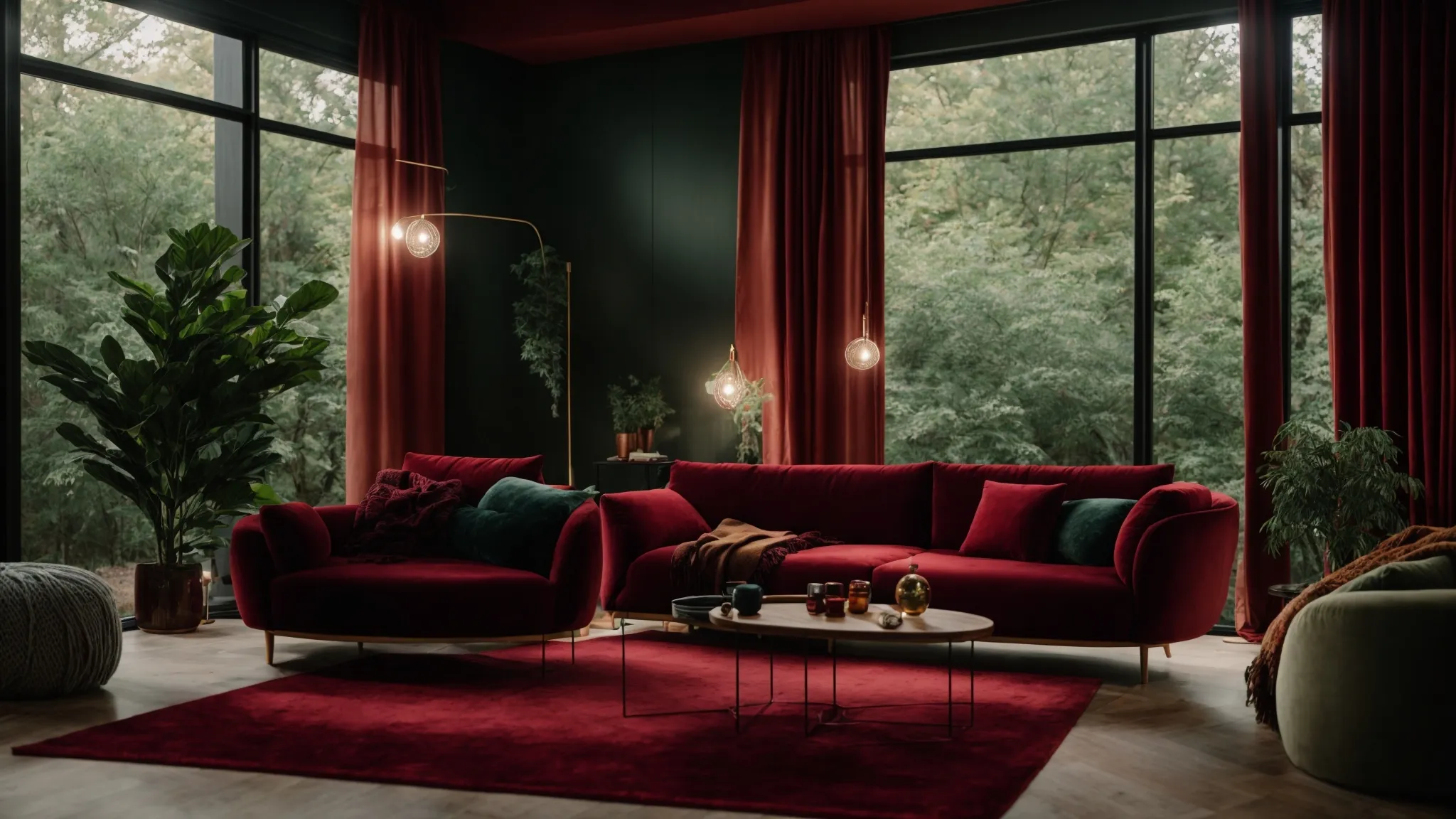
Visual warmth can be as influential as physical warmth in creating a cozy environment. Introducing plush textiles such as velvet cushions, chunky knit throws, and heavy drapes can evoke a sense of comfort that potential buyers will find appealing. These elements encourage people to sit down, relax, and engage with the space emotionally.
When it comes to color choices, opt for a palette that reflects the season’s hues but also complements the home’s existing decor. Deep reds, forest greens, and rich gold tones can evoke traditional holiday sentiments, while neutrals like cream or taupe add sophistication and appeal to a broader audience.
Textiles also serve a practical function by insulating a room against drafts, a quality that visitors will appreciate during chillier show days. Pile area rugs on the floor and drape a soft throw over the arm of a sofa to create inviting vignettes throughout the home.
Creating a Cozy and Inviting Outdoor Space
The experience of home begins before stepping inside, which is why paying attention to outdoor spaces is crucial. Adding seasonal greenery, like wreaths and garlands, can add pops of color and texture to the home’s exterior. A few thoughtfully placed potted plants with festive bows are also inviting touches.
Comfortable outdoor seating adorned with weather-resistant cushions invites potential buyers to imagine enjoying the outdoor space even in cooler weather. Ambient lighting such as string lights in the trees or solar-powered lanterns along walkways can create a magical evening atmosphere for later showings.
Altogether, a thoughtfully staged home during the holidays can have a profound effect on its appeal to potential buyers. By incorporating warm lighting, inviting scents, comfortable textiles, festive decor, and alluring outdoor space, sellers can create an environment that showcases the home’s best features while celebrating the season. Embrace these touches to help your listing shine and stand out to realtors and their clients alike during the most festive time of year.
Decorating a living room can be a real challenge. At the same time, it creates an opportunity to express your personal taste and improve your lifestyle. Whether you prefer to furnish your living room in a modern style, or with a classic look, or with a rustic atmosphere, the important thing is that it reflects your needs and those of your family.
A well-decorated living room is not only beautiful to look at, but it must also be functional and comfortable. In this article, let’s plunge into some practical tips and suggestions on the main furnishing styles. To help you create a perfect environment for your living room.
Classic Style Living Room Furniture: Timeless Elegance
If you prefer a more traditional atmosphere, the classic style living room is the ideal choice. This style is characterized by its elegance and refinement, with solid wood furniture, warm colors, and refined decorative details.
Sofas should be comfortable and inviting, often upholstered in fine fabrics such as velvet or silk. Classic furnishings also include armchairs with carved details, luxury coffee tables with marble tops, and lamps with fabric lampshades.
The lighting in a classic living room should be warm and welcoming. Crystal chandeliers, wall lamps, and table lamps with brass or ceramic bases are perfect for creating a relaxing and sophisticated atmosphere.
Then heavy velvet or damask curtains add a touch of luxury. They also help to isolate the space, increasing the feeling of intimacy.
To further personalize the space, you can add classic paintings, gold-framed mirrors, and Persian rugs.
Modern Living Room Furniture: Elegance and Functionality with Clean Lines
The modern living room is characterized by simple lines, functional furnishings, as well as a neutral color palette. This style is perfect for those who want a refined but practical environment. In which each element has a specific function and nothing is left to chance. Modern furniture is characterized by the use of materials such as metal, glass, and plastic, often combined with smooth-finished wood.
To create a modern living room, start by choosing furniture with clean lines. Like modular sofas, armchairs with essential shapes, and coffee tables with glossy or glass surfaces.
Another key element of the modern living room is lighting. Natural light is essential to enhance furnishings and amplify the perception of space. Large windows, sheer curtains, and the strategic use of mirrors can help maximize light.
Artificial lights must also be selected with care. Opt for recessed spotlights, floor lamps with simple lines, and chandeliers with a minimalist design. The major goal is to set up a bright and welcoming environment that stimulates conviviality and relaxation.
Minimalist Style: The Beauty of Few Elements
Minimalism is a style that adapts perfectly to modern environments. Characterized by few elements, natural materials, and a strong focus on functionality. If you want to furnish a living room in a minimalist style, you must focus on simple and linear furnishings, eliminating everything that is superfluous.
The color palette is typically composed of neutral colors. Like white, gray, and black, with the occasional pop of color to create contrast.
The furnishings must be essential. A sofa with simple lines, a low table, and some shelves or storage units to keep the room tidy. Surfaces should be clean and uncluttered to give a sense of lightness and openness.
This style is particularly well suited to open spaces. Where the living room, dining room, and kitchen in minimalist style merge into a single cohesive and harmonious environment.
Lighting also plays a paramount role in this style. Use natural light sources as much as possible, choosing sheer or light-colored curtains.
Rustic Living Room Decor: A Return to Nature
If your lifestyle is more informal and you love cozy spaces, the rustic living room could be for you. This style is characterized by the use of natural materials on the like of wood, stone and wrought iron and by a warm and familiar atmosphere.
The furnishings are sturdy and often handmade, with finishes that outline the natural beauty of the materials. The dominant colors are earthy: brown, green, red, and ochre, which help create a welcoming and relaxing environment.
To furnish a living room in a rustic style, choose solid wood furniture with untreated or deliberately aged finishes. Add blankets and pillows in natural fabrics, such as cotton, linen, or wool, for an extra touch of comfort.
Conclusion
Furnishing a living room is not just a matter of aesthetics! But also of functionality and comfort. The important thing is that your living room reflects your personal taste and fits your lifestyle. Whether you choose a modern, classic, minimalist or rustic style.
With a little planning and attention to detail, your living room can become the heart of your home. A place to relax and spend quality time with your loved ones.
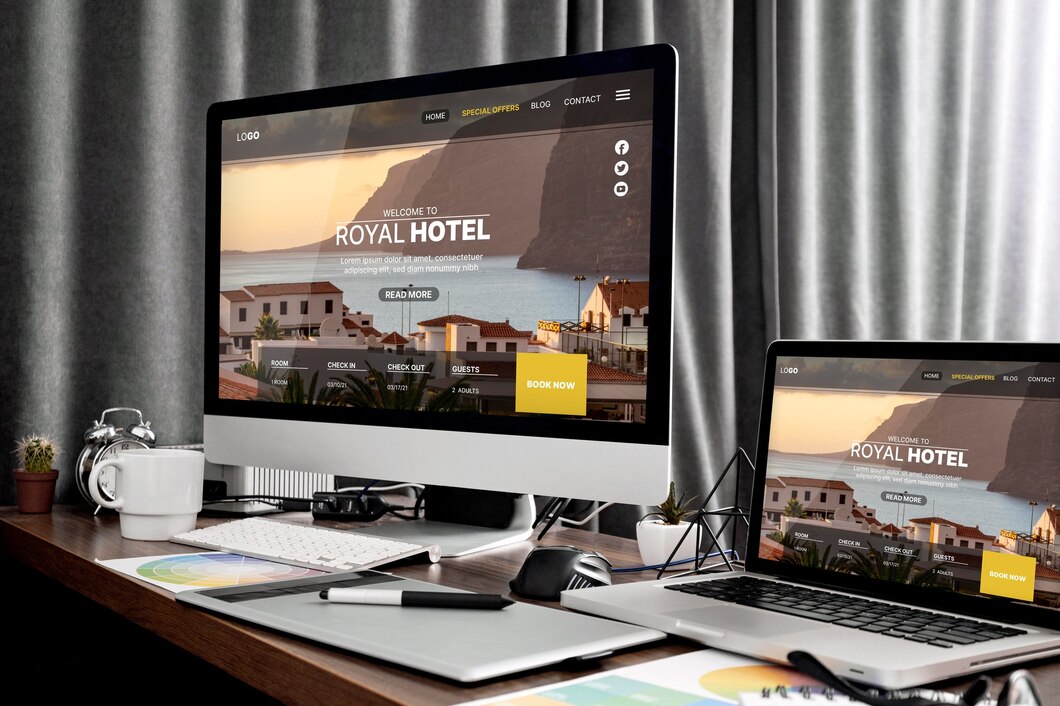
In today’s digital world, a website isn’t just a virtual storefront. It’s the face of a brand, the first impression, and often the deciding factor for users. Web design shapes how people perceive and interact with a site. Every detail matters when creating an engaging online experience, from sleek layouts to intuitive navigation.
As we dive deeper into web design, it’s clear that it’s more than aesthetics. It’s about functionality, user experience, and ensuring a site performs seamlessly across devices. For instance, incorporating features like interactive maps can greatly enhance user engagement. This guide to creating interactive maps without coding provides valuable insights for adding dynamic elements to your site without the need for technical expertise. Whether we’re building a personal blog or a business platform, understanding the principles of effective web design can make all the difference in standing out in a crowded digital landscape.
What Is Web Design?
Web design involves planning, creating, and arranging visual elements to build functional and appealing websites. It combines aesthetics, usability, and technical considerations to deliver an engaging digital experience. Web design shapes how users interact with content online by focusing on layouts, colors, typography, and images.
Effective web design enhances navigation, improves accessibility, and ensures device compatibility. Website-building platforms like InstaBuilt offer tools to create visually appealing and functional websites tailored to diverse needs. By integrating principles like balance, contrast, and alignment, InstaBuilt ensures visual consistency and intuitive interfaces, allowing businesses to prioritize user needs while effectively achieving their brand goals.
Key Elements Of Effective Web Design
Layout And Navigation
A thoughtful layout creates an intuitive experience, helping users find information quickly. We structure pages with clear headings and essential UI elements using wireframes. Prototypes allow us to refine interaction flows, ensuring smooth usability. We also effectively guide user attention by utilizing the F-shaped reading pattern, aligning design elements with natural scanning behaviors.
Color And Typography
Colors evoke emotions, while typography amplifies the brand’s voice. We apply contrasting color schemes to emphasize critical areas, ensuring readability and visual appeal. Consistent fonts and sizes establish clarity, while a limited color palette reduces distractions. Typography combines hierarchy and legibility to communicate messages succinctly.
Responsiveness And Accessibility
Effective web design adapts seamlessly across all devices. We ensure responsiveness by optimizing mobile, tablet, and desktop layouts, preserving functionality and aesthetics. Accessibility considerations like alt text, keyboard navigation, and readable fonts prioritize inclusivity. This approach guarantees usability for a diverse audience, including users with disabilities.
Web designers rely on specialized tools to create engaging, functional websites. These tools streamline workflows and enhance creativity, from graphic design to prototyping and content management.
Graphic Design Software
Graphic design software helps create visually appealing website elements. These tools enable us to design logos, icons, and layouts that align with branding. By utilizing features like vector editing and customizable templates, designers build unique visuals that elevate user experiences.
Prototyping Tools
Prototyping tools allow designers to map user journeys and test functionality before development. They also support wireframing, interactive mockups, and user feedback. Thus, they bridge the gap between ideas and implementation, ensuring the design meets usability standards and client expectations.
Content Management Systems
Content management systems simplify website maintenance and content updates. They empower teams to organize pages, publish articles, and manage media without extensive coding skills. Modular designs and plugin integrations enhance customization, ensuring flexible and scalable solutions for dynamic sites.
Trends In Modern Web Design
Trend
Description
Minimalistic Design
Focuses on simplicity and functionality with clean layouts, extensive whitespace, and subtle color palettes. It enhances readability and simplifies navigation, improving user engagement.
Dark Mode
Uses darker hues to improve readability in low light settings, reducing eye strain and enhancing the visual appeal of text and graphics on dark backgrounds.
Micro-Interactions
Incorporates subtle animations and feedback mechanisms like button hovers and progress indicators to enhance user interaction and modernize the interface.
Modern web design continues to evolve, emphasizing user experience, aesthetics, and functionality. Emerging trends align with these principles and showcase how innovation meets user expectations.
Minimalistic Design
The minimalistic design emphasizes simplicity and functionality. Clean layouts leverage extensive whitespace to reduce distractions while enhancing focus on content. Subtle, complementary color palettes work harmoniously with high-quality visuals, drawing attention to typography for improved readability. Simplified navigation creates a seamless browsing experience, enhancing user engagement and overall satisfaction.
Dark Mode
Dark mode integrates darker hues to boost readability in dim settings. Its visual appeal lies in its ability to make text and graphics stand out sharply against darker backgrounds. By reducing eye strain, especially during extended use, dark mode contributes to better user comfort. Its aesthetic versatility allows designers to create sophisticated, immersive digital experiences.
Micro-Interactions
Micro-interactions, which include subtle animations or feedback, add dynamic website functionality and improve user engagement. They seamlessly guide users through processes through button hovers, progress indicators, or notification tones. Micro-interactions also offer real-time responses to actions, making interfaces more interactive and contributing to a polished, modern design.
Pros And Cons Of Current Web Design Practices
Pros of Current Web Design Practices
Today, web design trends focus heavily on improving user experience and engagement. Micro-interactions like button animations and hover effects make navigating websites intuitive and satisfying, reducing confusion during use. Bold typography and striking color schemes add depth to designs, establishing visual connections that resonate with users. Motion design, incorporating 3D visuals and smart animations, enhances interaction while minimizing cognitive load by presenting information smoothly and efficiently.
Sustainability in web design addresses environmental impact, which has become increasingly relevant. Designers use lightweight code, streamline site elements, and select low-energy hosting solutions to reduce digital carbon footprints. These methods also result in faster-loading sites that consume fewer resources, making them environmentally and user-friendly.
Cons of Current Web Design Practices
Despite its advancements, modern web design can present challenges. Over-reliance on heavy animations or intricate aesthetics often slows down performance, frustrating users on slower connections or older devices. Such designs may inadvertently prioritize looks over functionality, leading to less intuitive navigation.
While commendable, sustainability efforts may not always align with project budgets or timelines. Lightweight coding practices and energy-efficient hosting can demand additional development time and expertise, raising costs. Furthermore, experimenting with bold designs or motion elements may alienate sections of the audience if these techniques overshadow clarity and usability.
Conclusion
Web design is more than just creating visually appealing websites; it’s about crafting experiences that resonate with users and align with brand goals. By balancing aesthetics, functionality, and accessibility, we can ensure our websites stand out in today’s competitive digital landscape.
Staying adaptable and user-focused is key to delivering impactful designs as trends and technologies evolve. Whether leveraging innovative tools or embracing modern design practices, prioritizing usability and inclusivity will always lead to better outcomes. Let’s continue pushing boundaries to create websites that truly make a difference.
Link building has always been a cornerstone of successful SEO strategies, but relying on outdated, cookie-cutter outreach methods doesn’t cut it anymore. As designers, we have a unique edge in our creativity. It’s time we leveraged this edge to craft link-building strategies that stand out and drive real results.
When we think beyond traditional outreach, we unlock opportunities to connect with audiences authentically and engagingly. From designing shareable assets to collaborating with like-minded creators, a world of innovative tactics awaits exploring. Get inspired with useful tips for optimizing search engine performance and redefine how we build meaningful links that benefit our brand and audience.
Overview Of The Designer’s Guide To Creative Link Building
Our guide explores innovative strategies for harnessing a designer’s creative expertise to create impactful link-building campaigns. Traditional outreach often struggles to resonate in crowded digital spaces. Designers can create assets that naturally attract quality backlinks by incorporating visually compelling content and unique campaign concepts.
We outline how interactive infographics, custom illustrations, and user-focused designs foster engagement. These tactics appeal to niche and authoritative audiences, encouraging organic link acquisition over forced outreach. Collaborative projects with influencers or aligned brands can amplify reach and build credibility.
Designers have a distinct advantage in blending creativity with strategy. This approach keeps link-building fresh while forming meaningful connections that align with SEO objectives and audience preferences.
Key Concepts In Creative Link Building
Creative link-building focuses on crafting strategies prioritizing meaningful connections and high-value content. Utilizing a link building platform Instalinko can enhance this approach by streamlining the process of finding opportunities and securing impactful backlinks organically. This approach combines originality with intentional engagement, enabling designers to build a robust online presence.
Understanding Creative Link Building
This strategy involves creating shareable, visually stunning content assets like infographics, videos, and interactive media. These assets naturally attract links by delivering value to target audiences. Additionally, it thrives on collaboration, leveraging partnerships with influencers, bloggers, and leaders in relevant industries to boost reach.
How It Differs From Traditional Outreach
Unlike traditional link-building methods that rely on directory submissions or guest posts, creative link-building encourages quality over quantity. Instead of transactional link exchanges, it builds campaigns with compelling narratives and user-focused designs to foster genuine interest and organic link acquisition.
Strategies Highlighted In The Guide
Strategy
Description
Content Design and Storytelling
Focuses on creating engaging visuals and narrative-rich content like infographics and videos to emotionally connect and attract links.
Leveraging Visual Assets for Links
Uses unique visual content such as custom illustrations and interactive graphics to draw attention and encourage backlinks.
Building Online Communities
Develops platforms like forums and social media groups to foster user interaction, loyalty, and natural link generation through shared content.
The Designer’s Guide to Creative Link Building emphasizes innovative methods to secure high-quality links, pushing boundaries beyond traditional outreach techniques. It explores strategies grounded in creativity and audience connection.
Content Design And Storytelling
Designing engaging content that naturally attracts links remains a cornerstone of creative link-building. We focus on crafting visually compelling assets like infographics, blogs, and videos that immediately resonate. Storytelling amplifies this by adding emotional depth, making content more memorable and shareable. When audiences connect emotionally, they’re more inclined to engage and link back, boosting organic reach.
Leveraging Visual Assets For Links
Visual content drives engagement and is key for modern link-building campaigns. Assets such as custom illustrations, interactive graphics, and unique videos serve as link magnets, delivering value while grabbing attention. By presenting data visually or creating share-worthy design pieces, we attract backlinks from audiences and authoritative publications interested in impactful, shareable material.
Building Online Communities
Communities create ongoing opportunities for link acquisition. We cultivate spaces where users engage and exchange ideas, fostering loyalty and organic interaction. Platforms like forums, social media groups, and niche networks build audience trust and naturally generate links through discussions and user-shared content, particularly when these communities interact with well-tailored, designer-led campaigns.
Creative link-building transforms conventional outreach practices by integrating originality with deliberate engagement, driving meaningful online connections and long-term advantages.
Long-Term Value And Authenticity
Creative link-building contributes to durable SEO enhancements by prioritizing quality over mass outreach. Focused strategies, like visually compelling content and interactive media, attract high-authority backlinks while fostering genuine audience trust. Over time, this reduces dependency on traditional methods and ensures sustainable growth.
Enhanced Brand Recognition
Securing backlinks from credible, high-traffic platforms amplifies brand visibility. When combined with shareable designs, such as infographics or custom illustrations, brands achieve broader recognition among niche and mainstream audiences. These tailored assets are powerful tools for reinforcing brand identity and credibility in competitive markets.
Critique Of The Guide
Strengths
The guide effectively emphasizes visual hierarchy, offering actionable insights on using Z or F layouts and negative space to enhance engagement. Incorporating proximity, repetition, and composition principles ensures the advice supports cohesive and appealing content designs. Its focus on leveraging creative assets like interactive media and custom visuals aligns well with modern link-building strategies.
Areas For Improvement
The guide could delve deeper into measuring the ROI of creative link building, helping designers link efforts to tangible metrics. While it highlights storytelling, expanding on how to integrate emotional narratives with real-time user feedback would strengthen its practical application for diverse campaigns.
Conclusion
Creative link building allows designers to redefine how we approach SEO. We can move beyond outdated methods and craft strategies that truly resonate by leveraging our unique skills and focusing on originality. It’s about building authentic connections, delivering value, and creating content naturally attracts attention.
When we prioritize quality, meaningful engagement, and visually compelling assets, we secure impactful backlinks and strengthen trust and credibility. This approach empowers us to push boundaries, foster collaboration, and achieve sustainable growth in an ever-evolving digital landscape.
Referral programs are one of the most effective ways for startups and small businesses to grow their customer base, utilizing word-of-mouth marketing — considered one of the most trusted forms of advertising.
For new businesses looking to gain traction, implementing a solid referral program can provide significant benefits without requiring a massive marketing budget. In this article, we will look at some referral program ideas for startups and small businesses, discuss creative approaches, and explain how you can measure and maximize the success of your program.
Customizing Referral Programs for Startups and Small Businesses
When it comes to referral programs for small businesses, customization is key. What works for a large enterprise may not be as effective for a startup, so it’s important to align your referral program ideas with your brand’s goals, values, and target audience. Here’s how to customize your referral program effectively:
Understand Your Audience: Identify your most loyal customers and use them as your referral program ambassadors. Understand what motivates them—whether it’s discounts, rewards, or exclusive perks—and use that insight to craft an attractive incentive.
Simplify the Process: Make your customer referral program user-friendly, easy to join, and effortless to use. A complex sign-up process can discourage possible referrers. With the aid of digital tools and platforms, you can easily streamline the process, making it accessible to your customers in terms of sharing their unique referral link.
Set Clear Goals: Define what success looks like for your referral program. Whether you’re looking to increase brand awareness, generate new leads, or boost sales, setting clear, measurable goals will help you track your progress.
Offer Attractive Incentives: The best referral programs reward both the referrer and the new customer. Consider offering a discount, free product, or even a cash reward for each successful referral.
You can, therefore, use this information to develop a suitable referral program that ensures an efficient and cost-effective customer acquisition strategy, which is congruent with your overall goal.
Creative Referral Program Ideas
Creating a referral program that cuts through the competition requires innovative ideas. Here are some customer referral program ideas that can drive results:
1. Tiered Rewards System
One of the most interesting forms of structuring a referral program is through tiered rewards. For instance, a 10% discount may be reserved for customers who refer one friend; however, those who have referred five or more friends get a bigger reward, for example, a free product or service. This system encourages continued referrals because customers are inspired to climb the reward ladder.
2. Referral Program with Exclusive Perks
Provide special access to new items, VIP events, or first-time discounts to users who participate in your refer-a-friend scheme. People just love the fact that they are part of some elite club. A gamified experience, therefore creates a community aspect around your brand and can result in much higher engagement.
3. Gamify the Process
Make the referral program interesting by turning it into a game. You can award points for every successful referral, which can later be redeemed for rewards. You can make use of leaderboards, in which the top referrers will be given special recognition or extra rewards. It brings excitement to the system and increases the number of referrals.
4. Surprise Gifts for Referrers
Offer surprise rewards for referrers who achieve specific milestones. Most businesses reward fixed amounts for every successful referral. Sending one-off gifts, even as small tokens of appreciation, will be a welcome surprise and make your customer referral program more memorable.
5. Charitable Donations
Give the customers the option to donate the reward to a charity of their choice. This appeals to the socially-conscious consumer and increases the perceived value of your business referral program. This works great for businesses that have a high commitment to corporate social responsibility.
6. Collaborative Referral Programs with Other Brands
For B2B referral programs, partnering with non-competing businesses to cross-promote your referral programs can be highly effective. You can create joint offers and share customer bases, increasing your reach without increasing your marketing costs.
Leveraging Digital Tools for Referrals
It can be time-consuming and error-prone to manage a referral program manually. This is where the referral program platform comes in handy. These platforms can automate the whole process, making it easy for you to track referrals, provide rewards, and communicate with your customers. Here are the benefits of using digital tools:
1. Automated Referral Tracking
A referral program platform automates the process of tracking who referred whom, ensuring accurate reward distribution. By integrating the program with your CRM and marketing tools, you can easily follow up with new customers and reward referrers without missing a step.
2. Customization Options
Most referral platforms allow you to customize the program’s branding and messaging, ensuring consistency with your overall marketing strategy. You can tailor emails, landing pages, and even referral codes to match your business’s identity.
3. Referral Links and Sharing
With digital referral program platforms, customers can easily share their unique referral link via social media, email, or text. This makes it really easy for your customers to spread the word about your products or services.
4. Analytics and Reporting
Digital tools provide detailed analytics, allowing you to measure the success of your referral program in real-time. You can look into metrics such as new customer acquisitions, conversion rates, and the rate of redemptions in rewards to optimize your system in the long run.
Real-Life Examples of Small Business Referral Programs
You can get inspiration for your own program design by looking at examples of referral programs for small businesses that have already achieved success.
Dropbox: One of the most famous referral program examples is Dropbox’s referral system. Dropbox offered additional storage space for both the referrer and the referee. This simple, yet effective refer a friend program helped Dropbox rapidly grow its user base.
Airbnb: Through a referral program that rewards both the referrer and the referee with credits for travel, Airbnb was able to drive exponential growth with small businesses.
Tesla: Tesla’s referral program gives rewards such as exclusive invitations to events and free services for both the referrer and the referred customer. Tesla’s B2B referral program examples show how offering interesting incentives can create excitement and bring results.
Glossier: Glossier’s referral program gives customers a $10 discount for every successful referral. This refer a friend program has been the backbone of Glossier’s growth, especially since it is a beauty brand built on word-of-mouth marketing.
Measuring the Success of Your Referral Program
You should track the success of your referral program to make sure that it is working well. Here are some ways to measure the impact of your customer referral program:
Referral Conversion Rate: This is the number of people referred by existing customers who actually buy. This will help you gauge the quality of your referrals and the effectiveness of your incentives.
Customer Lifetime Value (CLV): If your referral program is attracting high-value customers who stay loyal to your brand, then your CLV will increase. This is an excellent indicator of long-term program success.
Referral Growth: Monitor how many new customers are referred to your organization over time. Usually, a high increase in new referrals implies that your referral program is growing in popularity.
Revenue Growth: Lastly, and most importantly, a thriving referral program will attract more sales and bring greater revenue to an organization. Monitor how it affects your bottom line to determine whether it delivers the desired effects or not.
Tips to Maximize the Impact of a Referral Program
To maximize your referral program, see the following tips:
Keep it simple: Your customer referral programme should be easy to grasp and engage with for your customers. Ensure the process is not clumsy and contains no unnecessary hurdles.
Promote Your Program: Promote your referral program. Mention it in your email campaigns, social media posts, and on your website. The more visibility it receives, the more successful it will be.
Create Urgency: Utilize time-sensitive offers that would make customers act sooner rather than later. Doubling rewards for referrals done within a certain period will urge customers to act in the moment.
Ask for Feedback: Ask customers who have used your referral program for feedback regarding their experience. This is how you can identify places to improve and refine things over time.
Final Thoughts
Referral programs are powerful tools for small businesses looking to expand. With a referral program tailored to your business’s needs and audience, creative incentives, and the use of digital tools to measure success, you can set up a system that mutually benefits your business and your customers. Use successful referral program examples as inspiration, and continue to optimize for best results.
Due to the scarcity of photos in the first part of the XXst Century, photo series are a great testimonial of their time. In this case, Ye Jinglu, an ordinary Chinese man, gave us a glimpse of dressing styles in China from 1907 to 1968 by taking a photo every year. In these “selfies”, he carefully selected his clothes and surroundings, reflecting his times.
These photos were first shared on X by the account China in Pictures, who is also the owner of the photo collection. In his thread, he shares a wealth of information about each photo.
1901: The first photo, taken while still under Qing dynasty’s governance.
1908: a photo themed around sport, as the Olympic games were held in London that year.
1909: a photo taken with Western-style clothes.
1912: a first photo taken under the newly-formed Republic of China.
1913: a photo taken at 33 years old by Ye.
1950: an older Ye, aged 70, takes a photo on New Year’s Day, in a China that is has become the People’s Republic of China.