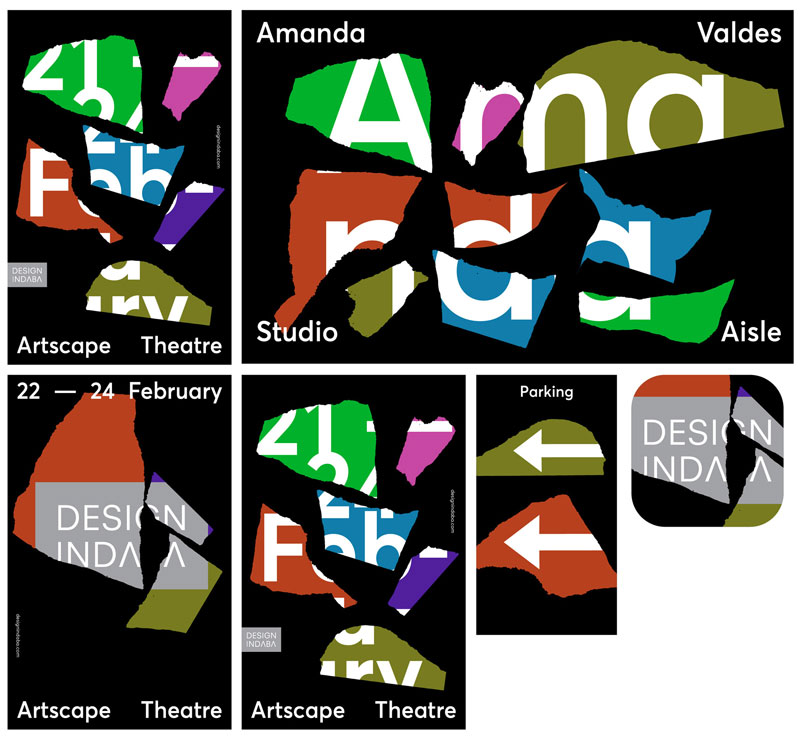
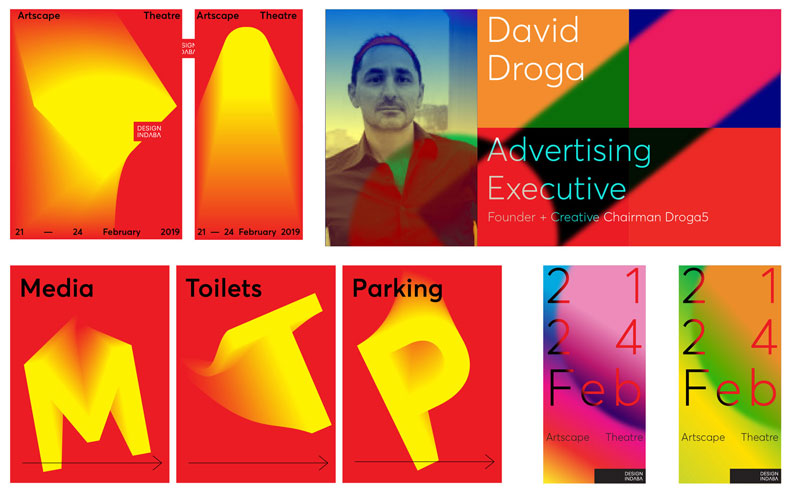
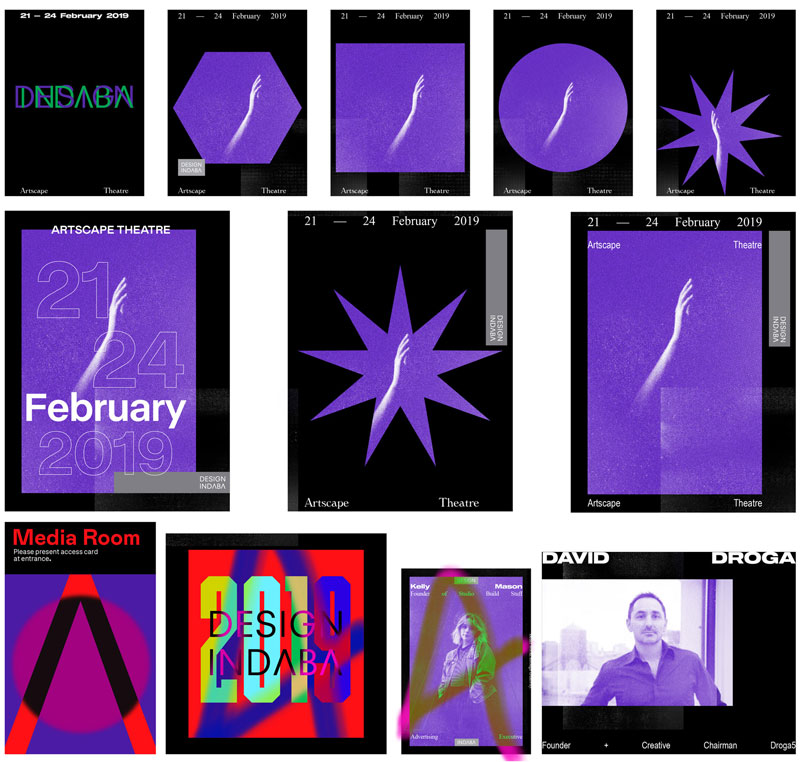
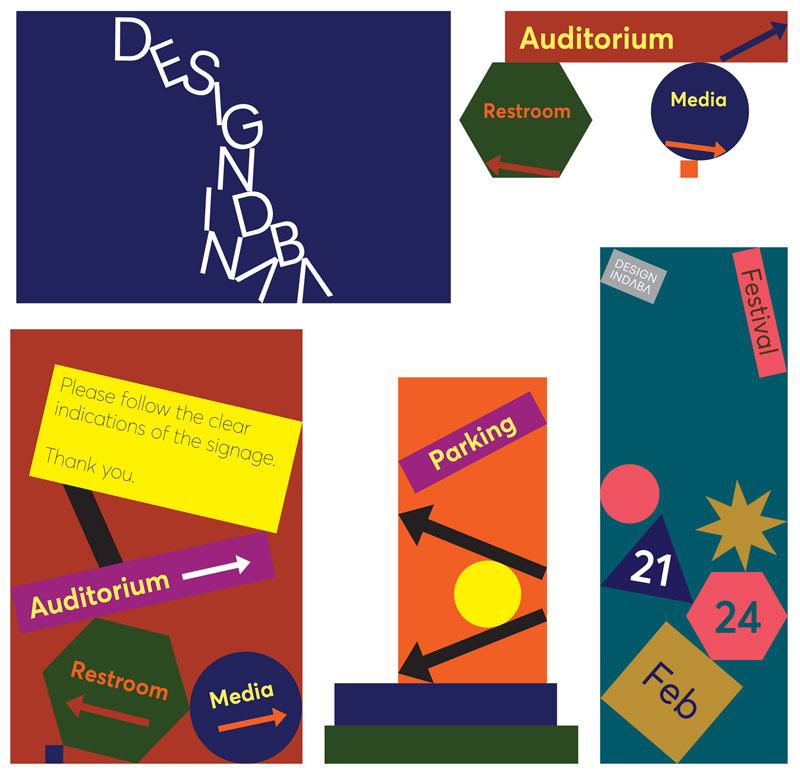
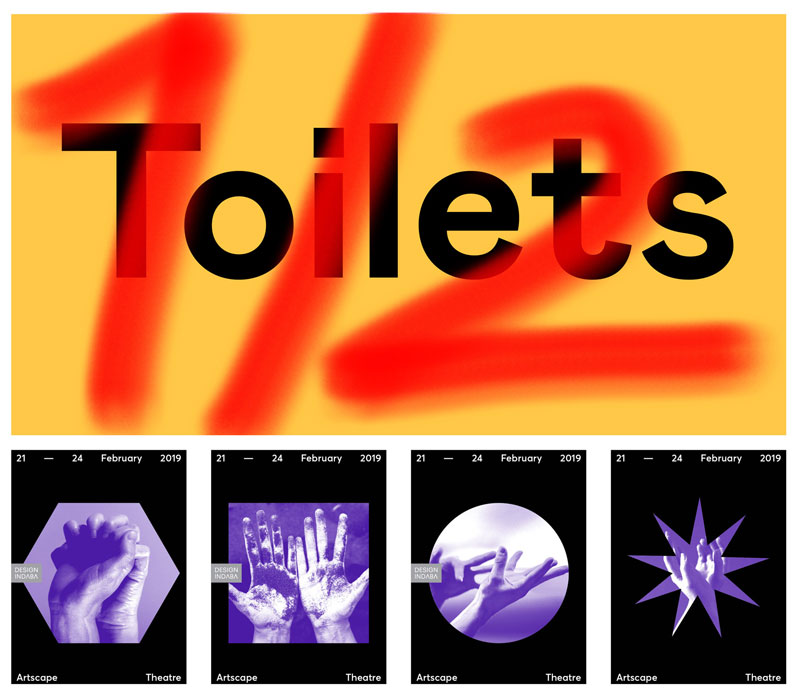
This work by Daniel Ting Chong for Design Indaba, a design conference that took place on February 2019 in South Africa, is not new, but I thought it was well worth a mention on Designer Daily.
For this project, the designer went fully experimental and used AI tools to create the brand. Inputting 13 geometric forms of all kinds into an AI software, Ting Chong used it to create a large number of variations. He then combined it with important information about the design conference, for example, the parking’s location or the full schedule, to let the AI do most of the work.
This experiment allowed the branding expert to test the limits of AI to do creative work. Looking at the results, it seems that there is a future for computational design.
On the process and the designer’s role in this new way of working, it seems that he would need to evolve into a “design planner”, to choose what shapes and colors he will feed the AI, and a “design curator”, to make decisions regarding the visuals to choose.
Ever seen a documentary about penguins protecting their eggs from the freezing cold? If yes, you have already seen them in the position that inspired Peleg Design’s designers to imagine these cool egg-holders.
In this case, each penguin is designed in a way that makes the design complete only when the egg is inserted. Also, the purpose of these is the opposite of the penguins’ goal when protecting their eggs from the cold, these eggs are destined to be inserted in hot boiling water!
Ever seen a documentary about penguins protecting their eggs from the freezing cold? If yes, you have already seen them in the position that inspired Peleg Design’s designers to imagine these cool egg-holders.
In this case, each penguin is designed in a way that makes the design complete only when the egg is inserted. Also, the purpose of these is the opposite of the penguins’ goal when protecting their eggs from the cold, these eggs are destined to be inserted in hot boiling water!
Ever seen a documentary about penguins protecting their eggs from the freezing cold? If yes, you have already seen them in the position that inspired Peleg Design’s designers to imagine these cool egg-holders.
In this case, each penguin is designed in a way that makes the design complete only when the egg is inserted. Also, the purpose of these is the opposite of the penguins’ goal when protecting their eggs from the cold, these eggs are destined to be inserted in hot boiling water!
Designing logos is hard! It takes time, skills, experience, creativity, and you never know how your work will be perceived if you are the designer. On the client’s side, you are investing considerable money without knowing if you will be satisfied with the outcoming logo.
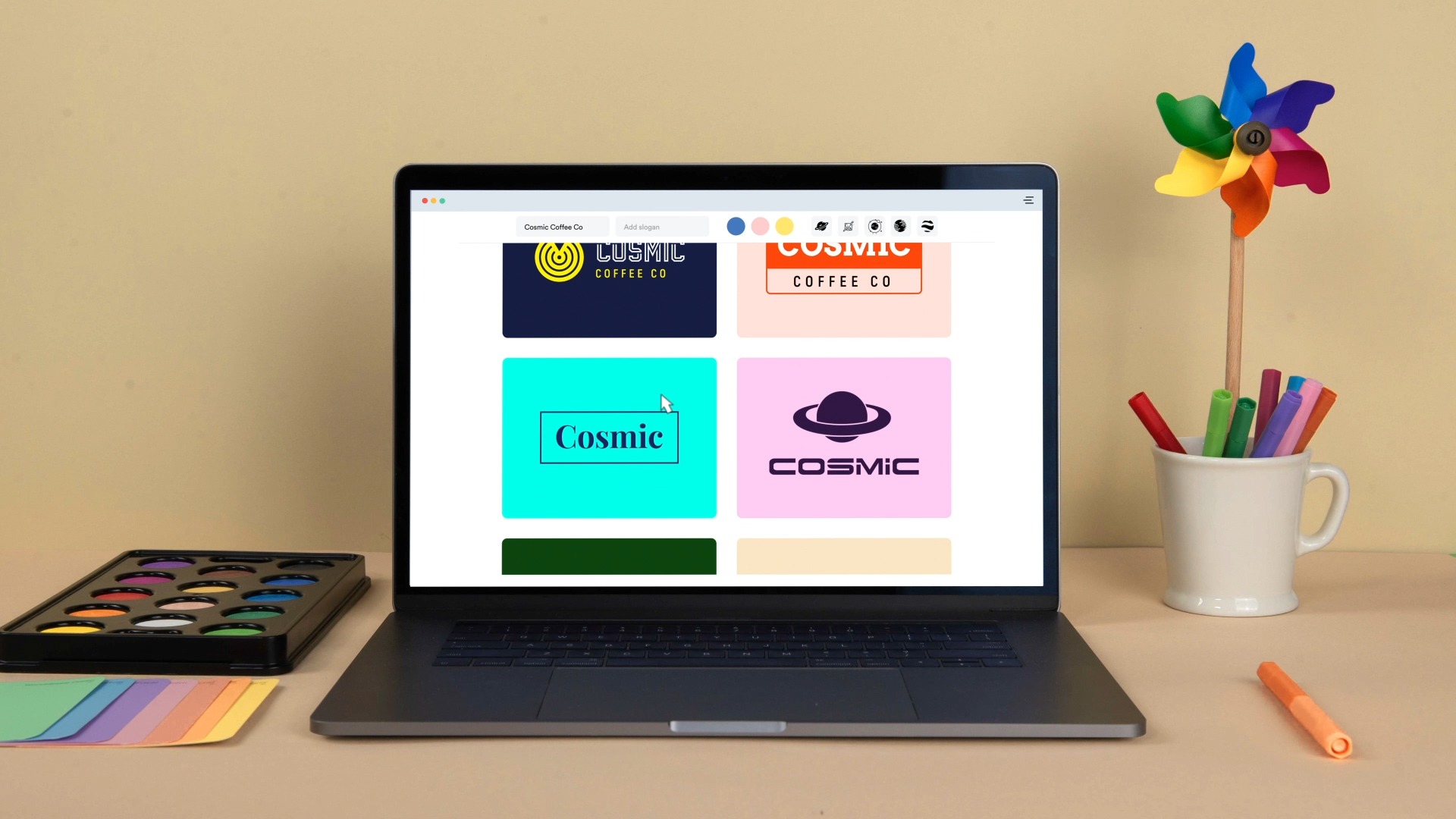
Knowing this, it’s impressive to see what Looka has achieved with its free logo designing tool. Powered by AI, the tool allows you to not only create a professional logo in a matter of minutes but also to design all the branding elements you need as well as social media kits.
The Process: How Designing With Looka Works
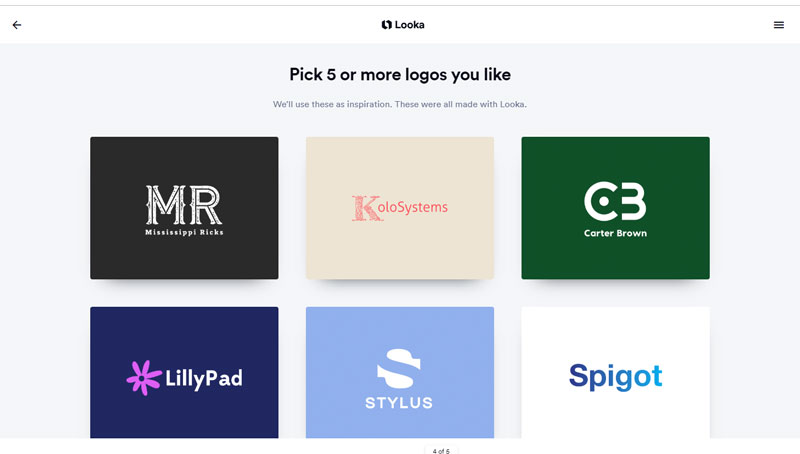
One of Looka’s main advantage is probably the onboarding process. On-screen, the logo design tool takes you through a series of questions to better understand your needs and your visual tastes.
This is actually the way graphic designers work when interviewing their clients to get started on a logo design. The only difference is that the process is so much faster with Looka.
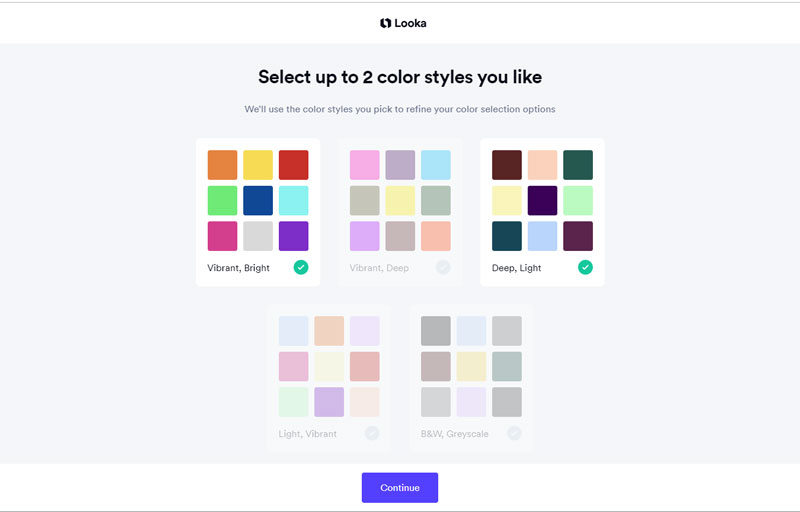
The logo selection helps the IA to understand your tastes in the matter of logo design.During the process, Looka tries to identify the type of color schemes that would work best for you.
Once you are done with the questionnaire, some logos will be generated based on your answers. You can choose the logo that best matches your needs, then it’s possible to click into the logo and see all the different variations of colors, fonts, symbols, graphics, etc.
The Results: Great Logo Design & Branding
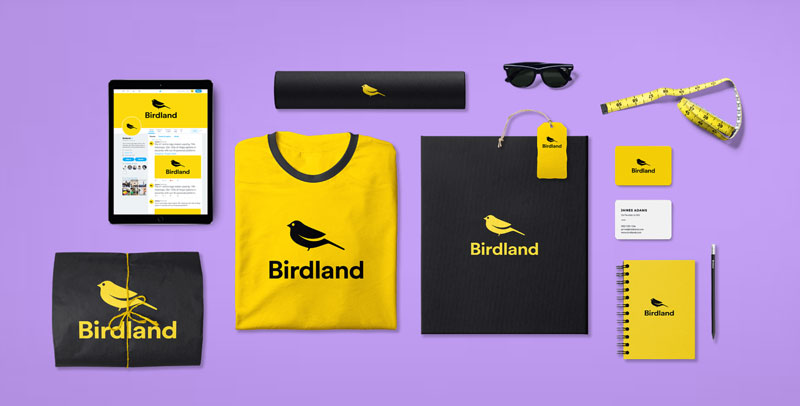
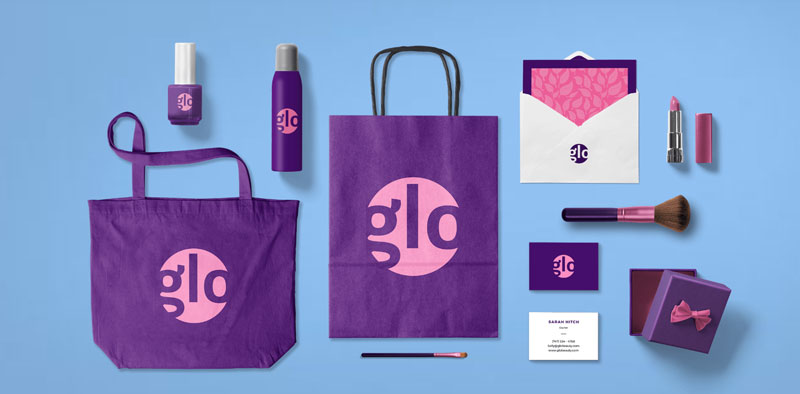
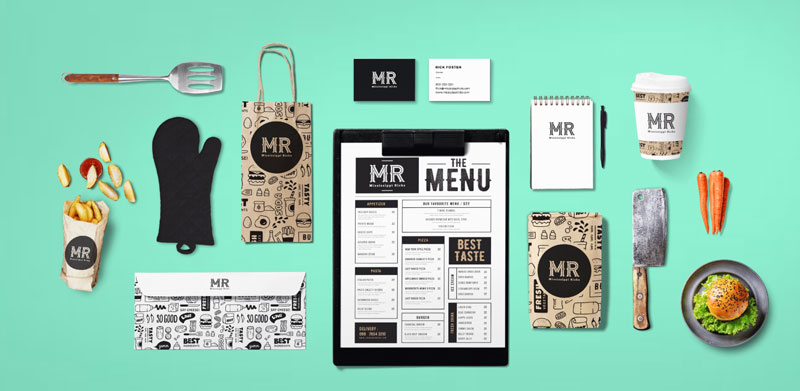
As you can see below, the results you can obtain with Looka are quite stunning. With the Looka Enterprise package, you get the full branding experience and can download ready-to-use business cards and other branding assets for printing or for the web.
To get a quality design like these, it doesn’t take a long process or cost huge money, so get started right away!
Quick Creation of Social Media Kits
Another priceless feature of Looka is the possibility to create visuals for social media extremely quickly. In a time when you need to manage a lot of accounts to be seen online, this will save you some precious time.
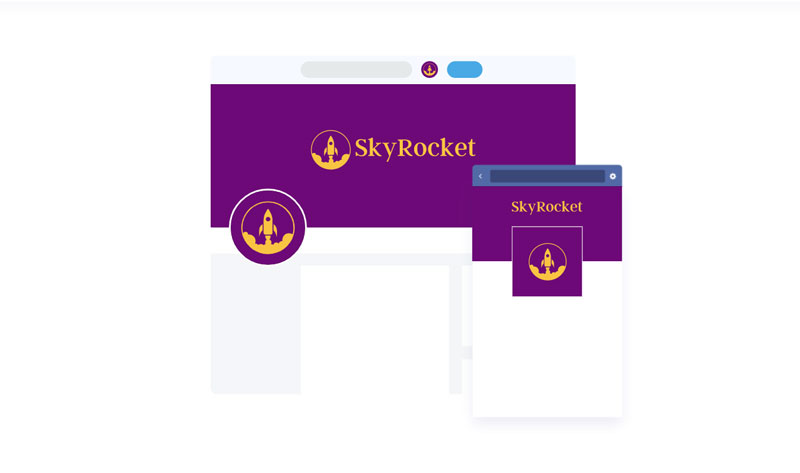
In short, this possibility allows you to download your logo in a bunch of different formats for social media profiles, they even include some formats that we tend to forget, such as the email signature image, for example.
There is Even a Website Builder Included!
On top of all these amazing features, Looka provides you with a website builder, which will be good enough for most websites, thanks to the many included features.
This extra-feature gives you almost all you need to quickly and cheaply build a strong presence for your company both online and offline.
There are already over 5 million entrepreneurs who trusted Looka to handle their branding, there is a good reason for that, just give it a try for yourself!
Designing logos is hard! It takes time, skills, experience, creativity, and you never know how your work will be perceived if you are the designer. On the client’s side, you are investing considerable money without knowing if you will be satisfied with the outcoming logo.
Knowing this, it’s impressive to see what Looka has achieved with its free logo designing tool. Powered by AI, the tool allows you to not only create a professional logo in a matter of minutes but also to design all the branding elements you need as well as social media kits.
The Process: How Designing With Looka Works
One of Looka’s main advantage is probably the onboarding process. On-screen, the logo design tool takes you through a series of questions to better understand your needs and your visual tastes.
This is actually the way graphic designers work when interviewing their clients to get started on a logo design. The only difference is that the process is so much faster with Looka.
The logo selection helps the IA to understand your tastes in the matter of logo design.During the process, Looka tries to identify the type of color schemes that would work best for you.
Once you are done with the questionnaire, some logos will be generated based on your answers. You can choose the logo that best matches your needs, then it’s possible to click into the logo and see all the different variations of colors, fonts, symbols, graphics, etc.
The Results: Great Logo Design & Branding
As you can see below, the results you can obtain with Looka are quite stunning. With the Looka Enterprise package, you get the full branding experience and can download ready-to-use business cards and other branding assets for printing or for the web.
To get a quality design like these, it doesn’t take a long process or cost huge money, so get started right away!
Quick Creation of Social Media Kits
Another priceless feature of Looka is the possibility to create visuals for social media extremely quickly. In a time when you need to manage a lot of accounts to be seen online, this will save you some precious time.
In short, this possibility allows you to download your logo in a bunch of different formats for social media profiles, they even include some formats that we tend to forget, such as the email signature image, for example.
There is Even a Website Builder Included!
On top of all these amazing features, Looka provides you with a website builder, which will be good enough for most websites, thanks to the many included features.
This extra-feature gives you almost all you need to quickly and cheaply build a strong presence for your company both online and offline.
There are already over 5 million entrepreneurs who trusted Looka to handle their branding, there is a good reason for that, just give it a try for yourself!
Whether you are a professional graphic designer with formal education in the field or you are an advanced amateur, you are probably always on the lookout for the best tools.
The first recommendation you will surely receive is to go with the Adobe Suite. It comprises a series of very professional tools, so you couldn’t be wrong by choosing to work with it.
However, not everyone appreciates Adobe’s hegemony in the world of design software. Open Source advocates already proved with web publishing tools or server software that the free and open alternatives can be as good, if not better, than their paid counterparts. Also, many designers tend to find Adobe’s products too expensive. Making a living with these tools, I don’t think that the Adobe Creative Suite is too expensive, but if you design as a hobby, it surely is.
In this post, you will find some alternatives to Adobe’s most popular tools. It is not a comprehensive list, but it will give you some good alternatives to the most used design software.
Alternatives to Photoshop: Gimp or Krita
GIMP (aka GNU Image Manipulation Program) is the oldest free and open-source alternative to Photoshop, and it’s probably also the most well-known. It allows you to do pretty much everything Photoshop does, although there are some recent features that may not have been adopted.
The most common complaint about GIMP is its interface design, which is not as pleasant as Photoshop’s UI. This can be fixed by using a fork of GIMP: Gimpshop. This fork happened to build a version of GIMP that has a UI more similar to Photoshop in order to facilitate the transition. GIMP and its fork are available for all operating systems.
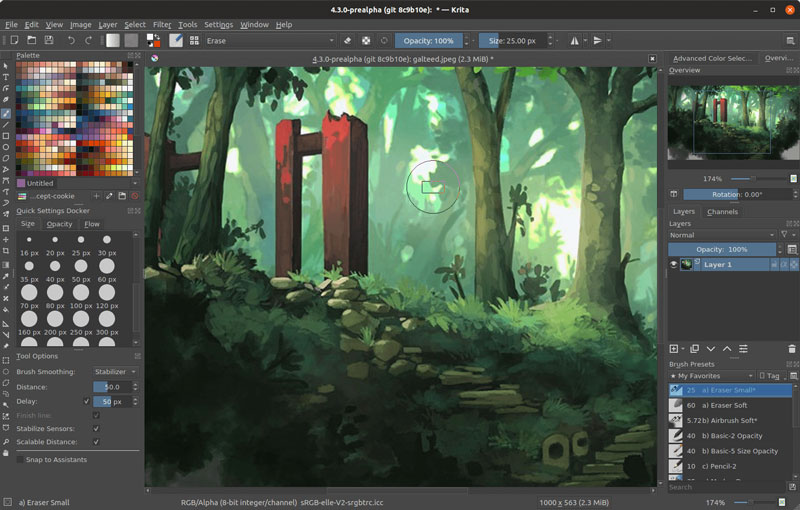
Krita is lesser-known, but it’s my favorite alternative to Photoshop. It may not have as many features as GIMP has, but it does one thing very well: digital art. Krita was built to be the go-to digital artists’ software of choice.
It comes with tons of great features: a great UI, tons of brushes for digital art, vector art editing capabilities, and even tools to create 2D animations.
Alternative to Illustrator: Inkscape
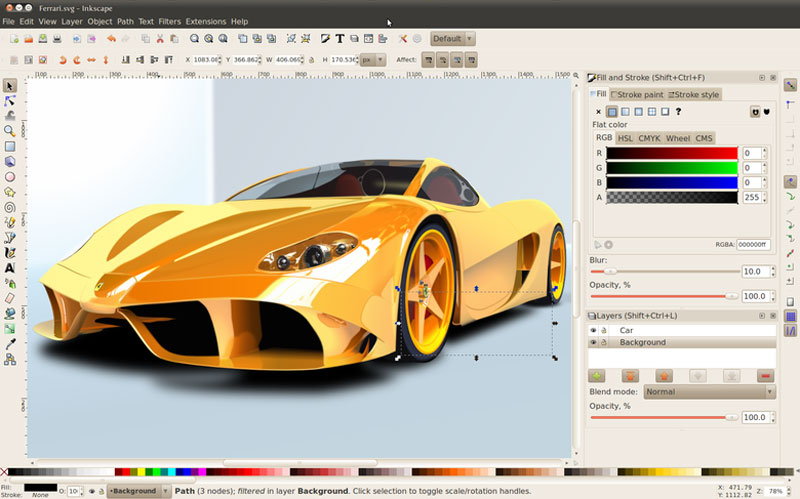
Inkscape is a very complete and professional alternative to Adobe Illustrator. It comes with flexible drawing tools, compatibility for most necessary file formats, great text, and Bezier curve tools, among other things.
If you are too used to working with Illustrator, there will be a learning curve to work with Inkscape, as there would for any other software. However, once the transition is made, you can safely work with Inkscape for any professional project as it’s a very powerful solution.
Alternative to InDesign: Scribus
For a long time, the hardest part of making the transition from Adobe’s Suite to open-source alternatives was the lack of decent alternatives to InDesign, Adobe’s powerful desktop publishing tool.
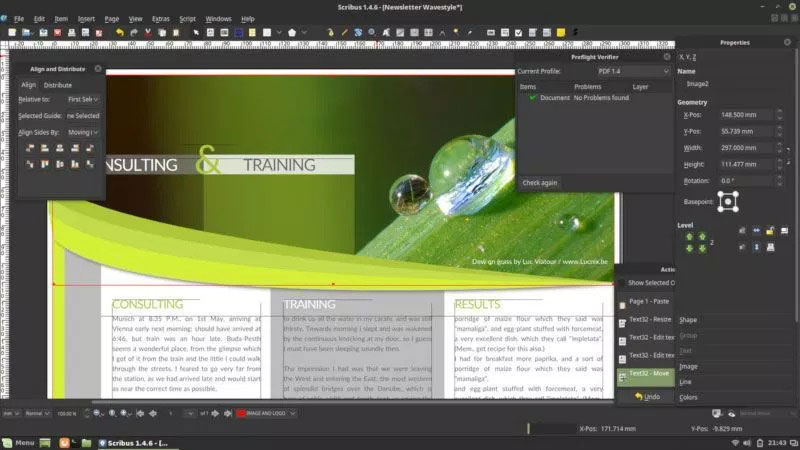
This is not longer the case, as Scribus has matured into a very professional tool that can be used to create anything that needs a layout.
The publishing features that you can now find in Scribus are: support for various color types management (CMYK, spot colors, ICC), PDF creation, vector drawing tools, powerful import/export filters, and an XML-based format that makes it much easier to recover damaged documents.
Alternative to Premiere: OpenShot
For designers who also like to work with moving things, video editing software is a must-have. If you are doing design professionally, it is also an area where finding work is getting easier, thanks to the fast growth of Youtube and online video in general.
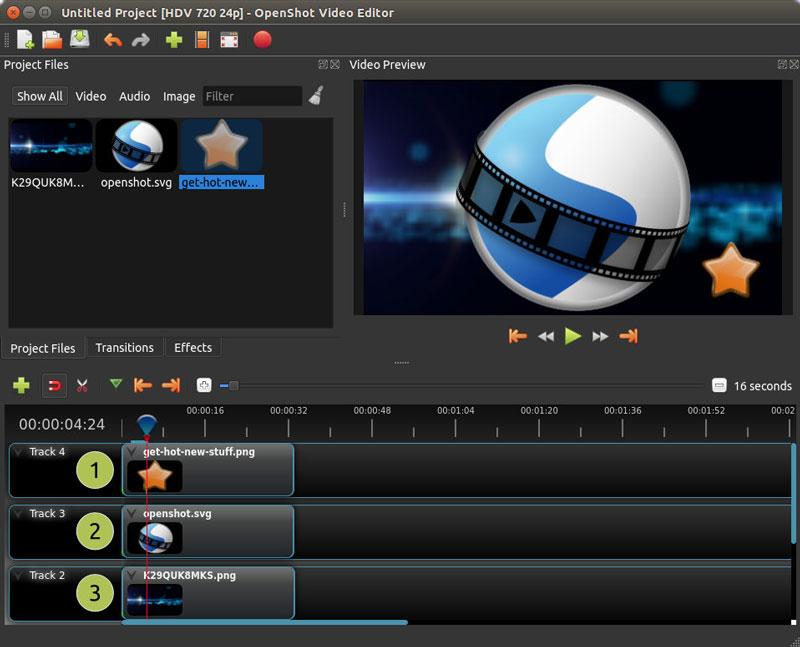
Although there are other alternatives that you could choose from, OpenShot is a safe bet if you are looking to make a quick transition. The user interface is extremely easy to get used to, especially if you have ever worked with video editing software.
Openshot is also filled with features that even go beyond simple video editing. It allows you to animate objects, use video effects, add as many layers as you need, edit text and titles, render 3D animations, or add some time effects.
Alternative to After Effects: Natron
Another tool that people into video editing use regularly is After Effects. Known for freezing computer due to high GPU usage, this software makes anything possible in your video, thanks to amazing video effect tools.
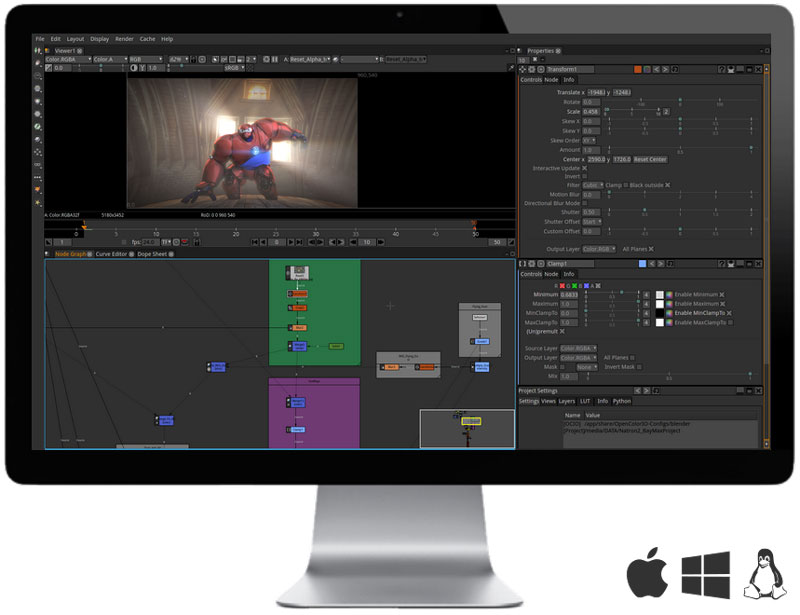
Natron is the only alternative to After Effects that I could find. It’s a powerful Digital Compositor for 2D and a little more (they call it 2.5D). You can create plenty of visual effects in your videos, tack and key elements, do rotoscoping, and more.
Alternative to Audition: Audacity
If you are creating videos, they would be very boring without sound. With Adobe’s Creative Suite, you would have used Audition to work on sound cutting and effects. There is a well-established open-source alternative: Audacity.
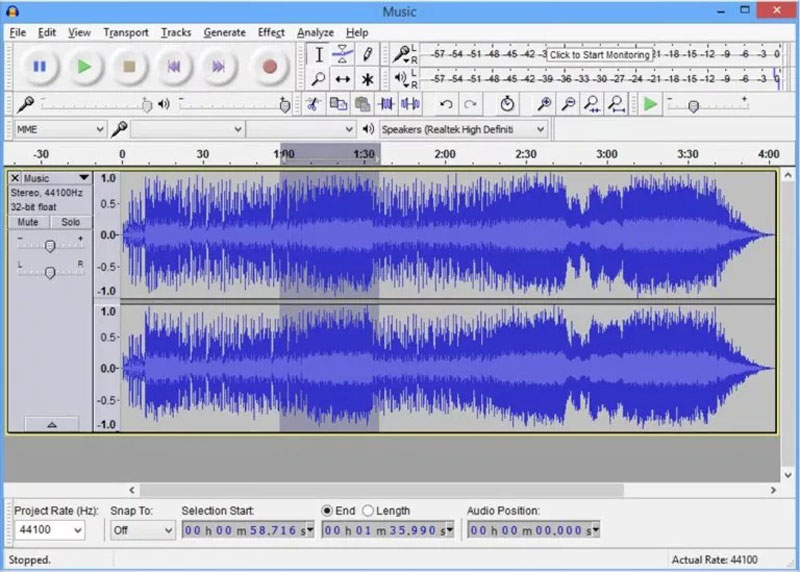
Audacity has been around for a long time now and its community of users has proved that it can be used professionally. It is a multi-track audio editor and recorder that allows you to fine-tune the sounds you want to publish.
Alternative to Adobe Acrobat: PDFedit
Adobe Acrobat may be less used by designers in their day-to-day work, but it comes very handily when you need to edit some text in a PDF or extract some images.
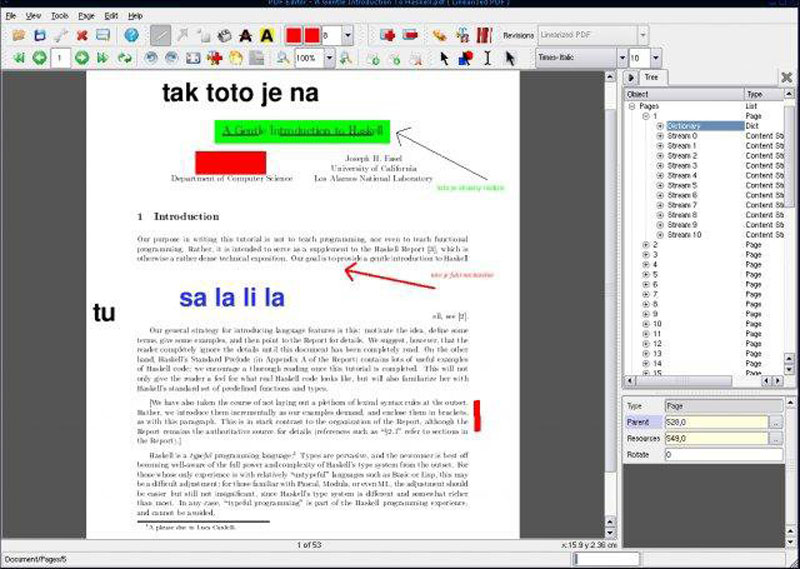
There is a free alternative to Acrobat Pro, it’s named PDFedit and it allows you to edit anything in a PDF and even change some raw PDF objects. If you are geeky enough, you can even extend its features using ECMAScript.
Whether you are a professional graphic designer with formal education in the field or you are an advanced amateur, you are probably always on the lookout for the best tools.
The first recommendation you will surely receive is to go with the Adobe Suite. It comprises a series of very professional tools, so you couldn’t be wrong by choosing to work with it.
However, not everyone appreciates Adobe’s hegemony in the world of design software. Open Source advocates already proved with web publishing tools or server software that the free and open alternatives can be as good, if not better, than their paid counterparts. Also, many designers tend to find Adobe’s products too expensive. Making a living with these tools, I don’t think that the Adobe Creative Suite is too expensive, but if you design as a hobby, it surely is.
In this post, you will find some alternatives to Adobe’s most popular tools. It is not a comprehensive list, but it will give you some good alternatives to the most used design software.
Alternatives to Photoshop: Gimp or Krita
GIMP (aka GNU Image Manipulation Program) is the oldest free and open-source alternative to Photoshop, and it’s probably also the most well-known. It allows you to do pretty much everything Photoshop does, although there are some recent features that may not have been adopted.
The most common complaint about GIMP is its interface design, which is not as pleasant as Photoshop’s UI. This can be fixed by using a fork of GIMP: Gimpshop. This fork happened to build a version of GIMP that has a UI more similar to Photoshop in order to facilitate the transition. GIMP and its fork are available for all operating systems.
Krita is lesser-known, but it’s my favorite alternative to Photoshop. It may not have as many features as GIMP has, but it does one thing very well: digital art. Krita was built to be the go-to digital artists’ software of choice.
It comes with tons of great features: a great UI, tons of brushes for digital art, vector art editing capabilities, and even tools to create 2D animations.
Alternative to Illustrator: Inkscape
Inkscape is a very complete and professional alternative to Adobe Illustrator. It comes with flexible drawing tools, compatibility for most necessary file formats, great text, and Bezier curve tools, among other things.
If you are too used to working with Illustrator, there will be a learning curve to work with Inkscape, as there would for any other software. However, once the transition is made, you can safely work with Inkscape for any professional project as it’s a very powerful solution.
Alternative to InDesign: Scribus
For a long time, the hardest part of making the transition from Adobe’s Suite to open-source alternatives was the lack of decent alternatives to InDesign, Adobe’s powerful desktop publishing tool.
This is not longer the case, as Scribus has matured into a very professional tool that can be used to create anything that needs a layout.
The publishing features that you can now find in Scribus are: support for various color types management (CMYK, spot colors, ICC), PDF creation, vector drawing tools, powerful import/export filters, and an XML-based format that makes it much easier to recover damaged documents.
Alternative to Premiere: OpenShot
For designers who also like to work with moving things, video editing software is a must-have. If you are doing design professionally, it is also an area where finding work is getting easier, thanks to the fast growth of Youtube and online video in general.
Although there are other alternatives that you could choose from, OpenShot is a safe bet if you are looking to make a quick transition. The user interface is extremely easy to get used to, especially if you have ever worked with video editing software.
Openshot is also filled with features that even go beyond simple video editing. It allows you to animate objects, use video effects, add as many layers as you need, edit text and titles, render 3D animations, or add some time effects.
Alternative to After Effects: Natron
Another tool that people into video editing use regularly is After Effects. Known for freezing computer due to high GPU usage, this software makes anything possible in your video, thanks to amazing video effect tools.
Natron is the only alternative to After Effects that I could find. It’s a powerful Digital Compositor for 2D and a little more (they call it 2.5D). You can create plenty of visual effects in your videos, tack and key elements, do rotoscoping, and more.
Alternative to Audition: Audacity
If you are creating videos, they would be very boring without sound. With Adobe’s Creative Suite, you would have used Audition to work on sound cutting and effects. There is a well-established open-source alternative: Audacity.
Audacity has been around for a long time now and its community of users has proved that it can be used professionally. It is a multi-track audio editor and recorder that allows you to fine-tune the sounds you want to publish.
Alternative to Adobe Acrobat: PDFedit
Adobe Acrobat may be less used by designers in their day-to-day work, but it comes very handily when you need to edit some text in a PDF or extract some images.
There is a free alternative to Acrobat Pro, it’s named PDFedit and it allows you to edit anything in a PDF and even change some raw PDF objects. If you are geeky enough, you can even extend its features using ECMAScript.
Whether you are a professional graphic designer with formal education in the field or you are an advanced amateur, you are probably always on the lookout for the best tools.
The first recommendation you will surely receive is to go with the Adobe Suite. It comprises a series of very professional tools, so you couldn’t be wrong by choosing to work with it.
However, not everyone appreciates Adobe’s hegemony in the world of design software. Open Source advocates already proved with web publishing tools or server software that the free and open alternatives can be as good, if not better, than their paid counterparts. Also, many designers tend to find Adobe’s products too expensive. Making a living with these tools, I don’t think that the Adobe Creative Suite is too expensive, but if you design as a hobby, it surely is.
In this post, you will find some alternatives to Adobe’s most popular tools. It is not a comprehensive list, but it will give you some good alternatives to the most used design software.
Alternatives to Photoshop: Gimp or Krita
GIMP (aka GNU Image Manipulation Program) is the oldest free and open-source alternative to Photoshop, and it’s probably also the most well-known. It allows you to do pretty much everything Photoshop does, although there are some recent features that may not have been adopted.
The most common complaint about GIMP is its interface design, which is not as pleasant as Photoshop’s UI. This can be fixed by using a fork of GIMP: Gimpshop. This fork happened to build a version of GIMP that has a UI more similar to Photoshop in order to facilitate the transition. GIMP and its fork are available for all operating systems.
Krita is lesser-known, but it’s my favorite alternative to Photoshop. It may not have as many features as GIMP has, but it does one thing very well: digital art. Krita was built to be the go-to digital artists’ software of choice.
It comes with tons of great features: a great UI, tons of brushes for digital art, vector art editing capabilities, and even tools to create 2D animations.
Alternative to Illustrator: Inkscape
Inkscape is a very complete and professional alternative to Adobe Illustrator. It comes with flexible drawing tools, compatibility for most necessary file formats, great text, and Bezier curve tools, among other things.
If you are too used to working with Illustrator, there will be a learning curve to work with Inkscape, as there would for any other software. However, once the transition is made, you can safely work with Inkscape for any professional project as it’s a very powerful solution.
Alternative to InDesign: Scribus
For a long time, the hardest part of making the transition from Adobe’s Suite to open-source alternatives was the lack of decent alternatives to InDesign, Adobe’s powerful desktop publishing tool.
This is not longer the case, as Scribus has matured into a very professional tool that can be used to create anything that needs a layout.
The publishing features that you can now find in Scribus are: support for various color types management (CMYK, spot colors, ICC), PDF creation, vector drawing tools, powerful import/export filters, and an XML-based format that makes it much easier to recover damaged documents.
Alternative to Premiere: OpenShot
For designers who also like to work with moving things, video editing software is a must-have. If you are doing design professionally, it is also an area where finding work is getting easier, thanks to the fast growth of Youtube and online video in general.
Although there are other alternatives that you could choose from, OpenShot is a safe bet if you are looking to make a quick transition. The user interface is extremely easy to get used to, especially if you have ever worked with video editing software.
Openshot is also filled with features that even go beyond simple video editing. It allows you to animate objects, use video effects, add as many layers as you need, edit text and titles, render 3D animations, or add some time effects.
Alternative to After Effects: Natron
Another tool that people into video editing use regularly is After Effects. Known for freezing computer due to high GPU usage, this software makes anything possible in your video, thanks to amazing video effect tools.
Natron is the only alternative to After Effects that I could find. It’s a powerful Digital Compositor for 2D and a little more (they call it 2.5D). You can create plenty of visual effects in your videos, tack and key elements, do rotoscoping, and more.
Alternative to Audition: Audacity
If you are creating videos, they would be very boring without sound. With Adobe’s Creative Suite, you would have used Audition to work on sound cutting and effects. There is a well-established open-source alternative: Audacity.
Audacity has been around for a long time now and its community of users has proved that it can be used professionally. It is a multi-track audio editor and recorder that allows you to fine-tune the sounds you want to publish.
Alternative to Adobe Acrobat: PDFedit
Adobe Acrobat may be less used by designers in their day-to-day work, but it comes very handily when you need to edit some text in a PDF or extract some images.
There is a free alternative to Acrobat Pro, it’s named PDFedit and it allows you to edit anything in a PDF and even change some raw PDF objects. If you are geeky enough, you can even extend its features using ECMAScript.
Whether you are a professional graphic designer with formal education in the field or you are an advanced amateur, you are probably always on the lookout for the best tools.
The first recommendation you will surely receive is to go with the Adobe Suite. It comprises a series of very professional tools, so you couldn’t be wrong by choosing to work with it.
However, not everyone appreciates Adobe’s hegemony in the world of design software. Open Source advocates already proved with web publishing tools or server software that the free and open alternatives can be as good, if not better, than their paid counterparts. Also, many designers tend to find Adobe’s products too expensive. Making a living with these tools, I don’t think that the Adobe Creative Suite is too expensive, but if you design as a hobby, it surely is.
In this post, you will find some alternatives to Adobe’s most popular tools. It is not a comprehensive list, but it will give you some good alternatives to the most used design software.
Alternatives to Photoshop: Gimp or Krita
GIMP (aka GNU Image Manipulation Program) is the oldest free and open-source alternative to Photoshop, and it’s probably also the most well-known. It allows you to do pretty much everything Photoshop does, although there are some recent features that may not have been adopted.
The most common complaint about GIMP is its interface design, which is not as pleasant as Photoshop’s UI. This can be fixed by using a fork of GIMP: Gimpshop. This fork happened to build a version of GIMP that has a UI more similar to Photoshop in order to facilitate the transition. GIMP and its fork are available for all operating systems.
Krita is lesser-known, but it’s my favorite alternative to Photoshop. It may not have as many features as GIMP has, but it does one thing very well: digital art. Krita was built to be the go-to digital artists’ software of choice.
It comes with tons of great features: a great UI, tons of brushes for digital art, vector art editing capabilities, and even tools to create 2D animations.
Alternative to Illustrator: Inkscape
Inkscape is a very complete and professional alternative to Adobe Illustrator. It comes with flexible drawing tools, compatibility for most necessary file formats, great text, and Bezier curve tools, among other things.
If you are too used to working with Illustrator, there will be a learning curve to work with Inkscape, as there would for any other software. However, once the transition is made, you can safely work with Inkscape for any professional project as it’s a very powerful solution.
Alternative to InDesign: Scribus
For a long time, the hardest part of making the transition from Adobe’s Suite to open-source alternatives was the lack of decent alternatives to InDesign, Adobe’s powerful desktop publishing tool.
This is not longer the case, as Scribus has matured into a very professional tool that can be used to create anything that needs a layout.
The publishing features that you can now find in Scribus are: support for various color types management (CMYK, spot colors, ICC), PDF creation, vector drawing tools, powerful import/export filters, and an XML-based format that makes it much easier to recover damaged documents.
Alternative to Premiere: OpenShot
For designers who also like to work with moving things, video editing software is a must-have. If you are doing design professionally, it is also an area where finding work is getting easier, thanks to the fast growth of Youtube and online video in general.
Although there are other alternatives that you could choose from, OpenShot is a safe bet if you are looking to make a quick transition. The user interface is extremely easy to get used to, especially if you have ever worked with video editing software.
Openshot is also filled with features that even go beyond simple video editing. It allows you to animate objects, use video effects, add as many layers as you need, edit text and titles, render 3D animations, or add some time effects.
Alternative to After Effects: Natron
Another tool that people into video editing use regularly is After Effects. Known for freezing computer due to high GPU usage, this software makes anything possible in your video, thanks to amazing video effect tools.
Natron is the only alternative to After Effects that I could find. It’s a powerful Digital Compositor for 2D and a little more (they call it 2.5D). You can create plenty of visual effects in your videos, tack and key elements, do rotoscoping, and more.
Alternative to Audition: Audacity
If you are creating videos, they would be very boring without sound. With Adobe’s Creative Suite, you would have used Audition to work on sound cutting and effects. There is a well-established open-source alternative: Audacity.
Audacity has been around for a long time now and its community of users has proved that it can be used professionally. It is a multi-track audio editor and recorder that allows you to fine-tune the sounds you want to publish.
Alternative to Adobe Acrobat: PDFedit
Adobe Acrobat may be less used by designers in their day-to-day work, but it comes very handily when you need to edit some text in a PDF or extract some images.
There is a free alternative to Acrobat Pro, it’s named PDFedit and it allows you to edit anything in a PDF and even change some raw PDF objects. If you are geeky enough, you can even extend its features using ECMAScript.