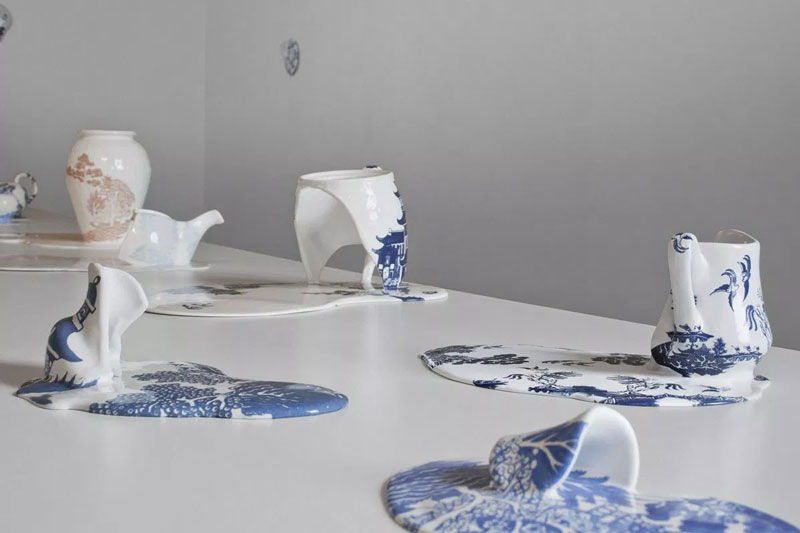
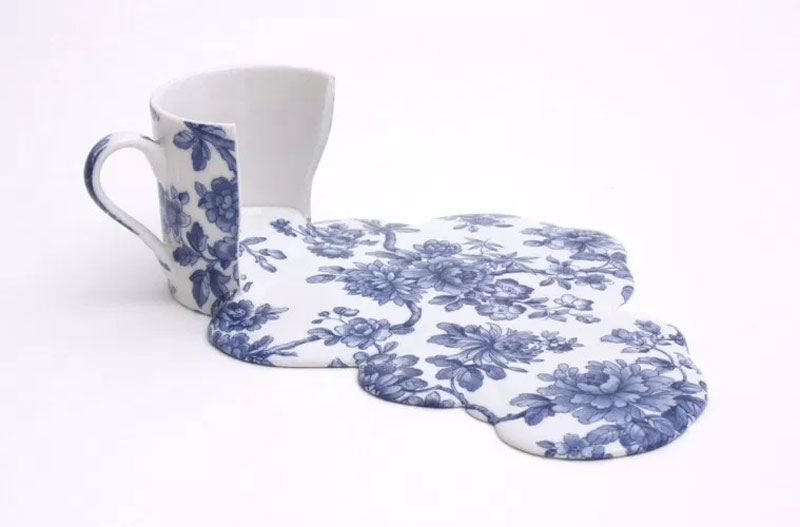
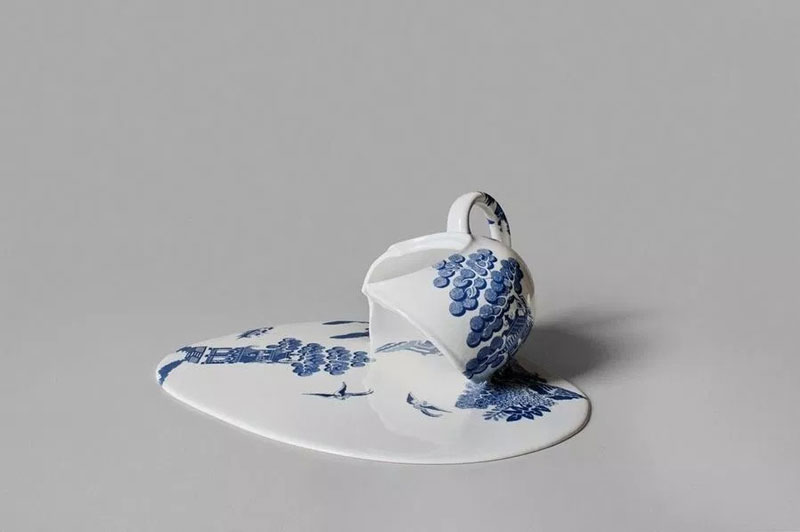
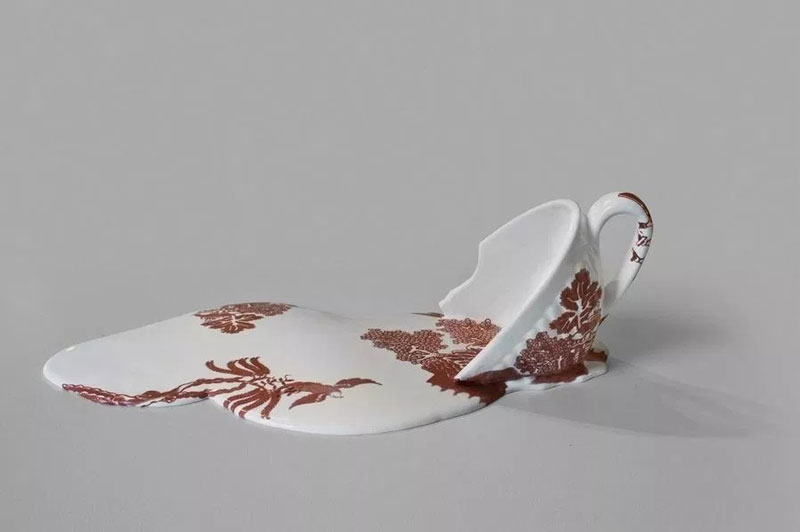
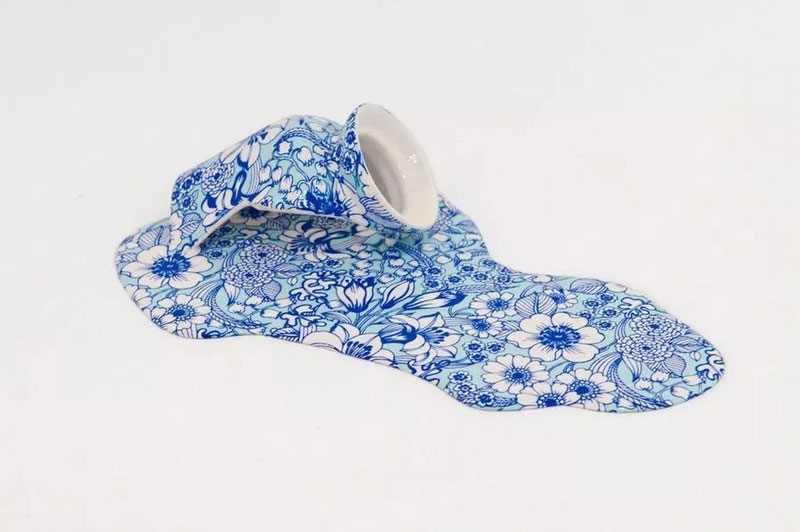
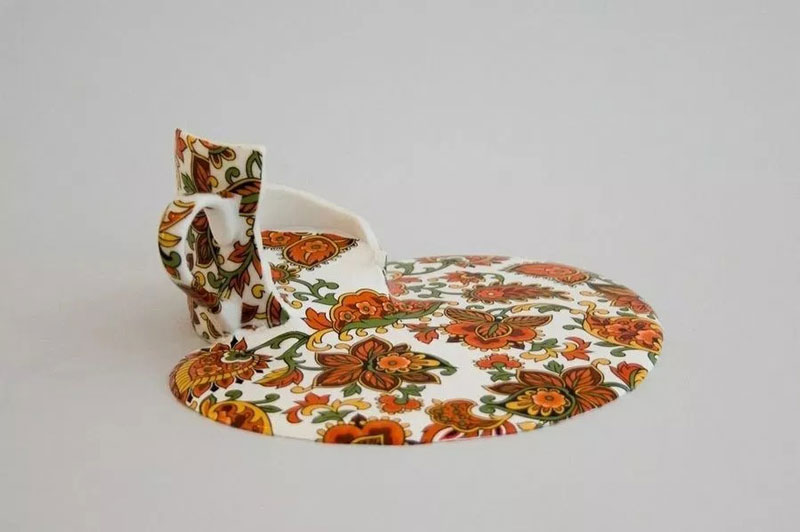
Livia Marin’s teapots and cups seem to come out of a Salvador Dali painting. The Chile-born artist created these with a mix of resin, ceramic, and transfer patterns, making it look like it melted in a very unusual fashion.
Did you know that the attention span of a
human is shorter than a goldfish’s? The attention span of a goldfish is 9
seconds while a human’s attention span is anywhere from 6 seconds to 8 seconds!
You’re probably wondering what this has to do with your website… well, it has a
lot to with the design of your website.
You may find it hard to believe but the way
your website “looks” plays a major role in how long a customer or visitor will
stay on your site. Because a human’s attention span is shorter than that of a
goldfish, it’s incredibly important to grab the visitor’s attention within the
first few seconds of their encounter to your website.
You Have 7 Seconds…
Tributemedia.com says that when someone visits
your website, your website needs to answer four questions within seven seconds:
What is this website about?/How will it help someone?- Once a visitor lands on your website, they should be able to figure
out what your website is all about or what product or service it is you’re
selling.
Does this website grab their attention?-
Aesthetically speaking, does my website look good? Your website should be easy
on the eye, meaning easy to read with good font and size choices as well as a
pleasing color scheme.
What does this website want the customer to do?- Your website should have a very clear call-to-action. When a visitor
goes to your website, it should be obvious what the website wants you to do.
Your website should either want you to buy something or provide good and
helpful information.
Will your visitors have a good experience where they want to share it?- Hopefully so. You ultimately want anyone who visits your site to have
a great user experience whether they’re buying something or not. You want them
to leave good customer reviews and share your site with friends and family via
word-of-mouth or through social media.
Design Elements to Make Visitors
Stay and Gander
Let’s say that you have an online business and
you have all the logistics worked out but you’re still trying to find the best small business WordPress hosting. With that,
you have several wonderful options to choose from that can take your online
business to the next level. Once you find the one you want, this is when the
creative process of building your website comes into play.
Typography: It Should Be Unique
and Distinct
For your website, you’ll want typography or a
font that will be uniquely linked to your site… something that visitors will be
able to distinguish in their minds that will make you stand out from your
competitors.
Large Images of the Product
For your business, if you’re selling products,
you want to make sure that you have large images of your products so that
visitors will be able to see what they’re truly buying. These large images help
potential customers see the product in great detail.
For these images, you don’t have to be a
professional photographer either… but you do need to know how to use photography effectively. The large
images you put on your site should entice visitors to want to buy whatever
they’re looking for on your site.
Organized Menu
Nothing is more unattractive on a website than
clutter. Clutter isn’t just found in homes… websites have clutter too! Because
of “website clutter” a lot of businesses opt for the “hamburger menu.” With the
hamburger menu, it allows visitors who visit your site to be able to go to the
exact page they want to see. It’s those three lines stacked on top of each
other (like a hamburger) that you see on the top right-hand side of a website.
Videos in the Background
One thing that people don’t take advantage of
or realize the benefit of is background videos. Having a video that plays in
the background of your website can actually save a lot of space and reduce a
portion of content that could be needed to explain the purpose of your
business.
For example, a visitor may come to the
homepage of your site. Upon arriving on the homepage, a large video
automatically starts playing. Once that video starts playing, it will then
prompt the visitor to want to click the main video. The purpose of the video is
to entice visitors from the moment that come to your site. This is especially
important, given the human’s short attention span!
Did you know that the attention span of a
human is shorter than a goldfish’s? The attention span of a goldfish is 9
seconds while a human’s attention span is anywhere from 6 seconds to 8 seconds!
You’re probably wondering what this has to do with your website… well, it has a
lot to with the design of your website.
You may find it hard to believe but the way
your website “looks” plays a major role in how long a customer or visitor will
stay on your site. Because a human’s attention span is shorter than that of a
goldfish, it’s incredibly important to grab the visitor’s attention within the
first few seconds of their encounter to your website.
You Have 7 Seconds…
Tributemedia.com says that when someone visits
your website, your website needs to answer four questions within seven seconds:
What is this website about?/How will it help someone?- Once a visitor lands on your website, they should be able to figure
out what your website is all about or what product or service it is you’re
selling.
Does this website grab their attention?-
Aesthetically speaking, does my website look good? Your website should be easy
on the eye, meaning easy to read with good font and size choices as well as a
pleasing color scheme.
What does this website want the customer to do?- Your website should have a very clear call-to-action. When a visitor
goes to your website, it should be obvious what the website wants you to do.
Your website should either want you to buy something or provide good and
helpful information.
Will your visitors have a good experience where they want to share it?- Hopefully so. You ultimately want anyone who visits your site to have
a great user experience whether they’re buying something or not. You want them
to leave good customer reviews and share your site with friends and family via
word-of-mouth or through social media.
Design Elements to Make Visitors
Stay and Gander
Let’s say that you have an online business and
you have all the logistics worked out but you’re still trying to find the best small business WordPress hosting. With that,
you have several wonderful options to choose from that can take your online
business to the next level. Once you find the one you want, this is when the
creative process of building your website comes into play.
Typography: It Should Be Unique
and Distinct
For your website, you’ll want typography or a
font that will be uniquely linked to your site… something that visitors will be
able to distinguish in their minds that will make you stand out from your
competitors.
Large Images of the Product
For your business, if you’re selling products,
you want to make sure that you have large images of your products so that
visitors will be able to see what they’re truly buying. These large images help
potential customers see the product in great detail.
For these images, you don’t have to be a
professional photographer either… but you do need to know how to use photography effectively. The large
images you put on your site should entice visitors to want to buy whatever
they’re looking for on your site.
Organized Menu
Nothing is more unattractive on a website than
clutter. Clutter isn’t just found in homes… websites have clutter too! Because
of “website clutter” a lot of businesses opt for the “hamburger menu.” With the
hamburger menu, it allows visitors who visit your site to be able to go to the
exact page they want to see. It’s those three lines stacked on top of each
other (like a hamburger) that you see on the top right-hand side of a website.
Videos in the Background
One thing that people don’t take advantage of
or realize the benefit of is background videos. Having a video that plays in
the background of your website can actually save a lot of space and reduce a
portion of content that could be needed to explain the purpose of your
business.
For example, a visitor may come to the
homepage of your site. Upon arriving on the homepage, a large video
automatically starts playing. Once that video starts playing, it will then
prompt the visitor to want to click the main video. The purpose of the video is
to entice visitors from the moment that come to your site. This is especially
important, given the human’s short attention span!
A logo is one of
the best ways to communicate with your clientele and create a brand name for
your business. Many business owners struggle to create the right logo for their
business. Instead of just picking up a new design, it is better to follow a few
tips when creating the logo for your business. These few tips will make it easy
for you to get the right logo.
We will share with you ten different tips which you can
follow while creating the logo for your business.
1.
Understand your brand:
The first thing
which you have to ensure is the association of the logo with your brand. You
have to write down a few things which you need to associate with your brand.
Once you design the logo, you have to ask yourself if these things associate
with the logo design or not. Doing so will help you choose the right design.
2.
Industry reflection:
You should always
choose a logo design which reflects your industry. It will help you design a
more relevant logo, which can best present your business.
3. Get
the colors right:
The colors in the
logo should be such that they go well with each other. Also, they should
complement each other as well. Only when you get the colors right, the logo
becomes easy to decipher.
4.
Choose fonts wisely:
While designing, or
creating the logo, it is essential to understand that the fonts are not only
for creating the company name but also add a bit of personality to the logo.
Due to this very reason, you have to choose the fonts carefully. They should be
easy to decipher and should add to the look of the logo and the personality of
the business. Doing so will help you create a logo which can brand
your business.
5.
Decide the type of logo:
Logos can be of
different types. You can choose one which uses only the brand name of the
company, or you can choose one which has an abstract design. When you generate logo
for your business, it is essential to first decide between different types like:
Monogram
Abstract
Mascots
Emblem
Wordmarks
Only once you can
decide the logotype, you can go ahead and create the right one for your
business.
6. Go
with simple design:
One thing which
most of the business owners and designers ignore is that you should always keep
the logo simple. Only when it is simple enough, people can associate it with
your business quite easily. You should ensure that at the most, you use two
colors in the logo and the fonts should be easy to read. The viewer should be
able to decipher the logo in a single glance. You have to keep this in mind
while generating the logo for your business.
7.
Choose a versatile design:
You need to
understand that the look of your business will not just be on your website. It
can be on your business cards, manuals, pamphlets and a variety of other marketing materials. Hence; you have to choose
a versatile design which will look good on all of these places.
8.
Decide the positioning:
You can generate
the logo in a horizontal or a vertical position. The choice is entirely up to
you. However, before you finalize the draft, it is essential to decide which
one you prefer and then choose accordingly.
9. Be
ready to revise:
You have to assume
that in the very first attempt, you can’t generate the perfect logo. That is why;
you will have to edit it at least a few times. You might have to change the
entire design and start from scratch as well. Instead of getting frustrated,
you have to understand that it is part of the process and therefore; be ready
to change the design.
10.
Make it readable:
Lastly, you have to
generate the logo in such a way that anyone can read it. Only when that is the
case, you can go for mass branding.
These are the ten
tips which you should always follow when generating a logo for your business. You
can easily brand your business with the help of the logo designed using this
guide. Once you follow this guide, it is effortless to get the right design in
a short time.
A logo is one of
the best ways to communicate with your clientele and create a brand name for
your business. Many business owners struggle to create the right logo for their
business. Instead of just picking up a new design, it is better to follow a few
tips when creating the logo for your business. These few tips will make it easy
for you to get the right logo.
We will share with you ten different tips which you can
follow while creating the logo for your business.
1.
Understand your brand:
The first thing
which you have to ensure is the association of the logo with your brand. You
have to write down a few things which you need to associate with your brand.
Once you design the logo, you have to ask yourself if these things associate
with the logo design or not. Doing so will help you choose the right design.
2.
Industry reflection:
You should always
choose a logo design which reflects your industry. It will help you design a
more relevant logo, which can best present your business.
3. Get
the colors right:
The colors in the
logo should be such that they go well with each other. Also, they should
complement each other as well. Only when you get the colors right, the logo
becomes easy to decipher.
4.
Choose fonts wisely:
While designing, or
creating the logo, it is essential to understand that the fonts are not only
for creating the company name but also add a bit of personality to the logo.
Due to this very reason, you have to choose the fonts carefully. They should be
easy to decipher and should add to the look of the logo and the personality of
the business. Doing so will help you create a logo which can brand
your business.
5.
Decide the type of logo:
Logos can be of
different types. You can choose one which uses only the brand name of the
company, or you can choose one which has an abstract design. When you generate logo
for your business, it is essential to first decide between different types like:
Monogram
Abstract
Mascots
Emblem
Wordmarks
Only once you can
decide the logotype, you can go ahead and create the right one for your
business.
6. Go
with simple design:
One thing which
most of the business owners and designers ignore is that you should always keep
the logo simple. Only when it is simple enough, people can associate it with
your business quite easily. You should ensure that at the most, you use two
colors in the logo and the fonts should be easy to read. The viewer should be
able to decipher the logo in a single glance. You have to keep this in mind
while generating the logo for your business.
7.
Choose a versatile design:
You need to
understand that the look of your business will not just be on your website. It
can be on your business cards, manuals, pamphlets and a variety of other marketing materials. Hence; you have to choose
a versatile design which will look good on all of these places.
8.
Decide the positioning:
You can generate
the logo in a horizontal or a vertical position. The choice is entirely up to
you. However, before you finalize the draft, it is essential to decide which
one you prefer and then choose accordingly.
9. Be
ready to revise:
You have to assume
that in the very first attempt, you can’t generate the perfect logo. That is why;
you will have to edit it at least a few times. You might have to change the
entire design and start from scratch as well. Instead of getting frustrated,
you have to understand that it is part of the process and therefore; be ready
to change the design.
10.
Make it readable:
Lastly, you have to
generate the logo in such a way that anyone can read it. Only when that is the
case, you can go for mass branding.
These are the ten
tips which you should always follow when generating a logo for your business. You
can easily brand your business with the help of the logo designed using this
guide. Once you follow this guide, it is effortless to get the right design in
a short time.
When creating a website from scratch, there’s always a lot of
things to keep in mind. A lot of work goes into designing a website. However, a
lot more work has to go into securing it.
Ensuring the code’s good, relying on a VPN to encrypt the
connection, protecting the passwords, etc. All of these things play a major
role in improving cybersecurity, so let’s take a closer look.
First Thing’s First
Writing a quality code takes a lot of time and effort, but it’s essential. Cybercriminals are agile and constantly working on ways that’ll help them navigate around a website’s code. Staying on top of trends and being familiar with the popular methods hackers use could prove to be invaluable.
Investing in ethical hackers after designing a website is a great
idea. They can help find any vulnerabilities and report them so that they can
be fixed.
Navigation
This refers to the general internet navigation rather than the
navigation of the website that’s being designed. Staying vigilant when browsing
the internet from the office computer can save everyone a lot of trouble.
There are countless of malicious websites that can compromise the
security of the computer. Over 350,000 new malicious programs are detected
every day. And even with good firewalls in place, some can still slip through
the cracks. Wise navigation is always advised.
Secure Connection
An internet connection that’s open to others poses major risks, as
it enables anyone with some skill to attack a device connected to that network.
The only thing that ensures a truly secure and private internet
connection is a VPN. VPN creates a tunnel between the device and the network.
It routes internet traffic through remote servers, providing an anonymous
connection with almost indecipherable encryption.
Even if the website itself was designed following the best
cybersecurity practices, there are other vulnerabilities.
Companies with social media accounts must ensure those accounts
are secure as well. Employee emails, personal and other accounts must be
considered as well.
Companies with BYOD policies have to ensure the cybersecurity of
each device. All vulnerabilities must be taken into account to really improve
the company’s cybersecurity.
Sensitive Information
Businesses that sell their products online must ensure all client
credit card information is completely secure.
The countless data breaches of the past few years have made many
people wary. Therefore, if a company doesn’t have proper security measures in
place, customers are more likely to take their business elsewhere.
While storing client information on a computer is essential, that
information must never land on a company’s website. No page should store
sensitive client information. This would only increase the chance of
cyberattack and has no benefits whatsoever.
Password Protection
Creating a strong password for a website is a must. Good passwords
are the first step towards improving the overall cybersecurity. So, web designers
should come up with one that’s impossible to guess.
Any public information about the business should not be in the
password. The best solution here is to rely on password managers that can
generate strong and unique passwords.
The Backup Plan
No matter how well-designed a website is, some mistakes will peek
through. This is why it’s always good to have a backup plan for the worst-case
scenario.
Having a backup plan will ensure that the best course of action is
taken in case of a breach. It will limit the potential losses, and it will be
easier to deal with the crisis.
Having a backup plan,
practicing safe internet browsing, and using a VPN. All of this is necessary to
improve the overall cybersecurity of the whole organization. None of these steps
should be skipped, as cybersecurity is not a single solution to a single
problem – it’s different parts working together.
When creating a website from scratch, there’s always a lot of
things to keep in mind. A lot of work goes into designing a website. However, a
lot more work has to go into securing it.
Ensuring the code’s good, relying on a VPN to encrypt the
connection, protecting the passwords, etc. All of these things play a major
role in improving cybersecurity, so let’s take a closer look.
First Thing’s First
Writing a quality code takes a lot of time and effort, but it’s essential. Cybercriminals are agile and constantly working on ways that’ll help them navigate around a website’s code. Staying on top of trends and being familiar with the popular methods hackers use could prove to be invaluable.
Investing in ethical hackers after designing a website is a great
idea. They can help find any vulnerabilities and report them so that they can
be fixed.
Navigation
This refers to the general internet navigation rather than the
navigation of the website that’s being designed. Staying vigilant when browsing
the internet from the office computer can save everyone a lot of trouble.
There are countless of malicious websites that can compromise the
security of the computer. Over 350,000 new malicious programs are detected
every day. And even with good firewalls in place, some can still slip through
the cracks. Wise navigation is always advised.
Secure Connection
An internet connection that’s open to others poses major risks, as
it enables anyone with some skill to attack a device connected to that network.
The only thing that ensures a truly secure and private internet
connection is a VPN. VPN creates a tunnel between the device and the network.
It routes internet traffic through remote servers, providing an anonymous
connection with almost indecipherable encryption.
Even if the website itself was designed following the best
cybersecurity practices, there are other vulnerabilities.
Companies with social media accounts must ensure those accounts
are secure as well. Employee emails, personal and other accounts must be
considered as well.
Companies with BYOD policies have to ensure the cybersecurity of
each device. All vulnerabilities must be taken into account to really improve
the company’s cybersecurity.
Sensitive Information
Businesses that sell their products online must ensure all client
credit card information is completely secure.
The countless data breaches of the past few years have made many
people wary. Therefore, if a company doesn’t have proper security measures in
place, customers are more likely to take their business elsewhere.
While storing client information on a computer is essential, that
information must never land on a company’s website. No page should store
sensitive client information. This would only increase the chance of
cyberattack and has no benefits whatsoever.
Password Protection
Creating a strong password for a website is a must. Good passwords
are the first step towards improving the overall cybersecurity. So, web designers
should come up with one that’s impossible to guess.
Any public information about the business should not be in the
password. The best solution here is to rely on password managers that can
generate strong and unique passwords.
The Backup Plan
No matter how well-designed a website is, some mistakes will peek
through. This is why it’s always good to have a backup plan for the worst-case
scenario.
Having a backup plan will ensure that the best course of action is
taken in case of a breach. It will limit the potential losses, and it will be
easier to deal with the crisis.
Having a backup plan,
practicing safe internet browsing, and using a VPN. All of this is necessary to
improve the overall cybersecurity of the whole organization. None of these steps
should be skipped, as cybersecurity is not a single solution to a single
problem – it’s different parts working together.
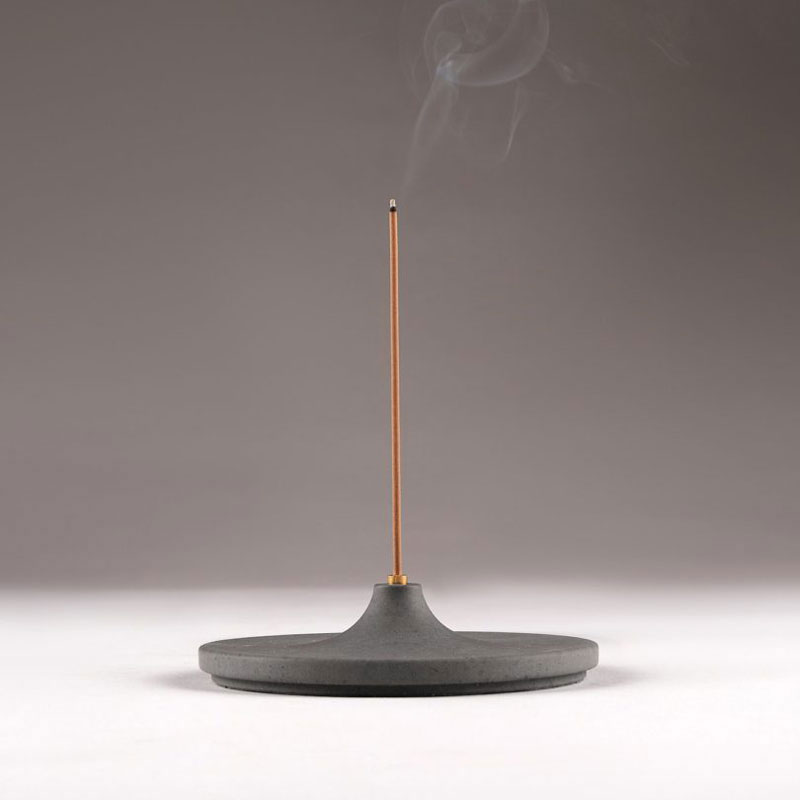
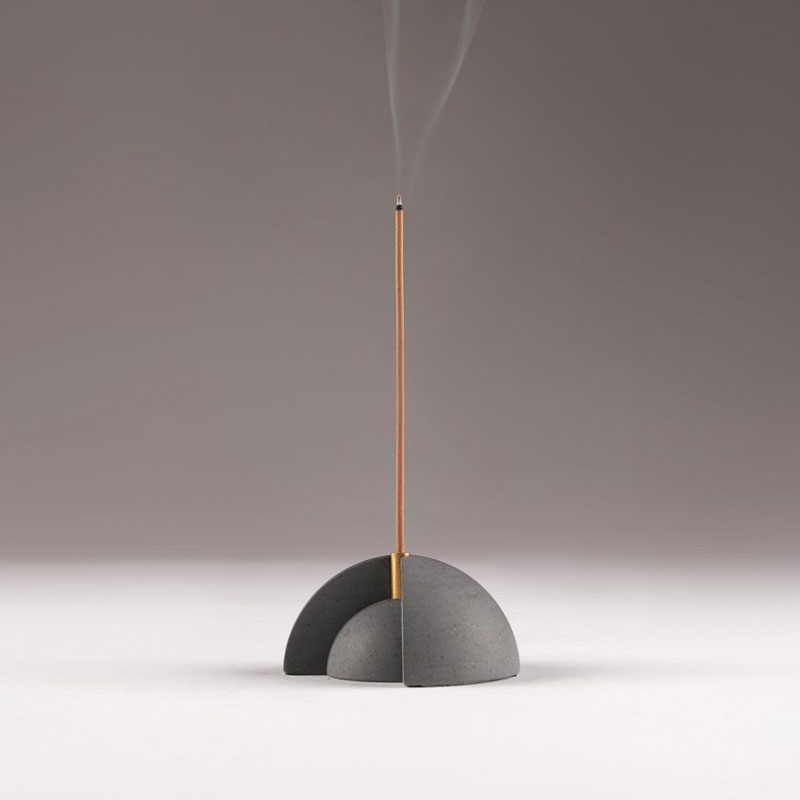
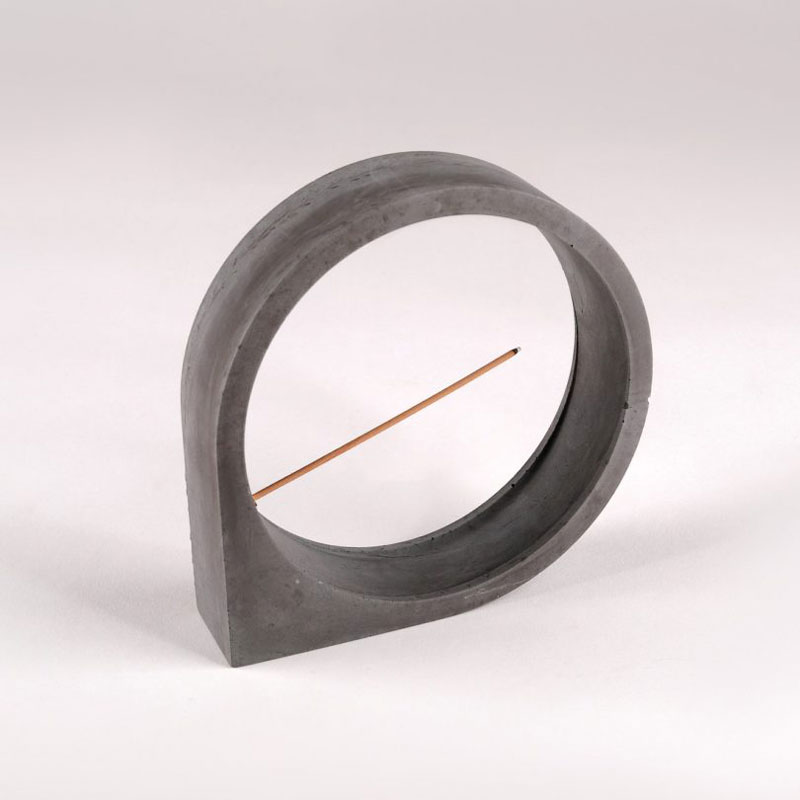
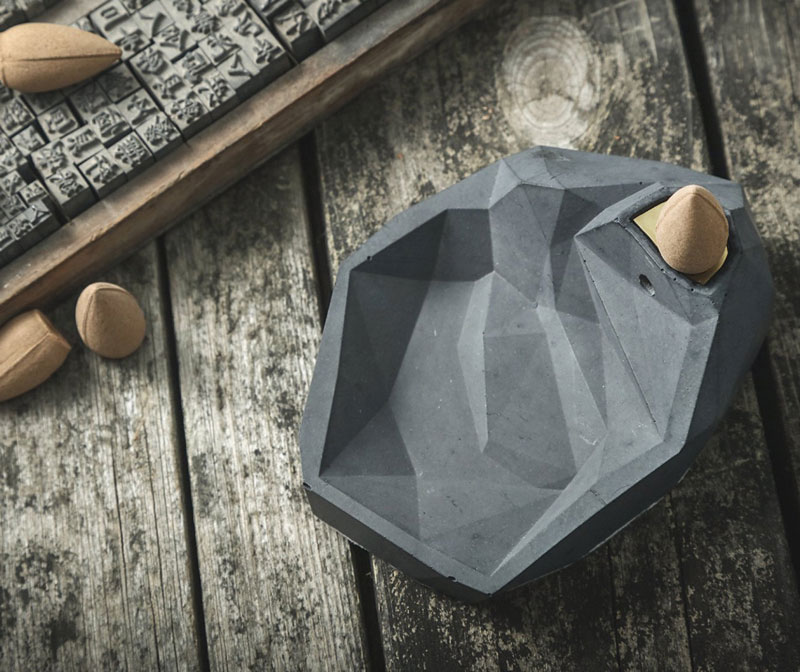
When you think of exciting design, incense burners are not the first product that comes to mind. With these designs inspired by the brutalist movement, the designers at Kin Objects demonstrate once more that we should look for inspiration in unusual places.
The designs come from a couple of first-generation immigrants who landed to USA and Australia and decided to go back to their roots. With these incense burners, they blend their mixed origins to create unique designs.
When you think of exciting design, incense burners are not the first product that comes to mind. With these designs inspired by the brutalist movement, the designers at Kin Objects demonstrate once more that we should look for inspiration in unusual places.
The designs come from a couple of first-generation immigrants who landed to USA and Australia and decided to go back to their roots. With these incense burners, they blend their mixed origins to create unique designs.
It is great fun to design a website. When your client is about to enter into a new project, all they do is put their complete faith on you to bring their ideas into life. Seeing a big smile on your happy client’s face is the most satisfying thing that any designer can ever ask for. But, even the best of the relationship with your client can go wrong if a proper web design contract is not in place.
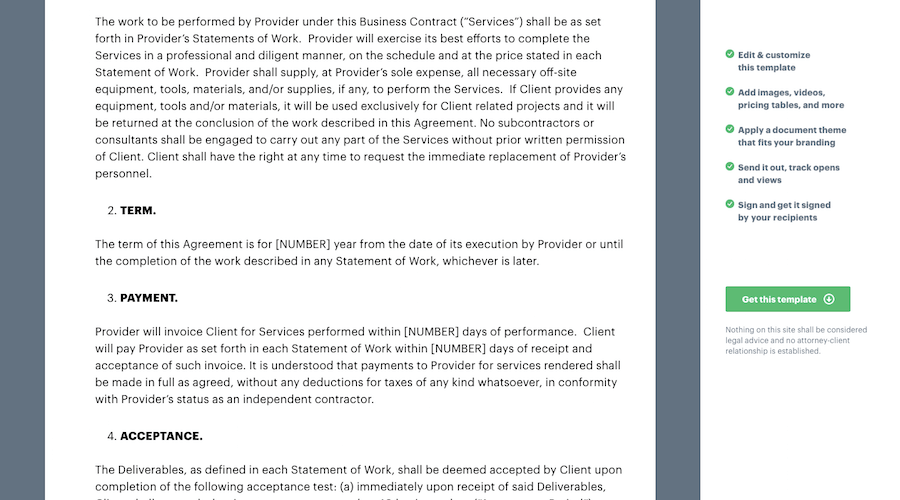
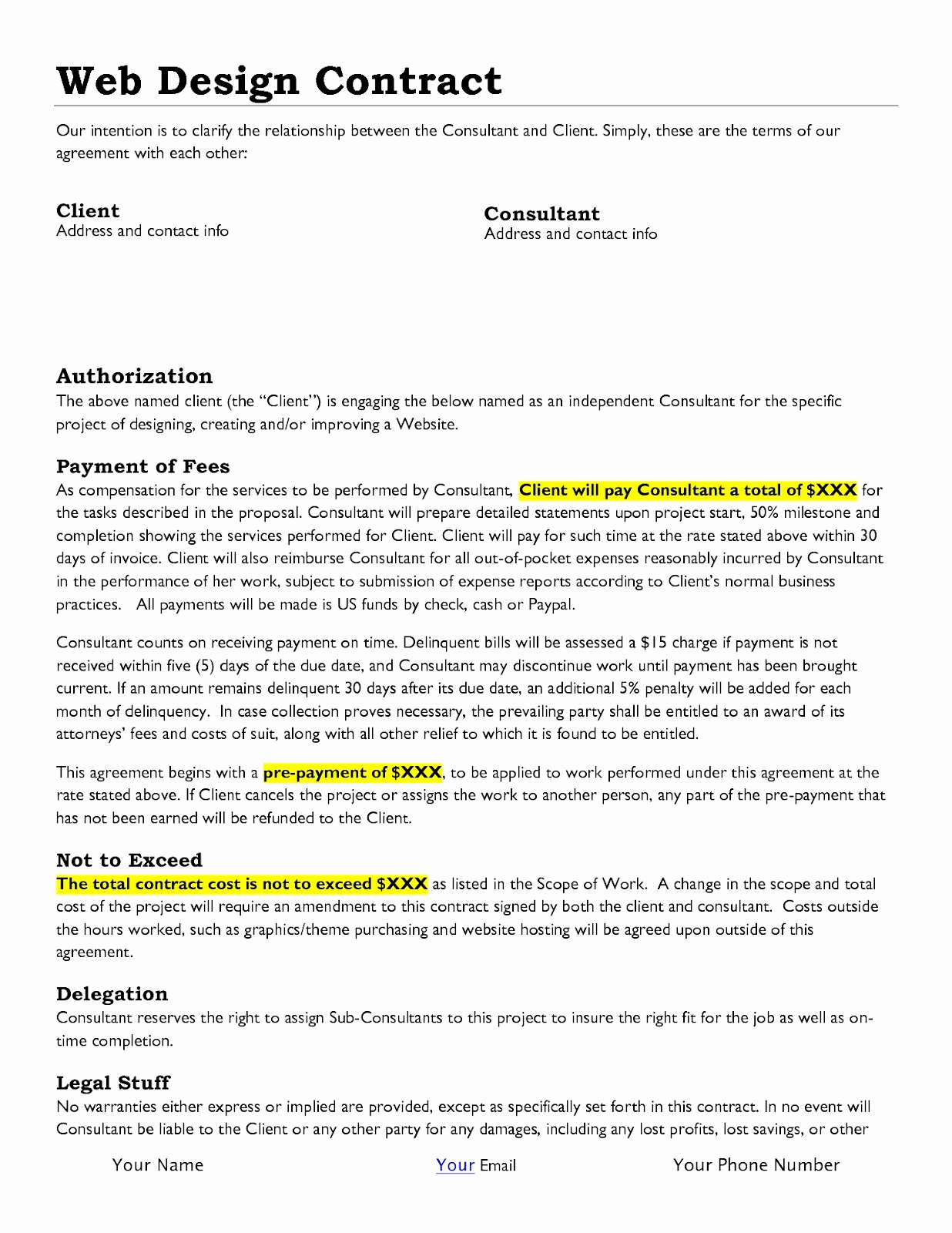
A complete and solid contract can avert the concerns that you fear and try to avoid. A web design contract can be complicated or simple according to the project’s complexity and size but, there are certain elements that one should never miss even in the smallest of the contract. You and your client can save yourself a lot of trouble and time by simply having a proper web design contract with some of the key points mentioned in it. Here are the 5 things you should never forget in a web design contract.
There are various components when you design a website. When a contract is worked in print, it’s usually believed that the client pays 100% for your services and takes complete ownership of the work produced. But, it doesn’t remain that simple when you actually start developing the website and offering your services. So, it is very important to mention what you are offering and what you are not in the web design contract.
For instance, what should be done if your client wishes to change web hosting in the future, the layout, etc.? Other things that you may include in the web design contract are – theme or web layout ownership, the web design, site development coding, site’s CMS System, any intellectual property owned by the client or you, web copy, and more. To avoid any sticky legal mess, it is important to state each of the points in the web design contract clearly.
Client and Your Layout Responsibilities
When a website is designed, it is a two-way process. Firstly, your responsibility is to ensure 100% perfection in what you deliver and also maintain your repute in the industry. And secondly, your client’s responsibilities to provide all the information you need to complete the project and also offer on-time feedback to help you with the on-going development.
Often clients fail to understand it, so always better to put down in writing like client need to provide the product info, photos, complete plan of the site, key information such as FTP or WordPress detail. One of the most vital things is who is going to upload the content, the client or the designer, which creates a lot of tension. So, it is always better to be clear from the beginning by including these points in the web design contract.
It might be a tricky situation when it comes to the payment part but it is the most vital one too. In order to ensure that you receive the full payment, never feel shy to get your payment upfront. Completing work and then getting paid is what you would never look forward to, as there are chances of the client ignoring or delaying your payment. If you cannot ask for the payment upfront, ensure to get part payments as you keep completing the work.
Mention each of the milestones whatever is discussed with your client regarding payment in the contract to avoid any confusion at a later date. For instance, if you have a $6000 project, you may divide and detail your milestone into 50% and 25%-25% ratio. Like 50% as deposit, 25% at the completion of the design phase and another 25%at the final site delivery phase. Never start the work without getting any upfront fees.
Charge for Any Kind of Additional Work or Time
It is important to note that if you do good work, clients will automatically come to you for your web design/development services. You don’t need to do any work other than the work mentioned in the contract or revisions free of cost to please your client. If you are given any additional work by the client, you might feel it is just a matter of 30 seconds so let’s fix but never do so without charging the money.
Any kind of additional work must always be billed hourly. Even if you are visiting a client, ensure to charge for it, whether effort or your time, it is your money. Apart from web design, if you also offer hosting services, mention the same in the web design contract. Keep the detail handy about how often and how much your client needs to pay you.
Contract Termination or Change of Terms
If you don’t wish to work with a client for whatever reason it might be or if you want to change any clause, your contract must have the point that you are allowed to do so to avoid any problem in the future. It definitely has to be fair for the client as well, for example, giving a notice period before leaving or coming to a decision from both parties before changing a clause.
In case of termination of the contract, the web design contract must have the details like within how many days the client properties like discs, images, etc. have to be returned, etc.
You must think of every situation and then draft the web design contract. Do you have any other important points to share that must be included in a web design contract? Feel free to share.
Agregator najlepszych postów o designie, webdesignie, cssie i Internecie