Archiwum kategorii: Design

10 WooCommerce Extensions to enhance your online shop

Post pobrano z: 10 WooCommerce Extensions to enhance your online shop

1. WooCommerce Product Reviews Pro

WooCommerce Product Reviews Pro allows you to supercharge your product reviews to add filtering, even more review capabilities, and provide additional discussion options. Meet the expectations of your customers by providing the same review capabilities as all large e-retailers in your own online shop.
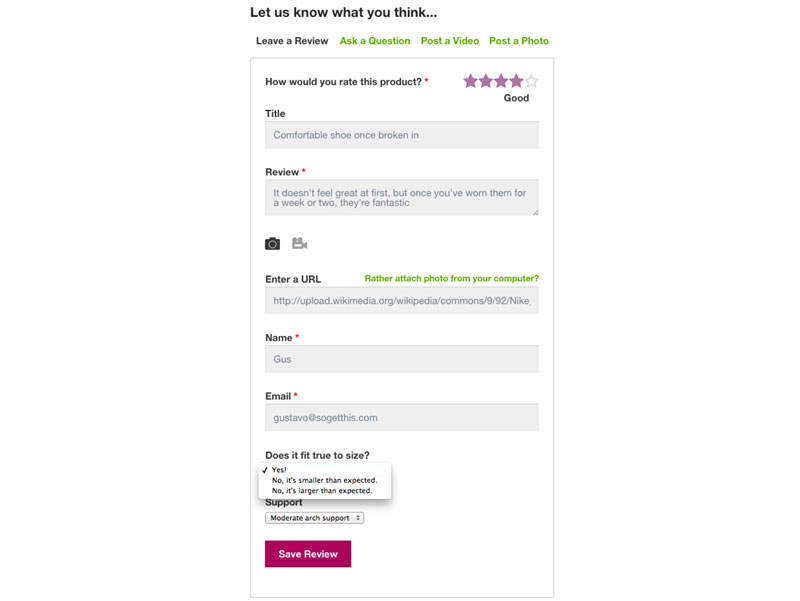
Product Reviews Pro lets you accept product reviews in the same way that you do now, but you can also accept user photos and videos as part of the review, as well as add “review qualifiers” so as to get a clearer and more vivid idea about the product.

2. WooCommerce Product Filters

Filtering products in the stores today is an absolute necessity that makes the search for goods more efficient. By Product Filters your users can conveniently search for a product in the store, what they are so used to. According to statistics, 75% of users leave the website if they can not find what they are looking for within 15 seconds.

Product Filters makes the process of searching for products faster and simpler. Product Filters is one of those WooCommerce Extensions, in the absence of which you will most certainly lose potential customers.

3. WooCommerce waitlist

The Waitlist extension makes your customers happy with back-in-stock notifications. It automatically notifies a customer when a product they were eyeing becomes available for purchase.
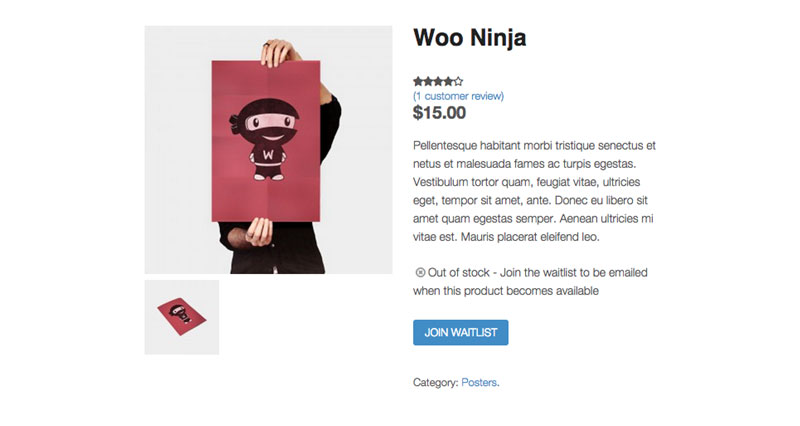
It lets you track demand for out-of-stock items, making sure your customers feel informed, and therefore more likely to buy. You can build up a waiting list of people wanting the unavailable item, then notify the shoppers automatically when products become available, using a simple plugin.

4. WooCommerce Additional Images extension

The Additional Variation Images extension enables you to add additional gallery images per variation on variable products within WooCommerce.

WooCommerce will only swap the main variation image when you select a product variation and not the gallery images below it.

This extension allows visitors to your online store to be able to check out different gallery images when they select a product variation and see the samples of different varieties.

5. PayFast

PayFast makes your customers feel more flexible including putting down deposits, ordering ahead of time or paying on a weekly, monthly or annual basis.

Customers can sign up with a PayFast account to manage their payments via a payment wallet to pay for your product or service quickly and easily.

A user who elects to pay for their order using PayFast is redirected to the merchant account on PayFast where they are requested to login and make the payment. PayFast handles the payments easily and redirects your visitors back to your website.

6. ShipStation

At ShipStation, your priorities come first, like finding new customers and growing your brand by sourcing the best products for them.

It is focused to reduce your shipping and fulfilment efforts, helping you ship faster with branding tools that will wow your shoppers. Believe it or not, no credit is needed.

7. WooCommerce Subscriptions

WooCommerce Subscriptions helps you create and manage products with recurring payments which will give you residual revenue you can track and count on.
WooCommerce Subscriptions allows you to introduce subscriptions for physical or virtual products and services. You can also create product-of-the-month clubs, weekly service subscriptions or even yearly software billing packages.

8. Multi-Currency

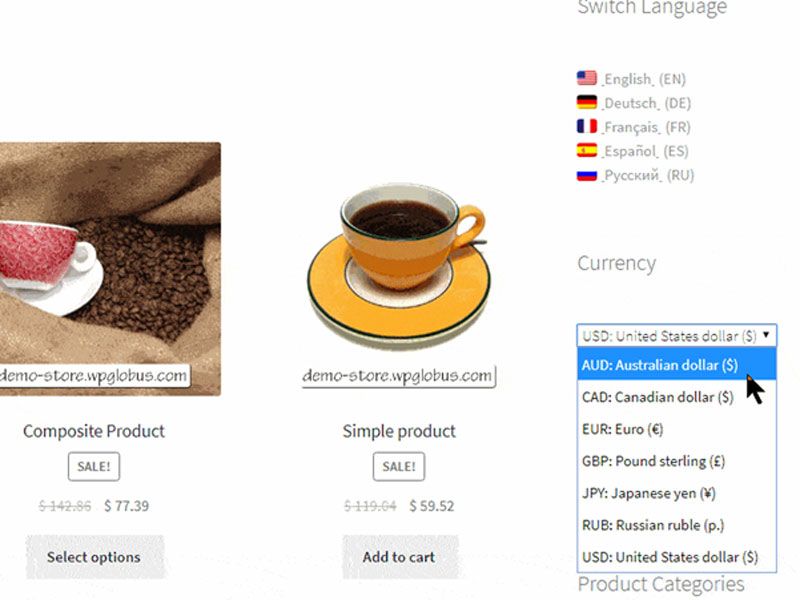
Multi-Currency is one of a kind among the WooCommerce extensions, that allows you to switch currencies and re-calculate rates on-the-go.

After selecting the currency using a sidebar widget, you would get to see the prices recalculated automatically, after which you can pay in the currency of your choice.

9. Amazon and eBay Integration

The WooCommerce Amazon & eBay Integration works to connect your online store with millions of customers on Amazon’s & eBay’s online platforms which are prominent global online marketplaces.

This is a marketplace listing tool, a fully-featured multi channel solution and inventory & pricing sync all in one powerful extension which at the same time successfully reaches the customers.

10. WooCommerce Product Compare

When there are many similar products online, shoppers want to compare prices and other features side-by-side to choose the product, there are many WooCommerce extensions to choose, Product Compare tops that list.
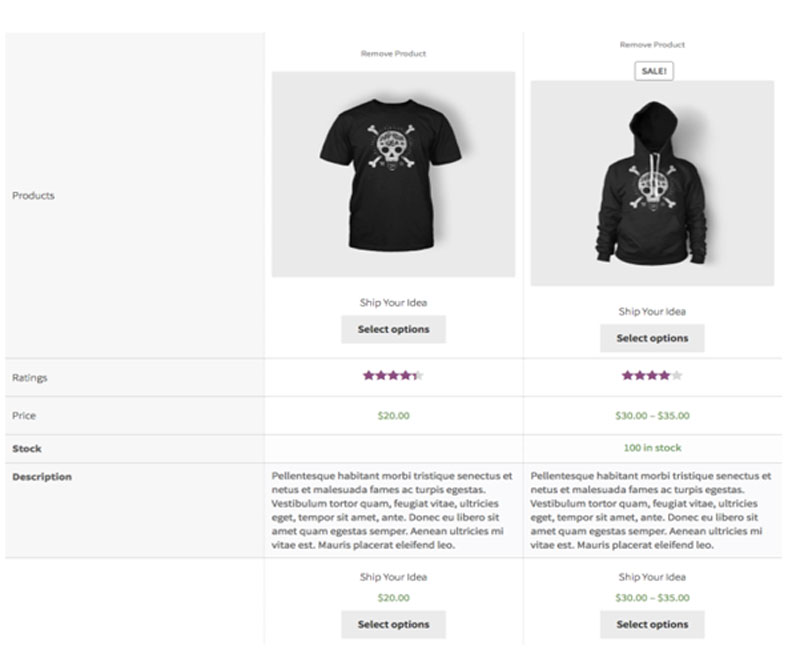
These functional and practical WooCommerce extensions which will make your WooCom really handy for both you and your users. By including a feature which lets them compare products, store owners can help customers make the right choice. If you are running a large store, with many similar products, giving customers the option to compare can make a big difference by making it prompt and convenient for them to arrive at a decision.
10 WooCommerce Extensions to enhance your online shop

Post pobrano z: 10 WooCommerce Extensions to enhance your online shop

1. WooCommerce Product Reviews Pro

WooCommerce Product Reviews Pro allows you to supercharge your product reviews to add filtering, even more review capabilities, and provide additional discussion options. Meet the expectations of your customers by providing the same review capabilities as all large e-retailers in your own online shop.

Product Reviews Pro lets you accept product reviews in the same way that you do now, but you can also accept user photos and videos as part of the review, as well as add “review qualifiers” so as to get a clearer and more vivid idea about the product.

2. WooCommerce Product Filters

Filtering products in the stores today is an absolute necessity that makes the search for goods more efficient. By Product Filters your users can conveniently search for a product in the store, what they are so used to. According to statistics, 75% of users leave the website if they can not find what they are looking for within 15 seconds.

Product Filters makes the process of searching for products faster and simpler. Product Filters is one of those WooCommerce Extensions, in the absence of which you will most certainly lose potential customers.

3. WooCommerce waitlist

The Waitlist extension makes your customers happy with back-in-stock notifications. It automatically notifies a customer when a product they were eyeing becomes available for purchase.

It lets you track demand for out-of-stock items, making sure your customers feel informed, and therefore more likely to buy. You can build up a waiting list of people wanting the unavailable item, then notify the shoppers automatically when products become available, using a simple plugin.

4. WooCommerce Additional Images extension

The Additional Variation Images extension enables you to add additional gallery images per variation on variable products within WooCommerce.

WooCommerce will only swap the main variation image when you select a product variation and not the gallery images below it.

This extension allows visitors to your online store to be able to check out different gallery images when they select a product variation and see the samples of different varieties.

5. PayFast

PayFast makes your customers feel more flexible including putting down deposits, ordering ahead of time or paying on a weekly, monthly or annual basis.

Customers can sign up with a PayFast account to manage their payments via a payment wallet to pay for your product or service quickly and easily.

A user who elects to pay for their order using PayFast is redirected to the merchant account on PayFast where they are requested to login and make the payment. PayFast handles the payments easily and redirects your visitors back to your website.

6. ShipStation

At ShipStation, your priorities come first, like finding new customers and growing your brand by sourcing the best products for them.

It is focused to reduce your shipping and fulfilment efforts, helping you ship faster with branding tools that will wow your shoppers. Believe it or not, no credit is needed.

7. WooCommerce Subscriptions

WooCommerce Subscriptions helps you create and manage products with recurring payments which will give you residual revenue you can track and count on.

WooCommerce Subscriptions allows you to introduce subscriptions for physical or virtual products and services. You can also create product-of-the-month clubs, weekly service subscriptions or even yearly software billing packages.

8. Multi-Currency

Multi-Currency is one of a kind among the WooCommerce extensions, that allows you to switch currencies and re-calculate rates on-the-go.

After selecting the currency using a sidebar widget, you would get to see the prices recalculated automatically, after which you can pay in the currency of your choice.

9. Amazon and eBay Integration

The WooCommerce Amazon & eBay Integration works to connect your online store with millions of customers on Amazon’s & eBay’s online platforms which are prominent global online marketplaces.

This is a marketplace listing tool, a fully-featured multi channel solution and inventory & pricing sync all in one powerful extension which at the same time successfully reaches the customers.

10. WooCommerce Product Compare

When there are many similar products online, shoppers want to compare prices and other features side-by-side to choose the product, there are many WooCommerce extensions to choose, Product Compare tops that list.

These functional and practical WooCommerce extensions which will make your WooCom really handy for both you and your users. By including a feature which lets them compare products, store owners can help customers make the right choice. If you are running a large store, with many similar products, giving customers the option to compare can make a big difference by making it prompt and convenient for them to arrive at a decision.
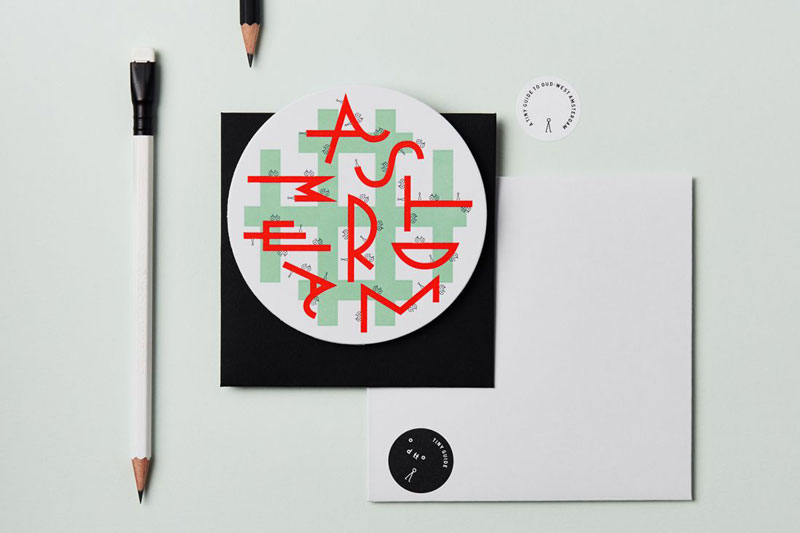
Studio Dotto’s tiny guides are a wonderful way to learn about a city

Post pobrano z: Studio Dotto’s tiny guides are a wonderful way to learn about a city

When it comes to designing touristic information, graphic designers rarely skip the obligatory photos. It makes obvious sense, but it also makes this industry’s design work less interesting.

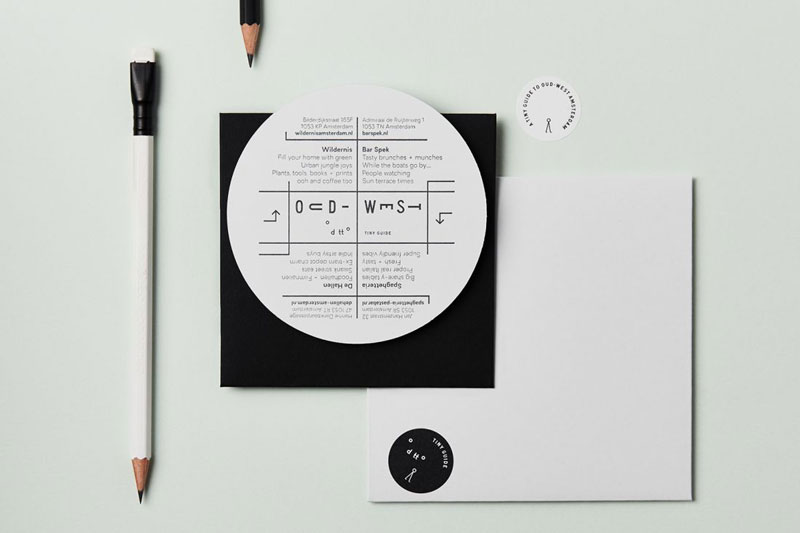
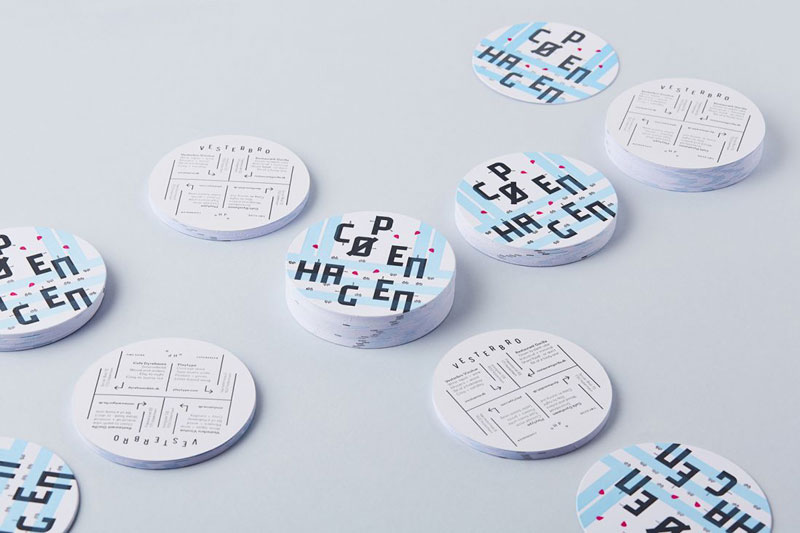
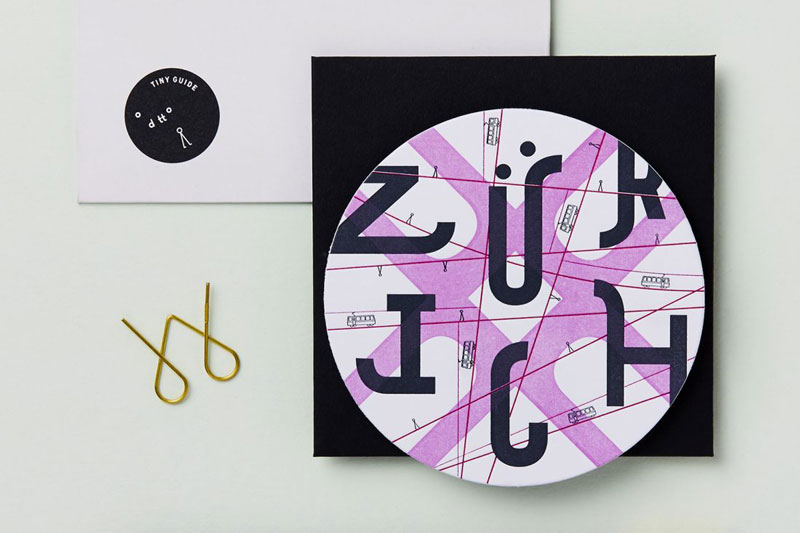
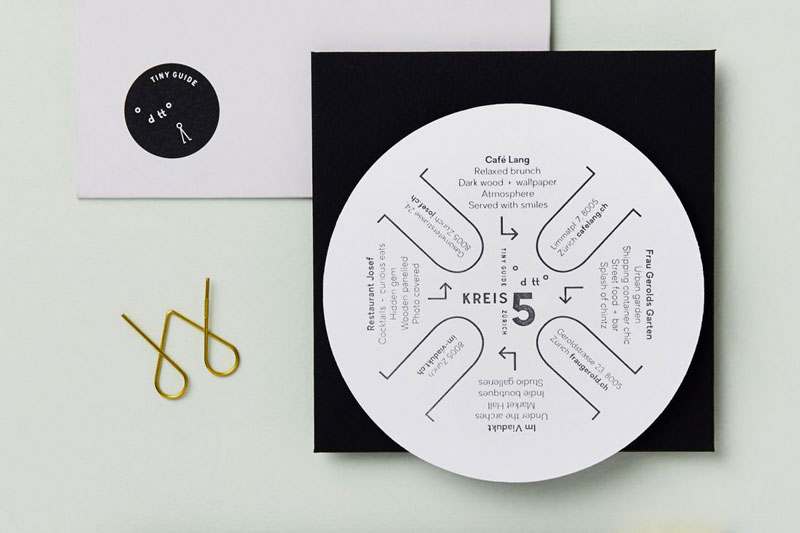
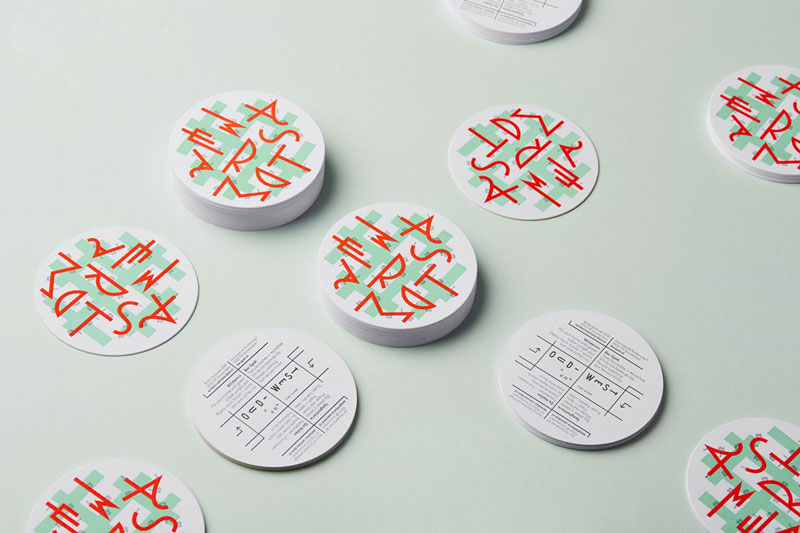
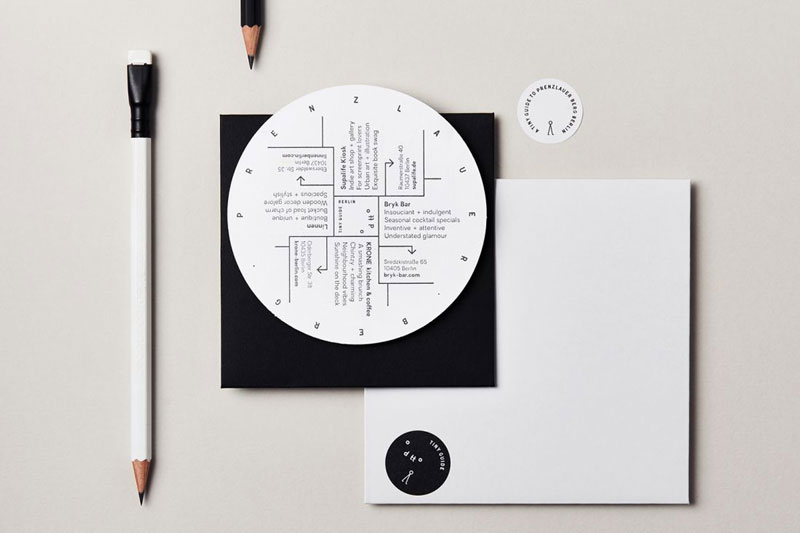
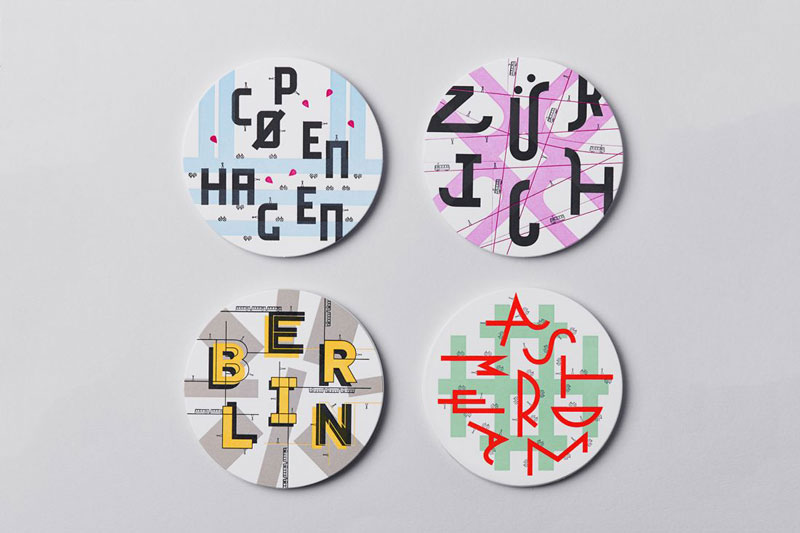
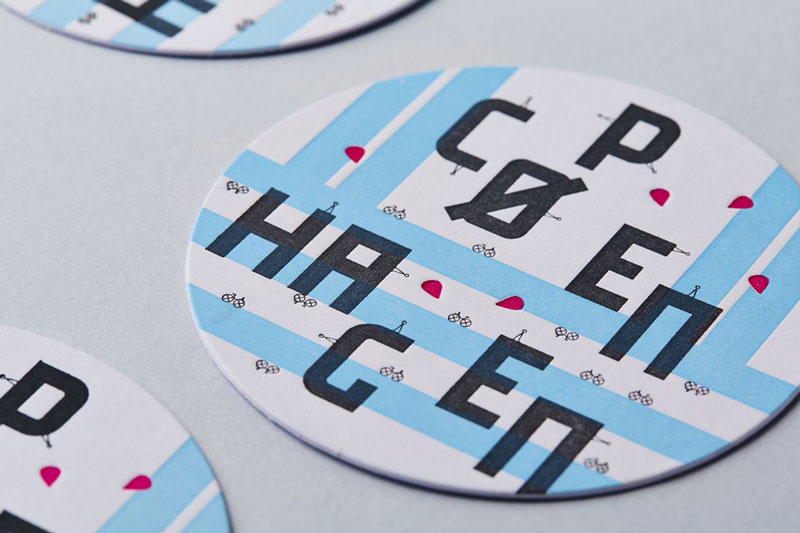
In an interesting project, the designers at Dotto, a design consultancy based in Manchester city, UK, published some small and hipsterish guides to fun places in four European cities. All this was made using an unusual format and typographic layouts.

The four places recommended are Zürich’s Industrial Kreis 5, the district of Vesterbro in Copenhagen, Oud-West in Amsterdam, and Prenzlauer Berg in Berlin. Prints of these great little guides can be purchased from Dotto’s online shop.

Studio Dotto’s tiny guides are a wonderful way to learn about a city

Post pobrano z: Studio Dotto’s tiny guides are a wonderful way to learn about a city

When it comes to designing touristic information, graphic designers rarely skip the obligatory photos. It makes obvious sense, but it also makes this industry’s design work less interesting.

In an interesting project, the designers at Dotto, a design consultancy based in Manchester city, UK, published some small and hipsterish guides to fun places in four European cities. All this was made using an unusual format and typographic layouts.

The four places recommended are Zürich’s Industrial Kreis 5, the district of Vesterbro in Copenhagen, Oud-West in Amsterdam, and Prenzlauer Berg in Berlin. Prints of these great little guides can be purchased from Dotto’s online shop.

Studio Dotto’s tiny guides are a wonderful way to learn about a city

Post pobrano z: Studio Dotto’s tiny guides are a wonderful way to learn about a city

When it comes to designing touristic information, graphic designers rarely skip the obligatory photos. It makes obvious sense, but it also makes this industry’s design work less interesting.

In an interesting project, the designers at Dotto, a design consultancy based in Manchester city, UK, published some small and hipsterish guides to fun places in four European cities. All this was made using an unusual format and typographic layouts.

The four places recommended are Zürich’s Industrial Kreis 5, the district of Vesterbro in Copenhagen, Oud-West in Amsterdam, and Prenzlauer Berg in Berlin. Prints of these great little guides can be purchased from Dotto’s online shop.

Studio Dotto’s tiny guides are a wonderful way to learn about a city

Post pobrano z: Studio Dotto’s tiny guides are a wonderful way to learn about a city

When it comes to designing touristic information, graphic designers rarely skip the obligatory photos. It makes obvious sense, but it also makes this industry’s design work less interesting.

In an interesting project, the designers at Dotto, a design consultancy based in Manchester city, UK, published some small and hipsterish guides to fun places in four European cities. All this was made using an unusual format and typographic layouts.

The four places recommended are Zürich’s Industrial Kreis 5, the district of Vesterbro in Copenhagen, Oud-West in Amsterdam, and Prenzlauer Berg in Berlin. Prints of these great little guides can be purchased from Dotto’s online shop.

4 Easy Ways to Grow Your Web Design Agency and Increase Profits

Post pobrano z: 4 Easy Ways to Grow Your Web Design Agency and Increase Profits

Growing a web design business takes a lot of work. Sustainable, profitable growth doesn’t just happen on its own. Your business needs time to mature and get the kinks out.

In order to grow your web design business in a sustainable way, you’ll need to pay extra close attention to how you’re growing. This means putting the right systems in place, identifying and avoiding pitfalls, and establishing a smooth, efficient workflow that’s specific to your design process and division of labor.

Here we’ll take a look at some of the ways you can grow your web design agency and increase profit margins in a manageable and practical way.

1. Maximize the Efficiency of Your Project Pipeline

Perhaps the easiest way to take on more clients and grow your web design business is by working towards making your project pipeline more efficient. A website goes through various stages of work, such as research, prototyping, development, testing, deployment, and launch.

By evaluating the process and workflow of each individual stage, you’ll be able to identify areas that have room for improvement. Doing so can help you maximize the overall efficiency of your project pipeline. Let’s look at some examples:

  • Often, work is delayed because the client didn’t deliver visual assets or other content on time. Asking your clients to deliver all of their content before you begin designing keeps your project on schedule.
  • Designing templates, widgets and layouts that you can reuse for future projects will save you a lot of time. Instead of designing a page from scratch, you’d simply be making style tweaks wherever necessary.
  • Document repositories. Having a central hub (with version control) from where designers and developers can access project documents and files makes design handoffs seamless.

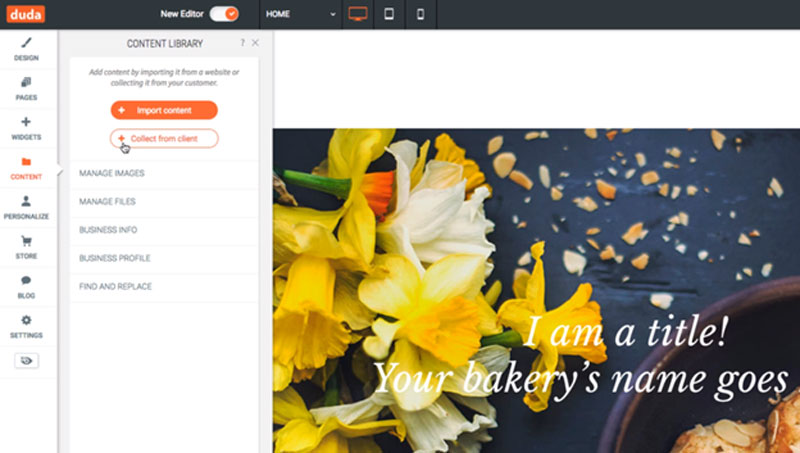
Duda is a full-fledged website development platform that enables design teams to speed up their processes and work the kinks out of collaborating with team members and clients. Its widget builder ecosystem, for example, allows you to build custom widgets and integrate external functionality.

The platform also allows you to import content directly from a client’s existing website into your content library. It automatically pulls images, contact information, social media accounts and much more.

2. Develop Internal Systems to Manage Projects

Keeping track of where files are stored, how project handoffs will happen, or what the onboarding process looks like is often difficult for both new and growing web design businesses. Along with managing your day to day tasks, invest time on developing internal systems to better manage projects.

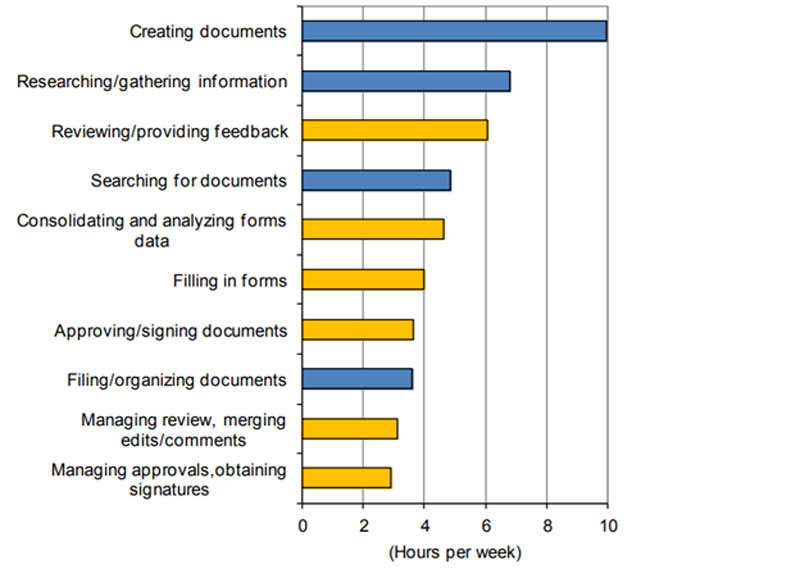
A study conducted by IDC suggests that people spend nearly five hours every week searching for documents.

But smart document management is only one way to improve the way your team handles project lifecycles. As a growing business, every time you onboard a new client, you’re likely to learn something new about the customer experience you’re delivering, whether your pricing strategy is working, and so much more.

And it’s important that you’re able to keep track of what’s working (and what isn’t), so you don’t end up going back to the drawing board for each client your business brings in.

Simply put, you need a single platform that allows you and your team members to:

  • Keep a record of the tacit knowledge you’ll accumulate as you grow.
  • Be able to access design systems, pattern libraries, and style guides.
  • Communicate with one another, share ideas, and leave comments and feedback.
  • Manage calendars, schedules, and to-do lists.

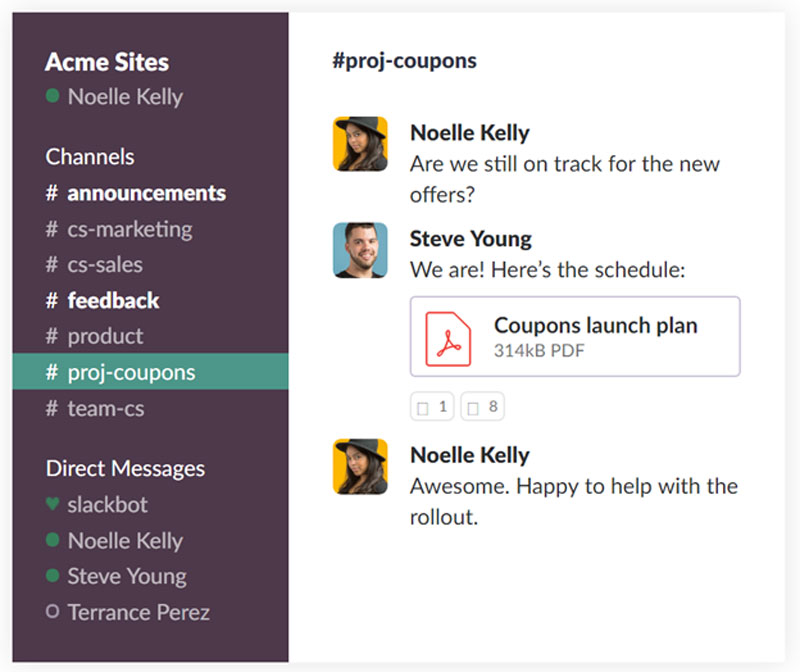
To this end, consider checking out Slack, a collaboration tool geared towards growing businesses. It enables you to organize discussions into channels, store documents and files, and communicate with team members and clients through group chat as well as direct messages.

3. Productize Your Web Design Services

As a web design professional, you’ve probably experienced the feast and famine cycles that most small service-based business go through. You reach out to prospective customers, land a client, and get busy doing the actual work. While you were busy doing the work, you might have put a few clients on hold. And now that you’re available to take on more work, those leads are nowhere to be seen.

A study conducted by the Bureau of Labor Statistics found that about two-thirds of businesses survive for two years, but only about half manage to stay afloat for five years.

One way to make sure you’re able to grow your web design agency and increase profits is to productize your services.

The key benefit of transforming services into modular products is that you make it once and then you can sell it to many customers. Here are a few ways you can transform web design services into products:

  • Website maintenance and hosting. You can bundle web hosting, maintenance, and security audits into a package that can be sold as a product or a subscription plan.
  • UI and UX element kits. As a designer, you can create UI and UX element kits (such as icons) and sell them as products.
  • Online courses. You can create online courses and video tutorials around a particular subject using software platforms like Kajabi.

4. Commit to Only Taking on High-Profit Work

As a web design agency business leader, you have to calculate your gross revenue and the costs of running a business in order to determine if you’re profitable.

Low profit margins mean you’re pricing your web design services too close to how much it costs you to serve a client. For instance, if your prices start at $5,000 and you pay $3,000 in salaries and $500 for things like hosting, prototyping tools, and integrations, then you have a profit margin of $1,500 (30%).

It’s important that you price your services high enough. This, in turn, requires that you commit to only taking high-profit work. For starters, you’ll have to determine a minimum profit margin that you’re comfortable with, and stick to it. There are a number of factors that play into this, such as your overhead “cost of doing business” expenses and how much liquid you expect to need so you can keep your business growing.

Many web design agencies expect to keep their minimum profit margins around the 50% mark to maintain profitable, sustainable growth, so you might want to consider using this as your benchmark.

By doing so, you’ll be able to:

  • Know how to calculate pricing for proposals.
  • Understand what’s at stake when you make profit margin compromises as exceptions.
  • Offer employees attractive salary packages.
  • Provide your designers top-notch tools, kits, and platforms.
  • Invest in educational programs (online learning courses and training sessions) to improve your employees’ skill sets.
  • Reinvest in your business by adding to your agency’s marketing budget.

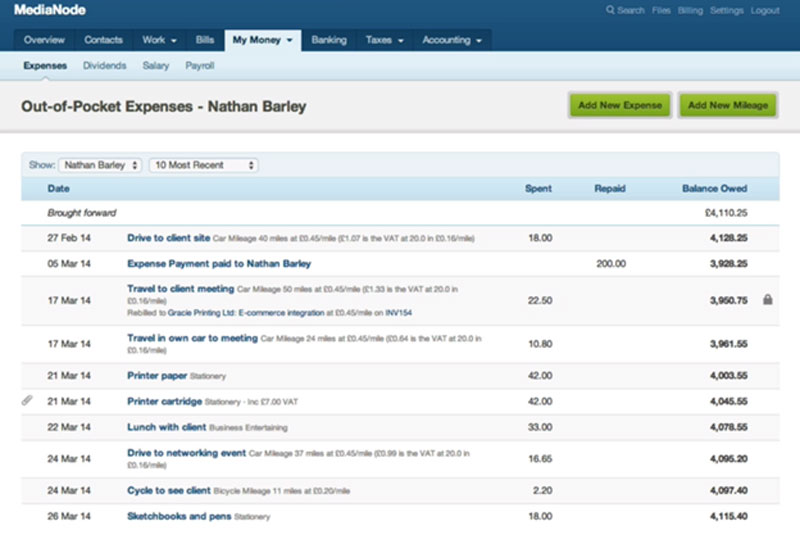
Tools like FreeAgent allow you to keep track of business income, expenses, profitability, transaction reporting, and time tracking.

Conclusion

Growing your web design agency takes time and a lot of work. By paying close attention to how you’re growing your business, avoiding pitfalls along the way, and establishing a workflow that fits with your design process, you’ll be well on your way to increasing your profits in no time.

Here’s what you can do to grow your web design business in a sustainable, profitable way:

  1. Maximize the efficiency of your project pipeline by speeding up tasks at each stage of the design process.
  2. Develop internal systems to manage projects better.
  3. Productize your web design services by selling UI element kits or online courses.
  4. Keep your profit margins high by committing to only taking high-profit work.

What are some of the ways you’ve achieved business growth in the design industry? Let us know by commenting below!

4 Easy Ways to Grow Your Web Design Agency and Increase Profits

Post pobrano z: 4 Easy Ways to Grow Your Web Design Agency and Increase Profits

Growing a web design business takes a lot of work. Sustainable, profitable growth doesn’t just happen on its own. Your business needs time to mature and get the kinks out.

In order to grow your web design business in a sustainable way, you’ll need to pay extra close attention to how you’re growing. This means putting the right systems in place, identifying and avoiding pitfalls, and establishing a smooth, efficient workflow that’s specific to your design process and division of labor.

Here we’ll take a look at some of the ways you can grow your web design agency and increase profit margins in a manageable and practical way.

1. Maximize the Efficiency of Your Project Pipeline

Perhaps the easiest way to take on more clients and grow your web design business is by working towards making your project pipeline more efficient. A website goes through various stages of work, such as research, prototyping, development, testing, deployment, and launch.

By evaluating the process and workflow of each individual stage, you’ll be able to identify areas that have room for improvement. Doing so can help you maximize the overall efficiency of your project pipeline. Let’s look at some examples:

  • Often, work is delayed because the client didn’t deliver visual assets or other content on time. Asking your clients to deliver all of their content before you begin designing keeps your project on schedule.
  • Designing templates, widgets and layouts that you can reuse for future projects will save you a lot of time. Instead of designing a page from scratch, you’d simply be making style tweaks wherever necessary.
  • Document repositories. Having a central hub (with version control) from where designers and developers can access project documents and files makes design handoffs seamless.

Duda is a full-fledged website development platform that enables design teams to speed up their processes and work the kinks out of collaborating with team members and clients. Its widget builder ecosystem, for example, allows you to build custom widgets and integrate external functionality.

The platform also allows you to import content directly from a client’s existing website into your content library. It automatically pulls images, contact information, social media accounts and much more.

2. Develop Internal Systems to Manage Projects

Keeping track of where files are stored, how project handoffs will happen, or what the onboarding process looks like is often difficult for both new and growing web design businesses. Along with managing your day to day tasks, invest time on developing internal systems to better manage projects.

A study conducted by IDC suggests that people spend nearly five hours every week searching for documents.

But smart document management is only one way to improve the way your team handles project lifecycles. As a growing business, every time you onboard a new client, you’re likely to learn something new about the customer experience you’re delivering, whether your pricing strategy is working, and so much more.

And it’s important that you’re able to keep track of what’s working (and what isn’t), so you don’t end up going back to the drawing board for each client your business brings in.

Simply put, you need a single platform that allows you and your team members to:

  • Keep a record of the tacit knowledge you’ll accumulate as you grow.
  • Be able to access design systems, pattern libraries, and style guides.
  • Communicate with one another, share ideas, and leave comments and feedback.
  • Manage calendars, schedules, and to-do lists.

To this end, consider checking out Slack, a collaboration tool geared towards growing businesses. It enables you to organize discussions into channels, store documents and files, and communicate with team members and clients through group chat as well as direct messages.

3. Productize Your Web Design Services

As a web design professional, you’ve probably experienced the feast and famine cycles that most small service-based business go through. You reach out to prospective customers, land a client, and get busy doing the actual work. While you were busy doing the work, you might have put a few clients on hold. And now that you’re available to take on more work, those leads are nowhere to be seen.

A study conducted by the Bureau of Labor Statistics found that about two-thirds of businesses survive for two years, but only about half manage to stay afloat for five years.

One way to make sure you’re able to grow your web design agency and increase profits is to productize your services.

The key benefit of transforming services into modular products is that you make it once and then you can sell it to many customers. Here are a few ways you can transform web design services into products:

  • Website maintenance and hosting. You can bundle web hosting, maintenance, and security audits into a package that can be sold as a product or a subscription plan.
  • UI and UX element kits. As a designer, you can create UI and UX element kits (such as icons) and sell them as products.
  • Online courses. You can create online courses and video tutorials around a particular subject using software platforms like Kajabi.

4. Commit to Only Taking on High-Profit Work

As a web design agency business leader, you have to calculate your gross revenue and the costs of running a business in order to determine if you’re profitable.

Low profit margins mean you’re pricing your web design services too close to how much it costs you to serve a client. For instance, if your prices start at $5,000 and you pay $3,000 in salaries and $500 for things like hosting, prototyping tools, and integrations, then you have a profit margin of $1,500 (30%).

It’s important that you price your services high enough. This, in turn, requires that you commit to only taking high-profit work. For starters, you’ll have to determine a minimum profit margin that you’re comfortable with, and stick to it. There are a number of factors that play into this, such as your overhead “cost of doing business” expenses and how much liquid you expect to need so you can keep your business growing.

Many web design agencies expect to keep their minimum profit margins around the 50% mark to maintain profitable, sustainable growth, so you might want to consider using this as your benchmark.

By doing so, you’ll be able to:

  • Know how to calculate pricing for proposals.
  • Understand what’s at stake when you make profit margin compromises as exceptions.
  • Offer employees attractive salary packages.
  • Provide your designers top-notch tools, kits, and platforms.
  • Invest in educational programs (online learning courses and training sessions) to improve your employees’ skill sets.
  • Reinvest in your business by adding to your agency’s marketing budget.

Tools like FreeAgent allow you to keep track of business income, expenses, profitability, transaction reporting, and time tracking.

Conclusion

Growing your web design agency takes time and a lot of work. By paying close attention to how you’re growing your business, avoiding pitfalls along the way, and establishing a workflow that fits with your design process, you’ll be well on your way to increasing your profits in no time.

Here’s what you can do to grow your web design business in a sustainable, profitable way:

  1. Maximize the efficiency of your project pipeline by speeding up tasks at each stage of the design process.
  2. Develop internal systems to manage projects better.
  3. Productize your web design services by selling UI element kits or online courses.
  4. Keep your profit margins high by committing to only taking high-profit work.

What are some of the ways you’ve achieved business growth in the design industry? Let us know by commenting below!

4 Easy Ways to Grow Your Web Design Agency and Increase Profits

Post pobrano z: 4 Easy Ways to Grow Your Web Design Agency and Increase Profits

Growing a web design business takes a lot of work. Sustainable, profitable growth doesn’t just happen on its own. Your business needs time to mature and get the kinks out.

In order to grow your web design business in a sustainable way, you’ll need to pay extra close attention to how you’re growing. This means putting the right systems in place, identifying and avoiding pitfalls, and establishing a smooth, efficient workflow that’s specific to your design process and division of labor.

Here we’ll take a look at some of the ways you can grow your web design agency and increase profit margins in a manageable and practical way.

1. Maximize the Efficiency of Your Project Pipeline

Perhaps the easiest way to take on more clients and grow your web design business is by working towards making your project pipeline more efficient. A website goes through various stages of work, such as research, prototyping, development, testing, deployment, and launch.

By evaluating the process and workflow of each individual stage, you’ll be able to identify areas that have room for improvement. Doing so can help you maximize the overall efficiency of your project pipeline. Let’s look at some examples:

  • Often, work is delayed because the client didn’t deliver visual assets or other content on time. Asking your clients to deliver all of their content before you begin designing keeps your project on schedule.
  • Designing templates, widgets and layouts that you can reuse for future projects will save you a lot of time. Instead of designing a page from scratch, you’d simply be making style tweaks wherever necessary.
  • Document repositories. Having a central hub (with version control) from where designers and developers can access project documents and files makes design handoffs seamless.

Duda is a full-fledged website development platform that enables design teams to speed up their processes and work the kinks out of collaborating with team members and clients. Its widget builder ecosystem, for example, allows you to build custom widgets and integrate external functionality.

The platform also allows you to import content directly from a client’s existing website into your content library. It automatically pulls images, contact information, social media accounts and much more.

2. Develop Internal Systems to Manage Projects

Keeping track of where files are stored, how project handoffs will happen, or what the onboarding process looks like is often difficult for both new and growing web design businesses. Along with managing your day to day tasks, invest time on developing internal systems to better manage projects.

A study conducted by IDC suggests that people spend nearly five hours every week searching for documents.

But smart document management is only one way to improve the way your team handles project lifecycles. As a growing business, every time you onboard a new client, you’re likely to learn something new about the customer experience you’re delivering, whether your pricing strategy is working, and so much more.

And it’s important that you’re able to keep track of what’s working (and what isn’t), so you don’t end up going back to the drawing board for each client your business brings in.

Simply put, you need a single platform that allows you and your team members to:

  • Keep a record of the tacit knowledge you’ll accumulate as you grow.
  • Be able to access design systems, pattern libraries, and style guides.
  • Communicate with one another, share ideas, and leave comments and feedback.
  • Manage calendars, schedules, and to-do lists.

To this end, consider checking out Slack, a collaboration tool geared towards growing businesses. It enables you to organize discussions into channels, store documents and files, and communicate with team members and clients through group chat as well as direct messages.

3. Productize Your Web Design Services

As a web design professional, you’ve probably experienced the feast and famine cycles that most small service-based business go through. You reach out to prospective customers, land a client, and get busy doing the actual work. While you were busy doing the work, you might have put a few clients on hold. And now that you’re available to take on more work, those leads are nowhere to be seen.

A study conducted by the Bureau of Labor Statistics found that about two-thirds of businesses survive for two years, but only about half manage to stay afloat for five years.

One way to make sure you’re able to grow your web design agency and increase profits is to productize your services.

The key benefit of transforming services into modular products is that you make it once and then you can sell it to many customers. Here are a few ways you can transform web design services into products:

  • Website maintenance and hosting. You can bundle web hosting, maintenance, and security audits into a package that can be sold as a product or a subscription plan.
  • UI and UX element kits. As a designer, you can create UI and UX element kits (such as icons) and sell them as products.
  • Online courses. You can create online courses and video tutorials around a particular subject using software platforms like Kajabi.

4. Commit to Only Taking on High-Profit Work

As a web design agency business leader, you have to calculate your gross revenue and the costs of running a business in order to determine if you’re profitable.

Low profit margins mean you’re pricing your web design services too close to how much it costs you to serve a client. For instance, if your prices start at $5,000 and you pay $3,000 in salaries and $500 for things like hosting, prototyping tools, and integrations, then you have a profit margin of $1,500 (30%).

It’s important that you price your services high enough. This, in turn, requires that you commit to only taking high-profit work. For starters, you’ll have to determine a minimum profit margin that you’re comfortable with, and stick to it. There are a number of factors that play into this, such as your overhead “cost of doing business” expenses and how much liquid you expect to need so you can keep your business growing.

Many web design agencies expect to keep their minimum profit margins around the 50% mark to maintain profitable, sustainable growth, so you might want to consider using this as your benchmark.

By doing so, you’ll be able to:

  • Know how to calculate pricing for proposals.
  • Understand what’s at stake when you make profit margin compromises as exceptions.
  • Offer employees attractive salary packages.
  • Provide your designers top-notch tools, kits, and platforms.
  • Invest in educational programs (online learning courses and training sessions) to improve your employees’ skill sets.
  • Reinvest in your business by adding to your agency’s marketing budget.

Tools like FreeAgent allow you to keep track of business income, expenses, profitability, transaction reporting, and time tracking.

Conclusion

Growing your web design agency takes time and a lot of work. By paying close attention to how you’re growing your business, avoiding pitfalls along the way, and establishing a workflow that fits with your design process, you’ll be well on your way to increasing your profits in no time.

Here’s what you can do to grow your web design business in a sustainable, profitable way:

  1. Maximize the efficiency of your project pipeline by speeding up tasks at each stage of the design process.
  2. Develop internal systems to manage projects better.
  3. Productize your web design services by selling UI element kits or online courses.
  4. Keep your profit margins high by committing to only taking high-profit work.

What are some of the ways you’ve achieved business growth in the design industry? Let us know by commenting below!

Tim Klein mixes Puzzle Pieces to create Surreal Artworks

Post pobrano z: Tim Klein mixes Puzzle Pieces to create Surreal Artworks

The creative process knows no technical limits, contemporary artists have been proving it by using all kinds of cool digital techniques to innovate and create new types of artworks.

Some artists, like Tim Klein, prefer to use techniques that are known for creating images, and give it a new twist. In this case, the artist has been using puzzle pieces and mixing them up to create something entirely different from what the puzzle publishers initially imagined.

The results are some surreal landscape with humourous situations that wouldn’t be the same if they were executed with traditional painting techniques.