Post pobrano z: More shapes, more Google, more fun by none other than Jordan Scott!

Post pobrano z: iMac Pro — Sarofsky

Post pobrano z: GMUNK, 19 years in the making

In this Motionographer Q&A, we chat with the man, the myth, the legend, GMUNK, about the eternal struggles of having an online presence, the direction his work has been going, and his 19+ years of sharing work online.
Post pobrano z: A tooth for a tooth / De quoi rire un peu jaune?
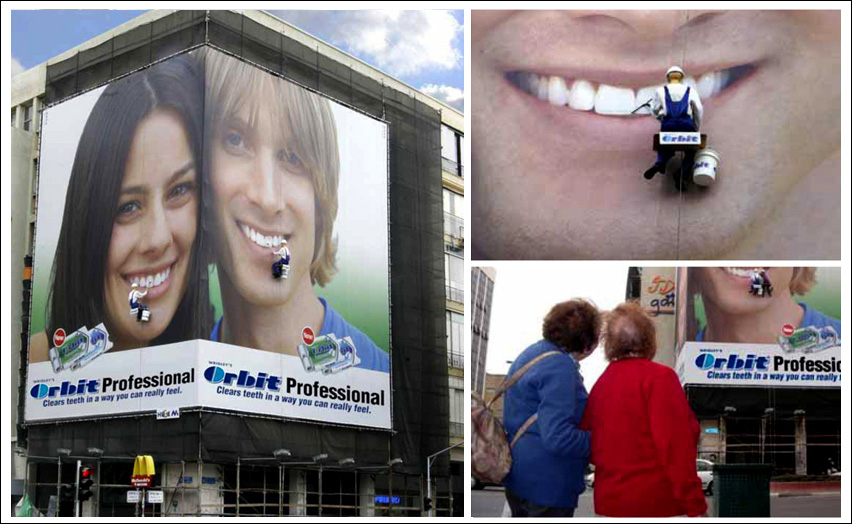 |
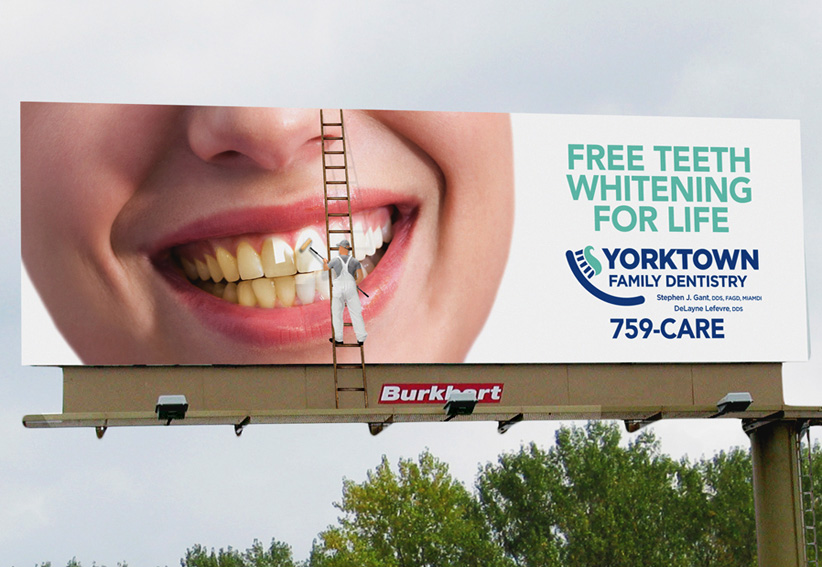 |
| THE ORIGINAL? Orbit Professionnal Chewing-Gum – 2006 Source : Coloribus Agency : Gitam BBDO Tel Aviv (Israel) |
LESS ORIGINAL Yorktown Dental Clinic – 2018 Source : AAF Addy Awards Winner Agency : Burkhart Outdoor (USA) |
Post pobrano z: Working At Home: Keys To Success For a Designer
The trend of allowing designers to work at home does not look like it is close to stopping. This added freedom can be an incredibly attractive option and is the ultimate perk. Whether you run your own business or work for a company production is of utmost importance. Failing to produce in the case of working for a company will lead to you losing your job or the opportunity to work from home. In the case of a freelancer not producing can lead to clients dropping you and even blacklisting you. The following are tips to success when a designer is working from home.
Designers need high-resolution everything especially if they are designing something that will be in print. The costs of necessary software can be written off on taxes and most companies will provide software for their designers. All designers know what they will need to work to the best of their abilities. Skimping on things like advertising budget can lead to a designer not being able to find enough work. Invest in your home-based business as it offers you a freedom that many people only dream about. Whether you are investing in cloud server hosting for your freelance business or a new piece of the latest software, these are not places to cut corners.
Communication is important for designers for various reasons. A designer not communicating difficulties to a client might produce something the client is not happy with. With all of the screen sharing programs and video calls, there should be no lag between what you produce and what the client desires. If you are managing other designers you need to be as clear as possible in emails. You might be working with some designers that do not speak the best English. A translation program can help a manager give as clear of instructions as possible. Recap emails after having a call are important as clients can refer to it if they have forgotten a specific detail of the call.
Taking breaks throughout the day even if it is just to take a 10-minute walk around the neighborhood. This helps improve your circulation and has been shown to improve production. Those that live in a city can even take a break to do some good old-fashioned people watching. Pets can be the perfect distraction while you are taking your break. Use these breaks to revitalize yourself and get some caffeine in your system. There is some work from home professionals that also exercise while they are completing work. This could be a stationary bike with a desk attachment or a treadmill desk which can be a bit more tricky to master. Sedentary jobs are not good for your health so mitigating this can also improve productivity as well as mental/physical health.
There are times where our artistic drive simply is not there. Working outside can give you inspiration and a change of scenery once a week is actually good for production. In warmer climates, there are parks that will allow you to connect to the public internet so you can enjoy the nice weather. Even beachfront restaurants have internet so you can work with a beautiful view. Even a coffee shop can help you ward off distractions as you will have nobody there to distract you (hopefully). Even going to another person’s home to work who also works from home can give you an office vibe as you will not want to interrupt each other.
Those designers working at home understand the distraction an overly needy pet or significant other can be. Sound canceling headphones can help you get into the groove with whatever project you are working on. You don’t even need to listen to music as you will be left alone on account of having the headphones on. There are quite a few brands that have tried their hand in the sound canceling headphone niche, Bose and Beats By Dre being the most popular.
Production for a designer can be abundantly profitable but lacking productivity can lead to an unemployed computer geek. Do not lose the opportunity to work from home as it is the best perk of the job! Do not sacrifice your quality of work simply to meet production goals as you would rather complete a project correctly. Designers have a great opportunity to work from anywhere in the world, take advantage.
Featured image by JD Mason
Post pobrano z: 20 Cool Envelope Designs for Direct Mail Inspiration
Direct mail is still a highly effective form of marketing, but it’s not always as simple as writing a great sales letter and sending it off. The way that marketing collateral is packaged makes a huge difference-and for direct mail, that means creating an engaging envelope design.
Since prospects sometimes receive dozens of pieces of mail in a day, it’s important to use your design to stand out. But there’s a delicate balance between attracting attention and being overly busy in a way that confuses your recipient with too much visual information.
Here are 20 cool envelope designs that you can use to help inspire your next envelope design.


Post pobrano z: Design deals for the week
Every week, we’ll give you an overview of the best deals for designers, make sure you don’t miss any by subscribing to our deals feed. You can also follow the recently launched website Type Deals if you are looking for free fonts or font deals.
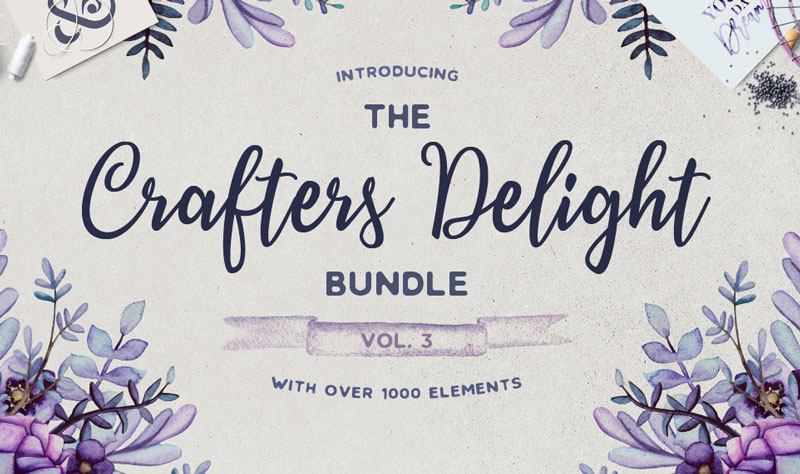
Following on from the popularity of Volume I and II, Volume III comes jam packed with over 1000 design elements and 16 fonts this bundle is perfect for all your craft projects.
$24 instead of $422 – Get it now!
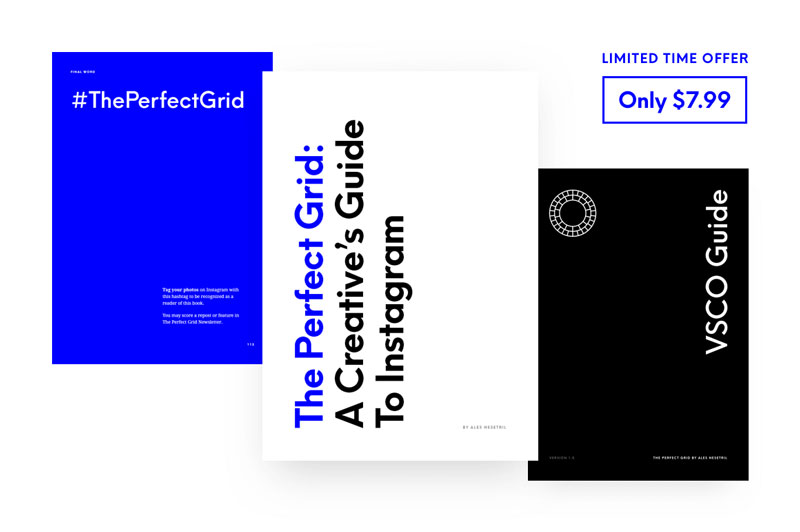
Instagram is a powerful way to self-promote and with The Perfect Grid, you’ll learn all the crucial aspects to get you there! This easy-to-read eBook is packed with over 100 pages of actionable items to help you cultivate and grow your audience. No matter what type of background you have or theme you’re looking to portray, this guide walks you through it all and even reads like an entertaining story.
$7.99 instead of $14.99 – Get it now!
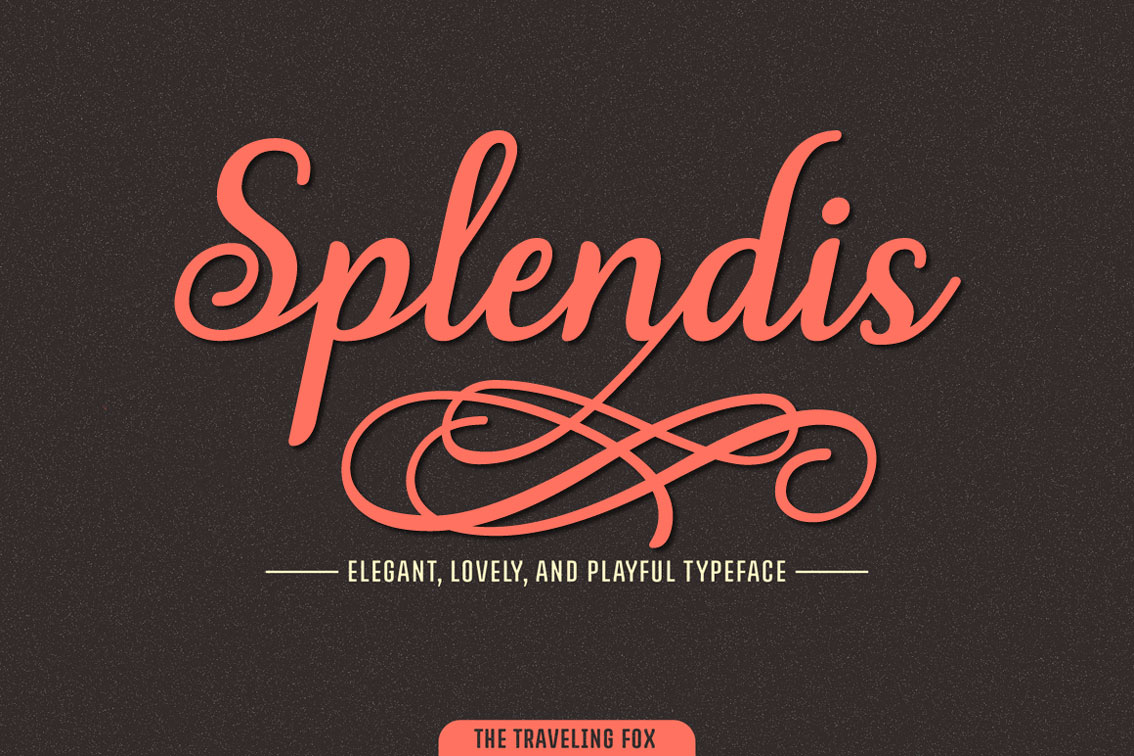
Elegance comes in all forms. In this case, it’s a stunning script font called Splendis. This handwritten typeface includes more than 650 unique characters, as well as tons of alternates so you can create an endless array of font varieties. With a lifetime commercial license, this beautiful font is a wonderful mix of elegance with flexibility.
$6 instead of $18 – Get it now!
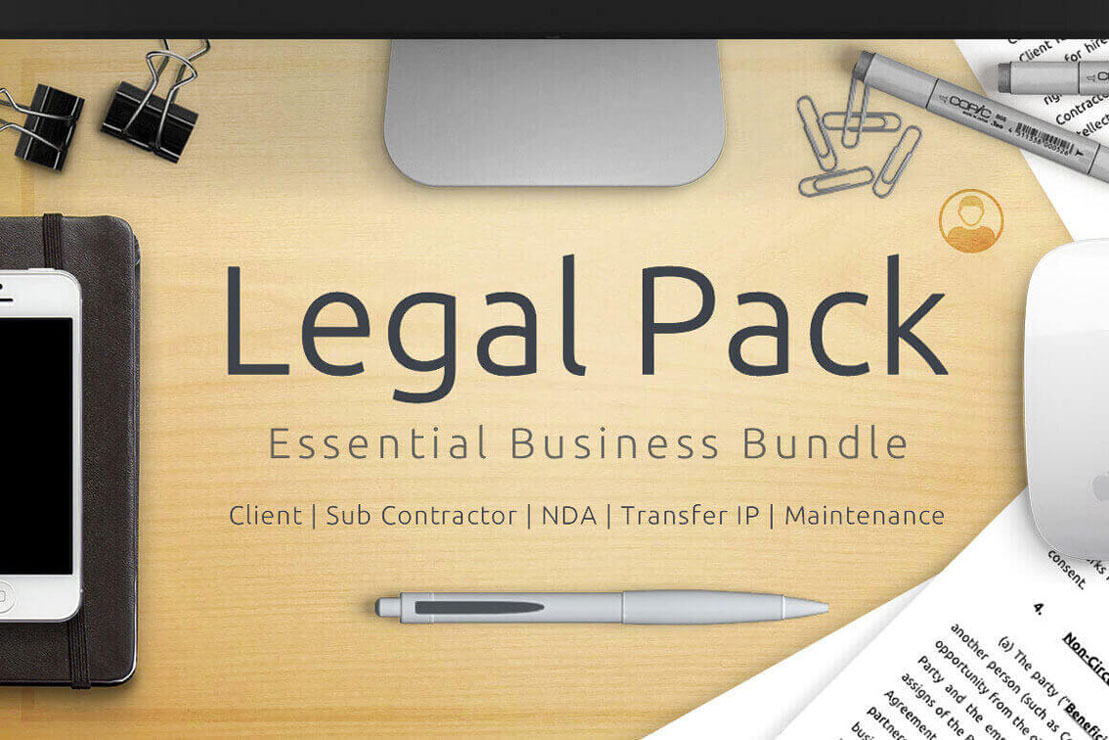
Whether you’re a freelancer or you run a full-fledged business, this Legal Pack will be your best friend. An essential business bundle, this collection features a set of professionally drafted legal contracts. You’ll get everything from the standard Client Agreement to the Transfer of Intellectual Property. Because when it comes to you and your work, it’s definitely better to be safe than sorry!
$29 instead of $149 – Get it now!
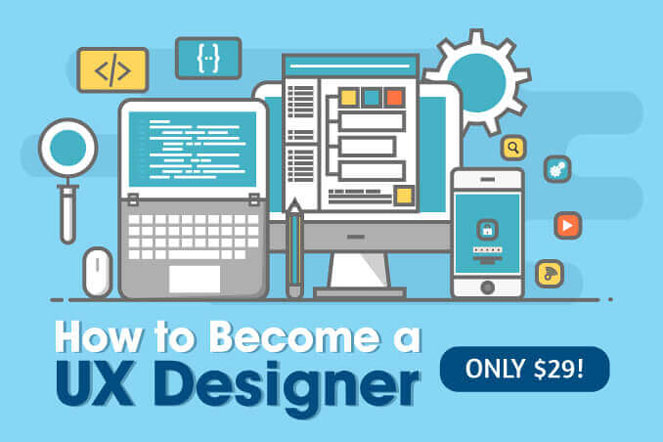
Knowing how your customer thinks and what he wants is critical to any business’ success. That’s where a solid UX Design comes in handy. With this powerful online course, you’ll learn all you need to know to Become a UX Designer! Master everything about user experience from the responsibilities of a UX designer to the tools of your trade.
$29 instead of $328 – Get it now!
Post pobrano z: How to make a great freelance portfolio for yourself
If you’re a freelancer, you know your portfolio is going to be your selling point. If you are just starting out and have little work to add to your portfolio, you might wonder how you can build up your business?
It might feel like a Catch 22 situation, where lack of experience prevents you from getting a job, but you cannot get experience without finding work.
The key to breaking this cycle is to add samples to your portfolio. You will only need a few samples before you can start to market yourself to paying clients. This will enable you to launch your freelance career.
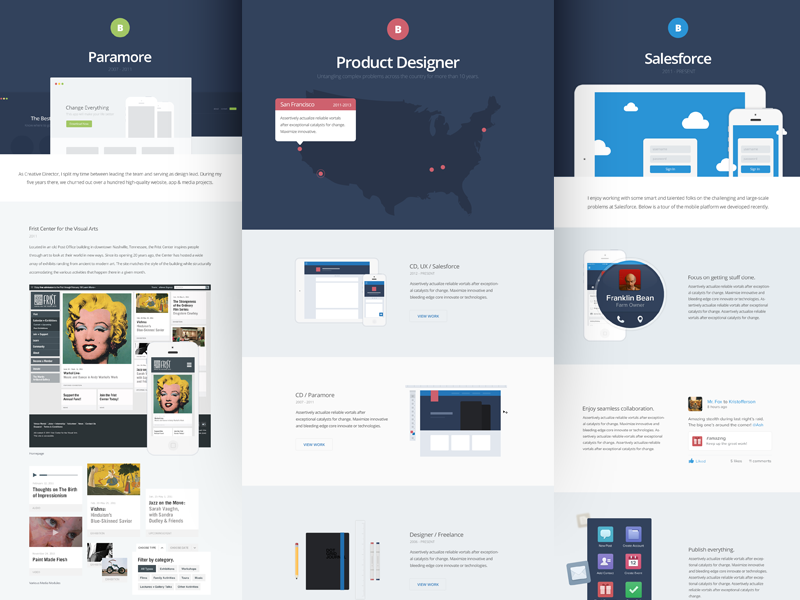
Your specialty is the area of work you would most like to be known for, even if you haven’t built up your reputation yet. The term designer is a broad title, but you might know you’d ultimately like to create websites or become an illustrator. Focusing on what you would like to do helps you to attract clients who would like your services.
When you know what interests you the most, you are able to position yourself in the marketplace.
Look at these graphic designer websites. They’re good at what they do and they showcase it well.
Knowing exactly what you want to do is the strongest advice business leaders give to blossoming entrepreneurs. Knowing what you want to do assists you with marketing your strengths and appealing to clients who want what you have to offer.
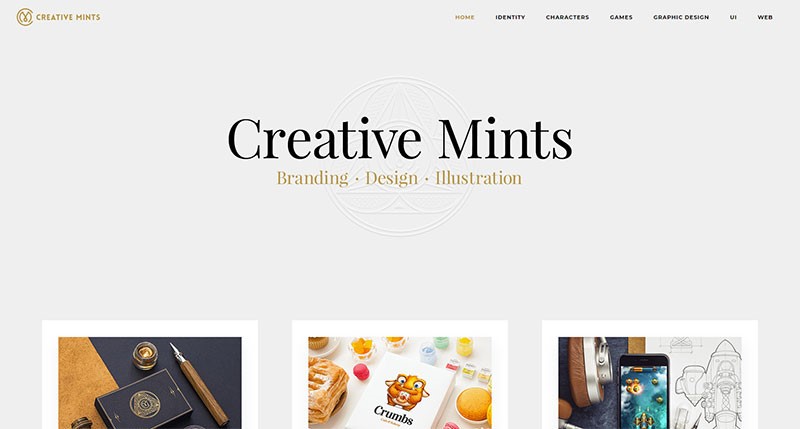
Once you know the type of work you would like to do, create a portfolio which shows off your best pieces.
Your work could include school projects or volunteer work you have done. However, if you have any shining examples which show what you are capable of, be sure to make these a priority. If you have worked for any big-name clients, make this work a priority too.
Include any forms of recognition you might have achieved in your portfolio. Perhaps you have won a prize, been part of an art exhibition or had your work featured in a magazine. Include this work too.
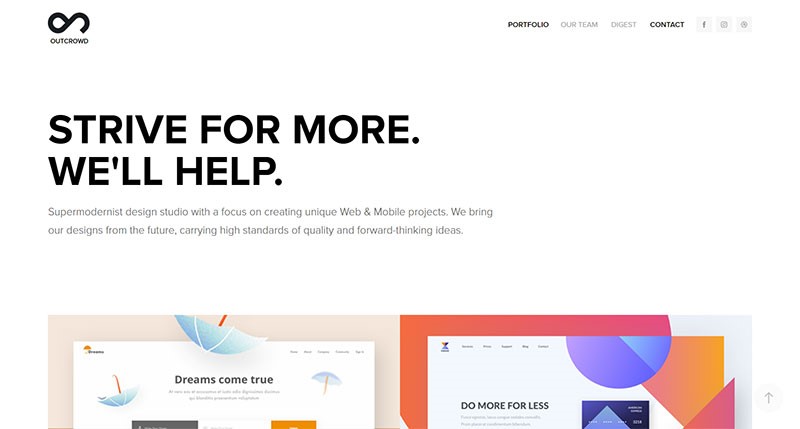
Once you’ve chosen the direction you want to take, and you know the work you want to display on your site, make sure that it is relevant. This means creating samples of work that would interest your client. Display only your best work. You can always leave your client wanting more.
If you don’t have relevant work samples, create one. As long as you’re aiming to do similar work in the future, it is worth spending time on self-created projects. You can also volunteer, create products for friends and family or design your own products.
If you are an illustrator, use this technique on your website. If you want to design logos, create one for yourself. Find ways to show your clients what you are capable of and you’ll win their trust.
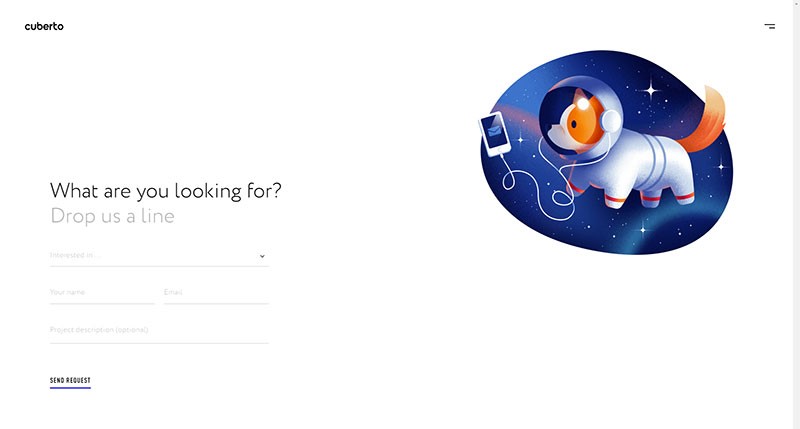
When you’re first searching for work, make yourself contactable. Include your email address, phone number, and social media contacts so that clients will be able to connect with you easily should they want to engage further.
When setting up a website for your portfolio, make your site easy to navigate. This way it will be easy to find out how to contact you. Add links to your social media accounts. These often provide a way for clients to engage further or ask questions.
Let clients know who you are and what interests you. This will set you apart from designers with a similar education or level of experience. You might have qualities, hobbies, interests or even quirks that a client can relate to.
Your passion for Neil Gaiman may make you the perfect candidate for an indie bookshop. Your love for the environment may appeal to NGOs working on slow living. Sharing who you are will enable you to work with clients who you connect with, and who are on your wavelength.
Your photo puts a face to your work and enables people to see you. This makes you feel more trustworthy to clients.
Place a friendly but professional photo on your site. Choose an image which would give the impression of you being both approachable and capable.
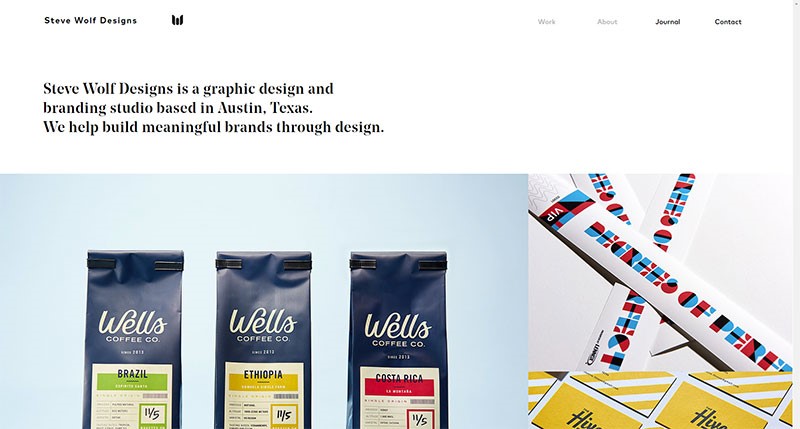
Let clients know who you are, why you enjoy your work and where your interests lie. Andrew Wise shares that sales and marketing have changed. Where people used to meet in person, sales now often take place over a computer.
As a result, you need to show people who you are online in order to establish a relationship with them. Almost all clients will read an ‘About Me’ page before making contact with you.
Your ‘About Me’ page needs to prove that you are an authority in your industry. You need to prove that you are capable of doing the work. This will prove to your viewer that you are reliable and trustworthy. Add testimonials to your page if you have them.
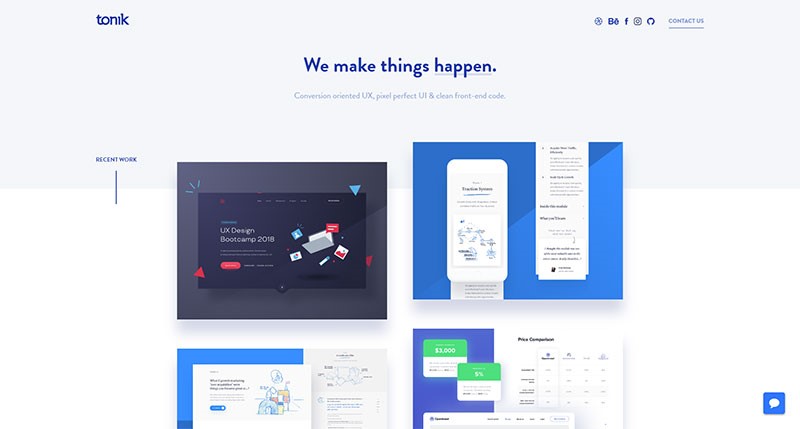
When you create your portfolio, you want to show potential clients that you know what you are doing. Keep it relevant to the work you’re doing now. This will keep your information simple and prevent you from overwhelming your viewers.
Show the skills you have which are relevant to the work you would like to do now. This will help you to get the project you want. Your goal is to show clients you have the relevant knowledge to provide an excellent service.
Your goal in creating a portfolio is to get your client to hire you. Make it easy for your clients to contact you via your site by offering them the opportunity to sign up online, receive a free quotation or ask a question.
Many sites offer ‘contact’ or ‘hire me’ buttons. You could also place a button which says ‘find out more’. You could also invite your viewers to follow you on social media.
As a freelancer, the work you present to your clients has to be your own. Providing examples of work that other (more experienced) designers have done is counterproductive. This is because you won’t be capable of producing the work once you’ve been hired. You might also find yourself in legal trouble for misleading your clients.
Your references need to be honest as well. This means they should be easy to verify and not made up by either you, a friend or a family member.
It may be harder to start off as a freelancer when you run an ethical practice, but it is important for building up a reputation. Clients who can trust you, who know what to expect, and who are happy with your services, will recommend you in the future.
Unhappy clients will spread the word if they believe you can’t be trusted. It will be harder to create a practice as a dishonest freelancer than it will be as an inexperienced one. Give yourself time. You’ll eventually develop the trust and experience you need to grow and develop as a freelance designer.
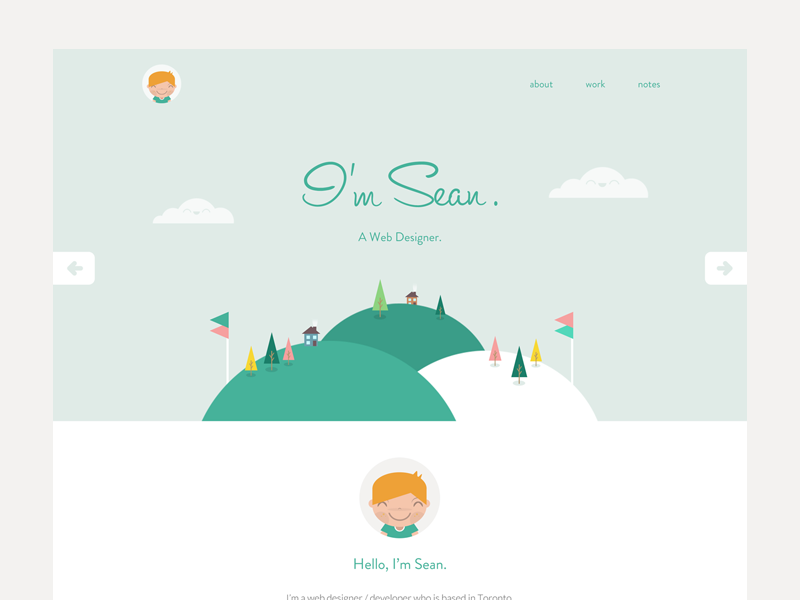
If you would like to begin building up your portfolio, begin with people who know you on a personal level. This reduces the risk to the client who will have an idea of who you are as a person, and what your capabilities are. You might also have a good idea of the type of work the client is looking for.
Draw on your experience. If you have had a student job working at a bookshop, you’ll know the clients the business is marketing to, the atmosphere the company is trying to create and the types of designs which would help them achieve it.
Working in an industry you understand well will assist you with applying new skills. A newer industry may be harder to break into, even if it is your ultimate goal. This doesn’t mean you should give up on the idea. Instead, build up a couple of jobs as a designer first so that you can attract new clients in your chosen area of expertise. The more work you have, the more dependable you prove yourself to be.
Your portfolio is an excellent marketing tool which will assist you in attracting new clients. It enables you to showcase your creativity and share your interests in the design field. Add your most relevant (and significant) work. Take the time to show your clients who you are and what interests you in the field of design. You can change and adjust your portfolio over time.
Your portfolio will never be static and will evolve with your experience as a designer. However, you always want it to represent you, who you are and where you are going as a designer. Use it as part of an ongoing marketing tool to attract new clients.
Post pobrano z: Communication is key in business: 5 ways to talk to your customers online

Regardless of the nature and the sector of your business, whether it’d be B2B or B2C, downright online or also on location, your customers should be your primary focus. With such vast competition and so much on offer in the market these days, the quality of your customer service and relations can be the breaking point between you and your competitors. Improving customer communication on your website can even increase your revenue. Here are five, easy to accomplish ways of how to improve customer communication on your site.
The key to an excellent company blog is knowing your audience and consistently producing quality content. If you have already established your online business, chances are, you also know your target audience. Use that knowledge to deliver targeted and personalized content that your customers will want to read. In your blog posts, try to answer questions your customers might have, provide valuable advice and share your experience. Blogging is a kind of an indirect way of talking to your customers, sharing common concerns and joys. Also, by including social media buttons on your blog, you allow your content to be shared by your readers gaining a wider audience and more potential customers.
There is nothing more frustrating than an inability to contact customer support or difficulty in finding company’s contact details when you have a question to ask about the product or service. Your customers might have inquiries that your blog or website’s copy isn’t answering, therefore, integrating a live chat button on your website is a quick way to handle all sales questions while the lead is still hot, establish a conversation with your potential customers, and reduce your website’s bounce rate. On top of that, using Live Chat, you also get more detailed information about your website’s visitors, such as their location, pages they viewed on your website, email address, and so on.
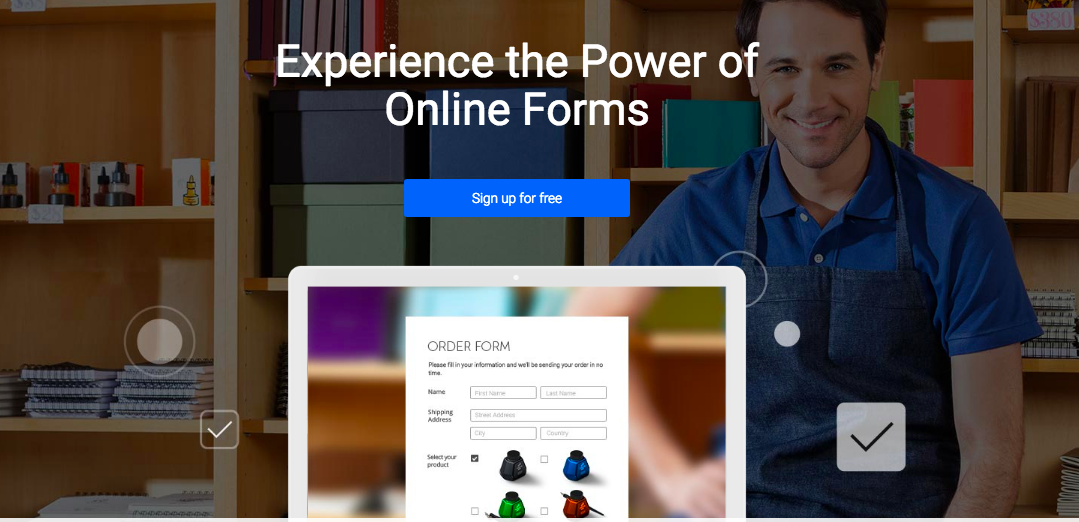
Generating a good web form on your website is one of the best ways to get input from your potential clients. Online forms are where your potential customers will disclose personal information like email address, name, and surname. Web forms are not only a source of all your customer data but also an indirect conversation starter. Based on the information you get through a web form, you can send personalized emails, sales proposals, and updates about your company directly to your clients. These free forms are the perfect conversation starter. Optimized well, they can help you turn leads into customers.
According to research, only 10% of heard or read information is remembered a few days later. However, if that same information is paired with a video or an image, 65% of it is remembered a few days later. Including sales or promotional videos, infographics, engaging images, and other visual content onto your website is an easy way to engage with your customers and grow a loyal audience. Information that you see, and especially if that information connects and motivates you in some way, is easier to remember. It is also essential to make that information easy to share. Who can be better advocates of your brand than your customers?

Social media platforms, such as Facebook, Twitter, LinkedIn, and Instagram can not only increase your brand’s visibility and become yet another perfect platform to talk about your services and products but also it allows you to listen to what people are saying about your brand. Opinions expressed on social media can come not only from your customers but also from your competitors. Social media presence is vital for any business as it connects you and your customers outside of the “usual environment” like your company’s website. By connecting with your customers on social media channels you establish a less formal contact.
Communicating with customers is key to success in any business. Providing perfect conditions for your website’s visitors to communicate with you is essential. In order to do that, it’s good to analyze your website from your client’s perspective and see what it might be lacking. Make sure you include these five points mentioned above on your website to create a more visible and engaging brand as well as establish a loyal audience.
Post pobrano z: On Paid Newsletters: An Interview With Adam Roberts of SitePoint’s Versioning
You don’t often think of email as something you pay to get. If anything, most people would pay to get less of it. Of course, there are always emails you like to get and opt into on purpose. We have a newsletter right here on CSS-Tricks that we really try to make worth reading. It’s free, like the vast majority of email newsletters. We hope it helps a bit with engagement and we make it worth doing financially by showing the occasional advertisement. It’s certainly not a full-time job.
I spoke with Adam Roberts who is trying to make it a full-time job by running SitePoint’s Versioning newsletter as a paid subscription. I don’t know much about this world, so I find it all pretty fascinating. I know Ann Friedman has a paid newsletter with a free variant. I know theSkimm is a free newsletter but has a paid membership that powers their app. I was told Bill Bishop made six figures on his first day going paid, which is wild. In the tech space, Ben Thompson’s Stratechery is a paid newsletter.
Let’s hear from Adam on how it’s doing it. I’ll ask questions as headers and the paragraph text is Adam.
Yep, it’s crazy! Versioning provides devs, designers and web people curated links aimed at making them more productive and up-to-date with the bleeding edge of their industry. I’ve done the newsletter for nearly four years and, up until now, it’s been a thing I squeeze in for an hour or two during my day, as a break from my actual job (most recently, head of content for the site). Now, it’s no longer being squeezed, and is my actual job! I can now focus entirely on making it something people find valuable. They’ll know that everything I include is there because I think it’ll make their lives, skills or knowledge better. I’ve always set a high standard for myself when it comes to what I include—never something I’m 50/50 on (unless it’s an emerging tech) and I never include something because we have a deal or something. Now, this is an actual formal thing. Ads were always a means to an end, now we have a better means, and hopefully a better end!
If you sign up as a paid member, you’ll get the daily newsletter. It’s also viewable on the site, so what you are paying for is really the convenience of email. You’ll also get periodic members-only updates, like deep dives on an emerging subject, always-updated posts on important subjects, and media guides. If you sign up to receive free updates, you’ll get a weekly update plus other periodic free updates.
Given this is a SitePoint venture and not my own thing, we had to make sure it was worthwhile for subscribers and that the numbers were friendly! There’s definitely potential this will work better in a financial sense, while also be being better for subscribers—we wouldn’t be doing it otherwise!
I have always had a fairly active reader base, with people dropping me a line via email or Twitter to thank me for something they liked. We also have the requisite creepy email analytics (e.g. opens and clicks), which help to spot trends and subjects to focus on or avoid. It’s a challenge to cover a few different subject areas well (like front-end and back-end development, design, etc.) but I think most readers working in a particular niche in our industry find it helpful to know what everyone else is up to. The world also evolves quickly—the first edition covered a jQuery library, for example. That’s not an area that’s stayed in the forefront of the news since! Mind you, the first edition also had a Star Wars link, so maybe some things do stay the same.
I think if I ran into Versioning in the wild, I’d want to subscribe to it. I’m working to try to get the content balance right—providing the right stuff for people, plus commentary that’s enjoyable. The other day I had links to an article on understanding state in React (I think it was on some site called CCS-Tricks, am I spelling that right? 😉), an article on fake science gurus on Facebook, one on an Australian cyborg who tried to pay for a train with a chip in his hand, and the video for Warren G’s Regulate (an allusion to the likely response to the various Facebook crises).
I subscribe to so many newsletters, and they’re all different. I think consistency in each newsletter helps. If I was to drop the format and post a long, detailed screed about one subject, that would not go over well. My aim is to include one link that every reader wants to click. Often, that’s all you can handle as a reader, especially on mobile where the interface doesn’t make collecting tabs easy. That’s also why I include the destination domain in brackets next to every link—I don’t want people to end up somewhere they’re not expecting. Also, some sites (like the The New York Times, The New Yorker, and Wired) have limits on the number of free articles people can view. I don’t want people to accidentally run out of freebies because of me—I want them to realize how much they value a site and support it.
The formats have different, complementary strengths, and so I don’t think the paid layer necessarily changes this. Newsletters are good at highlighting particularly important things, putting them in context, and maybe taking a long view of a certain issue. Sites (or blogs) are good at adding interactive elements and keeping content up-to-date and accurate as things change.
In our case, one of the things our email platform, Substack, allows us to do is send a particular edition out as both a newsletter and a post. This means a member can access it wherever is best for them. It also means I can do things like send out an initial newsletter outlining a particular topic, then update the online version with new content. I will use this to produce updated, canonical posts for a particular subject or technology. And these formats can be either free to all, or only available to paid members. There’s a lot you can do with this level of flexibility, I’m sure I’m only scratching the surface. The key is to produce something worthwhile for an audience and the format is secondary.
There is a backlash against the algorithmic tide. Instead of opening a feed and hoping for good content, why not find someone you trust, and whose opinion and taste you find interesting and useful, and sign up to consistently receive content from them. You’ll still get the „something new and cool” dopamine hit you would in a feed, but it’ll be more consistent and reliable. And they’re all separate entities; there’s no „if you followed this publication, maybe you should follow this other one” thing. And if you stop enjoying them, you can just unsubscribe.
Newsletters are intimate. Your inbox is your personal space, where you step back from the tumult and take stock of the stuff that you’ve decided matters most to you. That’s why spam and relentless, poorly-conceived marketing emails always feel like such a violation.
I think newsletters and podcasts are both growing in prominence for the same reasons. Both mediums reward consistency and reliability in format and topic, are built on personality, and have an intimate feel. Someone’s either talking into your ears for hours every week, or writing to you in your private space.
Speaking of concerns, SEO is a tricky one. Algorithms are part of the discussion here again. SitePoint has a pretty decent search footprint, but new and niche publications aren’t so lucky. I suspect there will be a mini-industry of newsletter curation services start to develop. I would actually love to be in that space.
Filter bubbles are another concern. Newsletters are another opportunity for people to only read the stuff they agree with. But it turns out algorithms and social networks aren’t so good at stopping that either!
I was very, very, very sad to see the end of the Awl (and the Hairpin). That was a site that was chock-full of amazing content that was not targeted to appeal to Facebook and such, and as a result, it ultimately wasn’t sustainable. It kind of feels like such cases—plus the re-tooling of Facebook’s feed away from publications and towards people, and the rise of newsletters—are all related. It’s reductive to say „newsletters are the new blogs,” but it’s probably not far off. I would 100% be telling someone to start a newsletter. Actually, I’d tell them to use Substack, but I would have to declare my bias!
I love talking about this stuff! Uses This is one of my favorite sites. Honestly, it’s pretty low-tech at the moment, just busy. I have a Pocket account with a #versioning tag, so that often gives me a dozen or so links at the start of the day, sourced from my internet meanderings through the evening. I subscribe to a million newsletters, both in my work and personal accounts, on a hopefully both diverse and relevant range of topics.
I subscribe to quite a few RSS feeds using Feedly, too. Nuzzel, which sends you a daily/weekly digest of the most-shared links among people you’re following in Twitter and Facebook, is very useful here too. I have a personal Twitter/Nuzzel feed, plus one I’ve specifically set up for this purpose. Refind is another service trying to solve this problem. Its breadth and depth kind of give me a headache though. They’ve got a Nuzzel-like daily/weekly digest, a service for creating your own newsletters, a cryptocurrency—there’s a lot.
I also have the requisite very big Tweetdeck set-up to grab other links that catch my eye. Oh, and Initab is a new Chrome tab extension you can populate with feeds from certain subreddits and other place. I’ve been playing around with psuedo-Tweetdeck-for-Reddit services too. And Spectrum is a new community service thing I found last week, looks like it could be a winner too. And I need to be more active in Facebook groups. Also, Slack!
So yeah, there’s a lot. A bit of a combo of algorithms and people, hopefully I have the balance right. I also change newsletters, feeds, and other sources regularly, trying to find a better balance.
As for collecting and writing, it’s actually fairly simple—I find something I like, copy the URL into a Markdown doc, then write a description. I deliberately use a web-based Markdown editor (currently Stackedit, though I have used Dillinger and Classeur in the past). Something web-based is good because I can easily tab to it without having to switch to a new app. Stackedit is good because you can paste the generated preview directly into Campaign Monitor and (now) Substack and have formatting and links sorted. I then have a Google Doc to collect links I’ve already shared, and to gauge the reception in the audience—I want to spot trends like a rising interest in micro-services.
Yes, email design is hard! Fortunately for me, the content and approach I’ve adopted lends itself to a stripped-back design with very little going on. Versioning is just text and a few images, so it required practically zero design. Our use of Campaign Monitor and now Substack meant we could sidestep some of the template work. In general terms though, my advice would be:
Ultimately people will enjoy a simple newsletter full of content they love presented in a way they can absorb. The design shouldn’t tie you in knots!
The post On Paid Newsletters: An Interview With Adam Roberts of SitePoint’s Versioning appeared first on CSS-Tricks.