
Archiwum miesiąca: lipiec 2018

Grand Egyptian Museum


emancipath
Post pobrano z: emancipath

stapled poster for piercing studio / Bon à clouer au pilori?
Post pobrano z: stapled poster for piercing studio / Bon à clouer au pilori?
 |
 |
 |
| THE ORIGINAL? Oslo Piercing Studio – 2001 Source : Coloribus Agency : Leo Burnett Oslo (Norway) |
LESS ORIGINAL Divine Piercings – 2009 Source : Adsoftheworld Agency : Watermark (Canada) |
LESS ORIGINAL Montreal Tattoo – 2018 Via : Cannes Longlist, Infopresse Agency : K72 Montreal (Canada) |
Residential showrooms / une copie sans concession?
Post pobrano z: Residential showrooms / une copie sans concession?
 |
 |
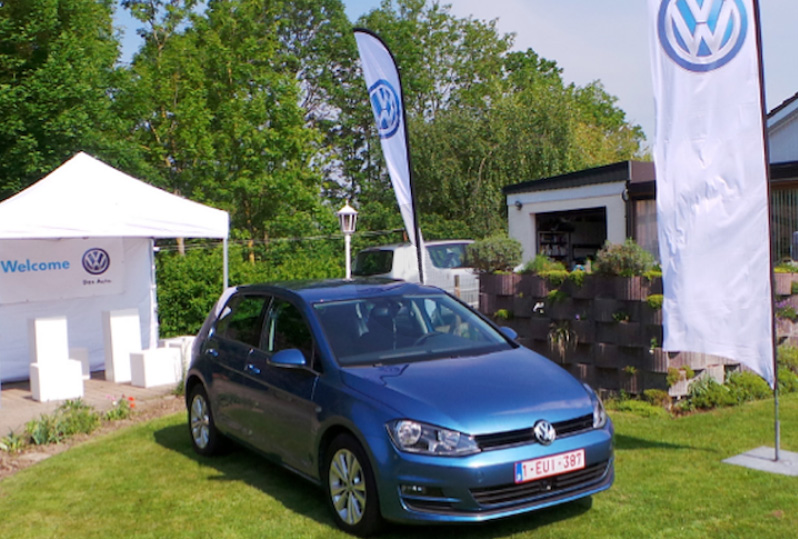
| THE ORIGINAL? Volkswagen “Residential showroom” – 2013 Source : Coloribus, EUROBEST SILVER Watch the Case Study Video Agency : DDB Brussels (Belgium) |
LESS ORIGINAL Honda “Honda Next Door” – 2018 Source : Cannes Lions AMBIENT SILVER Watch the Case Study Video Agency : Sid Lee Paris (France) |
Why Businesses Need to Embrace the Cashless Revolution
Post pobrano z: Why Businesses Need to Embrace the Cashless Revolution
It has long been established that only a small fraction of the total number of money in the world today actually exists in physical cash form, with the most popular guess being about 8%. However, this is soon to be an even smaller percentage, as businesses, banks and governments have embraced the technological advancements that have allowed transactions to be carried out without the need for any cash, instead, using contactless card payments and transfer apps like Paypal and Transferwise.

Image by Jonas Leupe
One area which has been a little slow on the uptake in this regard has been smaller businesses, particularly in the US, which ranks among one of the worst countries in the developed world for the ease of cashless payments. In an increasingly digital world, it’s worth exploring some of the key advantages of making sure your business follows the trend and embraces the cashless revolution.
Efficiency & Convenience
This is probably the most tangible benefit of ensuring your business is equipped to handle a wide range of cashless payments. With tap and pay transactions now being the norm in most countries, one of the most noticeable improvements has been in the efficiency for the business and convenience for the customer. A contactless payment typically takes less than a second to process, while a cash payment can easily take up to a minute, meaning you’re driving up efficiency and, therefore, saving money.
It also makes all transactions easier to record, as they’ll be stored in multiple formats online and in an internal system, meaning that, when it comes to taxes, expenses, and budgets, it’ll be a much easier process than trawling through receipts.
A Global Customer Base
Ensuring you have multiple cashless payment systems in place expands your customer base exponentially, as people can pay for your goods and services from anywhere in the world.
Electronic forms of payment have become the norm in a huge range of global businesses, including casinos, which should tell you just how far along the cashless revolution is. As well as more traditional forms of cashless payment, casinos are also embracing the use of echecks, which work similarly to a physical check, in that the recipient will usually receive their funds a few days later, but it is done entirely electronically. This form of payment is a relatively recent frontier in the cashless economy and is becoming increasingly popular with businesses across the globe.

Featured image by Matthew Kwong
Whether you’re buying groceries via PayPal or using echecks with Canadian casinos, the ability to conduct transactions online from anywhere in the world is the defining consumer trend of the coming decade.
Some countries these days are virtually entirely cashless, such as Sweden and the Netherlands, so you can expect that increasingly large demographics of consumers will be growing accustomed to not carrying any cash with them at all, and you want to be prepared for that when they decide to walk into your business. It also allows people to pay for goods in whatever currency they want, rather than having to go through the long process of swapping your cash for local currency.
Security
In a world where cloud hacking is taking up more headline space than ever before, digital commerce might not seem like the safest port right now. However, your e-cash is always going to be significantly more secure than physical cash, which can be taken by virtually anybody in a wide variety of circumstances, from armed robbery to pickpocketing. Going cashless mitigates these risks, and with cybersecurity making bigger strides than ever, it seems that the future of risk-free finance is cashless.
There are endless reasons to go completely cashless, but make sure to speak with a financial advisor to see if it is the best fit for your business.
Featured image by Eaters Collective
How to improve your web design workflow
Post pobrano z: How to improve your web design workflow
As a freelancer in the field of web design or development, you are well aware that time is money. When you are able to get a great deal of work done in a set amount of time, your profits will increase, and you will be able to meet your goals and deadlines.
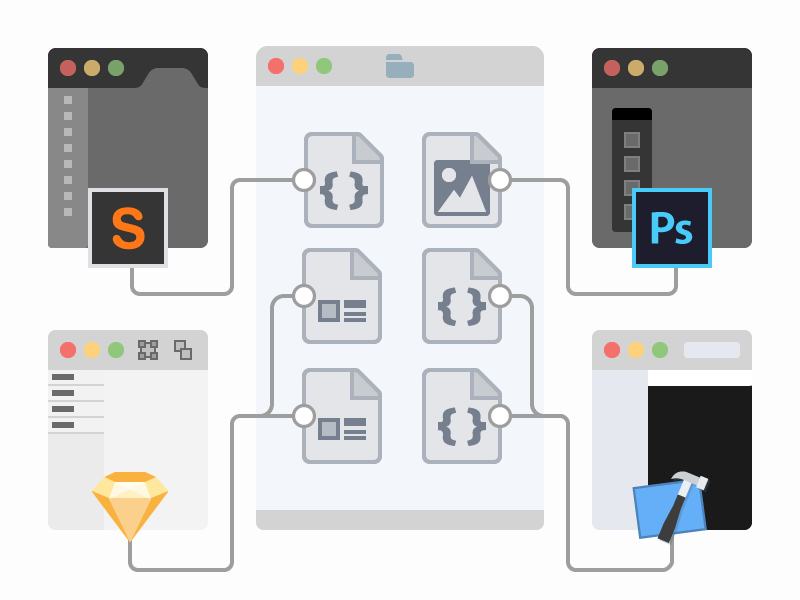
Working efficiently is, therefore, a crucial skill for freelancers to develop. Time management will provide a significant boost to your career. However, as a freelancer, you may wonder where you should best invest your time? What will pave a smooth path towards an efficient work schedule and what would result in mere procrastination?
Here are some helpful tips to improve your workflow
Plan your projects
When you give your web designs a sense of direction from the very start, you will save time in the long term. Although planning takes time and reveals the complexities or intricacies or a design, it will help you save time. This is because a clearly thought out design will give you a clear sense of direction.
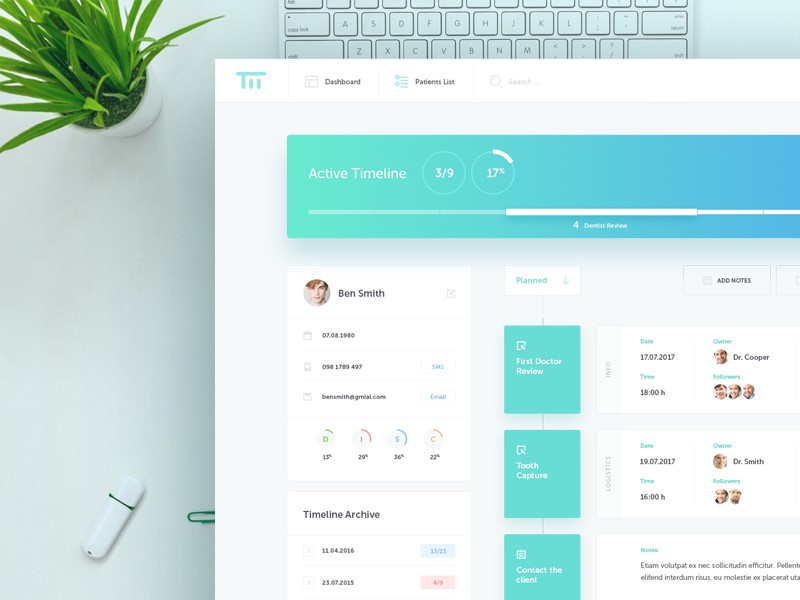
When you plan your project well, you will save time from making repairs at work. You can both receive information from your client and share your feedback. This will ensure that the end result meets your client’s need. There will be no surprises along the way if your client agrees to your initial plan.
When planning your project, take into account the goals and functionalities of your site, the content you will include, the design or aesthetic, your sitemap, budget and call to actions. Once you have a clear vision for your site you will be able to work with a clear set of goals in mind. You can then use Photoshop or wireframe.cc to begin your layouts.
What should you include in your project plan?
Every project you work on will include a different plan, as well as a different level of complexity. While some designs are relatively simple and your client has a clear idea of how to proceed, others will take a lot of thought.
When it comes to planning your project, the amount of time you give to each different stage will be different. However, planning should evolve through 6 different steps or stages:
- Define what you would like from your site.
- Assess the content and how you will design around this.
- Define the features of your site.
- Take your audience into account.
- Research how to create an intuitive, aesthetic site which will suit a company’s identity.
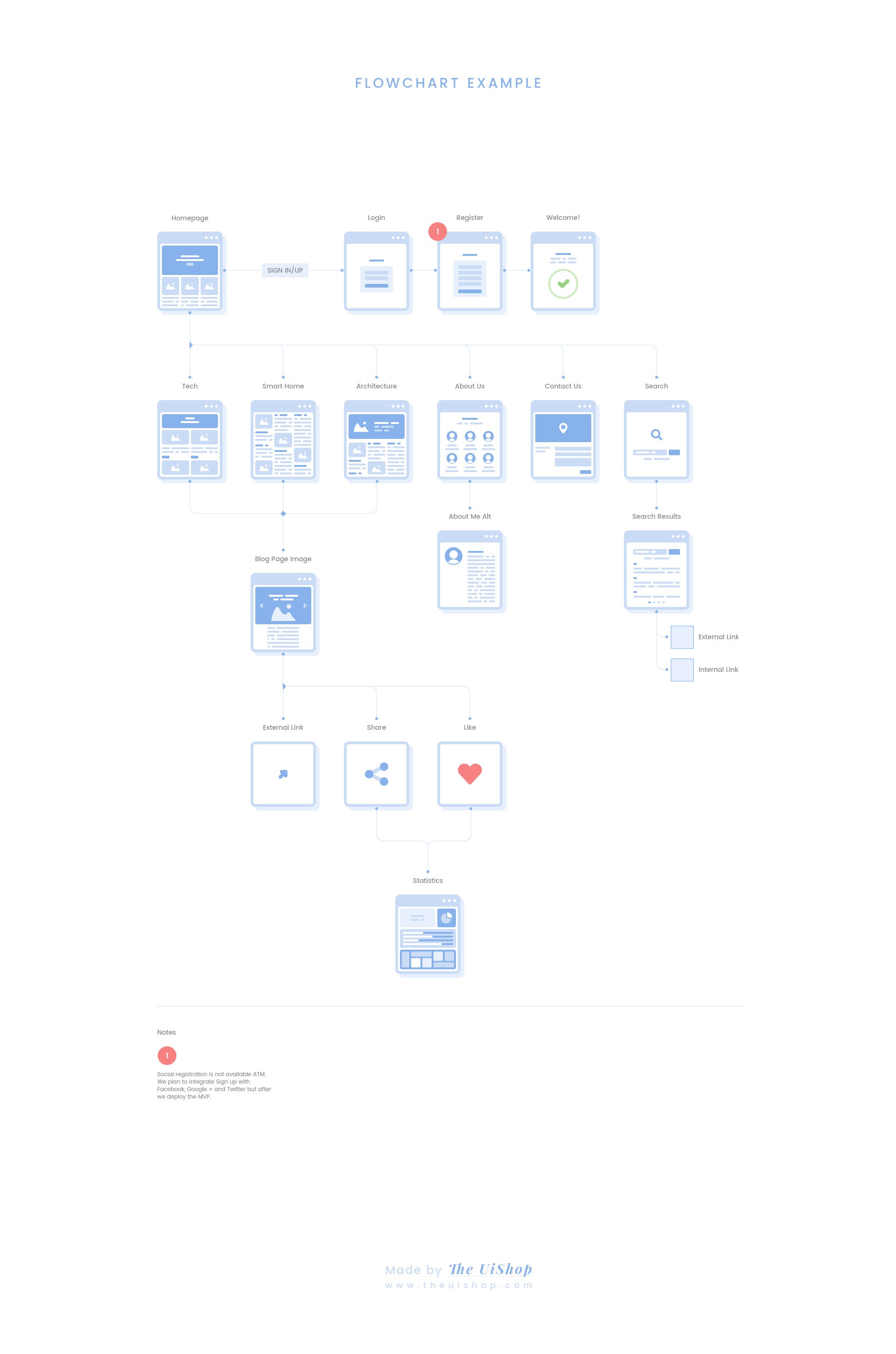
- Plan how you will organize your site, create a hierarchy and your wireframe.
Which questions should be taken into account when planning the site?
You’ve made the decision to plan your site before you begin designing. Now you might be searching for some questions to ask which will assist you with the planning process. Here are some guidelines you can follow while planning your site:
Who will be visiting this site, and what would they like to achieve? Is your site informative, does it aim to sell a product or service?
Why does your client want to construct this site? Is it to gain new leads, sell a product or reach out to the community?
What do you need to achieve in order for the site to be a success? Do you need to encourage your viewers to subscribe, buy a product or participate in an online forum?
What materials do you need for designing the site? Think of what you need to use based on your audience. Do you have a tech site to create? Would a carbon fiber texture fit in there?
Taking these questions into account will guide your design process. When you design with your end result in mind, you will be able to create clear goals which will inform your design process.
Designing with the big picture in mind will assist you to create a successful site. It will also save you time in the long run as you will not need to make numerous changes later on.
Your graphic design workflow
Once you are ready to start designing, you may wish to use Photoshop or Illustrator to design your site.
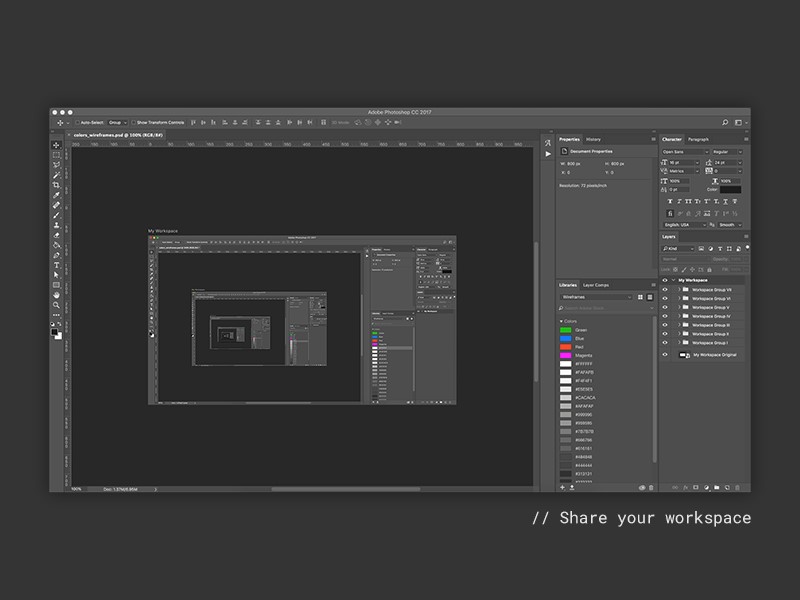
Photoshop gives you the opportunity to customize your workspaces. If you make this choice, you will save yourself a lot of time. This is because you will have palettes or panels which appeal specifically to you. You will also find that you often create your own frequent choices. Setting up these features in the order which suits you will enable you to work more quickly.
Although Photoshop offers predefined features such as painting, photography, or design, you can create some of your own features too.
Optimize your images to increase speed
When you are working on your designs, slow downloading speeds will both delay and frustrate you and eventual viewers of a site. One of the biggest contributors to slow page loading times is image size. If you customize your images you’ll be able to increase both your working and eventual site download time.
While you work on optimizing your images, you could also ensure that they will be responsive to a range of different devices. You can do this by adjusting the image size to the screen it will be displayed upon.
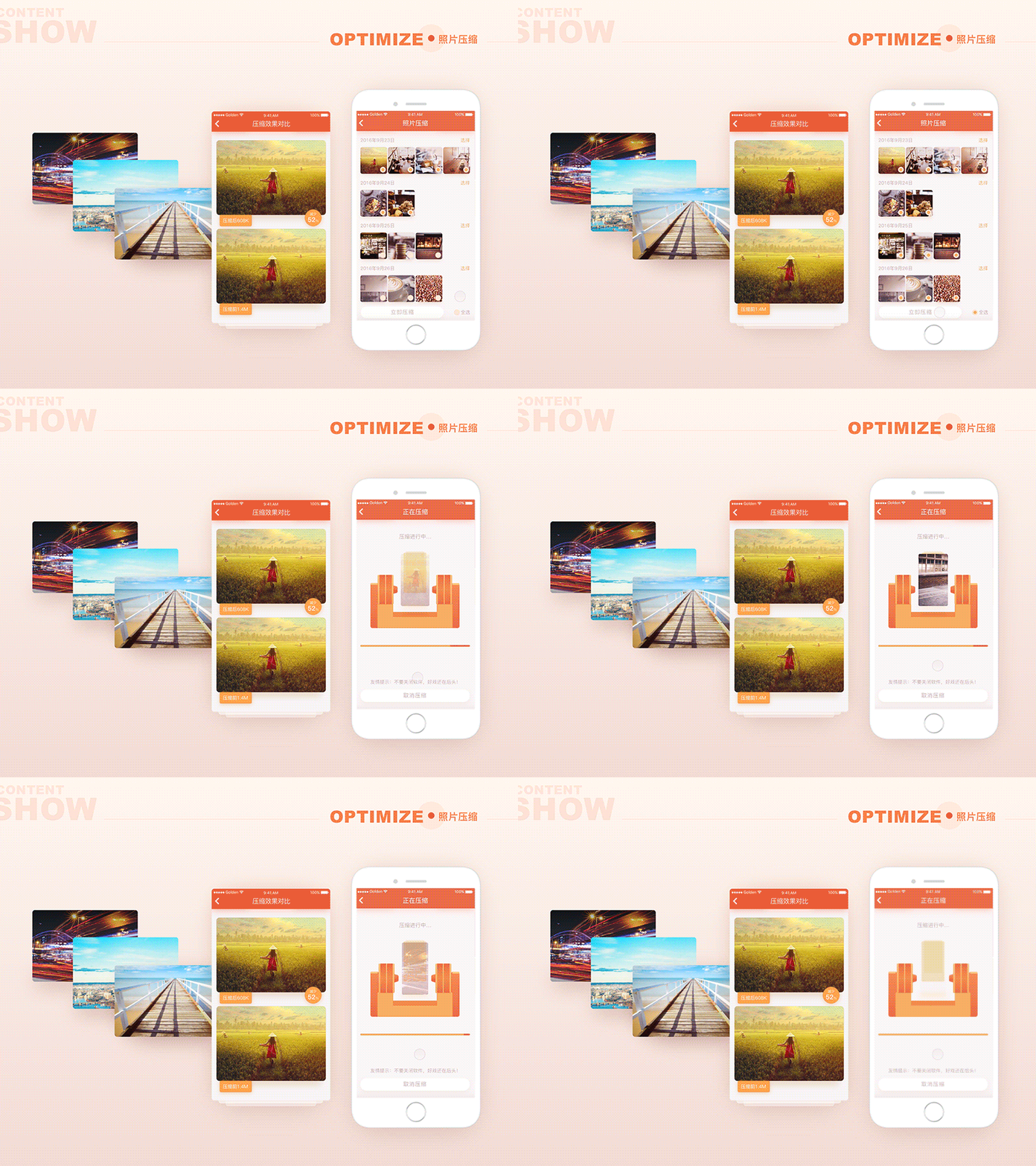
Take your different font weights into consideration. When you work to increase your downloading speed, remove all unnecessary font selections or weights from your designs. Each new element will add a different weight to your site and therefore delay your speed. By keeping your site as clean and clear as possible, you’ll ensure that it loads more quickly.
Learn a new skill
By increasing your skills, you will expand your design repertoire and the number of projects you will be able to work on. You will initially feel as though you are working more slowly. This is because you will be leaving the comfortable territory where each stage of your project is familiar to you. However, once you’ve developed new skills, you will be able to expand your practice or speed up your current designs.
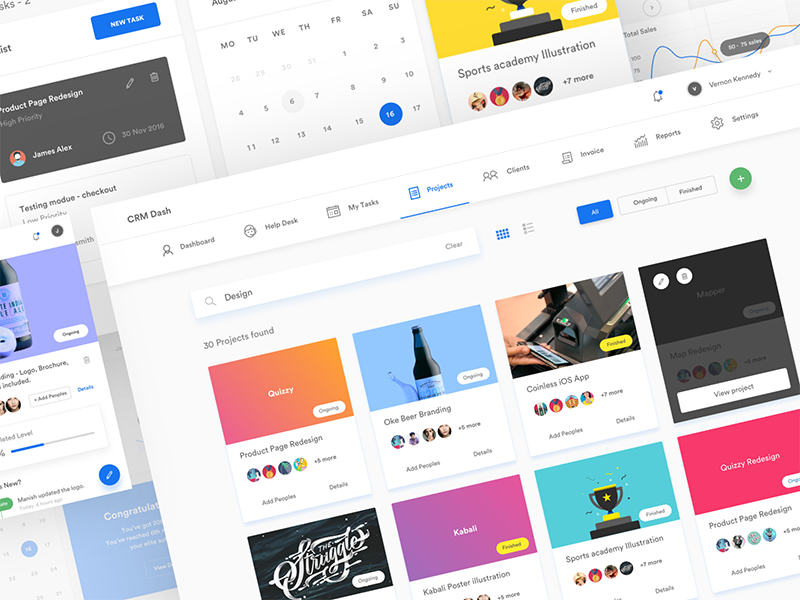
If you are unsure of new areas to expand into, you could even explore your current weaknesses and how you could strengthen them. If you battle with project management, planning or typography, this may be an area to work upon. Alternatively, if you are limiting your software use because you prefer a familiar program, then working on new programs may be the option for you.
Organize your workplace to suit your needs
Every designer needs a structured or organized workspace. This will help you to find the tools you need for your tasks as well as incorporate them quickly and efficiently into your new job.
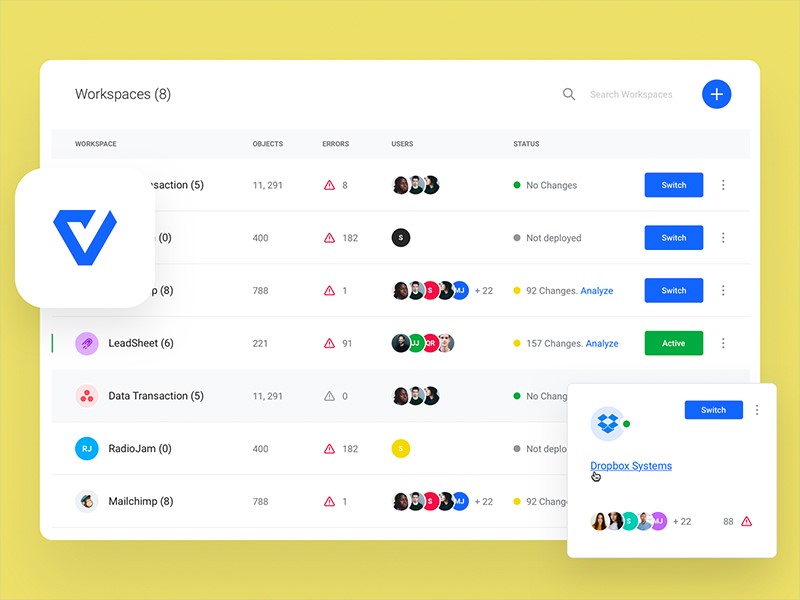
Keep your office space well organized, your computer files easy to access and your software programs customized to meet your individual needs. This might take a little time at first but will enable you to work on your projects quickly and efficiently.
Learn your software shortcuts
Most programs, such as Illustrator, have a range of shortcuts that you can use to increase your speed while working.
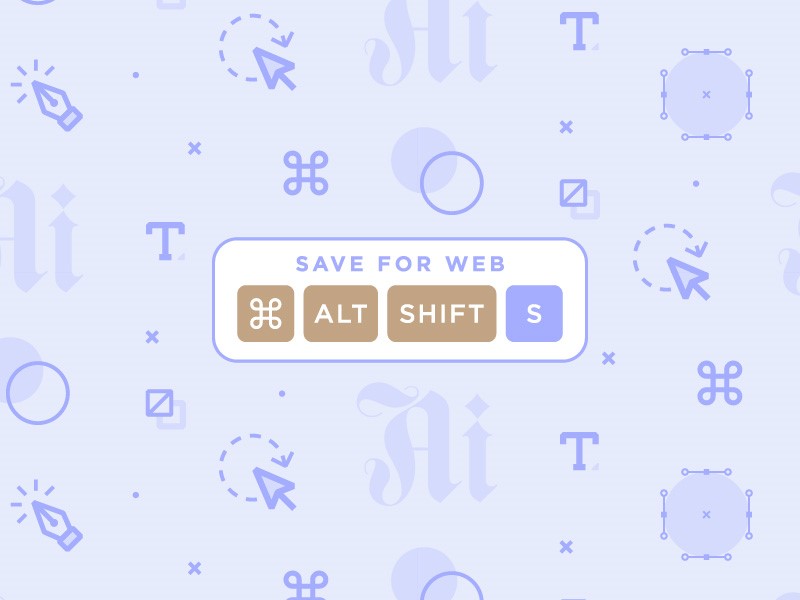
Although the number of shortcuts may feel daunting at first, by learning those you use most frequently, they will eventually become second nature.
You can keep expanding as you go along. Once you have learned to use the keyboard shortcuts, your programs will begin to feel more intuitive and second nature to you. You will also be able to work more quickly with your programs.
Make use of a CSS preprocessor
When we create style sheets, we know that they can become both repetitive and terribly dull. Although we often repeat some elements on our style sheets a CSS preprocessor such as Sass or LESS allows us to organize or CSS effectively.
In addition, it allows for some elements on our style sheets to be tweaked or changed while others remain the same. You can also reuse chunks of information should you wish to.
You could also improve your CSS workflow by creating an awesome development team who will be able to rework your CSS codes, continually creating new variables for you.
Summary
While there are many ways to work efficiently and increase your productivity as a freelancer, these basic building blocks will assist you to save time while you set up your freelance practice. This will help you to work more efficiently and increase your profitability. Although many time-saving techniques may seem basic, they are worth implementing. The overall results help you to work efficiently, improving your design process.
How to increase your income as a freelancer
Post pobrano z: How to increase your income as a freelancer
As we move towards a digital world, more and more people are making the decision to freelance. The increase in flexibility, as well as the opportunity to grow your client base (as well as your income), offers great appeal. In America alone, 35% of the workforce have made the decision to work freelance.
If you’re freelancing, you’ll know how difficult starting out can be. Building up your client base (and therefore your income) can feel daunting at first. As a result, we’ve compiled a list of tips to help you to build your client base. This will assist you to build your freelance business.
Build your customer base
As you begin working on your freelancing career, your goal is to reach more customers, build on your experience and increase your recommendations. As a result, your goal is quite simply to attract clients. Many clients appreciate a subscription model, where they are able to control how much they spend every month. As a new freelancer, this will also provide you with a base income that you can rely on.
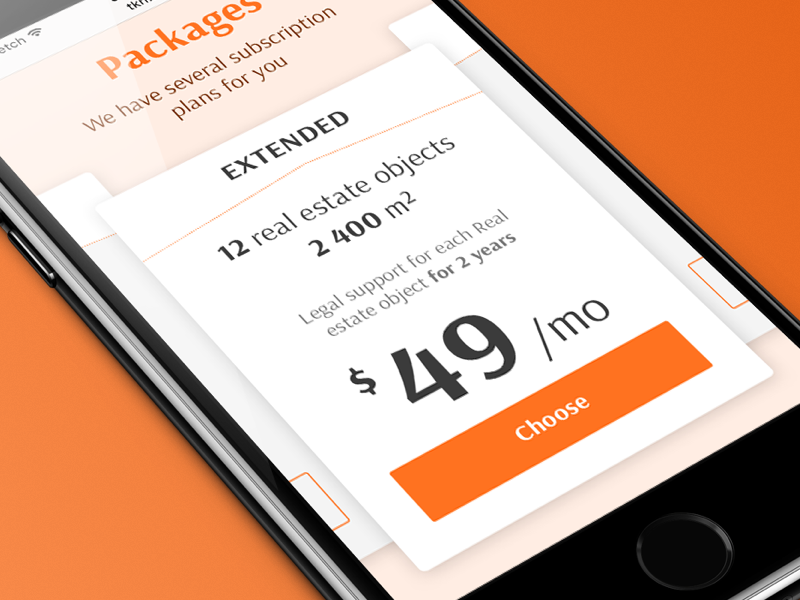
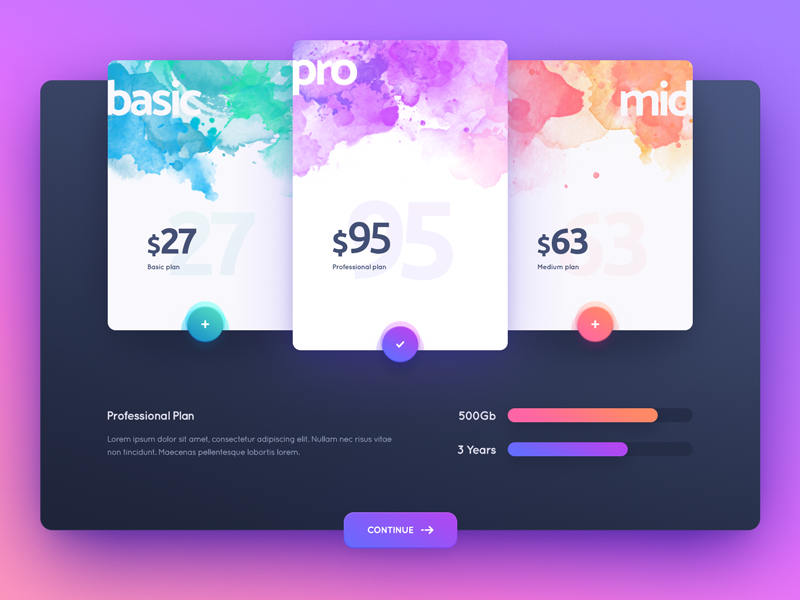
As a new freelancer, you could also attract clients by giving free trial offers to subscribers. This could encourage customers to try your products. You could also offer up different price levels, where clients could pay a small amount per month in order to subscribe to a basic service. By making your entry level pricing much lower, you would be able to attract clients who would be excluded from the traditional pricing charged by freelancers.
By building your client base in this way, you will be able to create a basic income as well as gain valuable experience as a freelancer.
Offer a wide range of solutions
As a freelancer, you will be able to establish a unique market for yourself if you work in a niche or specialized field. If you’re a writer, you’ll be able to establish your client base in this niche field. However, many of your clients may value a design element when it is added to their work. By bringing in a freelancer with a different specialty or niche, you would be able to increase your range of services.
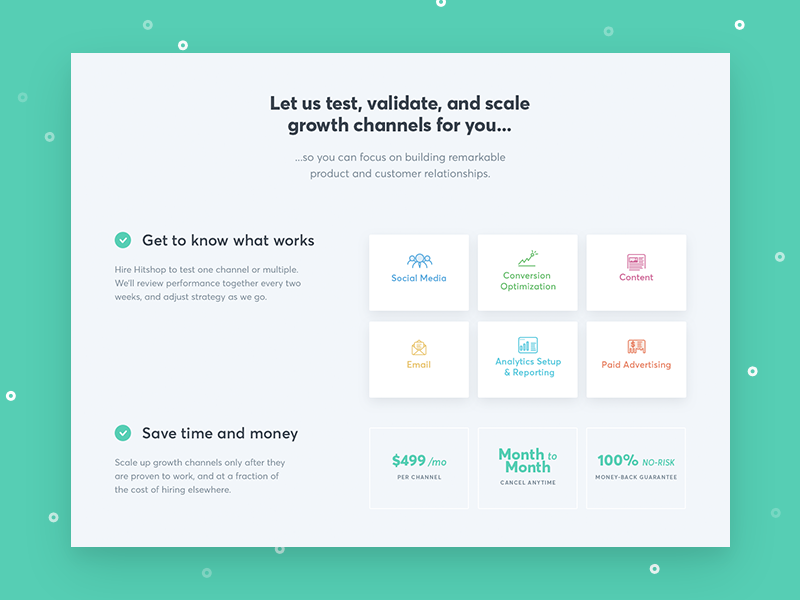
As a freelancer offering a wide range of services, you would be able to bill for the full service, pay your partner his share, make a markup and offer an excellent end product. This will help you to boost your income. When working in this way you’ll need to ensure you bring in a reliable and affordable freelancer to assist you. This way you will able to offer your clients excellent work while keeping the project hassle-free.
Offer a unique add-on service
If you want to stand out from the competition, you could always offer a unique add-on service to ensure that you get the results you would need. An example would be a website design service which offers the additional bonus of monitoring and evaluating site traffic, where it comes from and how long people stay on site. This will help a client to analyze the effectiveness of a marketing campaign.
As a freelancer, you will be able to make a profit from this additional element to your work. Your client will be happy. You will also be able to offer up an opportunity for steady income to an additional freelancer (who may later recommend your services). This is a win-win situation for everyone involved.
If you can offer unique services on a contract basis, this will help you to maximize your reliable monthly income. Creating unique projects may feel hard, but you can come up with excellent ideas by finding out what your clients would most benefit from after your services have been completed, and what you can do to assist them further.
Offer your knowledge
Not all clients will be able to afford your full services, but you can still offer up information as a consultant. As a site designer, for example, you can assist clients who want to build their own websites with best plugin advice or advise them on colour or typography choices for their brand.
You could also offer up a range of ‘How to Guides’ for a small fee. These guides could help your clients to build their own sites step by step based on a range of helpful tips. You would be sharing some of your knowledge, but if this knowledge brings you a reasonable income from clients who could not afford your services, it makes a great addition to your freelance services.
Calculate your hourly rate carefully
Marketing carefully means understanding the income you need in order to manage your bills and grow your freelance business. If your hourly rate leaves you struggling each month, worried about what to do during a quiet patch, or unable to make repairs on your essential equipment, this means that you are undercharging for your services.
As a freelancer, some jobs will (unexpectedly) take more time than others. However, your basic rate should be calculated so that it brings you enough income to comfortably survive each month. If it is not doing this, you need to up your hourly rate.
Once you have worked out the cost of your project, invoice your clients regularly. Don’t wait to send out your quotes or invoices. The more quickly you send out your quotes, the more quickly you will receive feedback from your clients.
Upsell to existing clients
Your existing clients provide you with a great income opportunity. Many freelancers manage by deepening their relationships with existing clients. This means extending your services, offering new products or extending your contracts.
Upselling doesn’t have to be difficult. You don’t need to force your clients into an uncomfortable arrangement. Instead, it’s simply about finding out what your clients need most and finding a way to give this to them. By establishing your client’s future goals or gaps in knowledge you could offer to meet their needs. This is beneficial to your clients because you already have a trusting relationship with them.
The next time you have completed a project with your client, ask them about their next steps. Find out what your client is looking for when it comes to success. You can then quote your client for this new part of the job. When the client is ready, you will be able to take on the new project or goal.
Add extra time to your working week
By working longer hours, you will be able to increase your income. However, this doesn’t mean giving up your life to work while doing very little else.
Simply by adding half an hour to your morning, then cutting your lunch break by 30 minutes, you will be able to add an extra hour to your day. Over a monthly period, this will add a couple of extra working days to your billing time.
Offer specialist services
As a freelancer, your goal is to stand apart from your competition. As a result, you will want to establish what makes you stand out. What can you do that other freelancer in your field don’t offer? What makes you unique?
Once you have established your specialization, you can charge more for these services. This is what makes you stand out from your competition.
Join forces with other freelancers
As a freelancer, you don’t have to work on your own. By joining up with other freelancers in a unique marketing niche, you will be able to offer a wider range of services as well as make referrals to one another. This will expand your client base – and therefore your income.

Collaborating with other freelancers will also enable you to take on bigger projects. The more skills you have to offer in combination, the greater the work you can explore. As a freelance collaboration, you will be able to approach bigger clients, expanding your income potential.
Summary
As a freelancer, establishing your client base and increasing your earning potential will be one of your biggest challenges. As a result, we’ve come up with a guide to assist you to establish yourself.
By continually working to increase your client base as well as your income opportunities, you will be able to grow and develop your freelance business as well as your reputation in the field.
And if all else fails, design elegant fonts and sell them online. Or various graphics.
Writing Good Support Requests
Post pobrano z: Writing Good Support Requests
My take on trying to be helpful to a support staff.
One bit is just as relevant for learning development:
Writing out a ticket will help you figure out the problem.
Sometimes when you have to take a second to collect your thoughts and explain something, the problem will become clear and maybe even the solution. Oftentimes, a bug is a bug and just needs to be fixed — but sometimes your support ticket might actually be something you can sort out for yourself and writing things out might be the first step toward that.
You know what they say, the best way to learn something is to teach it.
Just replace „ticket” with „forum topic” or whatever, on something like Spectrum.
Direct Link to Article — Permalink
The post Writing Good Support Requests appeared first on CSS-Tricks.
One-Offs
Post pobrano z: One-Offs
There is this sentiment that you don’t design the homepage of a site first. For most sites, it’s an anomaly. It’s unlike any other page and not something to base the patterns you use for the rest of the site or help inform other pages.
You might call it a one-off.1
One-offs are OK! A world without one-offs is very boring. But a site chock-full of one-offs leads to familiar problems: inconsistency and non-reusable CSS that leads to bloating and maintainers that don’t really know what’s used and what isn’t.
What are we to do?
Brad Frost thought about this recently with his article Where to put one-off components?:
It’s quite likely that individual applications contain components that fit the very real needs of a specific application (think calculators, holiday-season parallax hero units, context-specific interactive maps, and so on), but may not be able to be immediately (or ever) abstracted into a generic, reusable component that’s included in the design system.
And Ethan Marcotte:
Here’s an example: let’s say you’ve designed a splashy-looking hero image. (Nice work, by the way. It looks very splashy.) Let’s also say its scope is fairly limited: perhaps it’s being used on a small number of pages, or it’s tied to one specific section of your website. In other words, it’s generic enough to be a pattern, but it’s not a widely-used one.
As you might have guessed, this is a dangerous place for a pattern to be. If a pattern feels a little idiosyncratic, that should always prompt us to ask: should your team keep the pattern, or remove it?
Thing is, there’s no single, easy answer to that question. Every pattern is different, and each pattern’s value is variable. Maybe we’ll drop that pattern altogether; maybe we’ll combine it with another, similar pattern
Brad connected the idea of a one-off to Harry Robert’s shame.css concept:
The idea of shame.css is that you have a totally new stylesheet reserved just for your hacky code. The code you have to write to get the release out on time, but the code that makes you ashamed.
But maybe a CSS file like that doesn’t need to be reserved just for „hacks” or shamefully quickly-written fixes (hey, it’s better than inline styles), but also for one-offs.
From a developer-in-charge-of-styling perspective, it’s interesting to consider how different styling methologies come into play here. For those travelling the atomic CSS road, in a sense, everything is a one-off. You might still have a pattern that is visually or behaviorly a one-off because of how you’ve built it, but not because it uses a different set of CSS. Callum Jefferies on his experience with atomic CSS:
I no longer had to think about how to organise my CSS. I didn’t have to think about what to name my 'components’, where to draw the line between one component and another, what should live where, and crucially, how to refactor things when new requirements came in.
So, too, with the 36 flavors of CSS-in-JS. When your styles are attached to your components, all components are one-offs. Stop using that component, stop using those styles.
1 Apparently one-off is a fairly new expression:
As William Safire observed in a 2007 On Language column, one-off meaning „something unique” is a British expression that has been creeping into American speech and writing in recent years. And as with other Briticisms that impinge on these shores (gone missing comes to mind), the idiomatic origins of one-off are mostly lost on American ears.
The post One-Offs appeared first on CSS-Tricks.