Archiwum kategorii: Design

Michael Hansmeyer’s Spectacular 3D-Printed White Tower

Post pobrano z: Michael Hansmeyer’s Spectacular 3D-Printed White Tower

Architect Michael Hansmeyer unveils the first images of the Tour Blanche. The 29-meter-high tower will be installed in the Swiss village of Mulegns. The Tour Blanche is entirely 3D-printed using concrete. Its baroque-inspired spiral staircase and numerous columns are just a few of the many highlights.

A tower to revitalize a Swiss village

The primary aim of the Tour Blanche is to breathe new life into a Swiss village in decline. The idea is to promote tourism, with the tower hosting all kinds of cultural events. The tower comprises various rooms for exhibitions and other cultural uses. As for the large room at the top of the White Tower, it contains a floating stage that can accommodate 45 visitors. This hall was designed to host concerts and theatrical performances. What’s more, its spectacular architecture and high-tech design are bound to attract crowds.

The details of the columns and the filigree appearance of the lightweight concrete add effects to the overall architecture of the tower. Shadows and light play both inside and outside the tower. The aim is to make it a beacon along the Col du Julier road.

Innovation at the heart of Tour Blanche manufacturing

The Tour Blanche also aims to demonstrate the many possibilities offered by computer-aided design and digital manufacturing. In the years to come, these technologies will profoundly change construction. The robotized concrete extrusion process enables layers of concrete to be applied only where needed. This cuts concrete consumption in half, as no formwork is required. The use of this technology also offers modular structures that can be fabricated on site, considerably reducing transportation. What’s more, the Tour Blanche is designed for easy dismantling, so that it can be rebuilt elsewhere.

The tower is made up of 104 3D-printed columns that support the structure and form the façade. Although 3D-printed in concrete, the tower is by no means neglectful of aesthetics and finish. Each of the columns features two ornaments: a horizontal ornament linked to the concrete extrusion printing process, and a spiral texture that accentuates the building’s height.

The post Michael Hansmeyer’s Spectacular 3D-Printed White Tower appeared first on Designer Daily: graphic and web design blog.

Michael Hansmeyer’s Spectacular 3D-Printed White Tower

Post pobrano z: Michael Hansmeyer’s Spectacular 3D-Printed White Tower

Architect Michael Hansmeyer unveils the first images of the Tour Blanche. The 29-meter-high tower will be installed in the Swiss village of Mulegns. The Tour Blanche is entirely 3D-printed using concrete. Its baroque-inspired spiral staircase and numerous columns are just a few of the many highlights.

A tower to revitalize a Swiss village

The primary aim of the Tour Blanche is to breathe new life into a Swiss village in decline. The idea is to promote tourism, with the tower hosting all kinds of cultural events. The tower comprises various rooms for exhibitions and other cultural uses. As for the large room at the top of the White Tower, it contains a floating stage that can accommodate 45 visitors. This hall was designed to host concerts and theatrical performances. What’s more, its spectacular architecture and high-tech design are bound to attract crowds.

The details of the columns and the filigree appearance of the lightweight concrete add effects to the overall architecture of the tower. Shadows and light play both inside and outside the tower. The aim is to make it a beacon along the Col du Julier road.

Innovation at the heart of Tour Blanche manufacturing

The Tour Blanche also aims to demonstrate the many possibilities offered by computer-aided design and digital manufacturing. In the years to come, these technologies will profoundly change construction. The robotized concrete extrusion process enables layers of concrete to be applied only where needed. This cuts concrete consumption in half, as no formwork is required. The use of this technology also offers modular structures that can be fabricated on site, considerably reducing transportation. What’s more, the Tour Blanche is designed for easy dismantling, so that it can be rebuilt elsewhere.

The tower is made up of 104 3D-printed columns that support the structure and form the façade. Although 3D-printed in concrete, the tower is by no means neglectful of aesthetics and finish. Each of the columns features two ornaments: a horizontal ornament linked to the concrete extrusion printing process, and a spiral texture that accentuates the building’s height.

The post Michael Hansmeyer’s Spectacular 3D-Printed White Tower appeared first on Designer Daily: graphic and web design blog.

UMI, A Creative Minimalist Seat

Post pobrano z: UMI, A Creative Minimalist Seat

Ukrainian designer Ross Sorokovyi unveils an original creation, designed for the Mudu studio. The UMI armchair comes in two pieces of different widths, which can be used alone or assembled. This minimalist, rounded seat invites users to make it their own.

Interaction at the heart of UMI

By proposing two formats for this creation, the designer encourages us to play with it. Each seat can be assembled to create a very long seat, or a smaller one by combining two smaller pieces. By reversing their direction, you can also create a space where two people face each other. What’s more, different colors are available for each armchair format. This offers even greater personalization. Do you prefer monochrome seating or a combination of bright colors?

UMI is a real invitation to interaction. You can imagine these chairs in shared spaces such as waiting rooms or coworking areas. Indeed, the design and shape of the seat are not conducive to stretching out to one’s full length. Rather, it’s a piece for leaning back quickly while remaining upright.

A curvaceous seat

UMI has a very minimalist appearance. It’s a simple cylinder that curves to provide one part for sitting and another for resting your back. This familiar shape is reminiscent of a magnet. The seat rests on 4 cylindrical feet. The result is a coherent whole, with very soft shapes. These shapes are unusual for a sofa or armchair, particularly as it’s rare to see such large voids in seating. Here, the void is an integral part of the design, giving it its distinctive look. Whether extended, short or a combination of the two, UMI becomes the centerpiece of the space in which it is placed.

The post UMI, A Creative Minimalist Seat appeared first on Designer Daily: graphic and web design blog.

UMI, A Creative Minimalist Seat

Post pobrano z: UMI, A Creative Minimalist Seat

Ukrainian designer Ross Sorokovyi unveils an original creation, designed for the Mudu studio. The UMI armchair comes in two pieces of different widths, which can be used alone or assembled. This minimalist, rounded seat invites users to make it their own.

Interaction at the heart of UMI

By proposing two formats for this creation, the designer encourages us to play with it. Each seat can be assembled to create a very long seat, or a smaller one by combining two smaller pieces. By reversing their direction, you can also create a space where two people face each other. What’s more, different colors are available for each armchair format. This offers even greater personalization. Do you prefer monochrome seating or a combination of bright colors?

UMI is a real invitation to interaction. You can imagine these chairs in shared spaces such as waiting rooms or coworking areas. Indeed, the design and shape of the seat are not conducive to stretching out to one’s full length. Rather, it’s a piece for leaning back quickly while remaining upright.

A curvaceous seat

UMI has a very minimalist appearance. It’s a simple cylinder that curves to provide one part for sitting and another for resting your back. This familiar shape is reminiscent of a magnet. The seat rests on 4 cylindrical feet. The result is a coherent whole, with very soft shapes. These shapes are unusual for a sofa or armchair, particularly as it’s rare to see such large voids in seating. Here, the void is an integral part of the design, giving it its distinctive look. Whether extended, short or a combination of the two, UMI becomes the centerpiece of the space in which it is placed.

The post UMI, A Creative Minimalist Seat appeared first on Designer Daily: graphic and web design blog.

7 Social Media Marketing Tips For A Successful Brand

Post pobrano z: 7 Social Media Marketing Tips For A Successful Brand

Social media marketing is something that brands can simply not ignore. If they want to get an edge in this highly competitive market, then they need to have a robust strategy for social media by their side. To do so, you must stay updated with social media trends.

So, to help you out, we’ll give you the top 7 social media marketing tips you need to consider. However, you should remember that social media marketing strategies aren’t just a one-time thing. There is an ongoing process that you need to focus on.

The spending for social media ads reached $207.10 billion in 2023. As brands continue to spend more and more money on social media marketing, they must do it correctly. That being said, let’s go over the social media marketing tips to help your brand out.

1. Have a Proper Plan from the Start

A social media calendar will give you a proper roadmap for your content posting throughout the month. With a social media calendar, you can launch your marketing campaigns in a well-coordinated manner. You can also have a proper schedule for posting content from time to time. Various online tools and platforms are available to create a social media calendar without going through any trouble. You can also get assistance from a reputable social media marketing company to create a calendar.

2. Don’t Divert All Your Attention Towards All Platforms

Today, there are various platforms available for social media users other than Facebook and Instagram. So, if you start spending your social media marketing budget on each one of them, the funds will soon run out. Ideally, you need to pick the social media platform your target audience prefers. For instance, Gen Z will most likely spend most of its time on Snapchat and TikTok. Therefore, it would make sense to divert a higher level of your efforts there.

3. Come Up With Out Of the Box Solutions

Another great thing that can help you with social media marketing efforts is coming up with unique ideas. It ensures that you have a competitive advantage over other brands in the market. Not only that, but coming up with new ideas would also help you build a strong brand identity. You can conduct a new and unique contest where you give away gifts to your customers.

4. Allocate Some Time to Connect with Your Customers

Taking a few minutes daily to connect and engage with your customers can go a long way. It will be a creative way to increase the engagement for your brand, allowing you to increase your overall recognition and improve your reputation. Furthermore, paying close attention to your competitors’ actions is also essential. This way, you can learn the strategies the other companies are using to gain an advantage over other players in the market.

5. Ensure Complete Consistency

One of the biggest mistakes that brands make is that they don’t post engaging content consistently. If you want to keep your target audience engaged, then you need to have the right strategy. Along with that, you need to be consistent with your efforts. Even if you are not getting the desired results in the starting phase, you should stick with your plan. Things will start turning around for good once you start posting content more frequently.

6. Keep Up with the Trends

Social media is rapidly evolving, and getting the hang of the new trends early on will give you the first-mover advantage. Therefore, keep an eye on the latest trends that would allow you to make the most of your efforts. You can make relevant adjustments to your social media marketing strategy once you find out what works well with your target audience. Experimenting with new things can get you the desired results you need.

7. Set Clear KPIs and Track Them

Last but not least, it is important for you to set KPIs (Key Performance Indicators) and then track them. These performance metrics will help you determine whether your marketing efforts are effective. You can monitor the following metrics:

  • Reach
  • Impressions
  • Conversions
  • Comments
  • Click-through rates

As a result, it would help you determine which of your strategies are working. You can then make the relevant adjustments to your marketing strategies to improve the return on your efforts.

Having the right social media strategy by your side will allow your business to experience exponential growth; make sure to incorporate the tips mentioned in this article to get started with your social media marketing efforts correctly.

The post 7 Social Media Marketing Tips For A Successful Brand appeared first on Designer Daily: graphic and web design blog.

7 Social Media Marketing Tips For A Successful Brand

Post pobrano z: 7 Social Media Marketing Tips For A Successful Brand

Social media marketing is something that brands can simply not ignore. If they want to get an edge in this highly competitive market, then they need to have a robust strategy for social media by their side. To do so, you must stay updated with social media trends.

So, to help you out, we’ll give you the top 7 social media marketing tips you need to consider. However, you should remember that social media marketing strategies aren’t just a one-time thing. There is an ongoing process that you need to focus on.

The spending for social media ads reached $207.10 billion in 2023. As brands continue to spend more and more money on social media marketing, they must do it correctly. That being said, let’s go over the social media marketing tips to help your brand out.

1. Have a Proper Plan from the Start

A social media calendar will give you a proper roadmap for your content posting throughout the month. With a social media calendar, you can launch your marketing campaigns in a well-coordinated manner. You can also have a proper schedule for posting content from time to time. Various online tools and platforms are available to create a social media calendar without going through any trouble. You can also get assistance from a reputable social media marketing company to create a calendar.

2. Don’t Divert All Your Attention Towards All Platforms

Today, there are various platforms available for social media users other than Facebook and Instagram. So, if you start spending your social media marketing budget on each one of them, the funds will soon run out. Ideally, you need to pick the social media platform your target audience prefers. For instance, Gen Z will most likely spend most of its time on Snapchat and TikTok. Therefore, it would make sense to divert a higher level of your efforts there.

3. Come Up With Out Of the Box Solutions

Another great thing that can help you with social media marketing efforts is coming up with unique ideas. It ensures that you have a competitive advantage over other brands in the market. Not only that, but coming up with new ideas would also help you build a strong brand identity. You can conduct a new and unique contest where you give away gifts to your customers.

4. Allocate Some Time to Connect with Your Customers

Taking a few minutes daily to connect and engage with your customers can go a long way. It will be a creative way to increase the engagement for your brand, allowing you to increase your overall recognition and improve your reputation. Furthermore, paying close attention to your competitors’ actions is also essential. This way, you can learn the strategies the other companies are using to gain an advantage over other players in the market.

5. Ensure Complete Consistency

One of the biggest mistakes that brands make is that they don’t post engaging content consistently. If you want to keep your target audience engaged, then you need to have the right strategy. Along with that, you need to be consistent with your efforts. Even if you are not getting the desired results in the starting phase, you should stick with your plan. Things will start turning around for good once you start posting content more frequently.

6. Keep Up with the Trends

Social media is rapidly evolving, and getting the hang of the new trends early on will give you the first-mover advantage. Therefore, keep an eye on the latest trends that would allow you to make the most of your efforts. You can make relevant adjustments to your social media marketing strategy once you find out what works well with your target audience. Experimenting with new things can get you the desired results you need.

7. Set Clear KPIs and Track Them

Last but not least, it is important for you to set KPIs (Key Performance Indicators) and then track them. These performance metrics will help you determine whether your marketing efforts are effective. You can monitor the following metrics:

  • Reach
  • Impressions
  • Conversions
  • Comments
  • Click-through rates

As a result, it would help you determine which of your strategies are working. You can then make the relevant adjustments to your marketing strategies to improve the return on your efforts.

Having the right social media strategy by your side will allow your business to experience exponential growth; make sure to incorporate the tips mentioned in this article to get started with your social media marketing efforts correctly.

The post 7 Social Media Marketing Tips For A Successful Brand appeared first on Designer Daily: graphic and web design blog.

How to Pick the Perfect Name for Your Business

Post pobrano z: How to Pick the Perfect Name for Your Business

Choosing the right name for your business is a crucial decision that can greatly impact its success. Your business’s name is the first thing potential customers will learn about your brand, and it’s what will set the tone for your entire identity. It’s not just a label; it’s your first impression. In this comprehensive guide, we’ll walk you through the process of selecting the perfect name for your business, step by step.

I. Start with a Clear Vision

Before diving into the creative process of brainstorming names, it’s essential to have a clear vision for your business. Consider the nature of your products or services, your target audience, and your long-term goals. A well-defined vision will serve as the foundation for a name that resonates with your business’s essence.

II. Brainstorming: Get Creative

Now, it’s time to let your creativity flow. Gather a team of trusted individuals or work on your own, but don’t rush the brainstorming process. Consider what makes your business unique, the emotions you want to evoke, and any keywords that relate to your industry. The more ideas you generate, the better your chances of finding that perfect name.

III. Research Your Competition

To stand out in the market, you must be aware of your competition. Conduct thorough research on other businesses in your niche to avoid name similarities that could lead to legal issues or confusion among customers. Make a list of your competitors’ names, and use this as a reference to ensure your name is distinct.

IV. Test the Name Availability

Before you decide on your business name, it is important to check if it’s available. Checking the company name availability in Hong Kong, or a specific location, will help you avoid trademark infringement. Use online resources or consult with a legal expert to ensure that the name you’ve chosen is available for registration. This step is vital to prevent any legal disputes down the road.

V. Keep It Simple and Memorable

Simplicity and memorability are key factors in selecting a business name. Avoid overly complex or lengthy names that are difficult to remember or spell. A concise, easy-to-pronounce name is more likely to stick in the minds of potential customers, making your brand more accessible and recognizable.

VI. Check Domain Availability

In today’s digital age, an online presence is essential. Before finalizing your business name, check if the corresponding domain name is available. A consistent brand name across your website and other online platforms is crucial for building a strong online presence.

VII. Consider Future Expansion

Think long-term. Your business may start small, but you should consider potential future expansion. A name that is too niche might limit your growth opportunities. Keep it broad enough to encompass future endeavors while still reflecting your current focus.

VIII. Avoid Trendy Names

While it might be tempting to choose a trendy name to appear current, remember that trends come and go. A name that’s in vogue today might seem outdated in a few years. Opt for a timeless name that can stand the test of time.

IX. Seek Feedback

Seeking feedback is an invaluable step in the process of naming your business. It offers you fresh perspectives and the opportunity to fine-tune your ideas. Friends, family, and colleagues can provide insights you might have overlooked and help you identify any potential issues with the name. Constructive criticism can be a powerful tool in refining your choices and ensuring that the name you select resonates with a broader audience. Additionally, seeking feedback is an inclusive approach that can help build a sense of ownership and excitement among those who are part of your business journey, as they feel their input is valued in the decision-making process.

X. Legal Considerations

Before you finalize your business name, it’s imperative to delve into the realm of legal considerations. Protecting your brand’s identity is of paramount importance, and this involves conducting thorough research to ensure your chosen name doesn’t infringe on existing trademarks or copyrights. Failing to do so can lead to costly legal battles, damage to your brand’s reputation, and potential financial setbacks. Consulting with a legal expert or trademark attorney can provide you with invaluable guidance, helping you navigate the complex legal landscape and granting you the peace of mind that your business name is legally sound and secure. Legal considerations are not an area to cut corners, as they are pivotal to safeguarding your brand’s integrity and future success.

Selecting the perfect name for your business is a crucial step in your entrepreneurial journey. It’s a decision that demands time, creativity, and thorough research. By following the steps outlined in this guide, you can increase your chances of choosing a name that resonates with your brand, is legally sound, and has the potential to become a memorable and successful business name. Remember, a great name is the first step toward building a strong and recognizable brand identity.

The post How to Pick the Perfect Name for Your Business appeared first on Designer Daily: graphic and web design blog.

How to Pick the Perfect Name for Your Business

Post pobrano z: How to Pick the Perfect Name for Your Business

Choosing the right name for your business is a crucial decision that can greatly impact its success. Your business’s name is the first thing potential customers will learn about your brand, and it’s what will set the tone for your entire identity. It’s not just a label; it’s your first impression. In this comprehensive guide, we’ll walk you through the process of selecting the perfect name for your business, step by step.

I. Start with a Clear Vision

Before diving into the creative process of brainstorming names, it’s essential to have a clear vision for your business. Consider the nature of your products or services, your target audience, and your long-term goals. A well-defined vision will serve as the foundation for a name that resonates with your business’s essence.

II. Brainstorming: Get Creative

Now, it’s time to let your creativity flow. Gather a team of trusted individuals or work on your own, but don’t rush the brainstorming process. Consider what makes your business unique, the emotions you want to evoke, and any keywords that relate to your industry. The more ideas you generate, the better your chances of finding that perfect name.

III. Research Your Competition

To stand out in the market, you must be aware of your competition. Conduct thorough research on other businesses in your niche to avoid name similarities that could lead to legal issues or confusion among customers. Make a list of your competitors’ names, and use this as a reference to ensure your name is distinct.

IV. Test the Name Availability

Before you decide on your business name, it is important to check if it’s available. Checking the company name availability in Hong Kong, or a specific location, will help you avoid trademark infringement. Use online resources or consult with a legal expert to ensure that the name you’ve chosen is available for registration. This step is vital to prevent any legal disputes down the road.

V. Keep It Simple and Memorable

Simplicity and memorability are key factors in selecting a business name. Avoid overly complex or lengthy names that are difficult to remember or spell. A concise, easy-to-pronounce name is more likely to stick in the minds of potential customers, making your brand more accessible and recognizable.

VI. Check Domain Availability

In today’s digital age, an online presence is essential. Before finalizing your business name, check if the corresponding domain name is available. A consistent brand name across your website and other online platforms is crucial for building a strong online presence.

VII. Consider Future Expansion

Think long-term. Your business may start small, but you should consider potential future expansion. A name that is too niche might limit your growth opportunities. Keep it broad enough to encompass future endeavors while still reflecting your current focus.

VIII. Avoid Trendy Names

While it might be tempting to choose a trendy name to appear current, remember that trends come and go. A name that’s in vogue today might seem outdated in a few years. Opt for a timeless name that can stand the test of time.

IX. Seek Feedback

Seeking feedback is an invaluable step in the process of naming your business. It offers you fresh perspectives and the opportunity to fine-tune your ideas. Friends, family, and colleagues can provide insights you might have overlooked and help you identify any potential issues with the name. Constructive criticism can be a powerful tool in refining your choices and ensuring that the name you select resonates with a broader audience. Additionally, seeking feedback is an inclusive approach that can help build a sense of ownership and excitement among those who are part of your business journey, as they feel their input is valued in the decision-making process.

X. Legal Considerations

Before you finalize your business name, it’s imperative to delve into the realm of legal considerations. Protecting your brand’s identity is of paramount importance, and this involves conducting thorough research to ensure your chosen name doesn’t infringe on existing trademarks or copyrights. Failing to do so can lead to costly legal battles, damage to your brand’s reputation, and potential financial setbacks. Consulting with a legal expert or trademark attorney can provide you with invaluable guidance, helping you navigate the complex legal landscape and granting you the peace of mind that your business name is legally sound and secure. Legal considerations are not an area to cut corners, as they are pivotal to safeguarding your brand’s integrity and future success.

Selecting the perfect name for your business is a crucial step in your entrepreneurial journey. It’s a decision that demands time, creativity, and thorough research. By following the steps outlined in this guide, you can increase your chances of choosing a name that resonates with your brand, is legally sound, and has the potential to become a memorable and successful business name. Remember, a great name is the first step toward building a strong and recognizable brand identity.

The post How to Pick the Perfect Name for Your Business appeared first on Designer Daily: graphic and web design blog.

7 Ways to Keep your Customers Engaged

Post pobrano z: 7 Ways to Keep your Customers Engaged

Business owners know that customers are the lifeline of their business. In fact, it’s vital to keep your customers engaged with your brand. Why? A good customer engagement strategy will enhance customer experience. A great customer experience, in turn, increases the chances of repurchases and renewals by 82%. Ultimately, a customer who’s fully engaged with a company is likely to generate 23% more revenue than a person who feels less connected with the brand. 

Besides, when you offer a great customer experience through engagement, you increase the chances of your happy customer spreading the word about you. That positive word-of-mouth marketing can lead to even more customers for you.

But keeping customers engaged for business growth requires careful thought and planning. Don’t worry, though. To help you ensure effective customer engagement, I collated these five tips for you:

1. Get to know your customers

To engage with your customers in a meaningful way, you first need to understand who they are. Why is that? Well, you can only craft effective customer engagement strategies if you know the types of content, marketing platforms, and other things that resonate with your target audience.

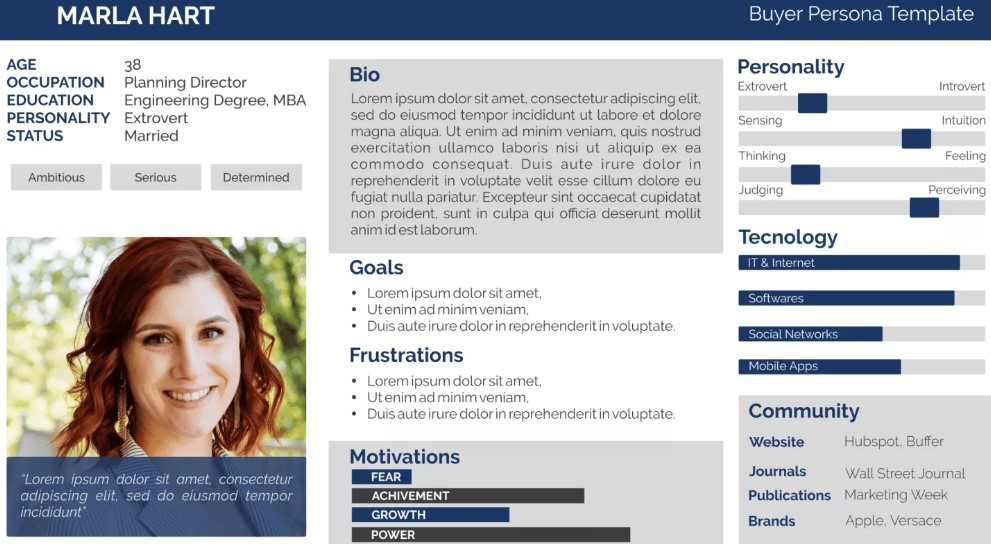
This is why customer personas are important. A customer persona is a fictional representation of your ideal customer. It can serve as your guide every step of the way as you come up with ways to ensure interactions with your brand.

A customer persona looks something like this:

To create your customer persona, you can send out surveys to consumers directly. Analytics from Google can help, too. Google Analytics is a rich source of demographic data and behavioral information.

Regardless of where you get the information for your customer personas, just remember that the more detailed your personas are, the better. The more tailored your customer engagement strategies can be.

2. Leverage social media content

The right social media content can help you generate a lot of engagement. It can help you get Instagram followers, Facebook comments, and Twitter (X) shares.

According to Hootsuite, for agencies, the average engagement rate across social media platforms—X, Instagram, Facebook, LinkedIn, and TikTok—ranges from 0.71% to 2.06%. For retail companies, the range is from 0.82% to 2.07%. 

But for you to reap these engagement benefits from your social media marketing, you need to make sure you create engaging content in the first place. Go back to your buyer persona. What types of content do your target customers prefer? Do they prefer content in video or infographic format? Maybe they prefer valuable content like tips and product demonstrations? 

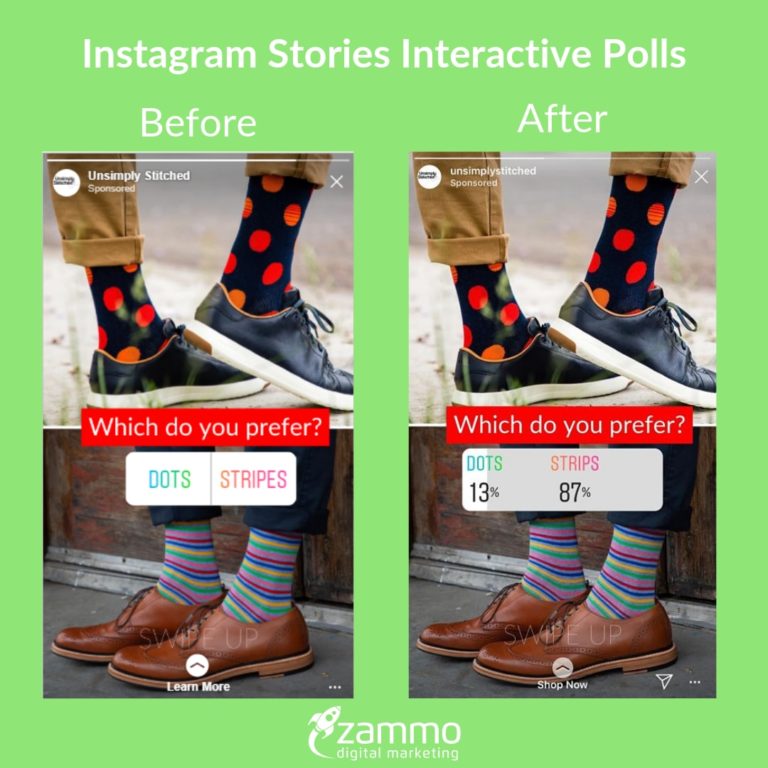
You can also leverage your chosen social media platforms’ features for engagement. For instance, Instagram allows you to create polls like this one:

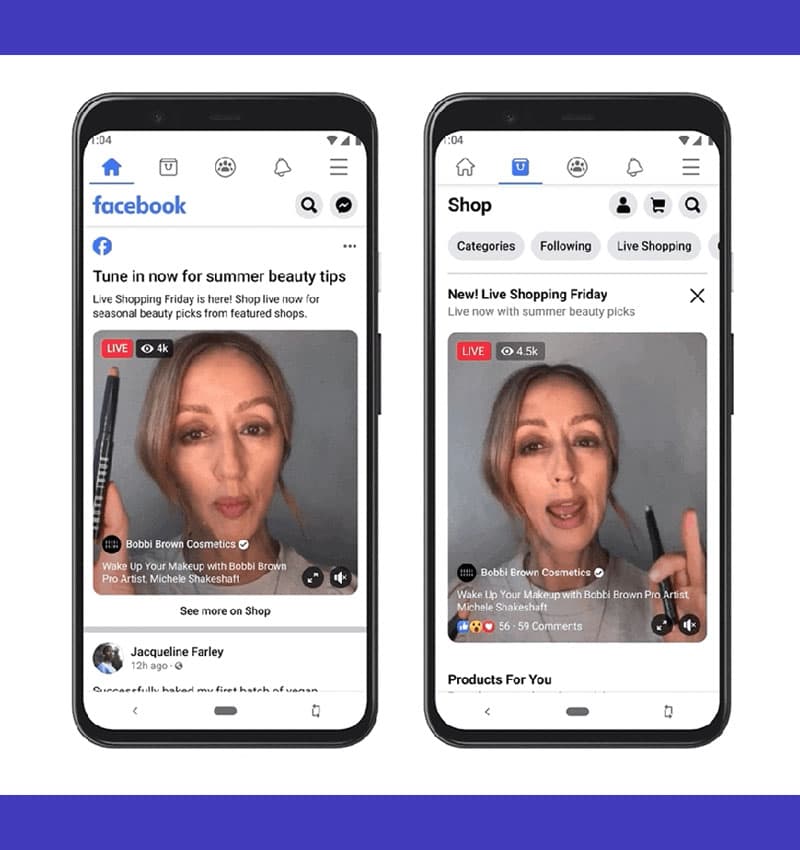
Facebook, meanwhile, allows you to live stream events:

With TikTok, you can incorporate fun music into your amusing videos. And the list goes on. Each social platform has a lot to offer to help you ensure customer engagement. You just have to make sure the content you create resonates with your target audience. 

Also, ensure consistency when posting your social media content. The ideal posting frequency varies per platform. Here’s a quick guide:

  • Twitter: two to three times a day
  • Facebook: one to two times a day
  • TikTok: three to five times a week
  • Instagram: three to five times a week
  • LinkedIn: one to two times a day
  • Pinterest: Once per week

These are general recommendations to follow if you’re just starting out on social media, though. Once you’ve posted enough, just look at your social analytics to determine the best posting times for you. These are the times your target audience is active on the platform to engage with your content in the first place. 

3. Use conversational marketing

Conversational marketing involves communicating with your customers through tools such as chatbots and live chat. It’s a great strategy to engage with your customers. A staggering 71% of buyers prefer to communicate with brands in real-time. That makes this tactic one of the most important marketing strategies for restaurants, fitness companies, and even for tech brands.

But you need a strategic approach to conversational marketing for it to be effective. So, start by identifying the different touchpoints for your conversations. 

With more than 80% of consumers engaging with brands on social media, for instance, it makes sense to set up live chat or a chatbot on your social platform. Meta allows you to set up both on Facebook and Instagram.. 

But if you find it hard to do this on your own, you can use third-party tools such as:

  • ManyChat
  • ChatFuel
  • MobileMonkey

You can include live chat and chatbots on your website as well. Google Analytics will tell you the pages most frequented by your customers and the pages that trigger a purchase. Embed a chatbot or use live chat on these pages to boost the chances of your site visitors enjoying conversations with your brand.

Since human agents are in charge of live chat, all you need to do is train them to give the right answers to your customers. But what about your chatbots? You’ll need to set up the right conversational flow for them.

Here are tips to follow for this:

Decide your chatbot’s purpose. Is it to provide assistance to consumers making a purchase? Is it to schedule appointments with you?

Give your chatbot a persona. Is your chatbot a fun millennial who likes to entertain? Or is it a serious person who exudes authority?

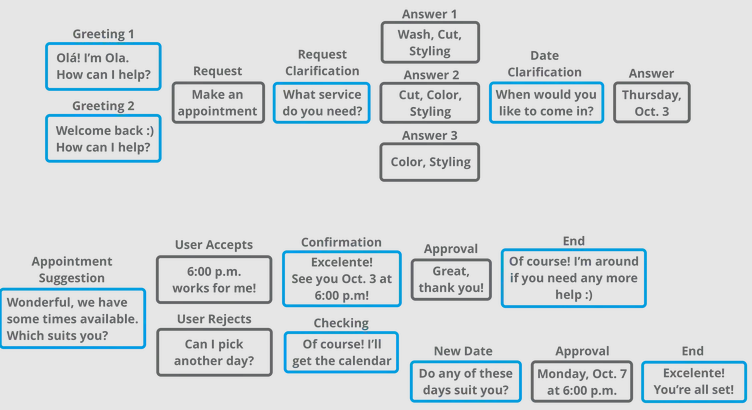
Create a conversation diagram: This should depend on your chatbot’s purchase. Whatever the purpose, though, incorporate the basic elements—greeting, question, information, error, apology, suggestion, conclusion. You want to write conversation scenarios as well. This will allow your chatbot to respond appropriately given a specific situation.

Check out these sample conversation scenarios for a hair salon chatbot:

Once you’ve set up your conversational flow, make sure you test it. This will help you spot errors or determine any awkward moments in the conversations. 

4. Implement retention strategies 

In simple terms, customer retention is the act of brick walling your customers and preventing them from jumping ship to a competitive brand. Customer retention strategies are designed to keep customers engaged so they can stay loyal to the brand. Unfortunately, while 44% of businesses focus on customer acquisition strategies, only 18% focus on customer retention. 

The thing is, implementing retention strategies isn’t that hard. Start with earning your customer’s trust in the first place. So, offer high-quality products or services. Also, deliver a quality customer experience at every touchpoint and interaction. 

Once you have your customer’s trust, you can implement one or more of the following popular customer retention strategies:

Create a loyalty program

A brand loyalty program rewards the customer for engaging with your brand. Loyalty programs come in many forms. These are the most common ones:

Points-based loyalty programs: These reward customers based on specific brand-related actions they take, like referring another customer, buying again, or subscribing to the email list.

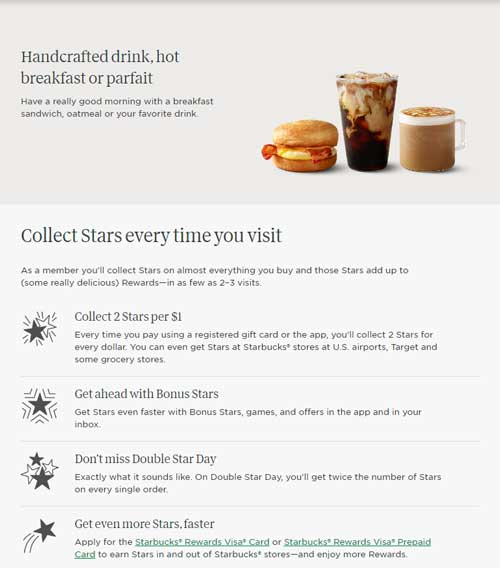
Starbucks’ loyalty program is an example of a points-based loyalty program:

The more customers spend at Starbucks, the more stars they earn. The stars can be exchanged for rewards like a cup of coffee or pastries.

Coalition loyalty programs: This is when multiple businesses form strategic partnerships to offer rewards to loyal customers.

Paid loyalty programs: Customers pay a specific fee to access a brand’s premium benefits. 

When designing a loyalty program for your brand, just make sure your rewards further your core business goals and are valuable to your target audience.

Deliver surprise reciprocity

The concept of reciprocity is simple: If you do something good for others, they are more likely to return the favor. The same concept holds true in business. If you treat your customers nicely, they’ll find ways to pay you back. 

Of course, as a business, treating your customers nicely should be a given. But you can take this a step further to leave an even stronger impression on them and ensure their loyalty. Why not make a kind gesture for your customers when they least expect it? For instance, Help Scout occasionally sends handwritten notes to customers just to thank them for their loyalty.

Focus on customer feedback

The way you react to feedback can spell the difference between whether or not you retain your customers. Customer feedback gives you insights into what is working or not with your product or service. If you listen and implement valid feedback, you can help ensure your end product or service meets customer expectations, solves their problems, and fulfills their needs.

You can ask for customer feedback in several ways. 

For instance, if you want feedback on your site performance, you can create a feedback pop-up on your website. You can set it up so that it appears right before your visitors leave. With this strategy, you can be assured your customers will give you accurate answers since the website experience is still fresh on their minds.

You can also seek feedback about your brand via emails. For instance, why not send subscribers a feedback email right after a purchase? Or, if yours is an SaaS product, you can opt to give them some time to use the solution first before sending your email.

Either way, just make sure you don’t bombard customers with too many questions. That’s a surefire way to get them to ignore your request. 

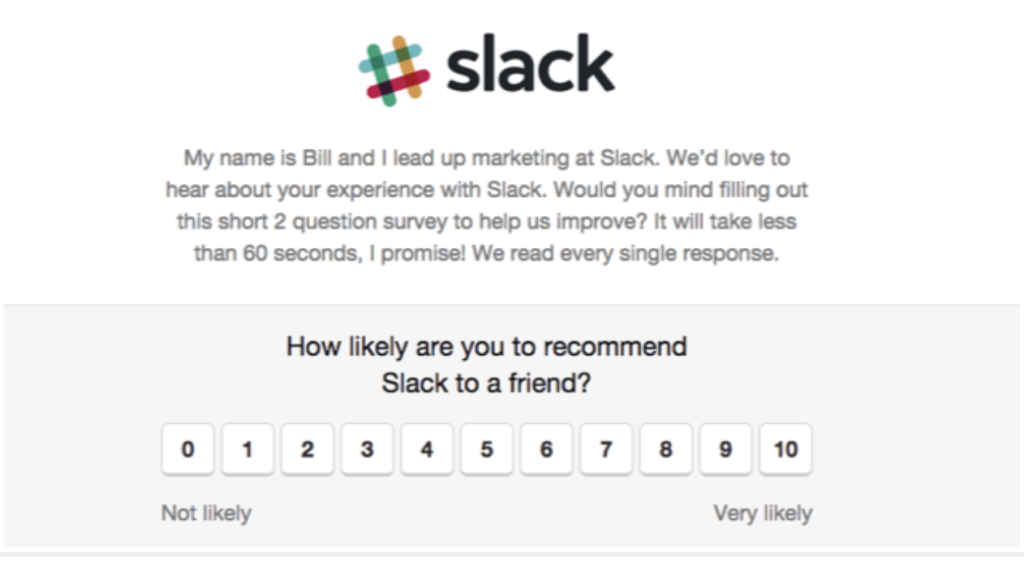
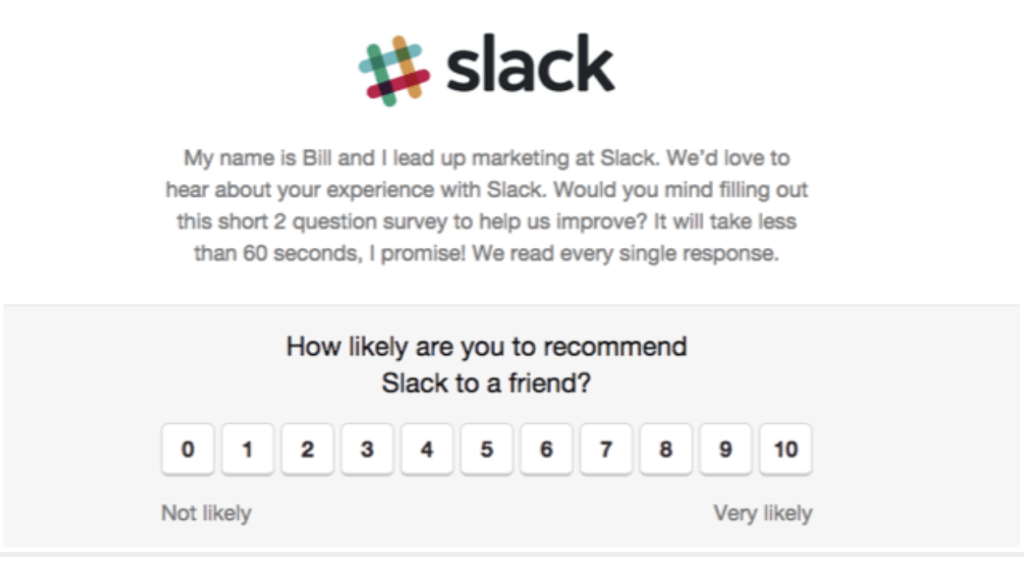
You can easily measure your customer satisfaction through a Net Promoter Score survey instead. Just ask a single question: “How likely are you to recommend this brand to your friends and relatives?” The customer will then reply on a scale of 1 to 10, with 1 meaning a high level of dissatisfaction (detractor) and 10 meaning complete trust and satisfaction with the brand (promoter).

See this sample NPS email survey sent by Slack:

Once you have enough answered NPS email surveys, calculate your NPS score by subtracting the total percent of detractors from your total percent of promoters. The aim is to get a +72 score, which is the minimum NPS score of the top 25% companies.

If you want a bit more detail, you can include a question about what your subscribers love (and don’t love) about your brand, too. Based on your customers’ answers, make the necessary improvements.

5. Create a positive emotional connection with customers

Customers engage more with a brand when they have an emotional connection with it. It’s not surprising then, that seven out of 10 digital marketing professionals focus on creating an emotional connection with the customer. For the best results, focus on creating a positive connection with the customer rather than a negative one, of course. You want customers to associate your brand with positive feelings instead of negative ones.

You can use content to build that emotional connection.  

For instance, why not add customer testimonials on your site? When you give your brand a face, you humanize it in the eyes of consumers. It’s easier to connect emotionally with humans than with lifeless products or services. 

See how BambooHR does it:

Creating content that focuses on the values you share with your customers helps as well. This is a strategy Nike uses a lot. Check out one of its ads below:

The ad emphasizes hard work and perseverance, values many of its customers appreciate.

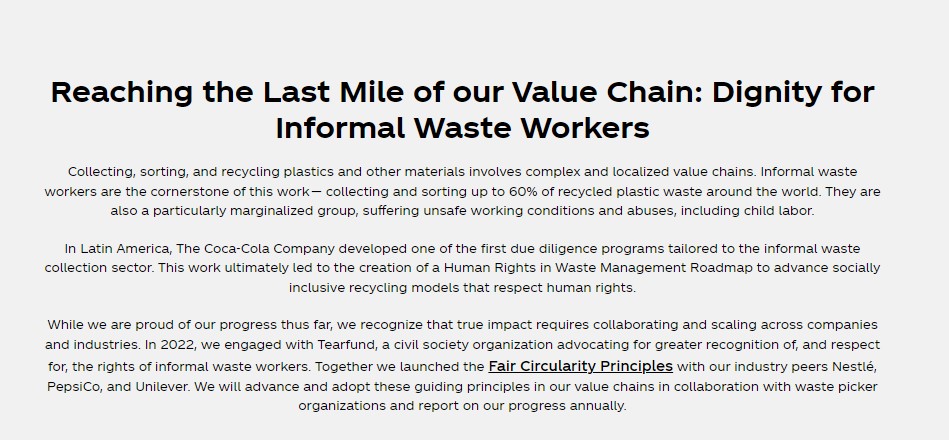
Highlighting your social impact in your content also does wonders. Content like the post above on Coca Cola’s site helps customers see you as more than just a brand aiming for profit.

The more content of this type you create, the better. If you don’t have time to do it yourself, enterprise generative AI can help you scale your content creation.

In Closing

Customer engagement is critical to the success of your business. When customers are engaged, they are more likely to make repeat purchases and remain your loyal customers. At the same time, they can spread the good word about you. The result is even more customers for you.

You learned five tips to follow to keep your customers engaged. Get to know your customers first so you’ll know what resonates with them in the first place. Leverage social media marketing and conversational marketing. Also, implement customer retention strategies that naturally drive engagement. For this, you can create a loyalty program, deliver surprise reciprocity, or focus on customer feedback. As a final tip, aim to create a positive emotional connection with your customers.

Follow these tips and, in the long term, the impact of customer engagement on your business value will become visible. 

Good luck! 

The post 7 Ways to Keep your Customers Engaged appeared first on Designer Daily: graphic and web design blog.


6 Useful Pieces of Information You Should Know About Branding

Post pobrano z: 6 Useful Pieces of Information You Should Know About Branding

Brands or branded products, services, and experiences are everywhere we look. It’s no secret that creating an effective brand is a fundamental part of business success – it helps to differentiate yourself from competitors, build relationships with consumers, and shape the collective perception of your product. But what makes a successful branding strategy? If you’re just starting on your branding journey or simply need a refresher course in practical branding tools and techniques, this post will provide 6 key pieces of information you should know about developing and promoting a powerful brand. Keep reading to learn more!

The Importance of a Strong Brand Identity

A strong brand identity is crucial in the fiercely competitive marketplace. An impactful brand identity not only sets your business apart from rivals but also helps to establish trust and loyalty among your customer base. It’s your business’s visible personality, a combination of your company’s mission, values, and aesthetics, that speaks directly to the consumer’s heart and mind. Looking for brand name ideas can be challenging, but knowing the core values and vision of your business can help guide you in developing a unique and effective brand identity. This among many other factors, plays a significant role in the success of your business.

Defining Your Brand’s Core Values

To define your brand’s core values, begin by establishing what your company stands for. These values should resonate with what your business aims to achieve and reflect the expectations of your target audience. It’s more than just a list of desirable traits; it’s about the principles that guide your business decisions and operations. 

A brand built upon a solid foundation of core values demonstrates consistency, fosters trust, and creates a strong emotional connection with your audience. These core values should be evident in every aspect of your business, from your marketing materials to your customer service interactions. Remember, authenticity is key. Consumers are more likely to support a brand that stays true to its values and communicates them honestly and transparently.

Identifying Your Target Audience

Understanding who your target audience is forms a critical part of any successful branding strategy. Your target audience refers to the specific group of consumers most likely to connect with your brand, be interested in your product or service, and ultimately become loyal customers. Identifying your target audience involves understanding demographic factors like age, gender, and location, but it goes much deeper than that. You also need to consider psychographic factors, such as their interests, behaviors, values, and lifestyle. 

Utilizing tools like customer surveys, market research, and social media analytics can provide insightful data about your target audience. This knowledge allows you to tailor your branding and marketing efforts to suit their needs, preferences, and behaviors, ensuring that your brand message resonates with them. Remember, a well-defined target audience is the cornerstone for crafting a brand that resonates, engages, and builds lasting relationships.

Crafting a Memorable Brand Message

A compelling brand message is a powerful tool that can help articulate your brand’s value proposition and distinguish you from your competition. It communicates the core values of your brand, the problems it seeks to address, and how it offers a unique solution. Crafting a memorable brand message begins with understanding your brand’s unique selling proposition (USP). This could be anything that sets you apart from competitors, such as superior quality, innovative solutions, exceptional customer service, or social impact. 

Visual Branding and Design Elements

Visual branding and design elements play a pivotal role in how your brand is perceived by your target audience. They serve as the aesthetic face of your brand — including your logo, color scheme, typography, and imagery. These elements should cohesively communicate your brand’s personality and core values, and they should be consistent across all marketing platforms.

Starting with your logo, it is the symbol that represents your brand and leaves a lasting impression. It should be unique, memorable, and representative of your brand’s identity. Furthermore, the colors you choose can evoke specific feelings and associations. For instance, blue often conveys trust and reliability, while green symbolizes growth and renewal.

Consistency in Branding Across Platforms

Consistency in branding across different platforms is vital to maintain a unified brand identity and ensure a seamless customer experience. Whether it’s your website, social media profiles, email marketing, or physical store, the visual elements, messaging, and tone should be consistent and reflective of your brand’s core values and personality. This implies using the same logo, color scheme, typography, and tone of voice across all platforms. 

Maintaining consistency helps establish credibility and trust in addition to improving brand awareness. Consumers are more likely to remember and engage with a brand that offers a consistent experience. It also allows for stronger emotional connections as customers know what to expect from your brand. However, while consistency is key, it’s also crucial to adapt your messaging to the specific characteristics of each platform without losing your brand’s essence.

In conclusion, effective branding is a multi-faceted strategy that requires careful consideration and planning. By understanding the importance of a strong brand identity, defining your core values, knowing your target audience, crafting a memorable message, utilizing visual elements effectively, and maintaining consistency across platforms, you’ll be well on your way to building a successful and impactful brand.

The post 6 Useful Pieces of Information You Should Know About Branding appeared first on Designer Daily: graphic and web design blog.