Archiwum kategorii: Design

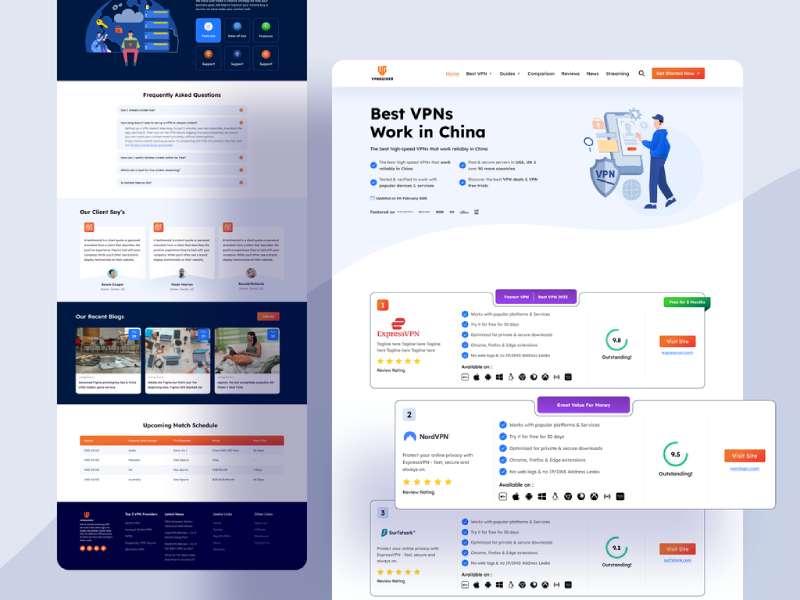
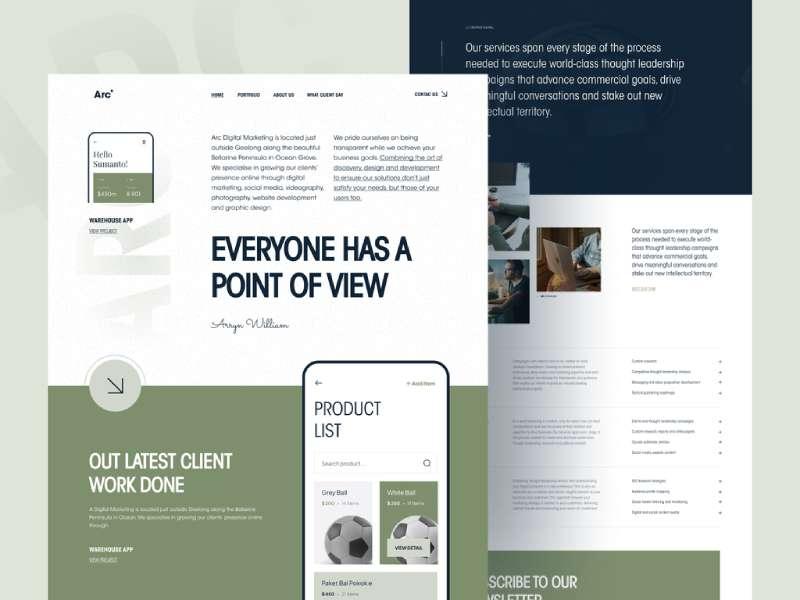
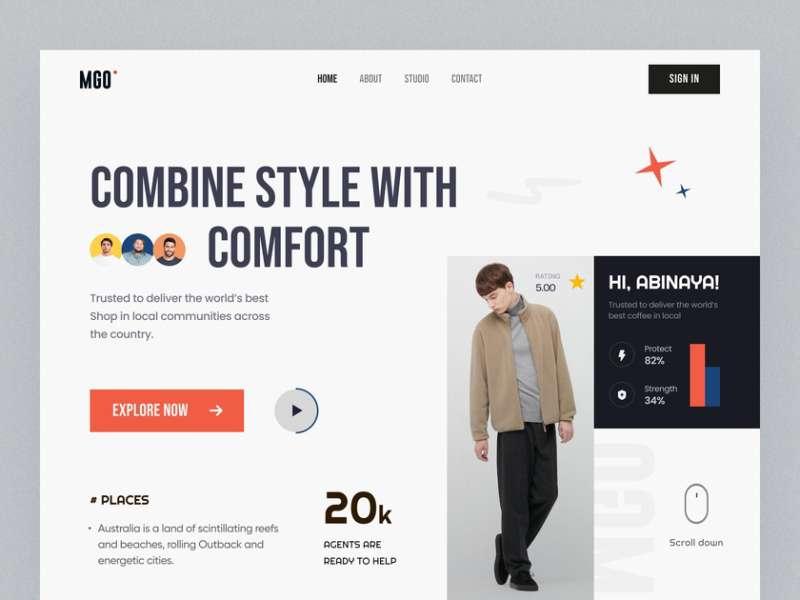
How To Make A Modern Website Key Elements And Tips

Post pobrano z: How To Make A Modern Website Key Elements And Tips

A modern web design is essential because it helps set first impressions.

Visitors judge the credibility of your website within mere seconds.

If it looks outdated or unappealing, they’re likely to bounce off right away.

Understanding the Basics

Modern web design is more than just creating a good-looking website.

It’s about integrating user experience, speed, mobile design, simplicity, and aesthetics to make a modern website that resonates with your audience.

User experience (UX) plays a pivotal role in modern web design.

It’s all about creating websites that are easy to navigate, understand, and use.

A website with good UX design keeps users hooked, increases engagement, and boosts conversions.

Key Elements of Modern Web Design

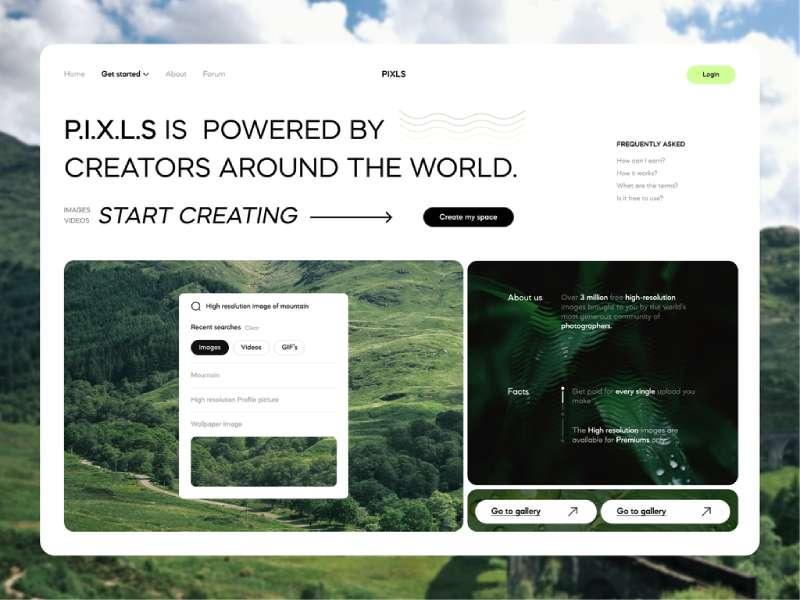
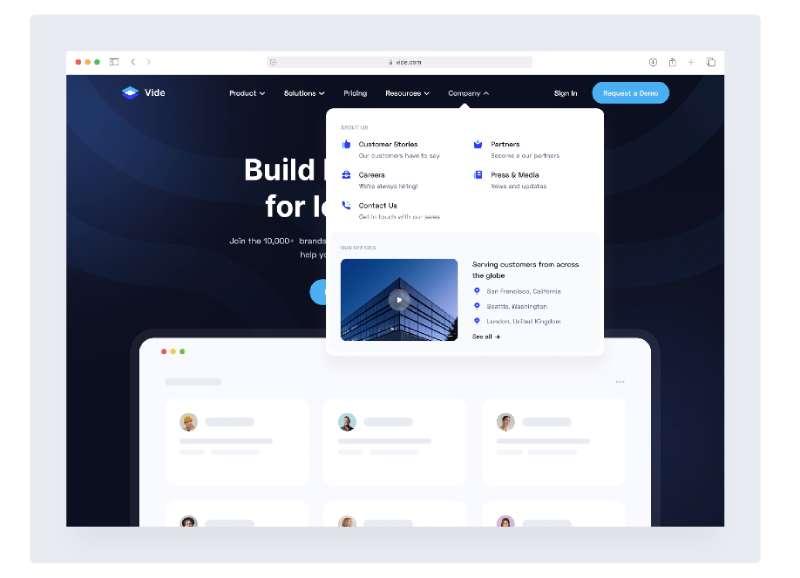
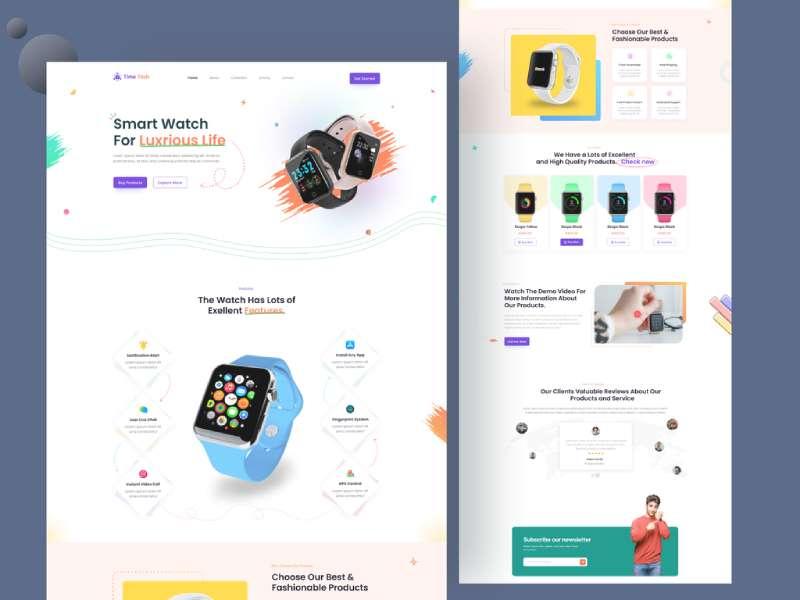
Unique Typography, engaging and responsive hero images, background videos… these are some of the elements that make a modern website pop.

But it’s not just about having these elements. It’s about how you use them to convey your brand’s story and create an engaging, user-friendly experience.

For instance, check out these examples of well-designed coaching websites that effectively use these elements. Let’s delve deeper into some of these key elements.

Unique Typography

Making a splash with typography is one of the secret ingredients when you’re figuring out how to make a modern website.

Importance of Typography in Branding

Ever thought about how you instantly recognize a brand just by looking at its font? That’s the power of typography. It’s your brand’s silent ambassador, shouting out loud about your brand’s character without uttering a word.

Choosing the Right Font

Picking the right font isn’t as simple as throwing a dart and seeing where it lands. The fonts have personalities. Sans serif says, “Hey, I’m friendly and approachable.” Serif says, “Trust me, I’m reliable and professional.” Script fonts? They’re like your fun-loving, energetic friend who always brings the party. So, choose your font carefully. It needs to echo your brand’s personality.

Engaging and Responsive Hero Images

Role of Hero Images in Web Design

Picture this. You land on a website, and the first thing that grabs your attention is a striking image with a powerful message. That’s the hero image at work. It’s not just an image. It’s your website’s welcoming committee, greeting visitors, and guiding them into your site.

Best Practices for Using Hero Images

Remember, your hero image needs to be engaging, but it also has to play nice with devices of all sizes. Make sure it’s responsive, and it scales and repositions itself based on the device being used.

Background Videos

Ever thought about using videos in the background of your website? Let’s see how they can jazz things up.

Benefits of Using Background Videos

Background videos are like silent storytellers. They create an immersive, interactive experience without disrupting the user flow. Plus, they are super engaging. If a picture speaks a thousand words, imagine how much a video can convey.

Tips for Implementing Background Videos

However, remember to keep the videos short, silent, and relevant to your content. You wouldn’t want to distract your audience, would you?

Semi-Flat Design

“Semi-Flat Design” may sound like a term from a high-brow art critic, but it’s really not that complicated.

Understanding Semi-Flat Design

Imagine a 2D image, but with a dash of depth and realism. That’s semi-flat design. It’s about using subtle shadows, gradients, and layers to create an illusion of depth in your designs.

Advantages of Semi-Flat Design

Semi-flat design strikes the perfect balance between flat design and skeuomorphism. It’s clean, minimalist, and yet it has depth. This is why it’s a popular choice when trying to figure out how to make a modern website.

Hamburger Menus

The “Hamburger Menu” has nothing to do with burgers, but it’s an equally delicious addition to modern web design.

What are Hamburger Menus?

The three parallel lines you often see in the corner of a website? That’s the Hamburger Menu. It’s like a secret door to the treasure trove of your website’s other pages.

When to Use Hamburger Menus

They’re great for mobile interfaces where space is at a premium, but use them with caution on desktop interfaces. Remember, out of sight, out of mind. If it’s not immediately visible, your users might not discover it.

The world of web design is vast and evolving. But hey, don’t feel overwhelmed. One step at a time, right? Let’s continue to explore more key elements of modern web design in the following sections.

High-Quality Product Images

Next on the journey of how to make a modern website, let’s dive into the realm of product images.

Importance of High-Quality Images

We are visual creatures. When we see a product, our brains start picturing us using it. It’s all about stirring emotions. A well-shot, high-resolution image does that effortlessly. It’s like saying, “See how awesome this product is? You know you want it.”

Tips for Using Product Images

But remember, while quality matters, size doesn’t – not in the way you think. Make sure your images are optimized so they load fast. You wouldn’t want your audience to doze off waiting for the images to load, would you?

Card Design

Let’s step into the world of card design next.

Understanding Card Design

Cards are like little containers of information. Each card holds a chunk of content. It’s like saying, “Here’s a bite-sized piece of information. Enjoy!” Think of them as trailers to the main movie that resides on another page.

Benefits of Card Design

Card designs are neat, flexible, and work like a charm on devices of all sizes. They are an awesome way to create a clean, organized layout.

Feature Videos

Ever considered using feature videos in your web design?

Role of Feature Videos in Web Design

Feature videos are your brand storytellers. They show your brand in action, narrating a story, and engaging the viewers. They are your virtual salesperson, showcasing your brand’s features and benefits.

Best Practices for Using Feature Videos

While feature videos can be super engaging, make sure they are well-made, concise, and have a clear message. And yes, make them optional. Autoplay? That’s a big no-no.

Mobile-Friendly Layouts

In the age of smartphones, this is non-negotiable.

Importance of Mobile-Friendly Design

Everyone’s got a smartphone these days, right? So, if your website throws a tantrum when accessed from a mobile, you’re basically turning away a huge chunk of your audience.

Tips for Creating Mobile-Friendly Layouts

To make your website mobile-friendly, prioritize simplicity, ensure easy navigation, and keep the touch targets large and accessible. Oh, and test. Then test again. Rinse and repeat.

To understand better how these concepts translate into a working website, you can take a look at this coffee shop website templates, which beautifully encapsulates modern web design principles.

Interactive Charts in Modern Web Design

In today’s data-driven age, interactive charts have emerged as a significant element in modern web design. They not only provide a dynamic way to represent complex data but also engage users, making them spend more time on your site. 

A well-designed interactive chart can simplify intricate data sets, making them easily understandable at a glance. Plus, the interactive nature means users can hover, click, and drill down for more detailed information, enriching the user experience. 

When integrating these charts, ensure they are mobile-responsive and align with your website’s aesthetics for a seamless user experience.

White Space

White space is like the oxygen of your web design.

Understanding the Role of White Space

White space is not about waste of space. It’s breathing room for your content. It’s what allows your design elements to stand out and catch the viewer’s attention.

Best Practices for Using White Space

Use white space strategically. It should guide the viewer’s eyes, improve readability, and highlight the key elements on your page.

Speed Optimization

Last but not least, let’s talk about speed.

Importance of Speed in Web Design

In the digital world, speed is king. A slow-loading website is a fast way to lose visitors. A fast website, on the other hand, keeps users happy and also gets a thumbs up from search engines.

Tips for Optimizing Website Speed

To boost your website speed, optimize your images, minify your code, use browser caching, and consider a Content Delivery Network (CDN). It might sound like a lot, but hey, speed matters!

Phew! We’ve covered a lot today. The world of web design is an exciting one. We’re not done yet though. Stick around as we dive into more advanced concepts in the following sections.

Advanced Concepts in Modern Web Design

Full Width & Full Screen Design

Full width and full screen designs are like the “Imax” of web design. When you’re figuring out how to make a modern website, they are a neat trick to have up your sleeve.

Full width design means using the entire screen width to your advantage, while full screen design scales and fills the entire screen, creating an immersive experience.

Why do we love them? They’re attention grabbers. They let your content sing, loud and proud, without any distractions.

Mixing Up Layouts

Variety is the spice of life, and web design is no exception.

Sure, grid layouts are cool, organized, and easy to follow. But who said we have to stick to the grid all the time? Break the grid, shift elements, overlap them, play with asymmetry. It can lead to some pretty exciting, unpredictable results.

Just remember, with great power comes great responsibility. Be adventurous, but don’t go overboard. User experience should always be the North Star guiding your design decisions.

Animation & Transitions

Animation and transitions are like the secret sauce in your web design burger.

Animations can range from tiny micro-interactions (like a button changing color when you hover over it) to complex animations telling a story. Transitions, on the other hand, are the effects used when changing from one page/state to another.

The key with both? Subtlety. You want to create a smooth, seamless user experience that feels natural and intuitive.

Depth in Design

Flat design has its charm, but adding depth to your design? Now that takes things to a whole new level.

Think shadows, gradients, layering elements, playing with opacity. These techniques create a sense of depth and make your design more visually engaging.

Custom Graphics & Iconography

When it comes to standing out in the crowded world of the web, custom graphics and iconography are your best friends.

Custom graphics and icons add personality, reinforce your brand identity, and make your design unique. Plus, they can simplify complex information and make it more digestible.

SVG Graphics & Icons

Say goodbye to pixelation. SVG, or Scalable Vector Graphics, are like the superheroes of web graphics.

No matter how much you zoom in or out, SVG graphics and icons retain their quality. So, they look crisp and clean on any screen size.

Typography Considerations

Typography isn’t just about choosing a nice font. There’s a lot more to it.

Think font pairing, line spacing, hierarchy, contrast, readability on different devices… the list goes on. All these factors play a crucial role in how your content is perceived and understood.

Conclusion

Web design is a blend of art and science, creativity and logic, form and function. It’s about creating an experience that’s engaging, intuitive, and enjoyable. So, as you venture into your web design journey

The post How To Make A Modern Website Key Elements And Tips appeared first on Designer Daily: graphic and web design blog.

Website monitoring tools: 5 Great Alternatives To Uptime Robot

Post pobrano z: Website monitoring tools: 5 Great Alternatives To Uptime Robot

Website monitoring tools play an important role for website owners, acting as the eyes and ears for website owners and administrators. In the fast-paced online world, where downtime or performance issues can lead to significant revenue loss and tarnished reputations, these tools are indispensable.

Firstly, website monitoring tools provide real-time insights into a site’s performance, availability, and responsiveness. By continuously monitoring server response times, uptime, and page loading speeds, they promptly detect any glitches or outages, allowing immediate remedial actions to be taken. This proactive approach ensures minimal disruption to users, enhancing customer experience and loyalty.

Secondly, these tools enable website owners to stay ahead of potential problems. By identifying bottlenecks, traffic spikes, or security threats, they empower administrators to optimize resources, fine-tune website configurations, and fortify cybersecurity measures. This not only boosts site performance but also ensures the safeguarding of sensitive data and user information.

Here are some tools you can use to monitor your website if you don’t want to use Uptime Robot.

1. Supermonitoring

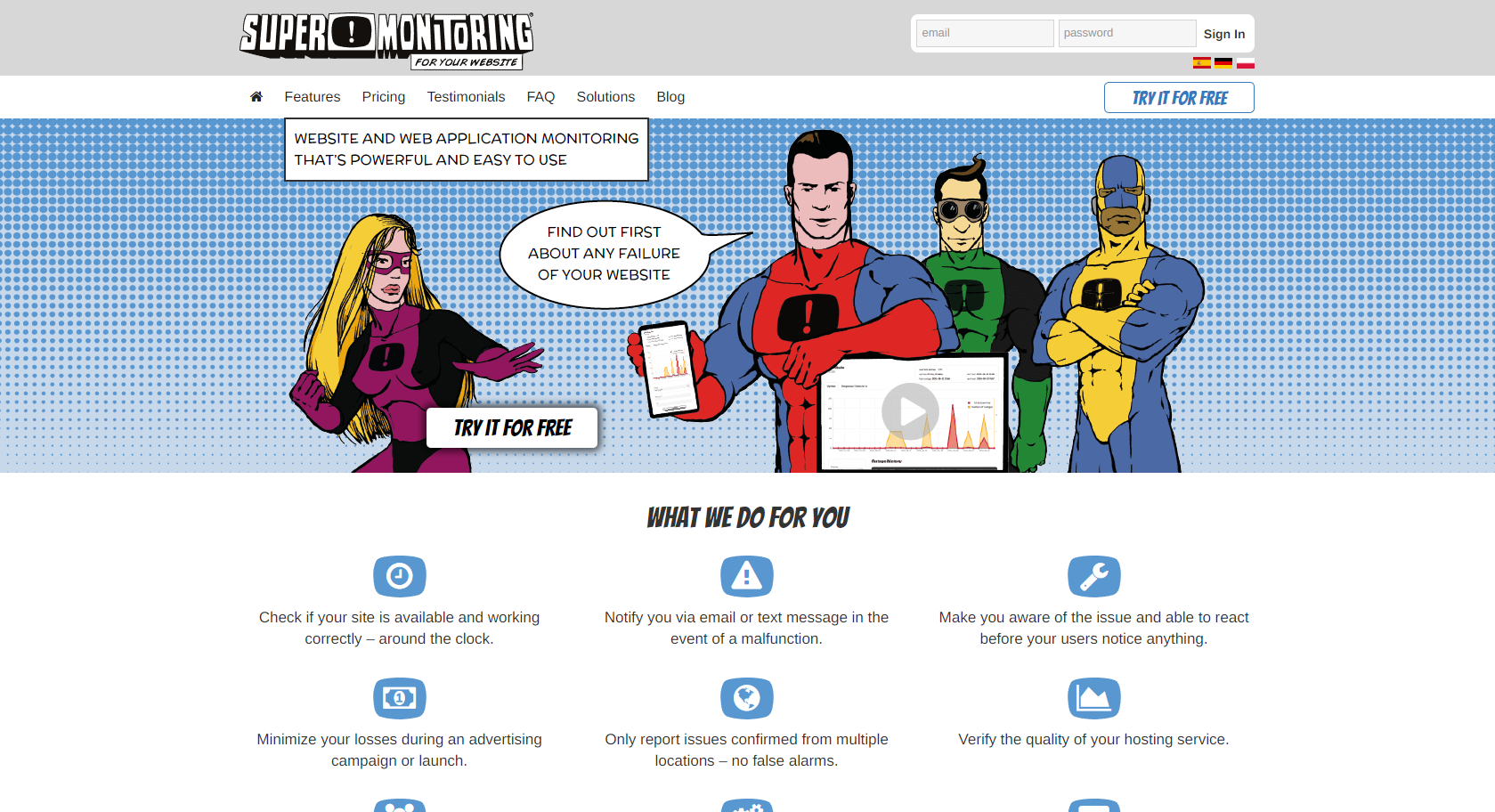
SuperMonitoring presents a simplified solution tailored for users seeking fundamental uptime functionality. While it may lack certain distinctive capabilities of UptimeRobot, its unwavering focus on a single task positions it prominently within its niche, delivering one of the finest uptime monitoring services to users.

Key attributes to consider include:

  1. Identification of failures and their characteristics.
  2. Detection of unauthorized modifications.
  3. Evaluation of response time, overall website performance, and page loading speed.
  4. Execution of client-defined scenario-based tests.
  5. Assessment of essential web metrics for the website.
  6. Verification of domain health and SSL certificate status.

Furthermore, the platform offers prompt alerts through email or SMS (although it regrettably doesn’t support popular communication channels such as Slack or Telegram). Additionally, users can establish public status pages, which, despite their potential simplicity and outdated appearance, remain functional solutions.

Regarding pricing, the structure is somewhat intricate due to the platform’s supplementary charges for SMS notifications. Customers are required to purchase SMS credits, with pricing variations based on the country. Consequently, the ultimate cost is heavily influenced by individual requirements.

2. Uptime Kuma

Uptime Kuma stands as a collaborative open-source endeavor nurtured by a community of enthusiastic contributors united on GitHub. The project’s inception traces back to 2019 when Muhammad Mustadi, an adept software engineer hailing from Indonesia, crafted the initial iteration of Uptime Kuma.

From that point onwards, Uptime Kuma has garnered substantial favor within the realm of developers and system administrators, emerging as a dependable and user-friendly monitoring solution tailored for websites, APIs, and services. The project is governed by the MIT License, thereby granting carte blanche for anyone to harness, adapt, and distribute it without charge.

The Uptime Kuma community thrives with ceaseless energy, extending an open invitation to developers worldwide to enrich the project with their insights. To partake in this effort or to seek elucidation, one can readily explore the Uptime Kuma GitHub repository or immerse themselves in the Uptime Kuma Discord channel.

Uptime Kuma wields the capacity to oversee diverse applications, databases, and services, encompassing a spectrum that encompasses: HTTP(s), TCP Port, Ping, gRPC(s), DNS, Docker Container, Push, Steam Game Server, GameDig, MQTT, Microsoft SQL Server, PostgreSQL, MySQL/MariaDB, MongoDB, RADIUS, Redis.

Amid this expansive repertoire of monitorable services, Uptime Kuma unfurls a tapestry of additional compelling features. These encompass an elegant, responsive UI/UX design, modern notifications, a 20-second monitoring cadence, customizable status pages, the ability to align status pages with specific domains, a ping chart, certificate insights, and support for proxy functionality. Remarkably, it even embraces two-factor authentication for heightened security during logins.

Envisaging the Uptime Kuma dashboard, a snapshot of operational insights comes to life, facilitating informed decisions.

Streamlining the installation and upkeep, the open-source marvel seamlessly integrates as a Docker container. Embarking on the journey with Uptime Kuma demands but a few fleeting seconds. The Dockerized deployment equally simplifies the update process, permitting the fetching of the latest container iteration to seamlessly refresh the application. This stands true whether your data assumes residence as a steadfast mount on your Docker host or as a persistent volume claim within your Kubernetes cluster.

3. Down Notifier

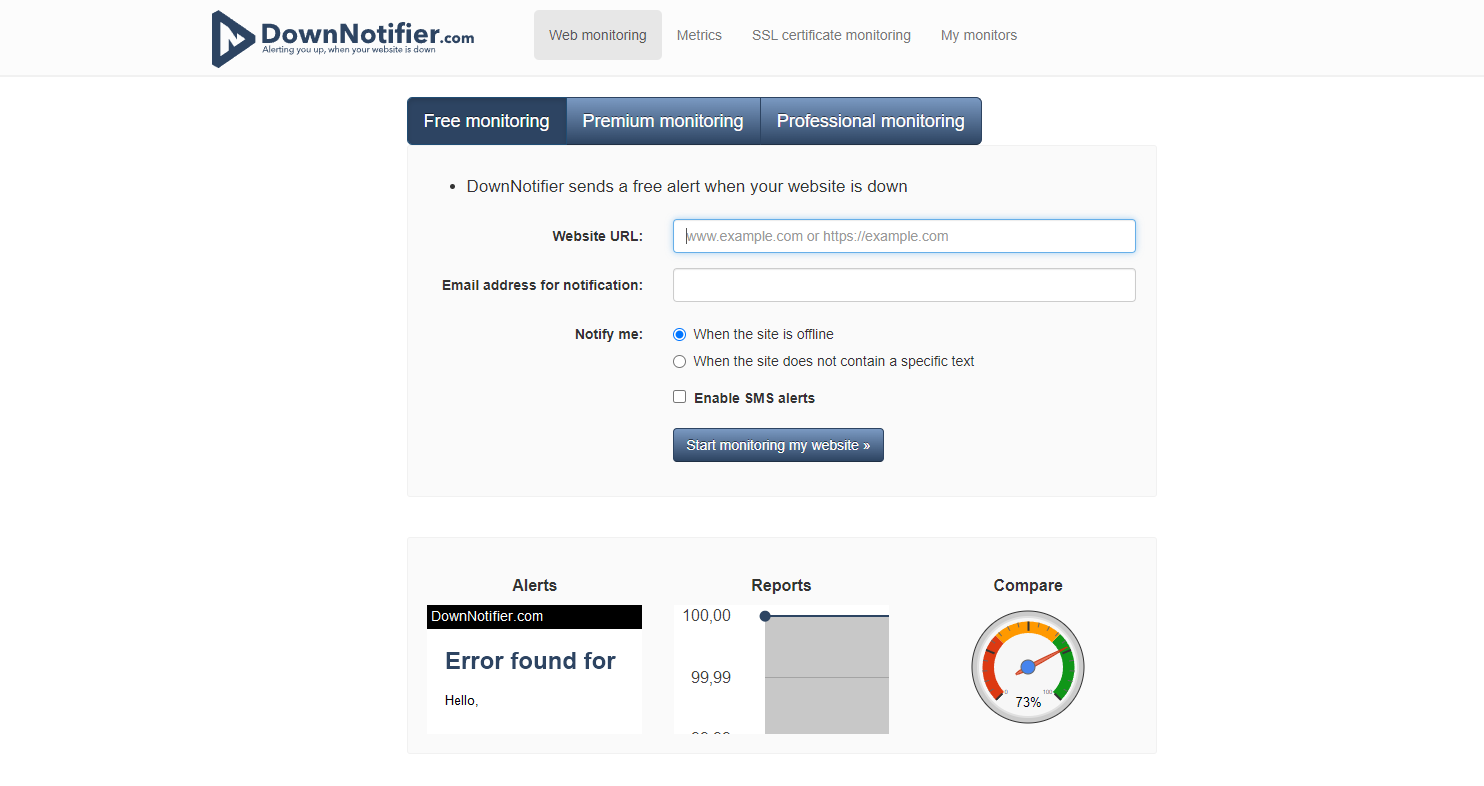
Down Notifier stands as an alternative to UptimeRobot, catering to those who prefer straightforward, focused solutions that prove remarkably effective. Particularly suitable for solopreneurs, hobbyists, and small teams, this platform excels at providing essential features. If your requirement is limited to monitoring website availability and receiving outage notifications, without the need for intricate status pages for end-users, Down Notifier emerges as the ideal choice.

Its toolkit encompasses uptime and SSL certificate monitoring, offering a graphical overview of team-collected data integrated with the platform through APIs. It also enables the establishment of performance analysis limits for your metrics.

The platform’s prime advantage lies in its exceptionally competitive pricing within the industry. The platform boasts three main plans:

  1. Free Plan: By simply providing your email address and a website link, you can access the basic functionality. The platform will conduct availability checks every ten minutes and notify you via email or phone in case of downtime.
  2. Premium Plan: Priced at just $14.95 per year, this plan offers the capability to monitor ten websites every minute. It supports alerts for multiple recipients and facilitates the creation of comprehensive reports.
  3. Professional Plan: This tier, costing $99 annually, elevates the experience. Users can monitor up to 25 websites at impressively swift 20-second intervals. Notifications extend to WhatsApp, and a seven-day archive of complete monitoring logs becomes accessible.

Notably, the platform extends volume discounts for those needing to monitor hundreds or even thousands of websites.

4. Use a Telegram bot

If you are a Telegram user, this could be one of the best solutions, although it can involve a bit more work if you do it in a custom way. The obvious advantage to such a solution is that it sends you notifications at the place you are the most responsive, which is messaging on your phone. However, there are two ways you could to this.

To do it the hard way, you can create your own bot with the help of the “Bothfather“, a Telegram bot that helps you with the creation of custom bots. There is a quite comprehensive walkthrough of this on this article.

Another way to get this functionality is to use an existing bot that will ping your server and let you know whether it’s alive or not. Of course, this is much more simple and limited in terms of features compared to other tools in this list, but it can still prove useful for smaller websites.

Ping Bot will do just that, a very simple check of a server regularly, with a status message sent to you on Telegram whenever things go wrong.

5. Website Pulse

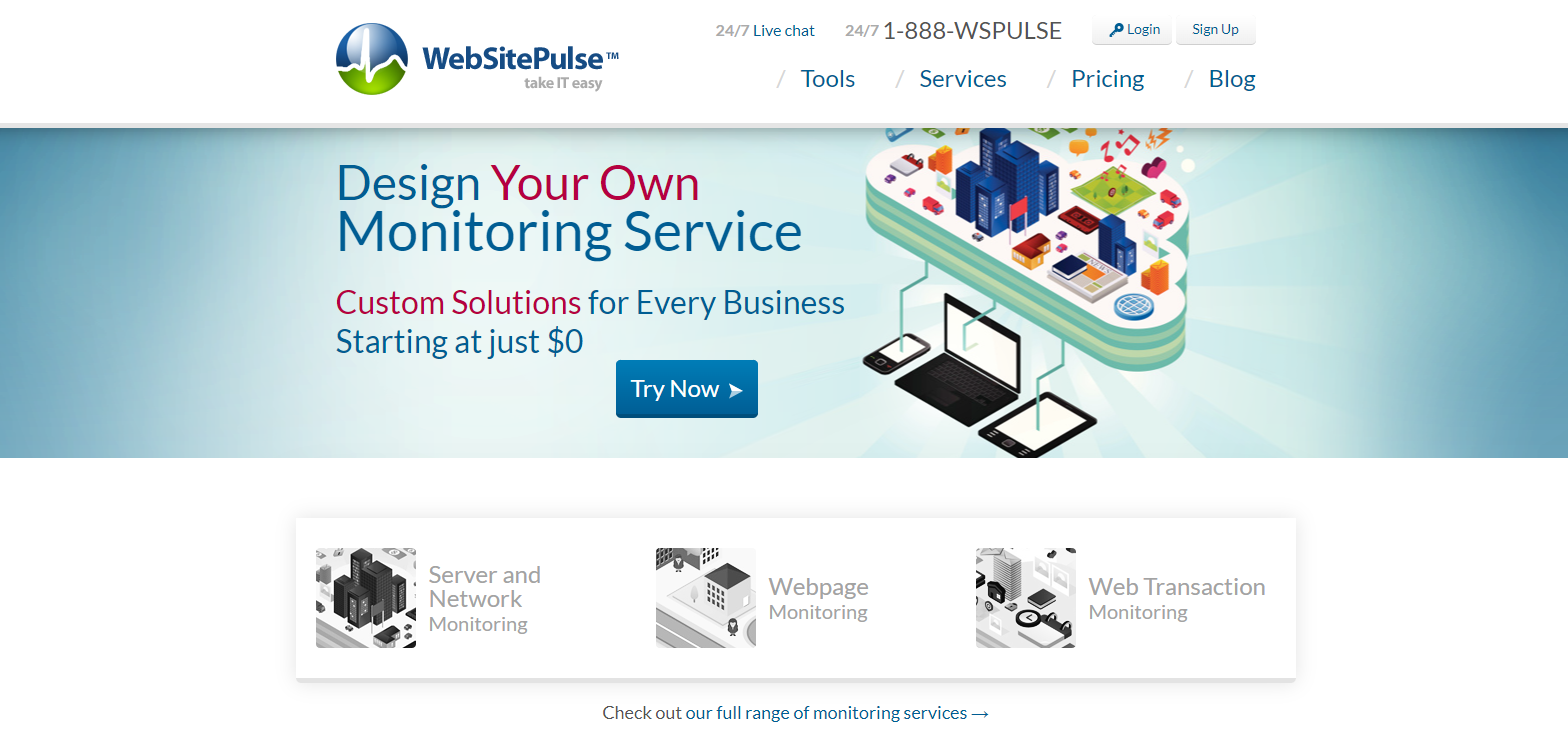
WebsitePulse emerges as a robust contender among UptimeRobot alternatives, boasting an array of comprehensive functionalities:

  • Monitoring of Servers
  • Website and Webpage Monitoring
  • Web Transaction Monitoring
  • SSL Certificate Monitoring
  • Vulnerability Monitoring
  • Blacklist Monitoring
  • Email Round-Trip and Custom Monitoring

Moreover, the platform encompasses the following offerings:

  • Alerts designed to swiftly identify malfunctions, enabling timely rectification.
  • Reporting for error detection and verification, enhancing overall system performance.
  • Speed and performance testing based on specific criteria.

However, if your focus is solely on uptime monitoring and incident reporting, WebsitePulse might not be the optimal choice due to its intricate and slightly overwhelming nature. Utilizing it might demand specialized skills and a significant investment of time to achieve desired outcomes. Nevertheless, if your requirements extend to gaining enhanced control over your website ecosystem, particularly internal units and devices, WebsitePulse stands as a premier alternative to UptimeRobot.

In terms of pricing, the platform adopts a non-traditional approach, offering flexibility by allowing teams to select and pay for specific services. While this flexibility is advantageous, determining the final cost can be intricate due to the per-service pricing structure, potentially leading to unforeseen expenses.

Consequently, a comprehensive evaluation is crucial to gauge its suitability for your needs and to anticipate potential costs.

Conclusion

In conclusion, website monitoring tools are indispensable for website owners who seek to provide seamless user experiences, protect their online assets, and make informed business decisions. By enabling swift issue resolution, optimization, and data-driven strategies, these tools form the backbone of a successful and resilient online presence in today’s competitive digital landscape.

The post Website monitoring tools: 5 Great Alternatives To Uptime Robot appeared first on Designer Daily: graphic and web design blog.

Inclusivity & Accessibility: How to Ace Them With Website Design

Post pobrano z: Inclusivity & Accessibility: How to Ace Them With Website Design

American business owners are obsessed with website designs, spending thousands of dollars on creating, enhancing, and fine-tuning them. They have valid reasons because almost 60% of consumers crave beautiful designs when it comes to websites. The probability of impressing and converting visitors is high if you have a stunning site.  

A study shows that an average user takes 50 milliseconds to form an opinion about your website. It means you have only a blink of an eye to grab their attention. The only way to do it is by having an eye-catching top fold with impressive visuals, bright colors, and top-notch content. The rest boils down to functionality and navigational ease.

As you focus on the basics, you may not pay due attention to inclusivity and accessibility. Falling short on these fronts means missing out on many potential buyers. You need to ensure that your website is designed for everyone, meeting the diverse needs of visitors.

Let us explain what inclusivity and accessibility are and how you can make your website design inclusive and accessible.

Inclusivity & Accessibility: The Basics

Does your website’s UX meet the needs of people with disabilities? Is it accessible to everyone, regardless of their physical and cognitive constraints?

Statistics will surprise you in this context. According to the WebAIM Million report, an average of 50.0 distinct accessibility errors per page was detected across one million home pages. Another study shows that the disability market is worth a staggering $1.9 trillion. Lacking an inclusive and accessible website could translate into a massive loss for your business. 

Surveys show that 13% of Americans struggle with disabilities, and Florida has a slightly higher number at 13.5%. Furthermore, Orlando’s population includes 11.2% disabled individuals. If you run a business here, collaborating with an Orlando website design agency that understands the concepts of inclusivity and accessibility is critical.

Tips to Design an Inclusive and Accessible Website 

Dark Matter Digital notes that a great website design can fetch traffic, engage visitors, drive leads and sales, and build a brand’s identity. Considering these benefits, investing extra effort in designing your site is worthwhile. Adding the elements of inclusivity and accessibility can take you the extra mile. 

Here are a few actionable tips to ace these elements:

Mind Your Color Contrasts

Users with visual disabilities should be able to differentiate the foreground elements from the background design. If they cannot, they will miss out on the engaging imagery and informative text that drive conversions. 

According to the Web Content Accessibility Guidelines (WCAG), a color contrast ratio of 4.5:1 is ideal for normal text less than font size 18. For bold text and font size over 18, the contrast ratio should be at least 3:1.

Illustrate With Keywords

Low vision or color blindness means that users rely on more than color as a visual clue when clicking a button or performing an action. Adding text labels such as “confirm purchase” to call-to-action buttons gives them a way to navigate the buying journey despite their disability.

You can think beyond text alone and use clever ideas to help users understand what needs to be done. Adding a recognizable to indicate an action or a prominent pop-up error message to show an error is a good idea.

Use Labels With Inputs

People using screen readers often struggle to input personal information in forms. The placeholder text describing the details to be filled in the input fields is often hard to read and navigate with screen readers.   

You can address the issue by designing forms with field titles and label elements explaining what the users should fill in and where.

Integrate Alternative Text

Alt text is non-negotiable in inclusive design as it ensures that people with cognitive disabilities and visual impairments understand what’s portrayed in an image. Anyone using a screen reader can rely on alt text to understand the image content as the reader will read aloud the alt text to give them the full context.

Ensure accurate and concise alt text with the most crucial details. Also, pay attention to spelling or grammar errors before embedding it in the image.

Give Clues for Keyboard Navigation

Keyboard shortcuts are lifesavers for people with mobility disabilities as they help with navigation and action. Users can explore the website with the arrow, tab, enter, and spacebar keys.

With these keys, they can explore headers and page structures, fill out forms, click on links, and do anything a mouse can do. For an inclusive design, your website should be compatible with keyboard navigation. 

The Bottom Line

An inclusive and accessible website has extensive business benefits, from a larger audience to higher revenues and a better reputation. The best part is that bringing inclusivity and accessibility to your website’s design is easier than you imagine. Implement these design tips to build a website for everyone.

The post Inclusivity & Accessibility: How to Ace Them With Website Design appeared first on Designer Daily: graphic and web design blog.

What is the main source of energy on earth?

Post pobrano z: What is the main source of energy on earth?

The Earth is a remarkable planet brimming with life, and its vibrant ecosystems owe their existence to one celestial entity: the sun. As the heart of our solar system, the sun illuminates the cosmos and serves as the primary wellspring of energy for our planet.

While various energy sources sustain our modern lifestyles, from fossil fuels to renewables, they all trace their origins back to the sun’s immense power. This article delves into the profound influence of the sun’s energy on Earth and explores its pivotal role in shaping our world.

The Sun’s Energy

At the core of our solar system resides a colossal sphere of superheated plasma—the sun. This astronomical giant powers its surroundings through a process known as nuclear fusion, where hydrogen atoms fuse to form helium, releasing an enormous amount of energy in the form of light and heat.

This energy journey begins with the sun’s radiance penetrating Earth’s atmosphere. Some of this energy is absorbed by the planet’s oceans, landmasses, and atmosphere, while the remainder is reflected back into space.

Earth’s atmospheric and oceanic absorption of solar energy fuels an intricate dance—the climate system. The sun’s heat drives winds and ocean currents, shaping weather patterns and influencing climate variations.

Additionally, this energy fuels the water cycle, where the sun’s heat evaporates water from Earth’s surface, forms clouds, and eventually leads to precipitation, perpetuating a vital cycle that sustains life.

Fossil Fuels

While the sun’s energy plays a direct role in driving natural processes, its impact on energy sources like fossil fuels is equally profound. Fossil fuels, including coal, oil, and natural gas, are the remnants of ancient plants and animals that existed millions of years ago.

These organisms captured the sun’s energy through photosynthesis, storing it in their remains. Over eons, these remnants transformed into fossil fuels.

However, burning fossil fuels releases this stored energy back into the atmosphere, albeit in a different form. The combustion of fossil fuels generates heat and carbon dioxide—a greenhouse gas responsible for global warming.

As society increasingly relies on these energy sources, the consequences are evident through climate change, emphasizing the necessity for a transition towards cleaner alternatives.

Biomass

The intricate relationship between the sun and energy extends to biomass—a renewable energy source derived from living organisms or recently deceased ones. Biomass encompasses an array of materials, including wood, crop residues, and animal waste.

When these materials are burned, they release the sun’s energy, which the organisms had harnessed during their lifetimes through photosynthesis.

Biomass offers a versatile energy solution. It can be employed to produce electricity, heat residential and commercial spaces, and even fuel vehicles.

This sustainable energy source mitigates the carbon footprint associated with fossil fuels, making it a stepping stone towards a greener energy landscape.

Renewable Energy

As society recognizes the environmental toll of conventional energy sources, renewable energy emerges as a beacon of hope—a constellation of solutions sourced directly from the sun’s bounty.

Renewable energy derives from naturally replenished sources, including solar radiation, wind, water, and geothermal heat. These sources harness the sun’s energy in various ways to generate power.

Solar energy harnesses sunlight through photovoltaic cells, converting it into electricity. Wind energy utilizes the sun’s heat to create air currents, driving wind turbines that generate power.

Hydroelectric power harnesses water’s gravitational potential energy, driven by the sun’s role in the water cycle. Geothermal energy taps into the heat within Earth’s crust, which originates from the planet’s formation and ongoing radioactive decay.

Conclusion

The sun’s energy is the lifeblood of Earth’s systems, igniting the climate, propelling the water cycle, and fostering the growth of plants. Its influence permeates every facet of our existence, from the food on our tables to the technologies powering our lives.

Yet, as we confront the environmental challenges posed by conventional energy sources, the need for a transition to cleaner, more sustainable alternatives is evident.

Renewable energy stands as a testament to humanity’s capacity to innovate and harmonize with nature. By embracing solar, wind, hydroelectric, and geothermal energy, we can curtail the ecological impact of energy production, reduce greenhouse gas emissions, and pave the way for a brighter, cleaner future.

As we move forward, our journey into the sun-powered era will illuminate the path towards a sustainable and harmonious coexistence with the energy sources that shape our world.

The post What is the main source of energy on earth? appeared first on LatestSolarNews.

5 Benefits Of Solar Powered Lights

Post pobrano z: 5 Benefits Of Solar Powered Lights

Solar Deck Lights and Solar Post Lights

Solar powered lights are a popular and environmentally friendly lighting solution that harnesses the power of the sun to illuminate outdoor spaces. These lights rely on solar panels to convert sunlight into electricity, which is stored in rechargeable batteries. As the sun sets, the lights automatically turn on and use the stored energy to provide illumination throughout the night.

Explanation of solar powered lights and how they work

Solar powered lights work by utilizing photovoltaic (PV) technology, which converts sunlight into electricity. The solar panels, typically located on top of the lights, capture the sunlight and convert it into direct current (DC) electricity. This electricity is then fed into the batteries for storage.

When evening arrives and the sun goes down, a built-in sensor within the solar powered lights detects the decrease in natural light. This triggers the lights to turn on, and they begin to use the stored energy from the batteries to power the LED (light-emitting diode) bulbs.

Solar powered lights are equipped with efficient LEDs that consume minimal energy, allowing them to provide bright illumination while maximizing battery life. The lights will stay on throughout the night and automatically turn off when the sun rises, as the solar panels begin to recharge the batteries for the next night.

One of the major benefits of solar powered lights is their energy efficiency and sustainability. By harnessing the power of the sun, these lights do not rely on electricity from the grid, reducing energy consumption and carbon emissions. Additionally, they require minimal maintenance and can be easily installed in various outdoor areas, such as gardens, pathways, and driveways, without the need for complex wiring.

Environmental Benefits of Solar Powered Lights

Reduced carbon footprint and greenhouse gas emissions

One of the key environmental benefits of solar-powered lights is the significant reduction in carbon footprint and greenhouse gas emissions. Traditional lighting options such as fluorescent or incandescent lights rely on electricity generated from fossil fuels, which release harmful emissions into the atmosphere.

Solar-powered lights, on the other hand, harness energy from the sun to generate electricity. This renewable energy source produces zero emissions during operation, helping to mitigate the effects of climate change and reduce air pollution. By switching to solar-powered lights, you can directly contribute to the reduction of greenhouse gases and help combat global warming.

Additionally, solar-powered lights do not require the use of batteries or electricity from the grid, further reducing the demand for fossil fuels and decreasing the overall carbon footprint associated with lighting.

Investing in solar-powered lights can make a significant impact on the environment by promoting clean energy and sustainable practices. By choosing this eco-friendly lighting solution, you are not only saving money on electricity bills but also actively participating in the fight against climate change.

So, if you’re looking for a lighting option that not only brightens up your space but also contributes to a cleaner and greener planet, solar-powered lights are the way to go. Embrace sustainability and make a positive impact on the environment with this environmentally friendly lighting solution.

Cost Savings with Solar Powered Lights

Lower electricity bills and long-term savings

One of the key benefits of using solar powered lights is the significant cost savings they offer. Traditional lighting options rely on electricity from the grid, resulting in high energy bills. However, solar powered lights use the sun’s energy to generate power, eliminating the need for electricity and reducing your monthly expenses.

With solar powered lights, you can experience long-term savings as well. Once installed, these lights require minimal maintenance and have a lifespan of up to 20 years. This means you won’t have to worry about frequent replacements, saving you money on replacement costs over time.

Additionally, solar powered lights offer a great return on investment. While the initial installation cost may be higher than traditional lighting options, the savings you accumulate over the years make it a worthwhile investment. As energy costs continue to rise, the benefits of solar powered lights become even more evident.

Not only do solar powered lights help you save money, but they also contribute to a greener environment. By using renewable energy, you reduce your carbon footprint and contribute to the fight against climate change.

So, if you’re looking for an eco-friendly and cost-effective lighting solution, solar powered lights are an excellent choice. Not only do they provide cost savings, but they also promote sustainability and help create a cleaner, greener future for all.

Easy Installation and Maintenance of Solar Powered Lights

Simple setup process and minimal upkeep

One of the biggest advantages of solar powered lights is their easy installation and low maintenance requirements. Unlike traditional lighting systems that require extensive wiring and electrical connections, solar lights can be set up with just a few simple steps. All you need to do is find a suitable location that receives direct sunlight, secure the solar panel in place, and attach the light fixture to the desired area. No need for complicated wiring or professional installation services.

Once installed, solar powered lights require minimal upkeep. The solar panels automatically charge the built-in batteries during the day, and the lights turn on automatically at dusk. There is no need for manual operation or regular bulb replacement. The LED bulbs used in solar lights have a long lifespan, typically ranging from 50,000 to 100,000 hours. This means you can enjoy consistent, reliable lighting without the hassle of frequent maintenance.

Additionally, solar powered lights are designed to withstand various weather conditions. They are made from durable materials that are resistant to corrosion, rust, and UV damage. This makes them perfect for outdoor use, whether it’s to illuminate your garden, pathway, or patio.

In conclusion, the easy installation process and minimal maintenance requirements are key benefits of solar powered lights. Not only do they save you time and effort, but they also provide reliable and environmentally friendly lighting solutions for your outdoor spaces.

Versatility and Functionality of Solar Powered Lights

Solar-powered lights offer a plethora of benefits, making them an excellent choice for outdoor lighting solutions. Here, we will discuss one of the key advantages of solar-powered lights: their versatility and functionality.

Suitable for various outdoor lighting applications

One of the major benefits of solar-powered lights is their suitability for a wide range of outdoor lighting applications. Whether you need lighting for your garden, patio, pathway, or driveway, solar-powered lights can meet your needs. They come in various types, such as solar floodlights, solar string lights, and solar garden lights, providing you with plenty of options to choose from.

Solar-powered lights are also portable, allowing you to move them around as needed. This flexibility makes them perfect for events, camping trips, or any situation where you require temporary lighting outdoors.

Additionally, solar-powered lights are easy to install. Since they don’t require any electrical wirings or access to a power source, you can effortlessly set them up anywhere you desire. This convenience saves you time, effort, and money that would otherwise be spent on hiring an electrician or extending power lines.

Investing in solar-powered lights not only reduces your environmental impact but also provides you with versatile and functional lighting options for all your outdoor needs. Take advantage of their versatility and enjoy the convenience and efficiency they offer.

Increased Safety and Security with Solar Powered Lights

When it comes to outdoor lighting, solar powered lights offer numerous benefits. Not only do they provide illumination without the need for electrical wiring, but they also enhance safety and security around your property. Here’s how:

Enhanced visibility and deterrent for potential intruders

One of the main advantages of solar powered lights is their ability to provide bright and consistent illumination throughout the night. This increased visibility can act as a deterrent for potential intruders, as it makes it more difficult for them to approach your property unnoticed. Criminals are less likely to target well-lit areas, as they prefer to operate in the dark.

Furthermore, solar powered lights are not dependent on the power grid, meaning they continue to function even during power outages. This ensures that your property remains well-lit and secure at all times, regardless of any disruptions in the electrical supply.

By installing solar powered lights in strategic locations around your property, you create a safer and more secure environment. Whether it’s illuminating walkways, driveways, or entrances, these lights provide peace of mind by reducing the risk of accidents and deterring potential intruders. Plus, they do all of this while being energy efficient and environmentally friendly.

Investing in solar powered lights is a smart choice for both homeowners and business owners who prioritize safety and security. Not only do they enhance visibility, but they also provide a sustainable lighting solution that saves on energy costs in the long run. By making this investment, you can enjoy a safer environment while reducing your carbon footprint.

Independence from the Grid with Solar Powered Lights

In recent years, solar-powered lights have been gaining popularity as an alternative lighting solution. The benefits of utilizing solar power for lighting go beyond just cost savings and environmental sustainability. Let’s explore some of the key advantages of using solar powered lights.

No reliance on traditional power sources

One of the most significant benefits of solar-powered lights is their independence from the traditional power grid. These lights are equipped with solar panels that convert sunlight into energy, which is then stored in rechargeable batteries. This means that even in remote locations or during power outages, you can still have reliable lighting. Whether it’s for outdoor lighting, security lighting, or even indoor lighting in off-grid locations, solar-powered lights provide a hassle-free solution.

Moreover, solar-powered lights do not require any wiring or electrical connections. This makes installation quick and easy, with no need for extensive electrical work or ongoing maintenance costs. Additionally, since the energy used for solar-powered lights comes from the sun, it is a renewable and clean source of power, reducing your carbon footprint.

By embracing solar-powered lights, you can enjoy the freedom and peace of mind that comes with not being reliant on the grid. Whether it’s for residential, commercial, or outdoor use, these lights provide a sustainable and efficient lighting solution for various applications.

Long Lifespan and Durability of Solar Powered Lights

When it comes to outdoor lighting solutions, solar-powered lights provide numerous benefits. One of the key advantages of these lights is their long lifespan and durability.

High-quality materials and resistance to harsh weather conditions

Solar powered lights are designed to withstand various weather conditions, making them highly durable. They are made with high-quality materials that can resist extreme temperatures, rain, snow, and even strong winds. This means that you can rely on solar-powered lights to continue functioning properly and providing illumination regardless of the weather conditions.

Compared to traditional lighting options, such as fluorescent or incandescent lights, solar-powered lights have a longer lifespan. This is because they do not rely on disposable batteries or electricity, but rather on renewable energy from the sun. With proper maintenance and care, solar-powered lights can last for several years, making them a cost-effective and sustainable lighting solution for outdoor spaces.

In addition to their durability and long lifespan, solar-powered lights are also energy-efficient and environmentally friendly. They harness solar energy during the day and use it to generate light at night, reducing electricity consumption and carbon emissions. This not only helps to save on energy costs but also contributes to a greener and more sustainable environment.

Overall, the long lifespan and durability of solar-powered lights make them a reliable and efficient lighting solution for outdoor areas. Whether you need to light up your garden, pathway, or patio, solar-powered lights offer a practical and eco-friendly option that will stand the test of time.

Conclusion

In conclusion, solar powered lights offer numerous benefits that make them a smart choice for both residential and commercial use. They are not only environmentally friendly and cost-effective, but also provide a reliable and independent source of lighting. By harnessing the power of the sun, you can enjoy bright and efficient lighting without the need for traditional electricity.

Overall advantages and considerations for using solar powered lights

Advantages Considerations
Eco-friendly Dependent on sunlight availability
Reduce electricity bills Initial cost can be higher
Easy installation May require regular maintenance
Low maintenance May not be suitable for areas with limited sunlight
Automatic operation Solar panels can deteriorate over time

By carefully considering these advantages and considerations, you can make an informed decision about whether solar powered lights are the right choice for your lighting needs. Don’t forget to evaluate the specific requirements of your location and calculate the potential energy savings to determine the long-term benefits. Embracing solar power not only reduces your environmental impact, but also provides a sustainable and efficient solution for your lighting requirements.

The post 5 Benefits Of Solar Powered Lights appeared first on LatestSolarNews.

Advantages And Disadvantages Of Solar Power

Post pobrano z: Advantages And Disadvantages Of Solar Power

Solar Powered Products - Advantages And Disadvantages

Overview of Solar Power and its Importance

Solar power is the conversion of sunlight into electricity using photovoltaic cells or through the use of concentrated solar power. It is a renewable source of energy that has gained significant attention in recent years due to its numerous advantages and importance in addressing climate change and reducing reliance on fossil fuels.

One of the primary advantages of solar power is its ability to generate electricity without any direct carbon emissions. Unlike traditional energy sources like coal or natural gas, solar power does not produce greenhouse gases that contribute to global warming. This makes it a clean and sustainable alternative that helps to reduce carbon emissions and mitigate the impact of climate change.

Solar power is also a renewable energy source, as sunlight is abundant and available almost everywhere on the Earth. Unlike fossil fuels, which are finite and will eventually run out, solar energy will be available for as long as the sun exists. This means that investing in solar power systems can provide a long-term and sustainable source of electricity.

Furthermore, solar power systems can be installed at various scales, from small residential rooftop systems to large-scale utility power plants. This versatility allows for solar energy to be harnessed in both urban and rural areas, providing electricity to communities that may not have access to traditional power grids.

In addition to its environmental benefits, solar power can also provide economic advantages. The cost of solar panels has significantly decreased over the years, making it a more affordable option for both residential and commercial use. Moreover, generating electricity from solar power can reduce or eliminate electricity bills, providing long-term savings for consumers.

However, solar power is not without its disadvantages. The main disadvantage is its intermittent nature, as solar energy can only be generated during daylight hours and is dependent on weather conditions. This means that solar power may not be a constant and reliable source of electricity, especially during cloudy days or when there is limited sunlight.

Furthermore, the initial cost of setting up a solar power system can be high, although this is offset by the long-term savings on electricity bills. Additionally, the production and disposal of solar panels can have environmental impacts, as certain materials used in their manufacturing can be harmful if not managed properly.

Overall, the advantages of solar power, such as its cleanliness, renewability, and economic benefits, outweigh its drawbacks. With continued research and advancements in solar technology, the efficiency and reliability of solar power systems are improving, making it an increasingly viable and important source of energy.

Advantages of Solar Power

Solar power offers several advantages that make it a popular choice for renewable energy. Let’s discuss some of its key benefits.

Cost Savings and Financial Benefits of Solar Energy

One of the major advantages of solar power is the potential for significant cost savings. Once installed, solar panels can generate electricity for free, reducing or even eliminating your monthly electricity bill. This can result in substantial long-term savings, especially in areas with high electricity rates. Additionally, some countries and states offer financial incentives, such as tax credits or rebates, to encourage the adoption of solar energy. These incentives can further offset the initial investment and make solar power more affordable for homeowners and businesses.

Environmental Advantages of Solar Power

Solar power is a clean and renewable source of energy. Unlike fossil fuels, solar energy does not produce harmful emissions or contribute to air pollution. By reducing reliance on non-renewable energy sources, solar power helps to reduce greenhouse gas emissions, which are a major contributor to climate change. Furthermore, solar panels have a long lifespan and require minimal maintenance, which helps to minimize their environmental impact.

Energy Independence and Security

Solar power provides energy independence and security. By generating your own electricity from the sun, you become less dependent on the grid and the fluctuating prices of fossil fuels. This can protect you from rising energy costs and instability in the energy market. Additionally, in remote areas where access to the grid is limited or unreliable, solar power can provide a reliable source of electricity.

Overall, solar power offers numerous advantages. It can save you money, reduce your environmental footprint, and provide a reliable and independent source of energy. However, it’s important to consider the initial installation costs, availability of sunlight, and the space required for solar panels before deciding to invest in solar power.

Disadvantages of Solar Power

Initial Installation Costs and Payback Period

One of the primary disadvantages of solar power is the initial installation costs and the time it takes to recoup those costs. Solar panels and the associated equipment can be quite expensive, making it difficult for some individuals or businesses to afford the upfront investment. Additionally, the payback period, which is the time it takes for the savings generated from solar power to equal the initial investment, can take several years. This can deter some people from adopting solar power as a renewable energy source.

Intermittency and Dependence on Sunlight

Another disadvantage of solar power is its dependence on sunlight. Solar panels are only able to generate electricity when sunlight is available, which means they are not operational during cloudy days or at night. This intermittency can be a significant drawback, especially in areas with limited sunlight or a high number of overcast days. To counteract this limitation, solar power systems often require the installation of battery storage or connection to the electrical grid as a backup source of power. However, these additional components can increase the overall costs of the system.

Resource Intensive Manufacturing Process

The manufacturing process of solar panels and associated equipment can be resource-intensive. Producing solar panels requires various raw materials, such as silicon, glass, and metals, which need to be extracted and processed. This extraction process can have environmental impacts, such as habitat destruction and water pollution. Additionally, the energy-intensive manufacturing process itself can contribute to greenhouse gas emissions, offsetting some of the environmental benefits of solar power. However, it is worth noting that advancements in technology and manufacturing processes are continuously being made to minimize these drawbacks and improve the sustainability of solar power.

Net Metering and Solar Incentives

Explanation of Net Metering and its Benefits

Net metering is a billing arrangement that allows owners of solar energy systems to receive credit for the excess electricity they generate and send back to the grid. When the solar panels produce more electricity than is being used, the excess power is fed into the grid and the meter runs backwards. This is beneficial because it allows homeowners and businesses to offset their energy costs by selling back the excess power they generate.

One of the main benefits of net metering is the financial savings it offers. By receiving credit for the excess electricity produced, consumers can significantly reduce their electricity bills. This is particularly advantageous during times when the solar panels generate more electricity than is being used, such as during the daylight hours when the sun is shining bright.

Net metering also encourages the use of renewable energy sources like solar power. It provides an incentive for individuals to invest in solar energy systems by making it more economically viable. This not only benefits individual consumers by reducing their reliance on traditional energy sources but also helps in reducing greenhouse gas emissions and promoting environmental sustainability.

Government and Local Incentives for Solar Power

In addition to net metering, there are various government and local incentives available to promote the use of solar power. These incentives come in the form of tax credits, grants, rebates, and other financial incentives.

Some of the common government incentives include federal tax credits that can help offset the cost of installing a solar system. States and local governments also offer their own incentives, such as cash rebates or property tax exemptions for solar panel installations. These incentives can greatly reduce the upfront costs of installing solar power systems, making them more affordable for homeowners and businesses.

These incentives not only make solar power more affordable but also contribute to the growth of the solar industry, creating job opportunities and stimulating the economy. Additionally, they help increase energy independence and reduce the dependence on fossil fuels.

However, it is important to note that the availability and extent of these incentives can vary depending on the location and government policies. Therefore, it is essential for individuals to research and understand the specific incentives available in their area before investing in solar power.

Overall, net metering and government incentives make solar power an attractive and financially viable option for both individual consumers and businesses. They provide economic benefits, encourage renewable energy adoption, and contribute to a more sustainable future.

Solar Power Storage Solutions

Importance of Energy Storage in Solar Power Systems

Energy storage plays a crucial role in the effective utilization of solar power. As solar power generation is intermittent, storing the excess energy for use during periods of low or no sunlight is essential for a reliable and continuous power supply. This has led to the development of various solar power storage solutions that help overcome the challenges of intermittency.

One of the most common solar power storage solutions is the use of batteries. Batteries store the excess energy produced during the day and discharge it when needed, providing a consistent power supply even when the sun is not shining. These batteries can be installed in residential homes, commercial buildings, and even in large-scale solar power plants. Advances in battery technology have made them more efficient, durable, and cost-effective over the years.

Another solar power storage solution is the use of pumped hydro storage. This method involves using excess solar energy to pump water to a higher elevation, which is then released to generate electricity during times of low solar power production. Pumped hydro storage systems have been widely used in large-scale solar power plants and have proven to be reliable and efficient.

Additionally, thermal energy storage can be utilized in solar power systems. This involves capturing and storing the heat generated by solar panels in a medium such as molten salt, which can then be used to generate electricity even when sunlight is not available. Thermal energy storage is particularly suited for applications that require a continuous supply of heat or steam, such as industrial processes and heating systems.

While solar power storage solutions offer significant advantages in ensuring a consistent power supply, there are also some drawbacks to consider. The main disadvantage is the high upfront cost of implementing these storage systems, which can be a barrier for some individuals or organizations. Additionally, the lifespan of storage systems, such as batteries, may require periodic replacements, further adding to the overall cost.

In conclusion, solar power storage solutions are crucial for overcoming the intermittent nature of solar energy and ensuring a reliable and continuous power supply. Although there are some challenges and costs associated with these storage systems, the benefits they provide in terms of sustainability and independence from the grid are worth considering. Continued advancements in technology and decreasing costs are expected to further enhance the feasibility and adoption of solar power storage solutions in the future.

Conclusion

In conclusion, solar power has both advantages and disadvantages. It is a renewable source of energy that helps reduce greenhouse gas emissions and dependency on fossil fuels. Solar power is also becoming more affordable and accessible, making it a viable option for both residential and commercial use. However, there are also some limitations and challenges associated with solar power.

Summary of Advantages and Disadvantages of Solar Power

Advantages of Solar Power:

  • Renewable and abundant source of energy
  • Reduces greenhouse gas emissions
  • Low maintenance costs
  • Can be installed in remote areas
  • Long lifespan of solar panels

Disadvantages of Solar Power:

  • High initial installation costs
  • Requires a large amount of space for installation
  • Intermittency and weather dependency
  • The need for backup energy sources
  • The production of solar panels can have environmental impacts

Importance of Considering Individual Factors and Circumstances

When considering whether to adopt solar power, it is important to take individual factors and circumstances into account. Factors such as location, available space, energy requirements, and budget will vary from person to person. It is essential to assess these factors and consult with professionals to determine if solar power is a suitable option.

FAQ (Frequently Asked Questions)

  1. Is solar power expensive?
    The initial installation costs can be high, but over the long term, solar power can save money on electricity bills.
  2. How much space is needed for solar panels?
    The amount of space needed depends on the energy requirements and the efficiency of the solar panels. On average, around 100 square feet of space is required per kilowatt of solar panels.
  3. Are solar panels durable?Solar panels are designed to withstand various weather conditions and have a long lifespan. Most solar panels come with warranties ranging from 20 to 30 years.
  4. Can solar power be used during cloudy days?Solar panels can still generate electricity on cloudy days, although at a lower efficiency compared to sunny days. However, a backup energy source may be required during extended periods of cloudiness.
  5. What are the environmental impacts of solar power?While solar power itself is environmentally friendly, the production of solar panels can have environmental impacts, mainly due to the use of certain materials and the energy-intensive manufacturing process. However, advancements are being made to address these issues.

The post Advantages And Disadvantages Of Solar Power appeared first on LatestSolarNews.

Indirect Forms of Solar Energy : Explained

Post pobrano z: Indirect Forms of Solar Energy : Explained

Indirect Forms of Solar Energy

Introduction to Indirect Forms of Solar Energy

As a technology enthusiast and an advocate for sustainable energy, I am always on the lookout for innovative ways to harness the power of the sun. While most of us are familiar with solar panels and their direct use of solar energy, there are also indirect forms of solar energy that are capturing my attention. These indirect forms involve using solar energy to produce other types of renewable energy, such as wind or hydropower. In this blog section, we will explore some of these fascinating technologies and their potential impact on our energy future.

Understanding the Different Types of Solar Energy

Let’s take a closer look at two popular indirect forms of solar energy: solar-wind hybrid systems and solar-hydro hybrid systems.

  1. Solar-wind hybrid systems: These systems combine the power of solar panels with wind turbines to maximize energy production. By harnessing both solar and wind energy, these systems can generate electricity even when one source is not available or producing at its maximum capacity. The combination of these two renewable energy sources allows for a more reliable and consistent power supply.
  2. Solar-hydro hybrid systems: These systems integrate solar panels with hydroelectric power generation. The sunlight is used to generate electricity, while the excess energy is used to pump water to a higher elevation. When additional power is needed, the water is released and flows through turbines, generating electricity. This method enhances the overall efficiency of the hydroelectric power plant and allows it to operate even during periods of low water flow.

By combining the strengths of different renewable energy sources, these indirect forms of solar energy offer a more diverse and reliable energy generation system. They can provide clean energy solutions that are not solely dependent on sunlight or favorable weather conditions. As we continue to advance in our understanding of solar energy technologies, these indirect forms show great promise in meeting our growing energy needs in a sustainable and environmentally friendly manner.

If you’re interested in learning more about solar energy and its various applications, check out the Wikipedia page on solar energy. It’s a great resource to dive deeper into this fascinating field.

Solar Thermal Energy: A Fascinating Indirect Form of Solar Energy

As an environmentally conscious individual, I have always been intrigued by the various ways we can harness the power of the sun. While solar panels are the most common and direct form of solar energy, there are other fascinating indirect forms that are worth exploring. One such form is Solar Thermal Energy, which utilizes the sun’s heat to generate power and provide heating solutions. Let’s take a closer look at this amazing technology.

Overview of Solar Thermal Energy

Solar Thermal Energy, also known as Concentrated Solar Power (CSP), is a renewable energy technology that utilizes mirrors or lenses to concentrate sunlight onto a receiver. The concentrated sunlight heats a fluid or a material, such as molten salt or oil, which is then used to generate steam. This steam drives a turbine connected to a generator, producing electricity. Additionally, the heat energy can be stored for later use, allowing for continuous power generation even when the sun is not shining.

Applications of Solar Thermal Energy

Solar Thermal Energy has a wide range of applications, making it a versatile and sustainable solution. Some notable applications include:

1. Power Generation: Solar thermal power plants can generate clean and eco-friendly electricity on a large scale, making them ideal for powering cities and industries.

2. Water Desalination: Solar thermal energy can be used to desalinate and purify water, providing a sustainable solution to the growing global water scarcity problem.

3. Industrial Heating: Industries can utilize solar thermal energy for heating processes, reducing their reliance on fossil fuels and minimizing their carbon footprint.

4. Space Heating and Cooling: Solar thermal systems can provide efficient heating and cooling solutions for residential and commercial buildings.

5. Solar Cooking: Solar cookers harness solar thermal energy to cook food, offering a clean and sustainable alternative to traditional cooking methods.

Here’s a table to help you compare Solar Thermal Energy to other forms of solar energy:

Form of Solar Energy Direct/Indirect Use of Sunlight Applications
Solar Panels Direct Photovoltaic (PV) Residential, Commercial, and Utility-scale Power
Solar Thermal Energy Indirect Concentrated Solar Power (CSP) Power Generation, Water Desalination, Industrial Heating, Space Heating and Cooling, Solar Cooking

It’s truly fascinating how solar energy can be harnessed in so many different ways. While solar panels dominate the renewable energy market, exploring and utilizing the potential of indirect forms like Solar Thermal Energy is crucial for a sustainable and greener future. So, let’s continue to support and invest in these innovative technologies to make a positive impact on the planet.

Photovoltaic Systems

As a {person} who is passionate about sustainable energy, I am always on the lookout for innovative ways to harness the power of the sun. When it comes to indirect forms of solar energy, one technology that stands out is Photovoltaic (PV) systems. These systems convert sunlight into electricity using semiconductors, such as silicon. In this blog section, we will explore the fascinating world of Photovoltaic systems and their various uses.

Exploring Photovoltaic Systems

Photovoltaic systems: are designed to capture solar energy and convert it into usable electricity. They consist of solar panels that contain PV cells, which generate direct current (DC) electricity when exposed to sunlight. This electricity is then converted into alternating current (AC) by an inverter, making it suitable for powering homes, businesses, and even entire communities.

Uses of Photovoltaic Systems

Photovoltaic systems have a wide range of applications and are being utilized in various sectors. Here are some of the key uses of PV systems:

  1. Residential Solar Power: Many homeowners are opting for PV systems to generate their electricity, reducing their dependence on the traditional power grid and saving on energy bills.
  2. Commercial and Industrial Applications: PV systems are also being installed in commercial buildings and industrial facilities to power operations, reducing their carbon footprint and operating costs.
  3. Remote Locations and Off-Grid Solutions: PV systems are ideal for remote locations where access to traditional electricity infrastructure is limited. They can provide clean and reliable power to off-grid communities, telecommunications towers, and research stations.
  4. Utility-Scale Solar Farms: Large-scale solar farms generate vast amounts of electricity through PV systems. These solar farms feed the generated power into the grid, contributing to the overall energy mix and reducing greenhouse gas emissions.

Here’s a table comparing some key features of residential PV systems:

Specification On-Grid System Off-Grid System
Grid Connection Yes No
Battery Backup Optional Essential
Energy Storage None Batteries
Cost Lower Higher
Energy Independence Partial Full

In conclusion, Photovoltaic systems offer an exciting means of harnessing indirect solar energy. Whether it be for residential, commercial, or utility-scale use, these systems provide a clean and sustainable source of electricity. By investing in PV systems, we can contribute to a greener future and reduce our reliance on fossil fuels. So let’s embrace the power of the sun and make a positive impact on our planet.

Wind Power

As someone who has always been interested in renewable energy, I recently discovered the fascinating world of indirect forms of solar energy. One such form is wind power, which harnesses the power of wind to generate electricity. In this blog post, I’ll explore the relationship between wind power and solar energy and discuss the advantages and applications of wind power.

The Relationship Between Wind Power and Solar Energy

Wind power: is a form of indirect solar energy because the sun’s radiation heats the Earth’s surface, causing temperature and pressure differences. These differences create wind patterns, which can be harnessed by wind turbines to generate electricity. Wind power and solar energy often work hand in hand, as they are both clean, renewable sources of energy. Many wind farms are located in areas with ample sunlight, allowing them to benefit from the interconnectedness of solar and wind power.

Advantages and Applications of Wind Power

Wind power offers several advantages, including its environmental sustainability and its potential for energy independence. Unlike fossil fuels, wind power does not produce harmful emissions or contribute to climate change. Additionally, wind power can help reduce dependence on fossil fuels, making countries less vulnerable to price fluctuations and disruptions in the global oil market.

Here’s a list of some key advantages and applications of wind power:

  • Renewable and sustainable energy source.
  • Low operating costs once the infrastructure is in place.
  • Can be utilized for both small-scale and large-scale energy production.
  • Supports rural development and job creation.
  • Reduces greenhouse gas emissions and mitigates climate change.

In conclusion, indirect forms of solar energy, such as wind power, offer promising solutions for a sustainable future. By utilizing the power of wind, we can reduce our reliance on fossil fuels and make significant strides towards a cleaner, greener world. So, let’s continue to explore and embrace these innovative sources of energy for a brighter tomorrow.

(Source: Wikipedia: Wind Power)

Hydropower

As a {tone} {person}, I’m always fascinated by the different ways we can harness energy from the sun. While solar panels are the most commonly known form of direct solar energy, there are also indirect forms that utilize natural processes to generate power. One such form is hydropower, which harnesses the energy of moving water to generate electricity.

Hydropower as an Indirect Form of Solar Energy

Hydropower is a renewable energy source that derives its power from the water cycle, which is driven by the sun’s heat. The sun’s energy causes water to evaporate from bodies of water, forming clouds. When these clouds condense, precipitation occurs, and water returns to the ground. This cycle creates the potential for hydropower generation.

Utilizing Hydropower for Electricity Generation

Hydropower plants utilize the force of moving water to turn turbines, which then generate electricity. This process is highly efficient and produces clean, emission-free energy. Many countries around the world rely on hydropower for a significant portion of their electricity needs.

Here’s a table comparing the pros and cons of hydropower:

Pros Cons
Renewable and clean Environmental impact from dam construction
Highly efficient Disruption of aquatic ecosystems
Provides reliable electricity Limited availability of suitable locations

In conclusion, while solar panels are the most well-known form of direct solar energy, it’s also important to recognize the indirect forms, such as hydropower. It’s a fascinating way to harness nature’s power and generate clean and renewable electricity. So, next time you see a flowing river or visit a hydropower plant, take a moment to appreciate the role of the sun in this indirect form of energy generation.

Biomass Energy

As a nature enthusiast, I am always on the lookout for innovative ways to harness the power of the sun. Solar energy is undoubtedly one of the most popular and direct forms of utilizing sunlight, but did you know that there are also indirect forms of solar energy? One such form is biomass energy, which has gained significant attention in recent years.

How Biomass Energy Relates to Solar Energy: Biomass energy is derived from organic matter, such as plants and plant-based materials, which have utilized the sun’s energy through photosynthesis. When these organic materials are burned or converted into biogas, heat and electricity are generated. This means that the energy stored within biomass originally came from the sun, making it an indirect form of solar energy.

To better understand the concept, here is a list of the features and details of biomass energy:

  • Biomass energy is considered renewable because it relies on constantly regrowing plants and plant-based materials.
  • It is a versatile energy source that can be used for heating, electricity generation, and even fuel in transportation.
  • Biomass energy releases carbon dioxide when burned, but the carbon emitted is roughly equal to the amount absorbed by the plants during their growth, making it a carbon-neutral option.
  • Biomass resources can vary from wood pellets and agricultural waste to dedicated energy crops like switchgrass.
  • This form of energy helps reduce dependence on fossil fuels and contributes to a greener future.

By utilizing biomass energy, we can tap into the sun’s energy stored in organic matter and reduce our carbon footprint. While it may not be as widely recognized as solar panels on rooftops, biomass energy has enormous potential as an indirect form of solar energy. So, let’s continue exploring innovative ways to harness the power of the sun and create a sustainable future.

To learn more about biomass energy and its relation to solar energy, you can visit Wikipedia’s article on Biomass.

Geothermal Energy

Being passionate about renewable energy sources, I have always been fascinated by the ways we can harness the power of the sun. While we often think of solar energy in terms of solar panels and direct sunlight, there are actually other indirect forms of solar energy that have tremendous potential. One such form is geothermal energy, which explores the geological connection to solar energy.

Exploring the Geological Connection to Solar Energy

Geothermal energy utilizes the heat generated by the sun, stored within the Earth’s crust. This heat is a direct result of the sun’s energy, making it an indirect form of solar energy. It is harnessed by tapping into natural reservoirs of hot water or steam beneath the Earth’s surface. This heat can then be converted into usable energy through various geothermal power sources such as geothermal power plants.

Geothermal Energy Applications and Benefits

Geothermal energy has various applications and offers several benefits. Here are some key features and details:

  • Heating and cooling systems: Geothermal energy can be used for residential and commercial heating and cooling systems, providing a consistent and efficient source of energy for temperature control.
  • Electricity generation: Geothermal power plants generate electricity by using the heat from geothermal reservoirs, making it a sustainable and renewable energy source.
  • Environmental benefits: Geothermal energy is a clean and renewable energy source, producing minimal greenhouse gas emissions and having a relatively low environmental impact compared to fossil fuel alternatives.
  • Cost-effectiveness: In regions with suitable geothermal resources, geothermal energy can be a cost-effective solution for energy production and heating, offering long-term savings.

Here’s a table to help you understand the comparisons:

Application Geothermal Energy Solar Energy
Source Earth’s heat Sun’s radiation
Utilization Heating, cooling, electricity generation Electricity generation, heating, lighting
Storage capacity Continuous Dependent on battery systems

In conclusion, geothermal energy is an indirect form of solar energy that harnesses the Earth’s heat, making it a unique and valuable renewable energy source. With its applications and numerous benefits, geothermal energy plays a significant role in reducing greenhouse gas emissions and offering sustainable alternatives to traditional energy sources. So, let’s continue exploring the potential of geothermal energy and its contribution to a greener future.

Key Considerations

As someone who is interested in renewable energy and wants to make a positive impact on the environment, I have been exploring different ways to harness solar power. While direct solar energy, such as solar panels, is a popular choice, there are also indirect forms of solar energy that are worth considering. These options utilize the sun’s energy in different ways to generate power. Here are some key factors to consider when evaluating indirect solar energy options:

Factors to Consider When Evaluating Indirect Solar Energy Options

1. Solar Thermal Power: Solar thermal power plants use mirrors to concentrate sunlight and generate steam, which drives a turbine to produce electricity. This technology is particularly effective in areas with high solar radiation.
2. Concentrated Solar Power (CSP): CSP systems employ mirrors or lenses to focus sunlight onto a receiver, which transfers the heat to a working fluid. This thermal energy can then be used to generate electricity.
3. Solar Water Heating: Solar water heating systems use the sun’s energy to heat water for various purposes, such as domestic use or swimming pools. These systems can significantly decrease energy consumption and reduce utility bills.4. Solar Air Heating: Solar air heating systems absorb the sun’s energy to heat air, which can then be used for space heating or other applications.5. Solar Cookers: Solar cookers harness sunlight to cook food or heat water, eliminating the need for traditional fuel sources.

These indirect forms of solar energy have their own advantages and considerations. It’s important to assess factors such as location, available resources, and energy needs when evaluating which option is the best fit. Whether you choose direct or indirect solar energy, both options contribute to reducing dependence on fossil fuels and mitigating climate change. So, let’s make the most of our abundant solar resource and embrace the power of the sun!

The post Indirect Forms of Solar Energy : Explained appeared first on LatestSolarNews.

Must-Have Tools and Tech for 3D Artists in 2023-2024

Post pobrano z: Must-Have Tools and Tech for 3D Artists in 2023-2024

The impact of emerging technologies on the world of 3D art cannot be overstated. Besides the aid of a good render farm and good optimization practices, a true tech renaissance in the field is empowering artists to work faster, smarter, and more creatively. Both AI-based and more traditional technologies are making huge strides.On the AI front, we are seeing extremely sophisticated neural networks that can analyze photos or text prompts and generate 3D models, textures, animations and other assets with increasing realism. This is massively amplifying the productivity of 3D artists.In parallel, more traditional tools in areas like VR/AR, motion capture, real-time rendering and material libraries are also evolving rapidly. Together, these AI and non-AI toolsets are transforming what is possible in 3D art.Any 3D artist looking to level up their skills needs to be leveraging these new technologies. In this post, we will explore some of the most important tools and developments that 3D creatives should have on their radar for 2023-2024.

Online Render Farm Services

Render farm services have become (and still are) an indispensable tool for 3D artists.. Rendering high-resolution frames for animation and visual effects is a resource-intensive process, requiring massive CPU and GPU power that is beyond the capabilities of a single workstation. Render farm services address this problem by providing on-demand access to a large network of servers and GPU cards, delivering the massive parallel processing power needed to render scenes quickly. 3D artists simply upload their projects to a render farm service and have the frames distributed across hundreds or thousands of servers simultaneously. This results in a massive speed up, allowing animators and VFX artists to cut rendering times from days or weeks down to hours, granting them the flexibility and turnaround needed to meet aggressive deadlines. 

Automating the Future of 3D Modeling with AI

Credit: Lumalabs.ai

One of the biggest impacts we are seeing from AI is in the automation of 3D modeling. Powerful neural networks are now capable of extrapolating 3D forms from reference photos or even generating models based on text descriptions. This is supercharging model creation.

Tools like LumaAI are using deep learning to analyze videos of objects and generatively grow 3D models that match the references. With some cleanup work, artists can have basic model shapes in minutes. For character models, Reallusion’s Headshot 2 for Character Creator enables a workflow that can generate an AI portrait and turn it into a full 3d character matching the subject. This raw model can still be procedurally altered or stylized, but it provides an amazing head start, if you’ll forgive the pun. Even more advanced AI model generation tools leverage NLP or natural language processing to interpret text prompts and translate them into 3D model output. GET3D is one example using NLP to analyze text descriptions of objects and generate matching 3D models. NVIDIA’s upcoming Magic3D tool allows generating a wide range of organic and inorganic 3D mesh models simply by providing the AI with text prompts. Over time, these AI model generators will become incredibly sophisticated.

Revolutionizing Textures with AI

Credit: withpoly.com

Beyond 3D geometry, AI is also making huge strides in automating texture creation. Tools like Poly can generate a vast array of smart textures for surfaces, materials and environments. Users can specify texture types like fabric, wood, granite, metal, liquids and more.Taking it a step further, Poly Infinity, the Premium version of Poly, can even create production-ready 8K resolution textures rivalling hand-painted quality. The textures have incredible fine detail and variation.

The Dawn of AI assisted Animation 

Credit: Cascadeur.com 

Generating models and textures is just the beginning. We are also seeing AI drive automation in animation.

Cascadeur leverages physics simulations and deep learning techniques to automate parts of the animation process that currently require a lot of manual effort. Their vision is that by handling the mechanical and repetitive aspects through technology, animators will be able to concentrate on the creative side of animation and produce work of higher quality and efficiency. Ultimately, Cascadeur hopes to shift animators’ work from routine tasks to the artistic and expressive facets of creating animation.AI animation assistants will only get smarter over time, allowing rapid iteration of motion studies.

Non-AI Developments: VR/AR, Motion Capture, Real-Time Rendering, Libraries

Credit: Apple Inc

Stepping aside from AI, we are also seeing many key developments in more traditional technologies that are transforming workflows.

VR and AR tools for 3D modeling and sculpting continue to evolve. Working in virtual reality enables a more intuitive creative process with spatial immersion. Mixed reality headsets like the Hololens 2 or Vision Pro allow previewing digital objects in real-world contexts.

Sophisticated full body motion capture systems outfitted with machine learning are providing exponentially better data for animating realistic human motions, facial expressions and more. This benefits areas like digital humans, metaverse development and film VFX.

Unreal Engine 5 allows artists to interact and iterate in their scenes in real-time with ray-traced effects. This enables much faster turnarounds, and entire scenes can be ported to a DCC via Pixar’s Universal Scene Description (USD) file format for a final render on an artist’s preferred offline renderer.

Ever-growing material and objects libraries are also emerging. Resources like Quixel Megascans or Adobe’s Substance 3D now provide easy access to hundreds of thousands of high fidelity materials and assets to populate scenes.

Looking Ahead

The pace of advancement across both AI and more traditional technologies signals an extremely bright future for 3D artists. To stay ahead of the curve, 3D creatives need to continually assess and incorporate these emerging tools into their pipelines.

With these ever-evolving AI and non-AI tools, 3D artists have an incredible opportunity to elevate their workflows and focus more on the creative aspects. We are entering a new golden age of 3D art empowered by technology. Artists who embrace these tools will be able shape astonishing virtual worlds. 

The post Must-Have Tools and Tech for 3D Artists in 2023-2024 appeared first on Designer Daily: graphic and web design blog.
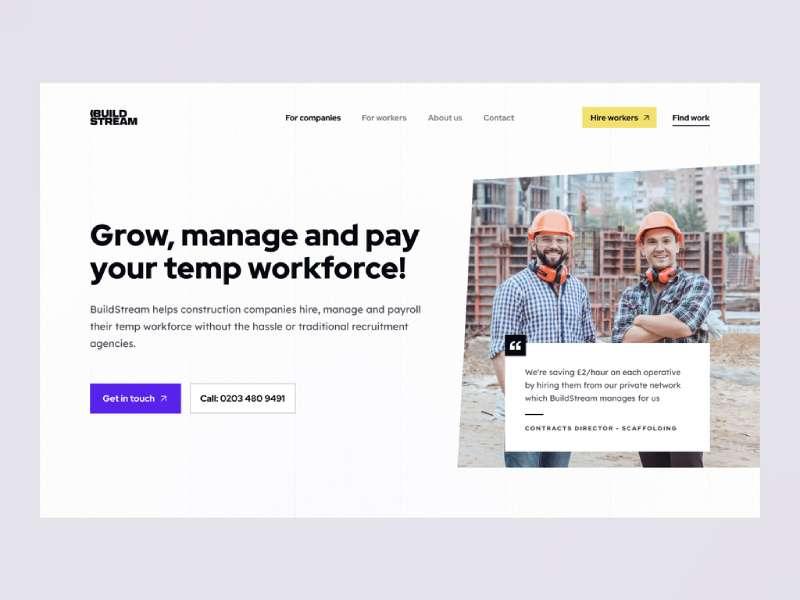
Designing for Inclusivity: Tips for Creating Accessible Products

Post pobrano z: Designing for Inclusivity: Tips for Creating Accessible Products

Designing products for universal access is an important part of creating successful and inclusive digital experiences. Ensuring that everyone can use and benefit from a product, no matter their disability or circumstances is essential for businesses looking to make their solutions available to as many users as possible. By taking into consideration accessibility guidelines when designing products, teams can create more user-friendly solutions with features tailored specifically for those with disabilities. In this post, we’ll look at tips and best practices organizations should consider designing accessible digital products that support inclusion throughout their customer base.

Understand the importance of designing for inclusivity

Designing for inclusivity is crucial in today’s diverse world. As professionals, we have a responsibility to create products and experiences that are accessible and cater to people of varying abilities, ages, cultures, and languages. ux services can help teams identify and implement the best practices for designing for inclusivity, such as creating products that are easy to use regardless of an individual’s abilities or situations. Moreover, understanding the importance of creating accessible products will help organizations ensure their solutions are equitable and inclusive for everyone.

Become familiar with accessibility standards and guidelines

In today’s digital age, accessibility is a critical element that cannot be ignored. As society becomes increasingly diverse, it is essential that everyone can access and navigate digital content, regardless of age, physical ability, or cognitive ability. Organizations must comply with accessibility standards and guidelines to ensure that everyone can access information and services equally. Familiarizing oneself with these standards and guidelines not only prevents legal issues but also improves the user experience, making digital products more accessible and user-friendly. Partner with us to guarantee universal access to information and services online. Although accessibility can be intricate, it plays an essential role for any entity or UX designer aiming to establish an all-encompassing product. Let us unite in enhancing accessibility and promoting inclusivity in the digital sphere for everyone.

Identify barriers to entry in your product design

Crafting an outstanding product requires a tremendous amount of dedication and hard work. Yet, once your design is complete, the true test commences – presenting your product to potential customers. This is when barriers to entry can become a roadblock for newcomers looking to enter and rival established companies. Let us help you navigate these obstacles and bring your product to the forefront of the market. In product design, these barriers may include financial obligations, technical skills, the absence of a unique value proposition, and legal and regulatory complexities. Studying these barriers and finding ways to overcome them is crucial for any product designer looking to launch into the market and make a lasting impact. Only by identifying and addressing these barriers can a product stand a chance of success in an intensely competitive market.

Research and implement assistive technologies into your product design

As our world becomes increasingly digital, it’s crucial to design products that meet the needs of all users. Incorporating assistive technologies, like screen readers and voice recognition software, can make your product more accessible to individuals with disabilities or other challenges. This requires thoughtful research and a willingness to learn new skills, but the benefits of inclusivity are worth the effort. By making your product more user-friendly, you’ll not only positively impact individual users but also position your brand as one that values accessibility. Additionally, you’ll be able to reach a larger audience and increase your sales. Also, implementing assistive technologies into your product design can help you stay compliant with accessibility standards and guidelines.

Develop an inclusive testing strategy to identify any areas of improvement

An effective testing plan is fundamental for project success, detecting areas in need of improvement. A thorough plan should cover all aspects, like various operating systems, browsers, and devices, ensuring seamless user experience across the board. Collaborating with various team members such as developers, testers, clients, and end-users is essential for a thorough product testing process. It leads to identifying improvement areas quickly and progressing towards successful project delivery. Moreover, it is crucial to perform accessibility testing before releasing the product to avoid potential issues. Experts recommend incorporating accessibility testing within the development process to ensure your product meets the necessary accessibility standards. Doing so will help catch any usability issues early on in the project cycle, leading to a smoother and more successful product launch.

Conduct user research to better understand the needs of all users

Effective product design requires thorough user research to fully understand the needs, behaviours, and expectations of our target audience. By gathering this information, we can customize our products and services to meet individual user needs, delivering an exceptional user experience. User research also allows us to identify areas for improvement, leading to more refined and effective designs. Furthermore, user research can inspire new ideas and innovative approaches to enhance our offerings. For truly user-centred designs that cater to a diverse audience, conducting user research is critical.

Final Thoughts

Developing a product that is accessible and inclusive is a fundamental part of the design process, allowing us to bring new and diverse voices into our products. By understanding accessibility standards and guidelines, identifying barriers to entry, researching and implementing assistive technologies, developing an inclusive testing strategy, and conducting user research, we can ensure we are providing the best possible experience for all users. At Workflow Architects ,we believe strongly in diversifying our teams and providing users from beyond our usual target demographic with experiences tailored just for them. We aim to foster an environment of inclusion in both our teams and products, so that everyone feels like they belong. It’s only when people feel included and welcomed that true innovation happens – it’s why accessibility must be at the heart of any successful product design.

The post Designing for Inclusivity: Tips for Creating Accessible Products appeared first on Designer Daily: graphic and web design blog.
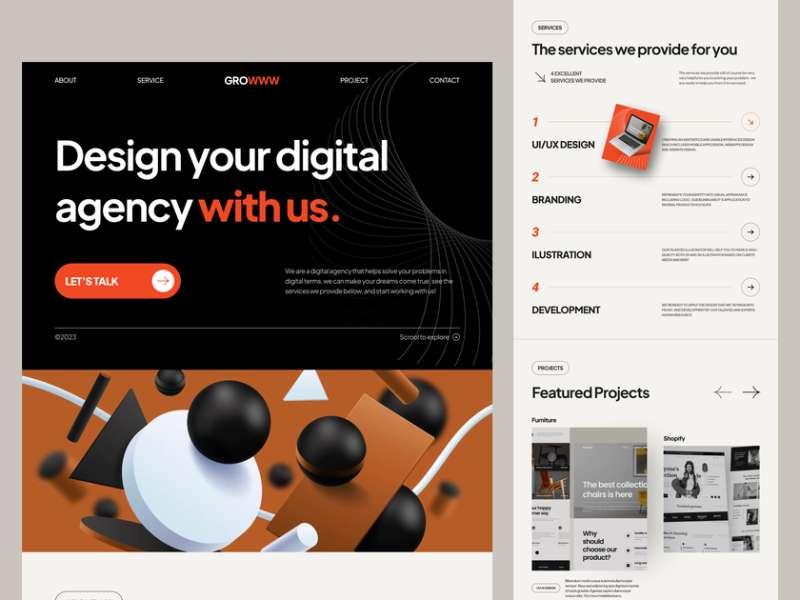
Optimizing Conversion Rates: Web Design Techniques for Home Warranty Websites

Post pobrano z: Optimizing Conversion Rates: Web Design Techniques for Home Warranty Websites

Conversion rates can make or break a home warranty website. After all, you need those sales to keep going.

In this article, we’ll explore how clever web design techniques can optimize those conversion rates and give your home warranty business the fuel it needs to succeed. Buckle up and get ready to turbocharge your website!

Tips for Optimizing Home Warranty Websites for Conversions

Keep the following when designing these websites:

1- Clear and Intuitive Navigation

Navigation is the compass that guides users through your home warranty website. By keeping it straightforward and intuitive, you provide a seamless browsing experience that helps visitors find the information they need effortlessly.

Consider a well-structured menu highlighting key sections such as coverage plans, pricing, FAQs, and contact information. Implement logical submenus to provide more detailed options, ensuring visitors never feel lost or overwhelmed. A good example is this site: www.cinchhomeservices.com/faq-library/-/faq/home-warranty-Kansas/

2- Engaging Visuals and Compelling Content

Visuals are a influential tool for capturing attention and evoking emotions. Use high-quality images that resonate with your target audience, showcasing happy homeowners, appliances, or friendly service technicians.

These visuals should complement compelling and informative content highlighting the benefits of your home warranty plans. By combining captivating visuals with persuasive copy, you create a compelling narrative that convinces visitors to take action.

3- Responsive and Mobile-Friendly Design

In today’s mobile-driven world, your home warranty website must adapt seamlessly to various screen sizes and devices. Responsive design ensures your website looks and functions flawlessly on desktops, smartphones, and tablets.

4- Streamlined Conversion Process

The path from visitor to customer should be as smooth as possible. Simplify the conversion process. Hence, you must minimize the steps required to sign up for a home warranty plan.

A clear and concise call to action must be prominently displayed throughout your website. Ensure that the form asks for only essential information and provides clear instructions for completion.

5- Trust and Credibility Factors

Building trust is vital for convincing visitors to choose your home warranty service. Incorporate trust elements throughout your website, such as customer testimonials, reviews, and ratings. Display security badges and certifications to assure visitors that their personal information is safe and secure.

6- Speed and Performance Optimization

A slow-loading website can be a turn-off for visitors. Optimize your home warranty website’s performance by compressing images, leveraging browser caching, and minimizing code. Additionally, ensure that your web hosting provider offers reliable and fast server performance. A snappy and responsive website not only enhances the user experience but also increases the likelihood of conversions.

7- Continuous Testing and Optimization

Web design for home warranty websites is not a one-and-done task. It requires ongoing testing, analysis, and optimization to achieve maximum conversion rates. Utilize A/B testing to compare design variations and determine which generate higher conversions. Analyze user behavior using heatmaps and user recordings to gain perceptions into how visitors interact with your website.

Conclusion

Effective web design techniques play a pivotal role in optimizing conversion rates for home warranty websites. So, start implementing these techniques today and watch your home warranty business thrive in the digital realm.

The post Optimizing Conversion Rates: Web Design Techniques for Home Warranty Websites appeared first on Designer Daily: graphic and web design blog.