Archiwum kategorii: Design

Indirect Forms of Solar Energy : Explained

Post pobrano z: Indirect Forms of Solar Energy : Explained

Indirect Forms of Solar Energy

Introduction to Indirect Forms of Solar Energy

As a technology enthusiast and an advocate for sustainable energy, I am always on the lookout for innovative ways to harness the power of the sun. While most of us are familiar with solar panels and their direct use of solar energy, there are also indirect forms of solar energy that are capturing my attention. These indirect forms involve using solar energy to produce other types of renewable energy, such as wind or hydropower. In this blog section, we will explore some of these fascinating technologies and their potential impact on our energy future.

Understanding the Different Types of Solar Energy

Let’s take a closer look at two popular indirect forms of solar energy: solar-wind hybrid systems and solar-hydro hybrid systems.

  1. Solar-wind hybrid systems: These systems combine the power of solar panels with wind turbines to maximize energy production. By harnessing both solar and wind energy, these systems can generate electricity even when one source is not available or producing at its maximum capacity. The combination of these two renewable energy sources allows for a more reliable and consistent power supply.
  2. Solar-hydro hybrid systems: These systems integrate solar panels with hydroelectric power generation. The sunlight is used to generate electricity, while the excess energy is used to pump water to a higher elevation. When additional power is needed, the water is released and flows through turbines, generating electricity. This method enhances the overall efficiency of the hydroelectric power plant and allows it to operate even during periods of low water flow.

By combining the strengths of different renewable energy sources, these indirect forms of solar energy offer a more diverse and reliable energy generation system. They can provide clean energy solutions that are not solely dependent on sunlight or favorable weather conditions. As we continue to advance in our understanding of solar energy technologies, these indirect forms show great promise in meeting our growing energy needs in a sustainable and environmentally friendly manner.

If you’re interested in learning more about solar energy and its various applications, check out the Wikipedia page on solar energy. It’s a great resource to dive deeper into this fascinating field.

Solar Thermal Energy: A Fascinating Indirect Form of Solar Energy

As an environmentally conscious individual, I have always been intrigued by the various ways we can harness the power of the sun. While solar panels are the most common and direct form of solar energy, there are other fascinating indirect forms that are worth exploring. One such form is Solar Thermal Energy, which utilizes the sun’s heat to generate power and provide heating solutions. Let’s take a closer look at this amazing technology.

Overview of Solar Thermal Energy

Solar Thermal Energy, also known as Concentrated Solar Power (CSP), is a renewable energy technology that utilizes mirrors or lenses to concentrate sunlight onto a receiver. The concentrated sunlight heats a fluid or a material, such as molten salt or oil, which is then used to generate steam. This steam drives a turbine connected to a generator, producing electricity. Additionally, the heat energy can be stored for later use, allowing for continuous power generation even when the sun is not shining.

Applications of Solar Thermal Energy

Solar Thermal Energy has a wide range of applications, making it a versatile and sustainable solution. Some notable applications include:

1. Power Generation: Solar thermal power plants can generate clean and eco-friendly electricity on a large scale, making them ideal for powering cities and industries.

2. Water Desalination: Solar thermal energy can be used to desalinate and purify water, providing a sustainable solution to the growing global water scarcity problem.

3. Industrial Heating: Industries can utilize solar thermal energy for heating processes, reducing their reliance on fossil fuels and minimizing their carbon footprint.

4. Space Heating and Cooling: Solar thermal systems can provide efficient heating and cooling solutions for residential and commercial buildings.

5. Solar Cooking: Solar cookers harness solar thermal energy to cook food, offering a clean and sustainable alternative to traditional cooking methods.

Here’s a table to help you compare Solar Thermal Energy to other forms of solar energy:

Form of Solar Energy Direct/Indirect Use of Sunlight Applications
Solar Panels Direct Photovoltaic (PV) Residential, Commercial, and Utility-scale Power
Solar Thermal Energy Indirect Concentrated Solar Power (CSP) Power Generation, Water Desalination, Industrial Heating, Space Heating and Cooling, Solar Cooking

It’s truly fascinating how solar energy can be harnessed in so many different ways. While solar panels dominate the renewable energy market, exploring and utilizing the potential of indirect forms like Solar Thermal Energy is crucial for a sustainable and greener future. So, let’s continue to support and invest in these innovative technologies to make a positive impact on the planet.

Photovoltaic Systems

As a {person} who is passionate about sustainable energy, I am always on the lookout for innovative ways to harness the power of the sun. When it comes to indirect forms of solar energy, one technology that stands out is Photovoltaic (PV) systems. These systems convert sunlight into electricity using semiconductors, such as silicon. In this blog section, we will explore the fascinating world of Photovoltaic systems and their various uses.

Exploring Photovoltaic Systems

Photovoltaic systems: are designed to capture solar energy and convert it into usable electricity. They consist of solar panels that contain PV cells, which generate direct current (DC) electricity when exposed to sunlight. This electricity is then converted into alternating current (AC) by an inverter, making it suitable for powering homes, businesses, and even entire communities.

Uses of Photovoltaic Systems

Photovoltaic systems have a wide range of applications and are being utilized in various sectors. Here are some of the key uses of PV systems:

  1. Residential Solar Power: Many homeowners are opting for PV systems to generate their electricity, reducing their dependence on the traditional power grid and saving on energy bills.
  2. Commercial and Industrial Applications: PV systems are also being installed in commercial buildings and industrial facilities to power operations, reducing their carbon footprint and operating costs.
  3. Remote Locations and Off-Grid Solutions: PV systems are ideal for remote locations where access to traditional electricity infrastructure is limited. They can provide clean and reliable power to off-grid communities, telecommunications towers, and research stations.
  4. Utility-Scale Solar Farms: Large-scale solar farms generate vast amounts of electricity through PV systems. These solar farms feed the generated power into the grid, contributing to the overall energy mix and reducing greenhouse gas emissions.

Here’s a table comparing some key features of residential PV systems:

Specification On-Grid System Off-Grid System
Grid Connection Yes No
Battery Backup Optional Essential
Energy Storage None Batteries
Cost Lower Higher
Energy Independence Partial Full

In conclusion, Photovoltaic systems offer an exciting means of harnessing indirect solar energy. Whether it be for residential, commercial, or utility-scale use, these systems provide a clean and sustainable source of electricity. By investing in PV systems, we can contribute to a greener future and reduce our reliance on fossil fuels. So let’s embrace the power of the sun and make a positive impact on our planet.

Wind Power

As someone who has always been interested in renewable energy, I recently discovered the fascinating world of indirect forms of solar energy. One such form is wind power, which harnesses the power of wind to generate electricity. In this blog post, I’ll explore the relationship between wind power and solar energy and discuss the advantages and applications of wind power.

The Relationship Between Wind Power and Solar Energy

Wind power: is a form of indirect solar energy because the sun’s radiation heats the Earth’s surface, causing temperature and pressure differences. These differences create wind patterns, which can be harnessed by wind turbines to generate electricity. Wind power and solar energy often work hand in hand, as they are both clean, renewable sources of energy. Many wind farms are located in areas with ample sunlight, allowing them to benefit from the interconnectedness of solar and wind power.

Advantages and Applications of Wind Power

Wind power offers several advantages, including its environmental sustainability and its potential for energy independence. Unlike fossil fuels, wind power does not produce harmful emissions or contribute to climate change. Additionally, wind power can help reduce dependence on fossil fuels, making countries less vulnerable to price fluctuations and disruptions in the global oil market.

Here’s a list of some key advantages and applications of wind power:

  • Renewable and sustainable energy source.
  • Low operating costs once the infrastructure is in place.
  • Can be utilized for both small-scale and large-scale energy production.
  • Supports rural development and job creation.
  • Reduces greenhouse gas emissions and mitigates climate change.

In conclusion, indirect forms of solar energy, such as wind power, offer promising solutions for a sustainable future. By utilizing the power of wind, we can reduce our reliance on fossil fuels and make significant strides towards a cleaner, greener world. So, let’s continue to explore and embrace these innovative sources of energy for a brighter tomorrow.

(Source: Wikipedia: Wind Power)

Hydropower

As a {tone} {person}, I’m always fascinated by the different ways we can harness energy from the sun. While solar panels are the most commonly known form of direct solar energy, there are also indirect forms that utilize natural processes to generate power. One such form is hydropower, which harnesses the energy of moving water to generate electricity.

Hydropower as an Indirect Form of Solar Energy

Hydropower is a renewable energy source that derives its power from the water cycle, which is driven by the sun’s heat. The sun’s energy causes water to evaporate from bodies of water, forming clouds. When these clouds condense, precipitation occurs, and water returns to the ground. This cycle creates the potential for hydropower generation.

Utilizing Hydropower for Electricity Generation

Hydropower plants utilize the force of moving water to turn turbines, which then generate electricity. This process is highly efficient and produces clean, emission-free energy. Many countries around the world rely on hydropower for a significant portion of their electricity needs.

Here’s a table comparing the pros and cons of hydropower:

Pros Cons
Renewable and clean Environmental impact from dam construction
Highly efficient Disruption of aquatic ecosystems
Provides reliable electricity Limited availability of suitable locations

In conclusion, while solar panels are the most well-known form of direct solar energy, it’s also important to recognize the indirect forms, such as hydropower. It’s a fascinating way to harness nature’s power and generate clean and renewable electricity. So, next time you see a flowing river or visit a hydropower plant, take a moment to appreciate the role of the sun in this indirect form of energy generation.

Biomass Energy

As a nature enthusiast, I am always on the lookout for innovative ways to harness the power of the sun. Solar energy is undoubtedly one of the most popular and direct forms of utilizing sunlight, but did you know that there are also indirect forms of solar energy? One such form is biomass energy, which has gained significant attention in recent years.

How Biomass Energy Relates to Solar Energy: Biomass energy is derived from organic matter, such as plants and plant-based materials, which have utilized the sun’s energy through photosynthesis. When these organic materials are burned or converted into biogas, heat and electricity are generated. This means that the energy stored within biomass originally came from the sun, making it an indirect form of solar energy.

To better understand the concept, here is a list of the features and details of biomass energy:

  • Biomass energy is considered renewable because it relies on constantly regrowing plants and plant-based materials.
  • It is a versatile energy source that can be used for heating, electricity generation, and even fuel in transportation.
  • Biomass energy releases carbon dioxide when burned, but the carbon emitted is roughly equal to the amount absorbed by the plants during their growth, making it a carbon-neutral option.
  • Biomass resources can vary from wood pellets and agricultural waste to dedicated energy crops like switchgrass.
  • This form of energy helps reduce dependence on fossil fuels and contributes to a greener future.

By utilizing biomass energy, we can tap into the sun’s energy stored in organic matter and reduce our carbon footprint. While it may not be as widely recognized as solar panels on rooftops, biomass energy has enormous potential as an indirect form of solar energy. So, let’s continue exploring innovative ways to harness the power of the sun and create a sustainable future.

To learn more about biomass energy and its relation to solar energy, you can visit Wikipedia’s article on Biomass.

Geothermal Energy

Being passionate about renewable energy sources, I have always been fascinated by the ways we can harness the power of the sun. While we often think of solar energy in terms of solar panels and direct sunlight, there are actually other indirect forms of solar energy that have tremendous potential. One such form is geothermal energy, which explores the geological connection to solar energy.

Exploring the Geological Connection to Solar Energy

Geothermal energy utilizes the heat generated by the sun, stored within the Earth’s crust. This heat is a direct result of the sun’s energy, making it an indirect form of solar energy. It is harnessed by tapping into natural reservoirs of hot water or steam beneath the Earth’s surface. This heat can then be converted into usable energy through various geothermal power sources such as geothermal power plants.

Geothermal Energy Applications and Benefits

Geothermal energy has various applications and offers several benefits. Here are some key features and details:

  • Heating and cooling systems: Geothermal energy can be used for residential and commercial heating and cooling systems, providing a consistent and efficient source of energy for temperature control.
  • Electricity generation: Geothermal power plants generate electricity by using the heat from geothermal reservoirs, making it a sustainable and renewable energy source.
  • Environmental benefits: Geothermal energy is a clean and renewable energy source, producing minimal greenhouse gas emissions and having a relatively low environmental impact compared to fossil fuel alternatives.
  • Cost-effectiveness: In regions with suitable geothermal resources, geothermal energy can be a cost-effective solution for energy production and heating, offering long-term savings.

Here’s a table to help you understand the comparisons:

Application Geothermal Energy Solar Energy
Source Earth’s heat Sun’s radiation
Utilization Heating, cooling, electricity generation Electricity generation, heating, lighting
Storage capacity Continuous Dependent on battery systems

In conclusion, geothermal energy is an indirect form of solar energy that harnesses the Earth’s heat, making it a unique and valuable renewable energy source. With its applications and numerous benefits, geothermal energy plays a significant role in reducing greenhouse gas emissions and offering sustainable alternatives to traditional energy sources. So, let’s continue exploring the potential of geothermal energy and its contribution to a greener future.

Key Considerations

As someone who is interested in renewable energy and wants to make a positive impact on the environment, I have been exploring different ways to harness solar power. While direct solar energy, such as solar panels, is a popular choice, there are also indirect forms of solar energy that are worth considering. These options utilize the sun’s energy in different ways to generate power. Here are some key factors to consider when evaluating indirect solar energy options:

Factors to Consider When Evaluating Indirect Solar Energy Options

1. Solar Thermal Power: Solar thermal power plants use mirrors to concentrate sunlight and generate steam, which drives a turbine to produce electricity. This technology is particularly effective in areas with high solar radiation.
2. Concentrated Solar Power (CSP): CSP systems employ mirrors or lenses to focus sunlight onto a receiver, which transfers the heat to a working fluid. This thermal energy can then be used to generate electricity.
3. Solar Water Heating: Solar water heating systems use the sun’s energy to heat water for various purposes, such as domestic use or swimming pools. These systems can significantly decrease energy consumption and reduce utility bills.4. Solar Air Heating: Solar air heating systems absorb the sun’s energy to heat air, which can then be used for space heating or other applications.5. Solar Cookers: Solar cookers harness sunlight to cook food or heat water, eliminating the need for traditional fuel sources.

These indirect forms of solar energy have their own advantages and considerations. It’s important to assess factors such as location, available resources, and energy needs when evaluating which option is the best fit. Whether you choose direct or indirect solar energy, both options contribute to reducing dependence on fossil fuels and mitigating climate change. So, let’s make the most of our abundant solar resource and embrace the power of the sun!

The post Indirect Forms of Solar Energy : Explained appeared first on LatestSolarNews.
Must-Have Tools and Tech for 3D Artists in 2023-2024

Post pobrano z: Must-Have Tools and Tech for 3D Artists in 2023-2024

The impact of emerging technologies on the world of 3D art cannot be overstated. Besides the aid of a good render farm and good optimization practices, a true tech renaissance in the field is empowering artists to work faster, smarter, and more creatively. Both AI-based and more traditional technologies are making huge strides.On the AI front, we are seeing extremely sophisticated neural networks that can analyze photos or text prompts and generate 3D models, textures, animations and other assets with increasing realism. This is massively amplifying the productivity of 3D artists.In parallel, more traditional tools in areas like VR/AR, motion capture, real-time rendering and material libraries are also evolving rapidly. Together, these AI and non-AI toolsets are transforming what is possible in 3D art.Any 3D artist looking to level up their skills needs to be leveraging these new technologies. In this post, we will explore some of the most important tools and developments that 3D creatives should have on their radar for 2023-2024.

Online Render Farm Services

Render farm services have become (and still are) an indispensable tool for 3D artists.. Rendering high-resolution frames for animation and visual effects is a resource-intensive process, requiring massive CPU and GPU power that is beyond the capabilities of a single workstation. Render farm services address this problem by providing on-demand access to a large network of servers and GPU cards, delivering the massive parallel processing power needed to render scenes quickly. 3D artists simply upload their projects to a render farm service and have the frames distributed across hundreds or thousands of servers simultaneously. This results in a massive speed up, allowing animators and VFX artists to cut rendering times from days or weeks down to hours, granting them the flexibility and turnaround needed to meet aggressive deadlines. 

Automating the Future of 3D Modeling with AI

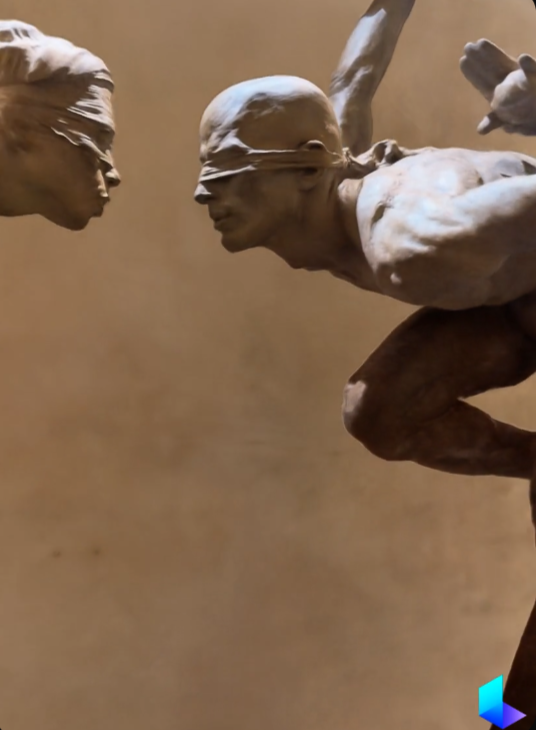
Credit: Lumalabs.ai

One of the biggest impacts we are seeing from AI is in the automation of 3D modeling. Powerful neural networks are now capable of extrapolating 3D forms from reference photos or even generating models based on text descriptions. This is supercharging model creation.

Tools like LumaAI are using deep learning to analyze videos of objects and generatively grow 3D models that match the references. With some cleanup work, artists can have basic model shapes in minutes. For character models, Reallusion’s Headshot 2 for Character Creator enables a workflow that can generate an AI portrait and turn it into a full 3d character matching the subject. This raw model can still be procedurally altered or stylized, but it provides an amazing head start, if you’ll forgive the pun. Even more advanced AI model generation tools leverage NLP or natural language processing to interpret text prompts and translate them into 3D model output. GET3D is one example using NLP to analyze text descriptions of objects and generate matching 3D models. NVIDIA’s upcoming Magic3D tool allows generating a wide range of organic and inorganic 3D mesh models simply by providing the AI with text prompts. Over time, these AI model generators will become incredibly sophisticated.

Revolutionizing Textures with AI

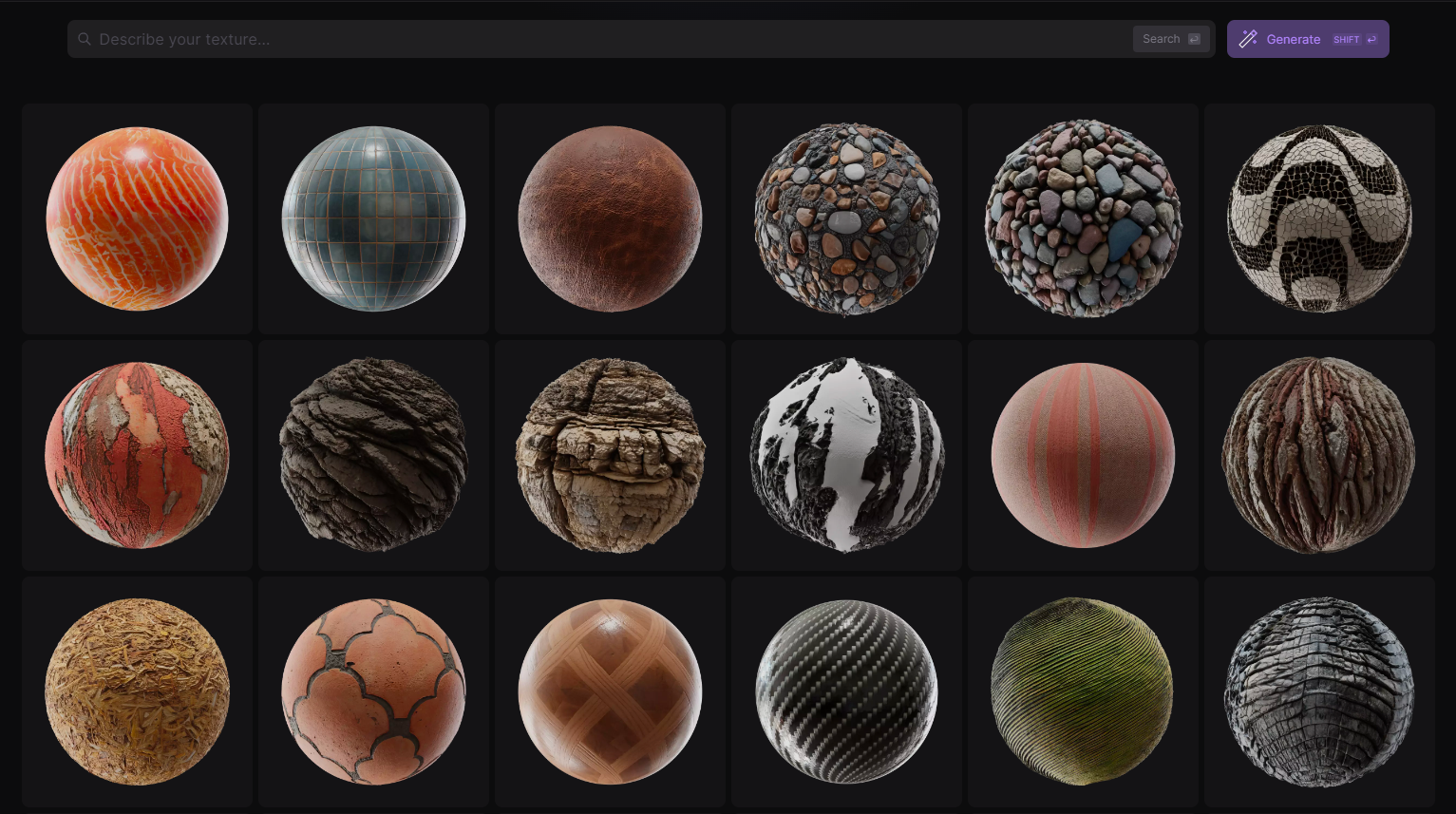
Credit: withpoly.com

Beyond 3D geometry, AI is also making huge strides in automating texture creation. Tools like Poly can generate a vast array of smart textures for surfaces, materials and environments. Users can specify texture types like fabric, wood, granite, metal, liquids and more.Taking it a step further, Poly Infinity, the Premium version of Poly, can even create production-ready 8K resolution textures rivalling hand-painted quality. The textures have incredible fine detail and variation.

The Dawn of AI assisted Animation 

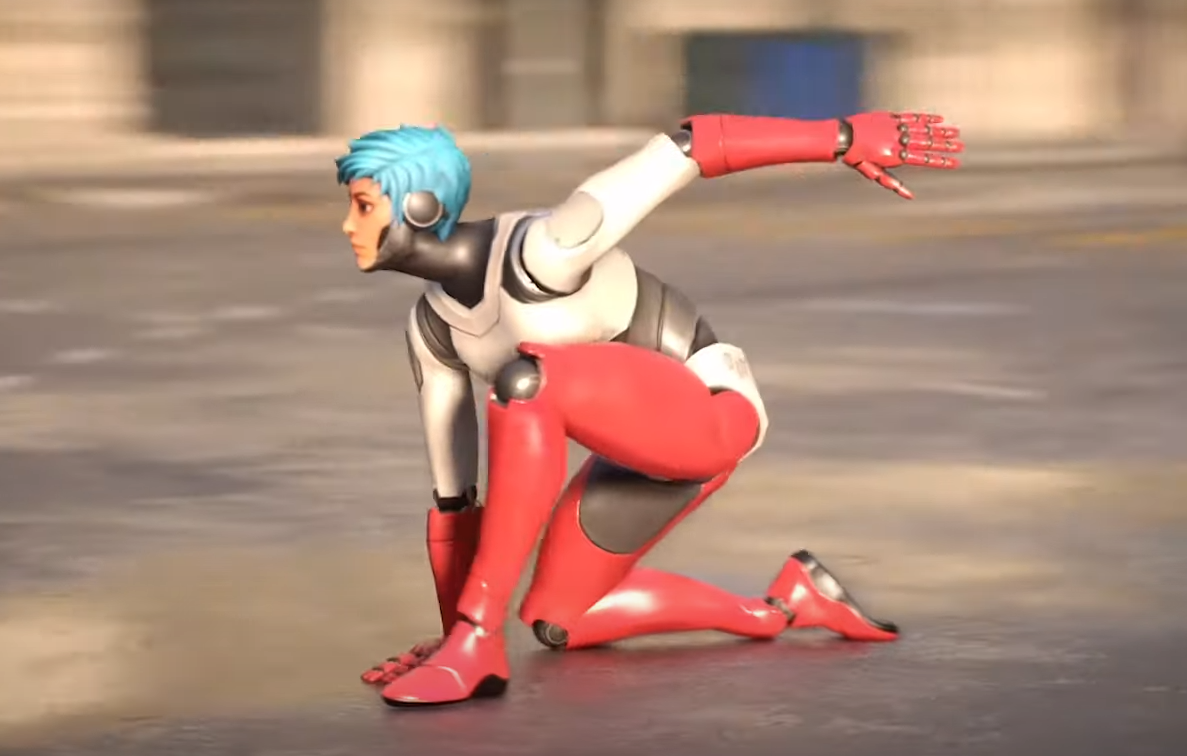
Credit: Cascadeur.com 

Generating models and textures is just the beginning. We are also seeing AI drive automation in animation.

Cascadeur leverages physics simulations and deep learning techniques to automate parts of the animation process that currently require a lot of manual effort. Their vision is that by handling the mechanical and repetitive aspects through technology, animators will be able to concentrate on the creative side of animation and produce work of higher quality and efficiency. Ultimately, Cascadeur hopes to shift animators’ work from routine tasks to the artistic and expressive facets of creating animation.AI animation assistants will only get smarter over time, allowing rapid iteration of motion studies.

Non-AI Developments: VR/AR, Motion Capture, Real-Time Rendering, Libraries

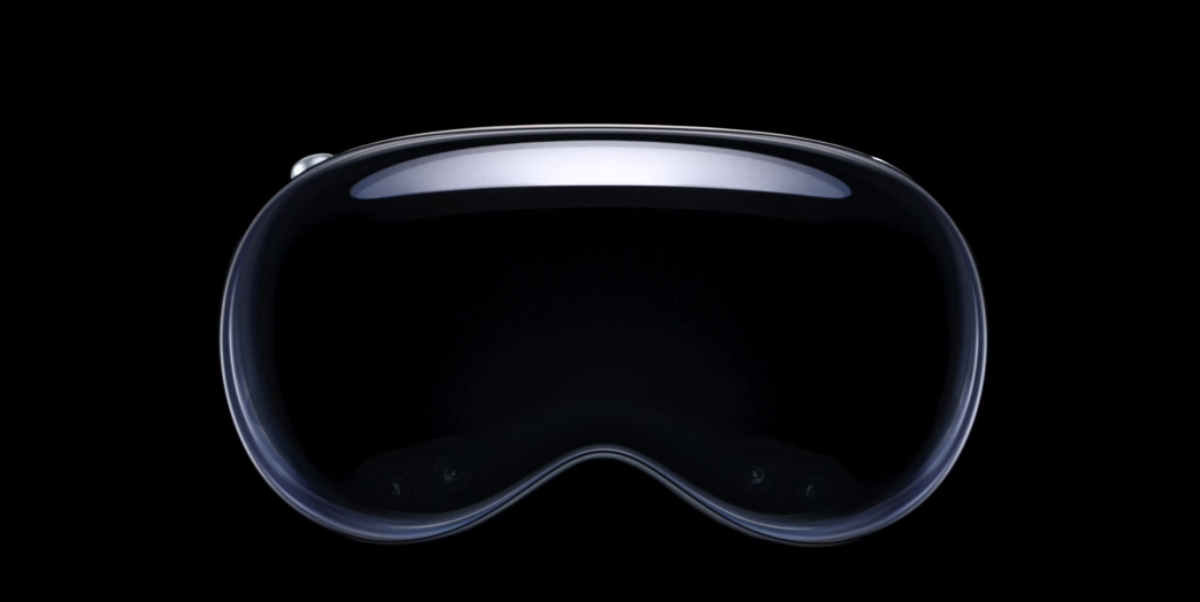
Credit: Apple Inc

Stepping aside from AI, we are also seeing many key developments in more traditional technologies that are transforming workflows.

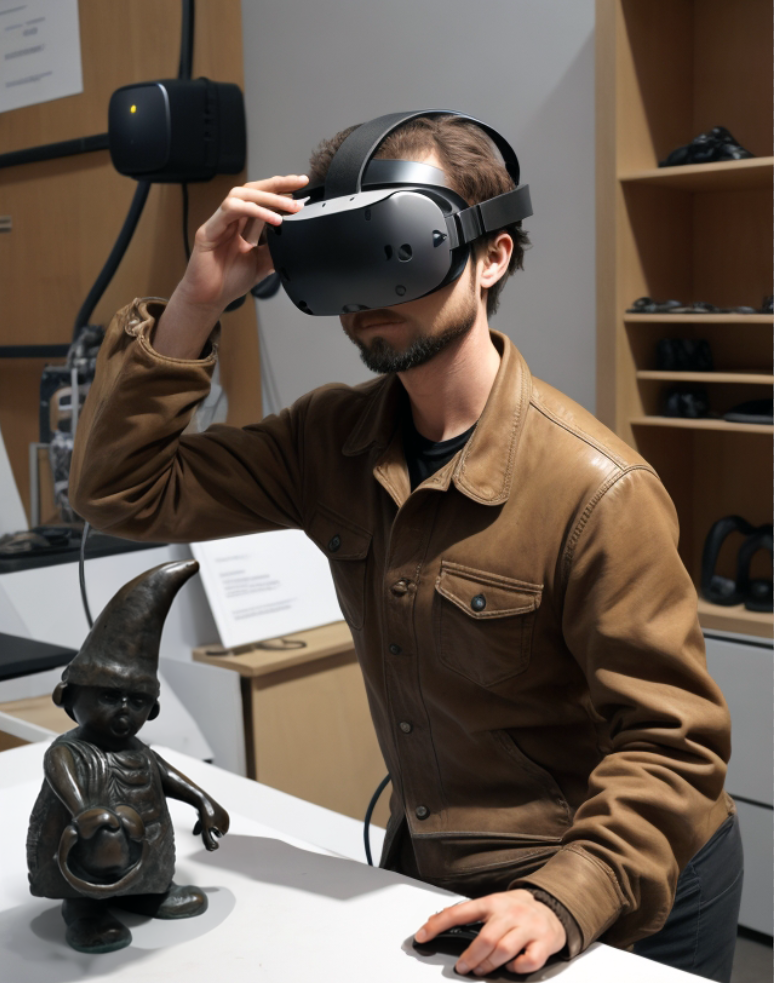
VR and AR tools for 3D modeling and sculpting continue to evolve. Working in virtual reality enables a more intuitive creative process with spatial immersion. Mixed reality headsets like the Hololens 2 or Vision Pro allow previewing digital objects in real-world contexts.

Sophisticated full body motion capture systems outfitted with machine learning are providing exponentially better data for animating realistic human motions, facial expressions and more. This benefits areas like digital humans, metaverse development and film VFX.

Unreal Engine 5 allows artists to interact and iterate in their scenes in real-time with ray-traced effects. This enables much faster turnarounds, and entire scenes can be ported to a DCC via Pixar’s Universal Scene Description (USD) file format for a final render on an artist’s preferred offline renderer.

Ever-growing material and objects libraries are also emerging. Resources like Quixel Megascans or Adobe’s Substance 3D now provide easy access to hundreds of thousands of high fidelity materials and assets to populate scenes.

Looking Ahead

The pace of advancement across both AI and more traditional technologies signals an extremely bright future for 3D artists. To stay ahead of the curve, 3D creatives need to continually assess and incorporate these emerging tools into their pipelines.

With these ever-evolving AI and non-AI tools, 3D artists have an incredible opportunity to elevate their workflows and focus more on the creative aspects. We are entering a new golden age of 3D art empowered by technology. Artists who embrace these tools will be able shape astonishing virtual worlds. 

The post Must-Have Tools and Tech for 3D Artists in 2023-2024 appeared first on Designer Daily: graphic and web design blog.

Designing for Inclusivity: Tips for Creating Accessible Products

Post pobrano z: Designing for Inclusivity: Tips for Creating Accessible Products

Designing products for universal access is an important part of creating successful and inclusive digital experiences. Ensuring that everyone can use and benefit from a product, no matter their disability or circumstances is essential for businesses looking to make their solutions available to as many users as possible. By taking into consideration accessibility guidelines when designing products, teams can create more user-friendly solutions with features tailored specifically for those with disabilities. In this post, we’ll look at tips and best practices organizations should consider designing accessible digital products that support inclusion throughout their customer base.

Understand the importance of designing for inclusivity

Designing for inclusivity is crucial in today’s diverse world. As professionals, we have a responsibility to create products and experiences that are accessible and cater to people of varying abilities, ages, cultures, and languages. ux services can help teams identify and implement the best practices for designing for inclusivity, such as creating products that are easy to use regardless of an individual’s abilities or situations. Moreover, understanding the importance of creating accessible products will help organizations ensure their solutions are equitable and inclusive for everyone.

Become familiar with accessibility standards and guidelines

In today’s digital age, accessibility is a critical element that cannot be ignored. As society becomes increasingly diverse, it is essential that everyone can access and navigate digital content, regardless of age, physical ability, or cognitive ability. Organizations must comply with accessibility standards and guidelines to ensure that everyone can access information and services equally. Familiarizing oneself with these standards and guidelines not only prevents legal issues but also improves the user experience, making digital products more accessible and user-friendly. Partner with us to guarantee universal access to information and services online. Although accessibility can be intricate, it plays an essential role for any entity or UX designer aiming to establish an all-encompassing product. Let us unite in enhancing accessibility and promoting inclusivity in the digital sphere for everyone.

Identify barriers to entry in your product design

Crafting an outstanding product requires a tremendous amount of dedication and hard work. Yet, once your design is complete, the true test commences – presenting your product to potential customers. This is when barriers to entry can become a roadblock for newcomers looking to enter and rival established companies. Let us help you navigate these obstacles and bring your product to the forefront of the market. In product design, these barriers may include financial obligations, technical skills, the absence of a unique value proposition, and legal and regulatory complexities. Studying these barriers and finding ways to overcome them is crucial for any product designer looking to launch into the market and make a lasting impact. Only by identifying and addressing these barriers can a product stand a chance of success in an intensely competitive market.

Research and implement assistive technologies into your product design

As our world becomes increasingly digital, it’s crucial to design products that meet the needs of all users. Incorporating assistive technologies, like screen readers and voice recognition software, can make your product more accessible to individuals with disabilities or other challenges. This requires thoughtful research and a willingness to learn new skills, but the benefits of inclusivity are worth the effort. By making your product more user-friendly, you’ll not only positively impact individual users but also position your brand as one that values accessibility. Additionally, you’ll be able to reach a larger audience and increase your sales. Also, implementing assistive technologies into your product design can help you stay compliant with accessibility standards and guidelines.

Develop an inclusive testing strategy to identify any areas of improvement

An effective testing plan is fundamental for project success, detecting areas in need of improvement. A thorough plan should cover all aspects, like various operating systems, browsers, and devices, ensuring seamless user experience across the board. Collaborating with various team members such as developers, testers, clients, and end-users is essential for a thorough product testing process. It leads to identifying improvement areas quickly and progressing towards successful project delivery. Moreover, it is crucial to perform accessibility testing before releasing the product to avoid potential issues. Experts recommend incorporating accessibility testing within the development process to ensure your product meets the necessary accessibility standards. Doing so will help catch any usability issues early on in the project cycle, leading to a smoother and more successful product launch.

Conduct user research to better understand the needs of all users

Effective product design requires thorough user research to fully understand the needs, behaviours, and expectations of our target audience. By gathering this information, we can customize our products and services to meet individual user needs, delivering an exceptional user experience. User research also allows us to identify areas for improvement, leading to more refined and effective designs. Furthermore, user research can inspire new ideas and innovative approaches to enhance our offerings. For truly user-centred designs that cater to a diverse audience, conducting user research is critical.

Final Thoughts

Developing a product that is accessible and inclusive is a fundamental part of the design process, allowing us to bring new and diverse voices into our products. By understanding accessibility standards and guidelines, identifying barriers to entry, researching and implementing assistive technologies, developing an inclusive testing strategy, and conducting user research, we can ensure we are providing the best possible experience for all users. At Workflow Architects ,we believe strongly in diversifying our teams and providing users from beyond our usual target demographic with experiences tailored just for them. We aim to foster an environment of inclusion in both our teams and products, so that everyone feels like they belong. It’s only when people feel included and welcomed that true innovation happens – it’s why accessibility must be at the heart of any successful product design.

The post Designing for Inclusivity: Tips for Creating Accessible Products appeared first on Designer Daily: graphic and web design blog.

Optimizing Conversion Rates: Web Design Techniques for Home Warranty Websites

Post pobrano z: Optimizing Conversion Rates: Web Design Techniques for Home Warranty Websites

Conversion rates can make or break a home warranty website. After all, you need those sales to keep going.

In this article, we’ll explore how clever web design techniques can optimize those conversion rates and give your home warranty business the fuel it needs to succeed. Buckle up and get ready to turbocharge your website!

Tips for Optimizing Home Warranty Websites for Conversions

Keep the following when designing these websites:

1- Clear and Intuitive Navigation

Navigation is the compass that guides users through your home warranty website. By keeping it straightforward and intuitive, you provide a seamless browsing experience that helps visitors find the information they need effortlessly.

Consider a well-structured menu highlighting key sections such as coverage plans, pricing, FAQs, and contact information. Implement logical submenus to provide more detailed options, ensuring visitors never feel lost or overwhelmed. A good example is this site: www.cinchhomeservices.com/faq-library/-/faq/home-warranty-Kansas/

2- Engaging Visuals and Compelling Content

Visuals are a influential tool for capturing attention and evoking emotions. Use high-quality images that resonate with your target audience, showcasing happy homeowners, appliances, or friendly service technicians.

These visuals should complement compelling and informative content highlighting the benefits of your home warranty plans. By combining captivating visuals with persuasive copy, you create a compelling narrative that convinces visitors to take action.

3- Responsive and Mobile-Friendly Design

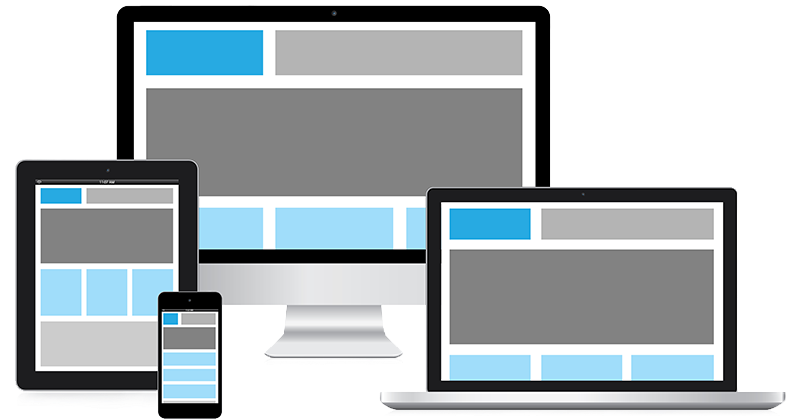
In today’s mobile-driven world, your home warranty website must adapt seamlessly to various screen sizes and devices. Responsive design ensures your website looks and functions flawlessly on desktops, smartphones, and tablets.

4- Streamlined Conversion Process

The path from visitor to customer should be as smooth as possible. Simplify the conversion process. Hence, you must minimize the steps required to sign up for a home warranty plan.

A clear and concise call to action must be prominently displayed throughout your website. Ensure that the form asks for only essential information and provides clear instructions for completion.

5- Trust and Credibility Factors

Building trust is vital for convincing visitors to choose your home warranty service. Incorporate trust elements throughout your website, such as customer testimonials, reviews, and ratings. Display security badges and certifications to assure visitors that their personal information is safe and secure.

6- Speed and Performance Optimization

A slow-loading website can be a turn-off for visitors. Optimize your home warranty website’s performance by compressing images, leveraging browser caching, and minimizing code. Additionally, ensure that your web hosting provider offers reliable and fast server performance. A snappy and responsive website not only enhances the user experience but also increases the likelihood of conversions.

7- Continuous Testing and Optimization

Web design for home warranty websites is not a one-and-done task. It requires ongoing testing, analysis, and optimization to achieve maximum conversion rates. Utilize A/B testing to compare design variations and determine which generate higher conversions. Analyze user behavior using heatmaps and user recordings to gain perceptions into how visitors interact with your website.

Conclusion

Effective web design techniques play a pivotal role in optimizing conversion rates for home warranty websites. So, start implementing these techniques today and watch your home warranty business thrive in the digital realm.

The post Optimizing Conversion Rates: Web Design Techniques for Home Warranty Websites appeared first on Designer Daily: graphic and web design blog.

Using Video in Web Design To Create Engaging Experiences

Post pobrano z: Using Video in Web Design To Create Engaging Experiences

Let’s talk about web design, the magical behind-the-scenes world that transforms pixels into experiences. It’s all about the vibe, you know? The visual personality of the web and how it makes you feel as you navigate your digital journey. And a major player in this? Video in web design.

Yeah, you heard it right. Videos, those moving pictures that have taken over the world. They’re not just for YouTube or Instagram anymore. They’ve firmly planted their flag on the terrain of web design and they’re not going anywhere. Why, you ask? Because they’re game-changers, my friend.

But let’s break it down a bit further.

Web Design and User Experience

Think about your favorite website. What pulls you in? Is it the colors? The simplicity? Or maybe it’s that cool animation that pops up when you least expect it.

It’s all part of user experience. Good web design isn’t just about looking pretty. It’s about creating an experience that’s intuitive and enjoyable. And video? Well, video just puts it all on steroids.

Why Video?

Now, why is video in web design such a big deal? It’s about connection. Video allows you to create experiences that are closer to real life.

You can show, not just tell. It’s like inviting your audience into your world, letting them see what you see, feel what you feel. That’s the kind of connection you need in this digital age.

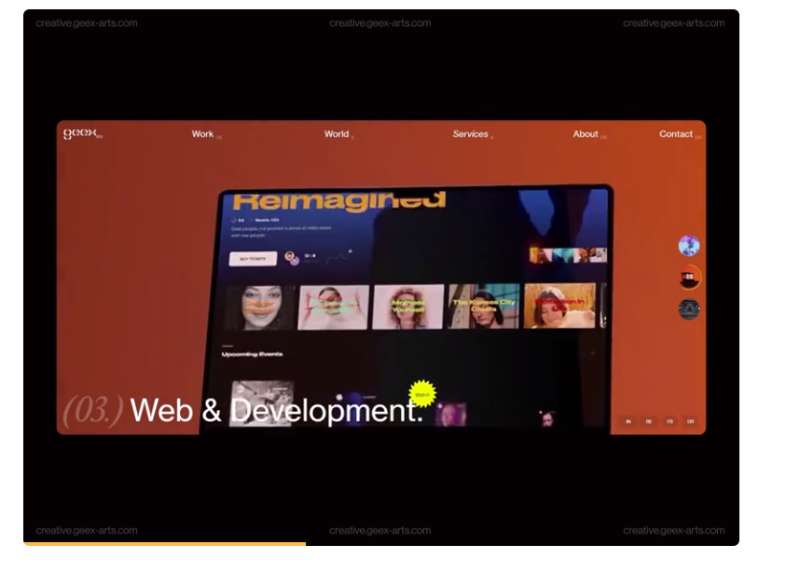
Using video to convey a compelling narrative is like taking your audience on a visual journey. Much like in photography, each frame, each scene, each moment tells a story. Don’t believe me? Take a look at these captivating photographer website designs. You’ll see just how powerful visuals can be when it comes to storytelling

The Power of Video in Web Design

Alright, enough of the chit-chat. Let’s dive into the real stuff. How does video actually beef up your web design game? Let’s talk about it.

Visual Storytelling: Connecting on a Deeper Level

Everyone loves a good story, right? Stories connect us, inspire us, and make us feel like we’re part of something bigger. And guess what? Video does exactly that. When used correctly in web design, video becomes a powerful storytelling tool.

Imagine landing on a website, and the first thing you see is a video showcasing how a product changes lives. Or maybe it’s a montage of the team behind a brand, showing their passion, their sweat, their laughter. That’s a story right there. That’s emotion. That’s what makes your audience stick around.

Increasing Engagement: It’s Time to Interact

Websites are no longer just digital brochures. They’re platforms for interaction. And video in web design? It’s the master of interaction.

Embed a video, and you’re not just feeding information, you’re creating a two-way street. Users pause, play, rewind, share. They interact. They engage. And every interaction makes them more invested in your story, your brand.

Even better, you can use video to gather feedback, spark discussions, and create a community around your brand. That’s how you make your audience part of your journey.

Enhancing the Overall User Experience: Make It Worth Their While

Good web design is about creating enjoyable, intuitive experiences. Remember our chat about user experience? Yeah, we’re back there. Because that’s the cornerstone of web design. And video? Video is like the cherry on top.

Add a video, and you’re not just providing information. You’re creating an experience. Your audience can see your product in action, understand your mission on a deeper level, or simply enjoy a bit of entertainment.

Moreover, you can use video to make website navigation easier. How about a quick video tour of your website? Or a video guide to using a complex feature? It’s like having a friendly guide in this digital world, always ready to help.

So, that’s how video in web design can transform user experiences. It captivates, it engages, it enhances. It’s powerful. It’s necessary. And honestly, it’s just super cool.

Decoding the Types of Videos in Web Design

Alright, so we’ve established how awesome videos are for web design. But let’s get real, not all videos are created equal. Different types of videos serve different purposes in the vast universe of web design. Let’s dive into some of the most popular ones.

Background Videos: Bringing Your Design to Life

Picture this: You land on a website and the entire backdrop is a stunning video panorama of a mountain range, with clouds gently rolling in. It’s alive, it’s moving, it’s there. You’re no longer just on a website, you’re part of a scene, a story.

That’s the power of background videos. They can completely transform the vibe of your website, making it feel alive and dynamic. It’s like painting your canvas with moving images, and trust me, it leaves an impression.

Ever thought about adding some dynamism to your website with Background videos? These videos play silently in the background, adding a layer of depth and intrigue to your design. But don’t just take my word for it, check out these stunning websites with video backgrounds. You’ll see what I’m talking about.

Product Showcase Videos: Let Your Product Do the Talking

Ever been on an online shopping spree and found yourself wishing you could see the products in action? Enter product showcase videos.

It’s one thing to see a static image of a product, it’s another thing entirely to watch it being used, to see it in action. A static image shows you what it is, a video shows you what it does. And in web design, this can make a huge difference.

Imagine a video that shows you just how comfy a chair is or how efficiently a kitchen gadget chops veggies. It’s engaging, it’s informative, and it does a bang-up job of showing off your product.

Video Headers and Hero Sections: Making a Statement

First impressions matter, right? Especially on the web where users decide in seconds whether to stay or bounce. A well-crafted video header or hero section can stop users in their tracks. It’s your chance to make a big, bold statement right off the bat.

Imagine a video playing right at the top of a website, showcasing the impact of a charity’s work or highlighting the unique craftsmanship of a product. It sets the tone, it captures attention, and it communicates your key message in a powerful way.

Video headers and hero sections are not just decorative elements. They’re your headline act, the opening scene of your story. And if done right, they can be a game-changer for your web design.

The Expanding Universe of Videos in Web Design

So we’ve explored some cool ways to use video in web design, but wait, there’s more! This party is just getting started. Let’s dive into a couple of more video types that can level up your web design game.

Video Testimonials and Reviews: Word of Mouth in the Digital Age

People trust people. That’s a fact as old as time. And in the world of web design, nothing leverages this trust more effectively than video testimonials and reviews.
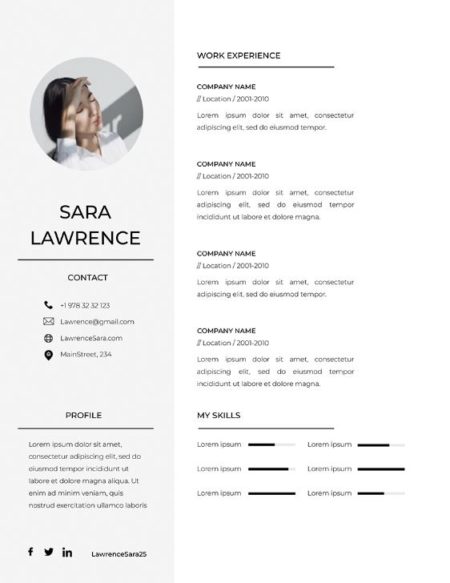
Imagine landing on a website and seeing a video testimonial from a real-life customer, sharing how a product made their life better. Or watching a video review of a service from a trusted influencer. That’s some powerful stuff right there.

These videos create a sense of authenticity and credibility that words alone can’t match. They’re social proof in its most engaging form. And when incorporated in your web design, they can do wonders for your brand’s trustworthiness.
Tutorial and Instructional Videos: Because Showing is Better Than Telling

Sometimes, words just aren’t enough. Sometimes, you need to show, not tell. And that’s where tutorial and instructional videos come in.
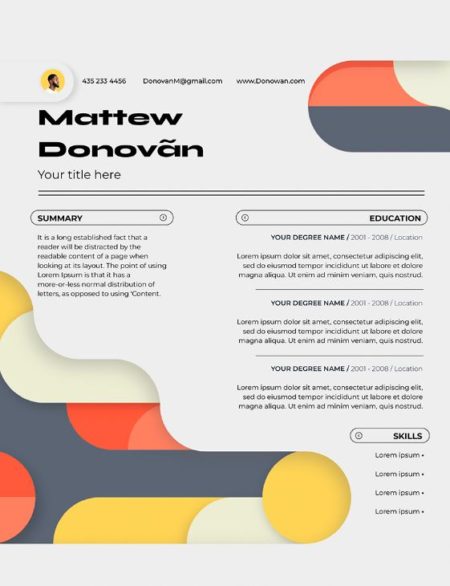
Whether it’s a step-by-step guide on how to use a product, or a tutorial on how to navigate your website, these videos are all about user empowerment. They provide visual guidance that’s both engaging and easy to understand.

Think about it. Would you rather read a 1000-word article on how to assemble a piece of furniture, or watch a 5-minute video showing you exactly how to do it? Yeah, me too.

In the realm of web design, these videos can drastically improve user understanding and enhance the overall user experience. And honestly, they just make life easier.

And there you have it, a deeper dive into the types of video in web design. From adding dynamism with background videos to building trust with testimonials, videos truly are a web designer’s best friend.

Fine-Tuning the Art of Video in Web Design

Okay, so we’ve talked about the ‘why’ and ‘what’ of using video in web design. It’s now time to delve into the ‘how’. How do you ensure your videos are not just stunning, but also seamless, accessible, and responsive? Let’s unravel some best practices.

Smoother than Smooth: Optimizing Video Loading and Playback

First thing’s first, no one likes a video that stutters more than it plays. So, optimizing your video for smooth loading and playback is an absolute must. Choose the right formats and codecs that offer a good balance between quality and file size.

Remember, your video is part of the design, not a speed bump in the user experience. Make it light, make it smooth. It’s like tuning a guitar, get the right balance and you’ll hit the sweet spot.

Accessibility and Compatibility: Because Everyone Deserves the Best Experience

Every user deserves the same seamless experience, regardless of how they’re accessing your site. This means your videos need to play nice with all devices and browsers. Plus, they should include captions and subtitles. It’s not just about reaching more people, it’s about creating an inclusive experience. It’s the web, it’s for everyone.

Respecting the Bandwidth: Keep it Light, Keep it Fast

Performance is king in the web design world. So while we want to wow our audience with stunning videos, we also need to respect their bandwidth. Compress your videos, implement lazy loading, use caching techniques. It’s like a delicate dance, balancing beauty and performance.

Video Responsiveness: One Size Does Not Fit All

The web is diverse, just like the devices people use to surf it. Your videos should be designed to adapt to different screen sizes and resolutions. Think fluid grids, flexible video containers. Your videos should look great, whether they’re being watched on a 27-inch monitor or a 5-inch smartphone.

And there you have it, some of the best practices for using video in web design. Videos are powerful tools in web design, but like any tool, they need to be used correctly. Remember, the goal is to enhance the user experience, not hinder it. So keep these best practices in mind, and you’ll be well on your way to creating an engaging and inclusive web experience.

Wrapping it Up: The Role of Video in Web Design

Alright, we’ve covered a ton of ground, right? Time to bring it all together.

In the dynamic world of web design, video is an ace up your sleeve. It’s more than just a nice-to-have. It’s a game-changer, a medium with the power to enhance user experience, tell compelling stories, and make your website come alive in the minds of your visitors.

Through visual storytelling, videos captivate audiences and create emotional connections. It’s like crafting your narrative and sharing it with the world, with each video element adding depth and dimension to your story.

In essence, video in web design is not a fad, it’s the future. It’s a tool that when used creatively and wisely, can turn your web design into a piece of art that engages, informs, and inspires. And if you want a glimpse into that future, check out these innovative VR websites. After all, it’s always a good idea to stay ahead of the curve.

The post Using Video in Web Design To Create Engaging Experiences appeared first on Designer Daily: graphic and web design blog.

Seamless Solutions: Mastering Cross-Platform Mobile App Design for Enhanced User Experiences

Post pobrano z: Seamless Solutions: Mastering Cross-Platform Mobile App Design for Enhanced User Experiences

In today’s tech-savvy world, users effortlessly transition between devices and platforms as part of their daily lives. This has given rise to a growing need for outstanding cross- and multi-platform solutions. Designers can no longer concentrate solely on a specific operating system; instead, they strive to craft clear and captivating experiences that transcend the boundaries of certain platforms. As our interconnected world keeps on developing, the mastery of cross-platform app design is no longer optional but essential for achieving success.

Unlocking simplicity: embracing cross-platform design

Simplicity is a prized virtue, and the IT sector is no exception. It makes it easier for specialists working on software products to carry out tasks more efficiently and expands the reach of their solutions. Cross-platform mobile app design is a good way to secure this important feature in digital platforms. 

The primary objective of cross-platform app design is to create uniform interfaces and seamless experiences across diverse platforms. This entails ensuring the smooth performance of an application on various operating systems. By leveraging shared codebases, vital assets, and standardized elements, specialists strive to establish a consistent and intuitive experience that remains familiar and cohesive to users, irrespective of the specific device or platform they employ.

It comes with numerous advantages:

Consistency

With cross-platform design, people get similar UX and UI, regardless of what hardware capacities they have or what software product they use. Everything is clear and familiar, and it’s very easy to handle such apps. 

Perfect teamwork 

Cross-platform app design fosters collaboration between programmers and designers. Professionals work closely together, leveraging shared assets and achieving a unified vision. Teams that share a single codebase and understand the app’s principles will have improved communication.

Impeccable experience

This approach allows for uniformity and consistency, irrespective of the usage scenario. People switch between devices without experiencing a jarring transition. 

Rapid prototyping and QA activities

Going cross-platform implies rapid prototyping and testing. Professionals rapidly revise and test their concepts, collecting important opinions and making the required changes.

Scalability

With cross-platform design, systems show enhanced scalability. All platforms can be quickly updated with the latest features and changes, ensuring a consistent experience for all users and reducing fragmentation.

Cross-platform and multi-platform design: meaningful distinctions

There are important distinctions between cross-platform and multi-platform design systems. The concepts sound pretty similar, and lay users may not know the differences. But specialists working on software projects must be fully aware of them to achieve significant outcomes. 

The main objective of cross-platform development is to build a digital solution that runs on a variety of platforms, like Android and iOS, with the same codebase. This is reflected in the design as well:

Uniformity

Ensuring a consistent experience is of utmost importance. Designers play a crucial role in achieving this by ensuring that visual elements, interactions, and navigation are in line with the specific requirements of this or that platform.

Platform constraints

Features and capabilities tend to be consistent between cross-platform frameworks. Designers have to be conscious of their limitations and boundaries to make sure the user experience is seamless on different devices.

Professionals involved in multi-platform design systems create separate software products for each platform, addressing the needs of each OS they are working with. They should thoroughly examine Android and iOS capacities to achieve optimal results. 

This approach influences design in the following ways:

Platform-specific customization

Multi-platform design implies that professionals work with the requirements of each platform in mind. The key goal here is to preserve platform-specific guidelines and ensure comfort, appealing app appearance, and ease of use. 

Design language adaptation

Each platform has its own visual identity, so the language and branding must respond to it. Designers can employ specific elements and still maintain their brand’s overall coherence. They should keep in mind even minor details to secure the best possible result. 

Enhanced user experience

By examining each platform individually and adapting it to align with specific behaviors and user preferences, designers have the opportunity to enhance the overall experience. This approach enables greater customization and improvement of the app’s functionality. 

So, cross-platform design aims for outer consistency, while multi-platform design prioritizes familiarity. Designers face the challenge of finding a harmonious equilibrium between upholding a unified brand identity and accommodating users’ platform-specific expectations.

Key principles to follow

Crafting a user-centric experience

If you embark on a cross-platform UI design journey, you should delve deep into the psyche of your target audience. To truly captivate their attention and cater to their needs, try to obtain a comprehensive understanding of their preferences, behaviors, and pain points. By acquiring valuable insights through meticulous user research, surveys, interviews, and rigorous testing, you will be equipped with the knowledge to make sound decisions and craft an app that resonates with your users.

Begin by delving into the identities of people who will work with your software product. Who are they? What is their motivation? If you examine their goals and dreams thoroughly, you will be able to offer a cross-platform UI design that fully responds to their wishes and needs.

The devices and platforms people use for work or daily activities are numerous. And you must perfectly know who you want to address. Do you want to build an app for Android or iOS audiences? Maybe your potential clients will use your product through web browsers? Perhaps they need progressive web apps? If you understand their preferences, you will easily optimize your UI for various use scenarios, ensuring a comfortable and intuitive experience.

However, the user-centric approach doesn’t stop at demographics and specific OSs. It requires direct engagement with people who use your product, listening attentively to their opinions on its performance and considering their ideas. By gathering real-life stories, you can detect problems, uncover hidden opportunities, and refine your UI to deliver an extremely efficient solution. The best product is always the one that speaks to as many users as possible. 

What’s more, by putting emphasis on the preferences of your users, you are profiting as well. The app will enjoy market demand and bring you revenue. 

Strengthening trust with consistency

Establishing consistency across platforms is paramount in cultivating user confidence and strengthening brand recognition. This strategy helps organizations strengthen their identity and effectively enhance brand visibility among their clientele.

This requires following strict brand guidelines. These instructions give designers a clear path to take and secure comfort for end users. Professionals elaborate on a unified visual language by using similar font sizes, colors, and structures. All this results in a unified flow and increased comfort of use. 

Such an approach not only increases the outer appeal of a digital product but contributes to better involvement. People appreciate the sensation of familiarity when they use different products. Their confidence becomes a major benefit for your business. 

Additionally, implementing this principle into life makes it easier for users to switch between products or buy new devices. They can carry out their tasks without having to relearn or adjust to absolutely unfamiliar models.

With ongoing tech advancements and frequent updates, specialists should frequently return to and revise the guidelines to embrace meaningful modifications. Digital products will thus be aesthetically pleasing and fully in line with what people demand.

The importance of continuity

Continuity boosts cohesion. If components are thoughtfully arranged and consistent everywhere, this means an easier journey for users, regardless of what device they are working with at a particular moment.  

Its significance becomes apparent as people switch platforms. A sensation of harmony is increasing their satisfaction. Imagine a scenario where people visit a company’s website on their smartphone and later switch to a PC session. Continuity is of pivotal importance in maintaining familiarity and diminishing friction. It gives users a chance to perform any tasks efficiently and uninterrupted, retrieve information, and complete their desired actions without any hindrance.

To implement this strategy into practice, specialists pay meticulous attention to the arrangement and alignment of vital elements. By following the same patterns and structures, users can move between platforms without a hitch, feeling comfortable in an environment they know well and that works flawlessly.

Continuity not only makes users happy but also strengthens the company’s identity and integrity. Everything is well-thought-out, and each detail has a meaning. So, using a product becomes a breeze. As a result, there grow deeper connections between people and businesses. 

Furthermore, continuity demonstrates a company’s commitment to its audience and attention to detail. This way, businesses showcase their dedication to creating a unified experience and speak to various user groups simultaneously. Such commitment resonates with people as they appreciate being thought of.

Adapting to user context

For IT professionals designing software solutions, it’s essential to be aware of the context and adapt to it. Knowing that people use each device differently allows designers to create specific experiences that fit different contexts. No matter if someone is reading emails on their cell phone while commuting or looking at the same information on a computer, the context-driven approach allows for flexibility and adaptability across devices.

Imagine a person traveling on a bus or train. They would sooner rely on their mobile phone to view and respond to emails, profiting from the convenience and portability of this device. In such a scenario, the same person may not find this task convenient using a computer. Designers can improve the UX by recognizing and using potential scenarios, and also by considering the unique abilities and restrictions of every device.

Interfaces and interactions must be crafted in a flexible way, helping people to carry out their tasks without much difficulty. Optimizing page layouts for various screen sizes could be a part of this. Thus, specialists make sure mobile users have the essential features they need while they’re on the go or offer desktop users greater multitasking abilities with more space on their screens. 

Phone and tablet differences are also important when building mobile solutions. Screen sizes may vary significantly, which implies various scenarios of use and various context. 

By considering meaningful discrepancies, professionals secure experiences that feel familiar and personalized. They can predict users’ needs and give appropriate features and information based on the platform and context of use. This improved adaptability makes users happier and propels engagement and productivity.

Employing the potential of complementarity

When implementing cross-platform design in software systems, specialists put a special emphasis on complementarity. No matter PC or mobile, the key aim is to use the unique strengths and limitations of each platform to secure a harmonious user experience.

A desktop design typically goes with enhanced screen space, allowing for elaborate functionality, many more details, and intricate elements. However, when translating this to a mobile device, professionals must condense these elaborate features into a compact form. The difficult part is to keep the core of the desktop design and adjust it to the limitations of a smaller screen.

The collapsed design on a phone or tablet must encapsulate essential elements and features present in the desktop version. By carefully selecting and prioritizing them, specialists make sure that the mobile experience remains true to the company’s image and offers a simple transition for users. Such a complementary approach helps people to use core features and information on their mobile devices without feeling overwhelmed or constrained by the smaller screen size.

Conversely, expanding elements from a phone to a desktop version presents another facet of complementarity. Designers can improve the UX and UI by using the additional space. This expansion helps them include more extensive content, richer interactions, and impeccable visuals. Utilizing a more extensive area can help designers construct a more interactive and fascinating experience that is in line with the usability and comfort of a mobile design.

To thrive in their endeavors, experts must conscientiously deliberate on the fundamental essence and intent of diverse components as they traverse across platforms. This necessitates a deep comprehension of user requirements, behaviors, and interactions. By discerning the intrinsic value of each element, they can make sound choices regarding how to tailor and amplify them, culminating in a coherent and seamless user experience.

Wrapping up

Mastering cross-platform app design is a must if you want to make a successful product. By delving into the depths of user requirements, leveraging appropriate tools, and adhering to the basic rules, designers unlock limitless possibilities for building visually appealing and intuitive apps. 

The post Seamless Solutions: Mastering Cross-Platform Mobile App Design for Enhanced User Experiences appeared first on Designer Daily: graphic and web design blog.

30+ Amazing Job Resume Templates in Google Docs and Word

Post pobrano z: 30+ Amazing Job Resume Templates in Google Docs and Word

Are you looking for a custom template for your resume? Do you want an option specially created for your profession, or do you want a versatile preset? It doesn’t matter! We offer you to check the best, most modern, unique, and detailed job resume templates in Google Docs and Word! We have prepared a selection of stunning templates for various professions and adaptable options that will suit any position. Start using it now and find a new high-paying job easier and without wasting time creating a resume design!

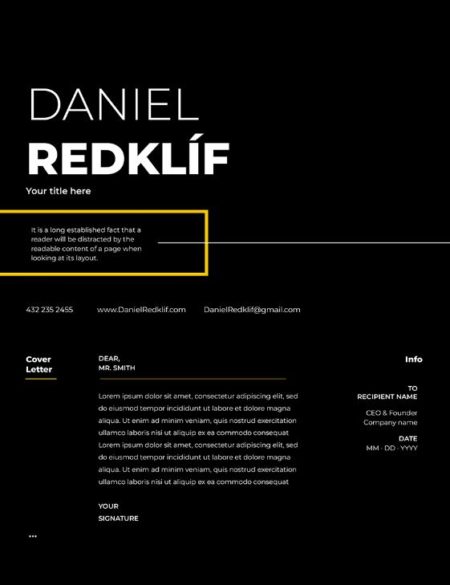
Free Fashion Model Dark Resume Template

Building a successful modeling career requires a great resume and portfolio design. However, creating a professional resume can be challenging, especially for those who are not designers. The free fashion model dark resume template offers a unique layout in dark colors and a matching design that can help models secure new contracts.

Free Nurse Light Grey Resume Template

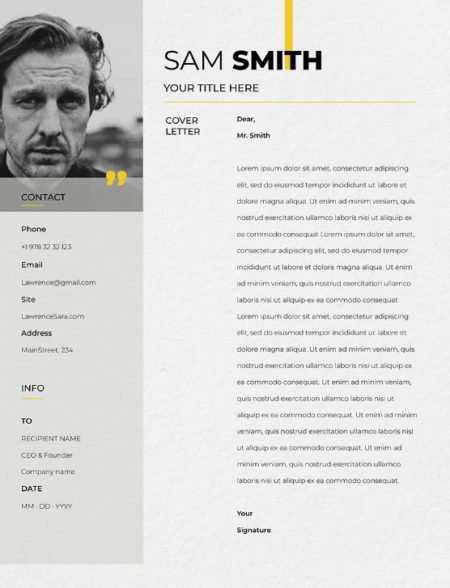
Looking to start or advance your career as a nurse? Then you’ll need a standout resume and cover letter design. This design is a modern and stylish option that can help you land a job in any private or public clinic. With its ready-made two-page structure and cover letter design, you can easily add your information and customize the template to your liking.

Free Actor Black Resume Design

If you are an actor and looking for new opportunities, this template is a great option for you. It allows you to create an impressive resume without any design experience. You can easily add your education, skills, and experience to the finished design and customize it according to your preferences. With this template, you can showcase your talents and stand out from the competition.

Free Artist Dark Resume

Looking for a new career in the arts? Consider this resume template available in Google Docs and Word. This professionally designed template is perfect for artists of all kinds, including those looking to act on the theater stage. With a sleek and modern design, the template is easy to customize and comes ready-made with all the necessary elements.

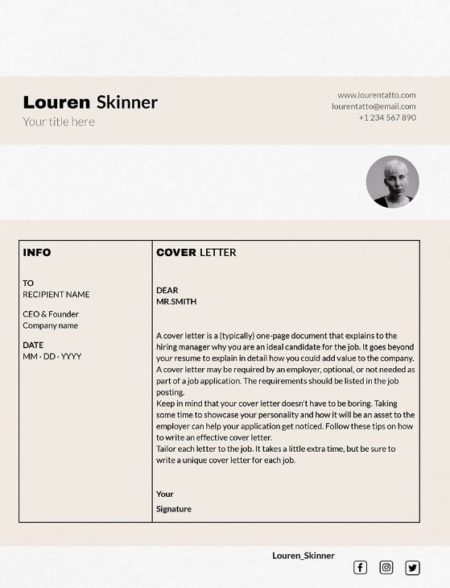
Free Job Light Grey Resume Template

Stand out from other job applicants with this unique and free template. It’s easy to access and use, with the option to work online or offline using popular text editors like Word and Google Docs. The template’s clean and modern design is sure to catch the attention of any potential employer.

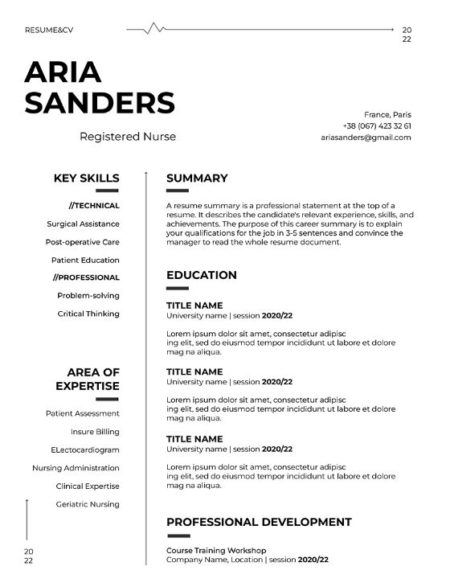
Free Registered Nurse White Resume Design

When applying for a nursing position, having a well-designed resume that highlights your skills and qualifications is crucial. That’s where the registered nurse resume template comes in. This unique template offers a simple yet elegant design with a white background that perfectly emphasizes all of your talents and experience.

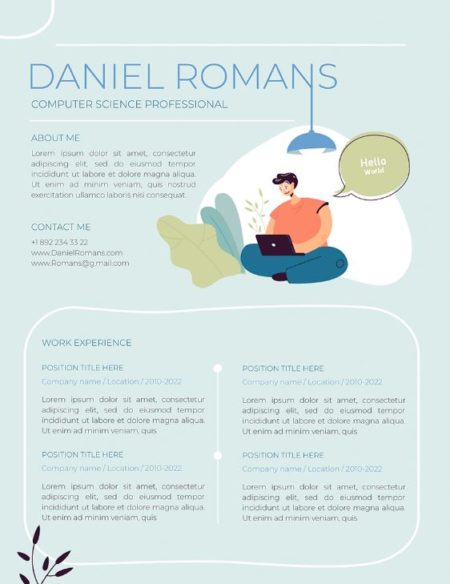
Free Computer Science Professional Light Green Resume Template

Are you a computer science professional looking for a job? Do you want to create a resume that stands out from the rest? Look no further than this option! This two-page resume and cover letter template is perfect for anyone who wants a polished and professional resume without the hassle of starting from scratch.

Free Dancer Colorful Resume Design

For dancers, the most important thing is their skills and experience, but having a visually appealing resume can make all the difference when applying for jobs. The free dancer’s colorful resume template is a great option for those looking to make a lasting impression. The unique and creative design is eye-catching and will help to showcase your individuality. 

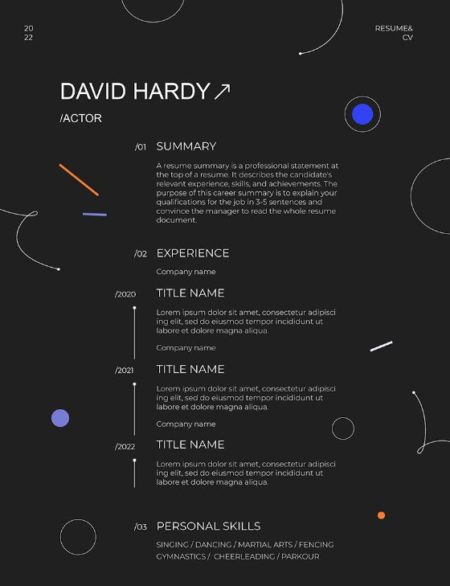
Free Actor Dark Resume Template

Finding the right acting project can be a challenging task. However, a well-written resume can make all the difference. This free template is an excellent choice for any aspiring actor. The template features a stylish design, a clear structure, and a unique background from professional developers that will make your resume stand out.

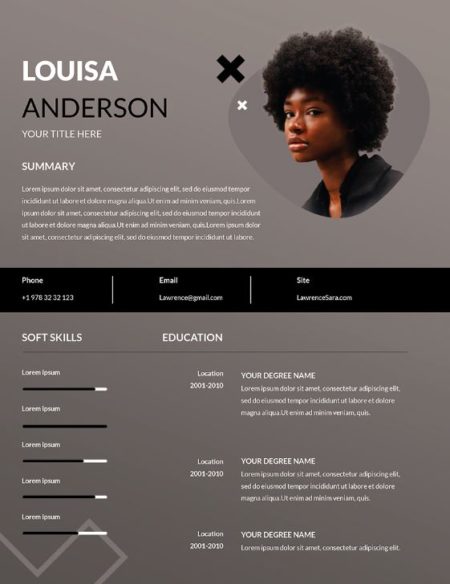
Free Designer Dark Grey Resume

Discovering high-paying design jobs can be a challenging task. Fortunately, there are resources available that can help. This template is a unique and user-friendly option that can help you secure your dream job. This customizable template features a sleek design with two colors – gray and black – that looks great on both digital and printed copies.

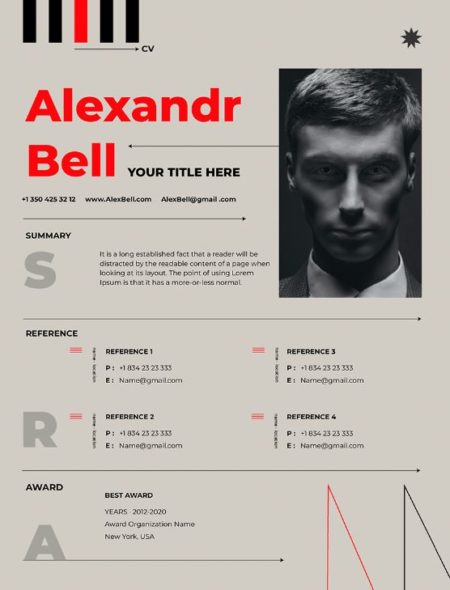
Free Executive Grey Resume Design

Take a look at the preview of this option, which boasts a one-of-a-kind design that will capture the attention of any potential employer. The template features a carefully chosen color scheme that complements your professional background, as well as a clear and easy-to-follow layout.

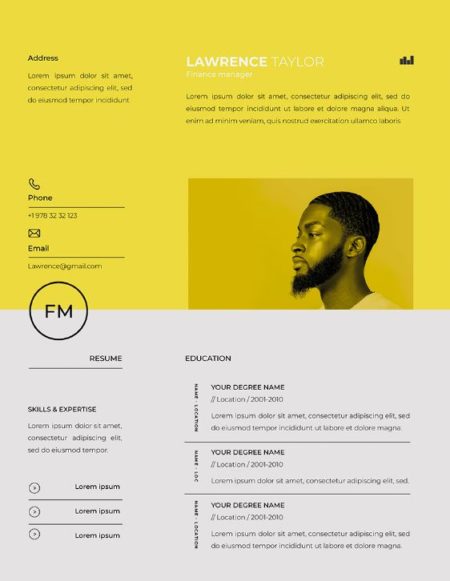
Free Finance Manager Yellow Resume

Are you on the lookout for a job as a financial manager? Check this resume template! With its vibrant colors and unique yellow background, it’s sure to make you stand out among other applicants. Plus, it’s fully customizable, so you can tailor it to your specific needs and preferences.

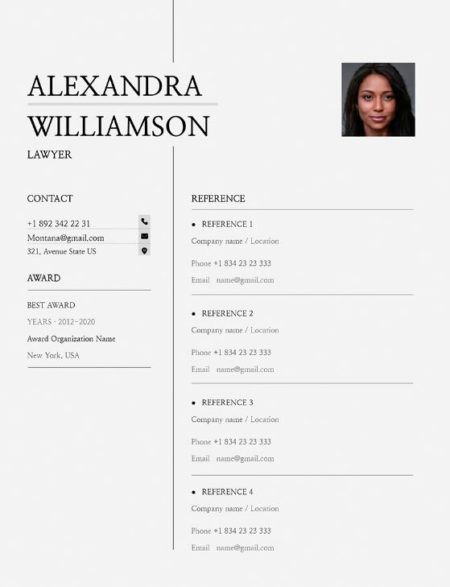
Free Lawyer Light Grey Resume Template

Whether you’re a seasoned legal professional or just starting, the right resume can make all the difference in landing your dream job. That’s where the lawyer’s light gray resume template comes in. This template offers a formal and no-nonsense design that’s suitable for all levels of experience.

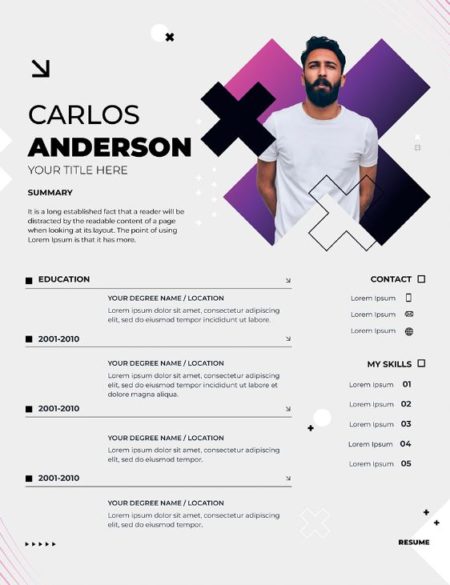
Free First Job Purple Resume Design

Finding a job without any prior experience in the field can be quite challenging. However, using a well-designed resume template can increase your chances of standing out from other candidates. This template is an excellent choice for those just starting.

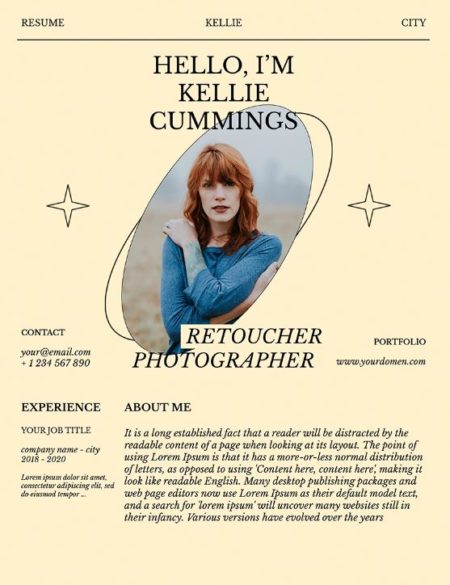
Free Photographer Yellow Resume

For photographers, having a visually appealing resume is crucial to stand out from the competition. This option is the perfect choice to showcase creativity and skills. The design is eye-catching, with a hand-drawn circle in the center to display a photo of the candidate. The yellow color scheme adds a vibrant touch, making the resume memorable.

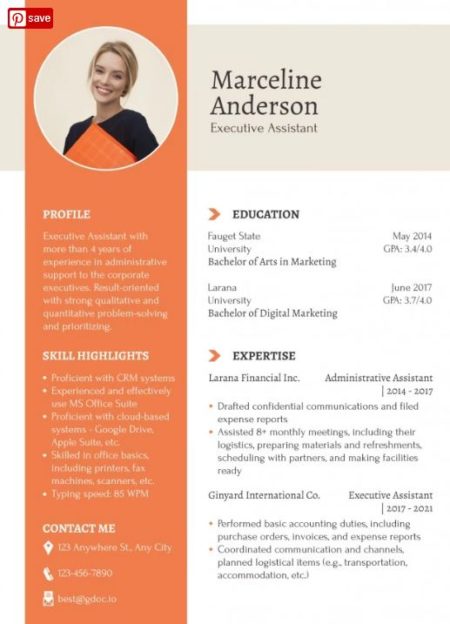
Executive Assistant Resume Template

Looking for an executive assistant resume template that is both easy to use and visually appealing? You should consider using this executive assistant resume template for Google Docs! With resume requirements changing frequently, it can be difficult to know what information to include and how to present it. However, this template takes care of those worries for you.

Simple Corporate Resume Design

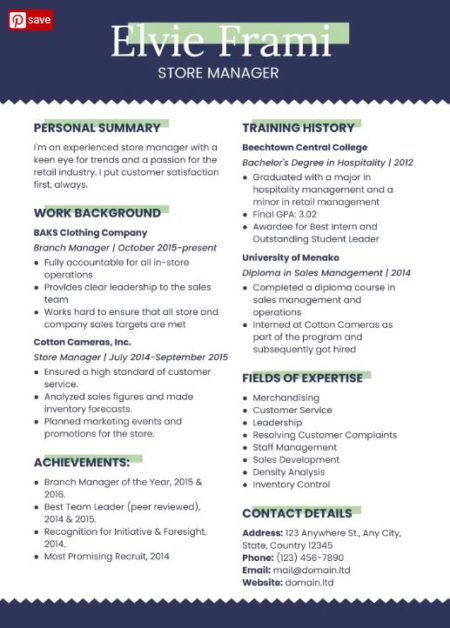
Are you struggling to grab the attention of hiring managers with your resume? If so, it might be time to try out a new template. This option is a great choice for anyone looking to stand out in a sea of applicants. With a modern design featuring pastel and green colors, this template is sure to catch the eye of potential employers.

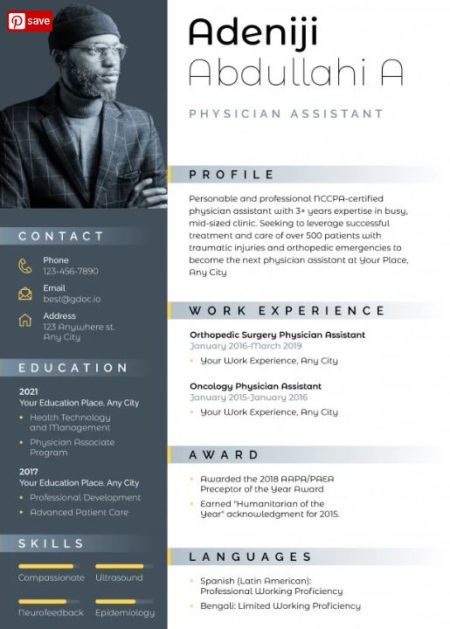
Physician Assistant Resume Template

Are you a physician assistant struggling to stand out in a crowded job market? A well-designed resume can be the difference between getting hired or being overlooked by potential employers. This template features a sleek and modern layout, with all the important information conveniently divided into sections.

Grey Artist Resume

If you’re an artist looking for a new job, your resume is one of the most important documents you need. And to make sure it stands out from the competition, you should check out the free gray artist resume template. This template has a sleek and modern design with a gray background that will make your information pop.

Free Resume Template in Word

To ensure a favorable impression on recruiters, having an up-to-date resume that is well-designed and easy to read is essential. A modern resume template can help you achieve this. The template features an appealing format with appropriate margins and font sizes that are easy on the eyes. 

Manager Resume Design in Google Docs

The free Google Docs template for a minimalist manager resume is designed to create a sense of harmony and rhythm throughout the document. The template aligns each section and maintains a consistent size for each block of information. The resume includes sections for personal information, work experience, skills, education, specialization, and contact details.

Professional White Resume

The Professional White Resume template in Google Docs is an excellent option for achieving any goal. Not only is it free, but it’s also fully customizable to meet your specific needs. This template features a clean and simple design, with a focus on readability and clarity.

Graphic Designer Resume Template in Google Docs

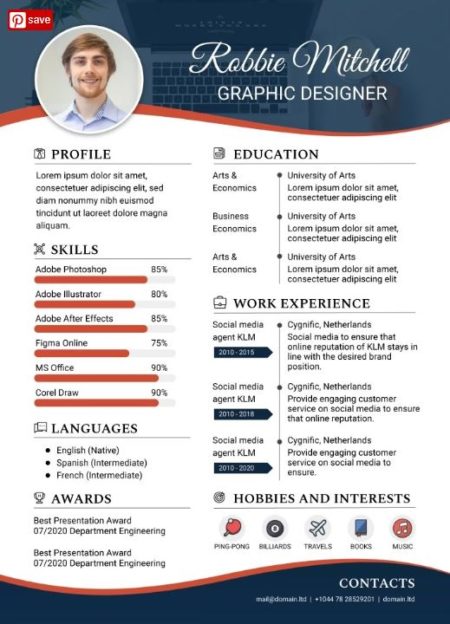
This template is not only perfect for graphic designers but also professionals in the marketing or design fields. It boasts a simple and minimalist style, featuring dividing lines, infographics, skill rating scales, first-level headings, main information blocks, and images of your hobbies.

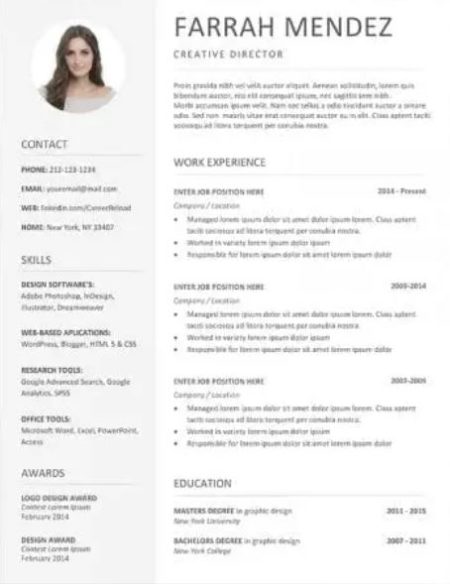
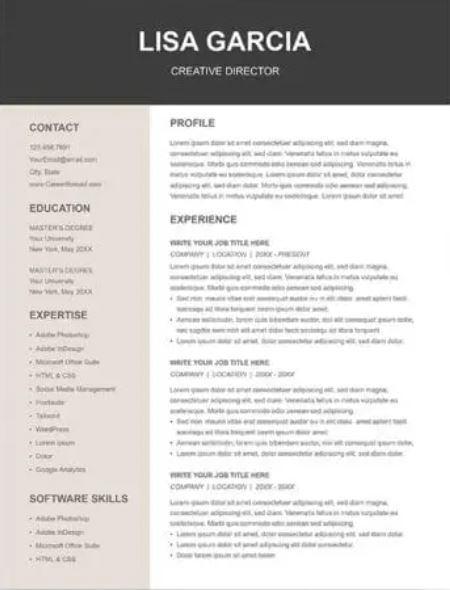
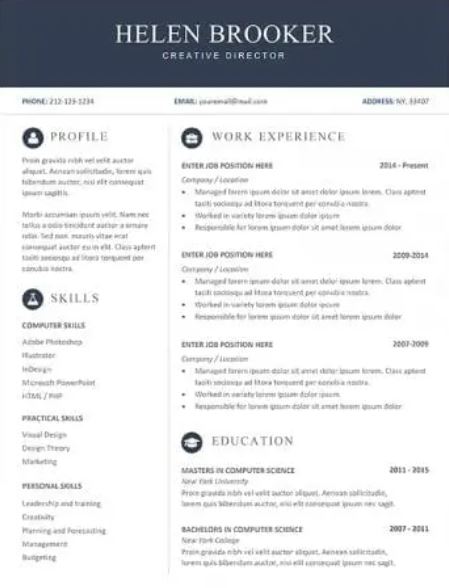
Grey Creative Director Resume Template

A well-crafted resume can make all the difference when it comes to landing a job. This is why it’s important to use a template that is both visually appealing and easy to read. This template boasts these and many other benefits. A formal, easy-to-understand design and structure will help create the right impression about your candidacy.

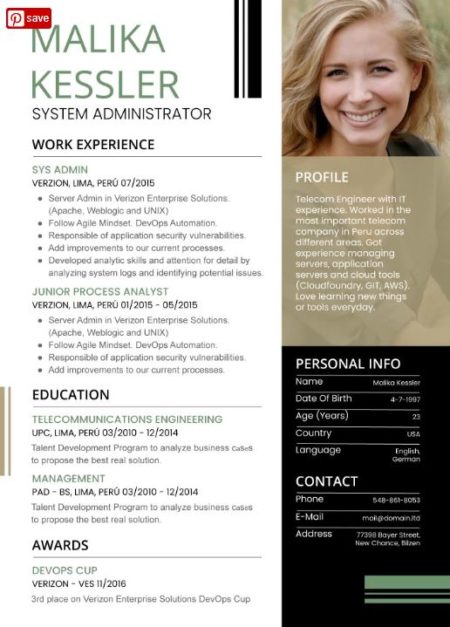
System Admin Resume Design

Looking for a resume template that will be perfect for a professional in the fields of engineering, technology, or a similar conservative profession? Check out the free minimalistic geometric linear design template. Its soft muted shades of graphite, green, and caramel colors give it a professional and modern look. 

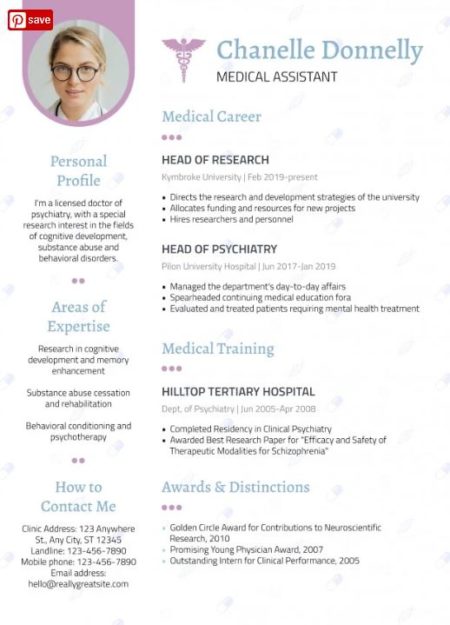
Medical Assistant Resume in Google Docs

If you want to grab the attention of potential employers and showcase your professionalism, this template is perfect for you! The layout is well-structured, with carefully designed sections that highlight your expertise, training, and achievements. You can include your photo, name, and contact information, along with a detailed description of your skills and experience. 

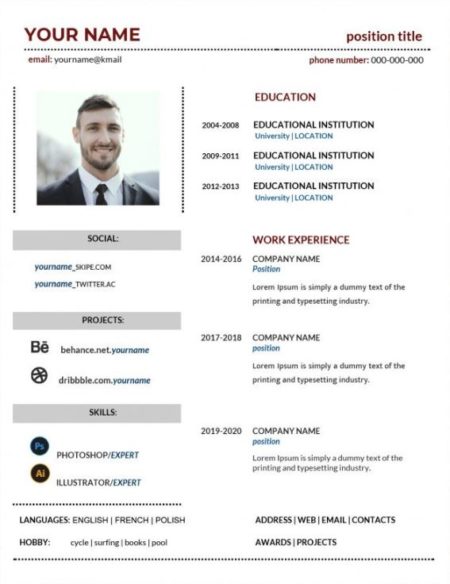
Versatile Job Resume Template in Google Docs

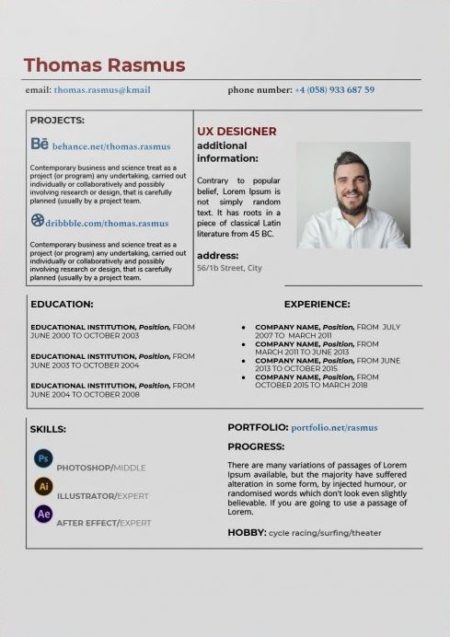
Are you looking for a job that you’ve been dreaming of and want to make a great impression on? Consider using this template, which is designed to highlight all of your strengths. This minimalist design is divided into various sections. The right side includes space for your name, contact details, projects, and skills, while the left side is dedicated to your education and work experience.

Navy Creative Director Resume

By using a modern resume format, individuals can ensure that the content of their resume stands out. The focus can be shifted to the valuable information that recruiters and employers are looking for. With this template, you can pay due attention to these aspects, and not spend time on design.

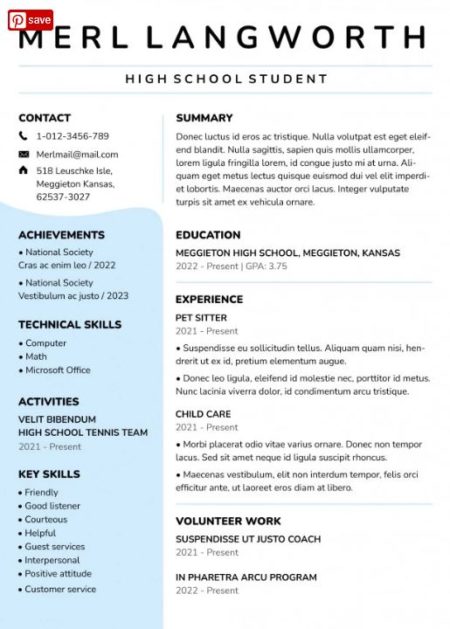
University Student Resume in Google Docs

With a sleek and contemporary design, this template offers a fresh and modern take on a traditional resume. Spanning three pages, it allows ample space to present structured and detailed information about your experience and qualifications. The left-hand column on each page provides a clear and organized space to include your name, contact information, key skills, technical skills, accomplishments, and activities.

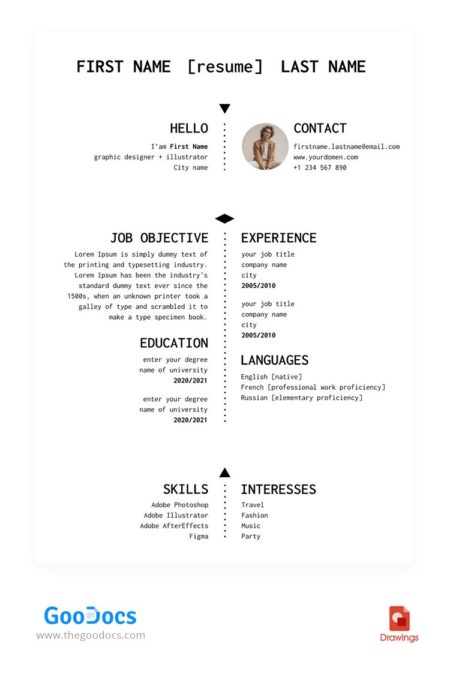
Simple Resume Template

A black-and-white resume template can sometimes be the best option for catching the eye of a potential employer. With this template, job seekers can showcase their skills and knowledge clearly and concisely. While the design may be simple, it does feature unique font styles that add a touch of personality to the resume.

Conclusion

How do you like our selection? We are sure that among the free resume templates in Google Docs and Word that we have collected in this article, you can find a suitable option. Now there is no point in wasting time and trying to create a form from scratch. These structured, easy-to-edit options are a great tool for an efficient job search. Choose the appropriate option, download the template, and start customizing! You can edit the template in Google Docs, Word, or other text editors.

The post 30+ Amazing Job Resume Templates in Google Docs and Word appeared first on Designer Daily: graphic and web design blog.

8 Awesome Graphic Design Tools for 2023

Post pobrano z: 8 Awesome Graphic Design Tools for 2023

Create mesmerizing visual art that ignites the imagination with the right tools! As a graphic designer, you must stay up-to-date with new technologies and diverse skills to succeed in the digital era. Luckily, there are plenty of useful tools at your disposal to bring your ideas to life. From traditional brushes to innovative electronic styluses, the constantly evolving world of graphic design tools offers something for every artist. Equip yourself with the best tools and hone your skills to produce captivating visuals guaranteed to stun any audience. Discover some of the top graphic design tools to consider below.

1. Affinity Designer

Upgrade your graphic design game without breaking the bank with Affinity Designer. This intuitive and affordable software offers a range of user-friendly design tools, comparable to Adobe Illustrator. Get full revision control with Affinity Designer’s advanced features, like a 1,000,000% zoom and version tracking up to 8,000 steps. Whether you’re new to design or working on a personal project, enjoy unlimited artboards and options for both raster and vector workspaces. Don’t settle for mediocre design tools – Affinity Designer offers everything you need at an affordable price.

2. Affinity Photo

Looking for a cost-effective alternative to Adobe Photoshop or Illustrator for touch-up jobs on existing images? Look no further than Affinity Photo. This powerful software works with both vector and raster images and offers a range of features including layer and filter creation, 360-degree image editing, panoramic stitching, and HDR merging. Plus, Affinity Photo supports non-destructive live filter layers and PSD files. Lightweight and user-friendly, this program also offers a generous 90-day free trial. With Affinity Photo, you can create stunning effects without breaking the bank.

When using graphic design tools, you should not forget about your safety. The Internet is a dangerous area. Without a VPN extension, you will be at risk. Given that graphic designers have a lot of sensitive data on their device, VeePN mobile is a necessary security measure. It can also be used to get access to any website, bypassing any prohibitions and restrictions. Anyone who cares about security, privacy, and anonymity on the Internet needs to download a VPN from a trusted developer.

3. Gravit Designer

Discover the all-in-one GNU image manipulation program and vector illustration software that surpasses traditional image editing. Gravit Designer delivers remarkable customization and user-friendliness through its HTML-based program, which is accessible on virtually any platform. Enjoy 500 MB of cloud storage with the free plan or upgrade for unlimited storage. Gravit Designer offers RGB color space, with HSB and CMYK options at the pro level. The pro version unlocks the ability to work with touch-enabled devices and offline. Plus, take advantage of exporting up to 300 dpi for superior print work. With Gravit Designer, the pro version even lets you assign reviewer and approval roles.

4. Pixlr

Looking for a user-friendly image editing app that doesn’t require a degree in graphic design? Look no further than Pixlr. Available on both desktop and mobile devices, this app offers all the essential editing tools without overwhelming you with complicated features. Formerly a part of Autodesk, Pixlr is now on its own, but still boasts an ecosystem of complementary programs and supports various file formats including SVG and PSD. And with a free trial and free version, what’s not to love? Just be prepared to deal with some ads in the free version.

5. Crello

Looking for an all-in-one video editing app for your social media needs? Look no further than Crello! With tools for animation, photo and video editing, and even the ability to create brand kits and remove backgrounds, Crello has everything you need to take your marketing to the next level. Plus, with a free version that includes access to an unlimited image library and over 50,000 templates, and a premium plan that offers unlimited downloads, Crello is a versatile solution for any marketer.

6. PhotoScape

This handy tool has a basic set of drawing tools and a drag-and-drop interface, making it a breeze to resize or crop images. Plus, it offers batch editing functions to help streamline your work. Want even more features? Consider upgrading to PhotoScape X or PhotoScape Pro X for animation effects, filters, and frames, and merge to HDR options. All are available through the Microsoft or Apple Store for a one-time purchase.

7. Adobe Illustrator

Discover the ultimate vector graphics tool with Adobe Illustrator – the industry standard for professional logos, artwork, infographics, and icons. From a simple sketch to a high-quality scalable image, Illustrator’s mathematical formulas provide seamless resizing without loss of quality. Start your seven-day free trial with a credit card and experience the power of Illustrator to its fullest. Choose the monthly plan at $31.49 or the annual plan at $20.99 a month, both providing the tools to elevate your creativity. Although not the most user-friendly option, Illustrator offers endless possibilities to learn and grow in your graphic design journey.

8. Adobe Photoshop

Discover why Adobe Photoshop is the go-to choice for graphic designers everywhere. With a user-friendly interface and a vast array of image editing tools, it empowers beginners and pros alike. Plus, with a plethora of easy-to-follow tutorials, mastering this industry standard is a breeze. From canvas size to artistic filters, you have total control. Opt for the seven-day free trial of Photoshop and Adobe Lightroom, which also includes cloud storage of up to 100 GB and 1 TB, respectively. Additionally, explore extra benefits like the paint application, Adobe Fresco, and Adobe Spark’s storytelling program. Experience seamless collaboration between these robust programs and take your designs to the next level.

Conclusion

The digital age has brought with it a whole new world of graphic design tools and software. With so many options to choose from, finding the right program for your needs can be daunting. Fortunately, this list of the eight best image and video editing apps will help you find the perfect fit. From basic editors like Pixlr to professional-level programs like Adobe Photoshop, everyone will find an option that suits their needs.

The post 8 Awesome Graphic Design Tools for 2023 appeared first on Designer Daily: graphic and web design blog.

6 Trending Products That Can Help The Overall Well-Being Of Designers

Post pobrano z: 6 Trending Products That Can Help The Overall Well-Being Of Designers

Designers are known for their commitment to creation and innovation, often sacrificing their well-being in triumphs. Many trends have emerged to help these passionate individuals cope with stress, create a comfortable workspace, and take care of their physical wellness. From ergonomic chairs to virtual yoga classes, these products instill a sense of relaxation and comfort in the lives of designers. Focusing on well-being ensures a healthy body and provides mental clarity and a renewed sense of creativity. In this current era, a holistic approach towards well-being is greatly emphasized, and designers can find great solace in these products. Whether you’re a designer or artist or work in any creative field, these products benefit everyone.

6 Trending Products That Can Help The Overall Well-Being Of Designers

As designers, we spend hours sitting at our computer screens, often feeling drained and exhausted. Luckily, a few simple products can help improve our overall well-being. First on the list is an ergonomic office chair to support our posture and prevent discomfort or soreness. Another essential item is a pair of blue-light-blocking glasses to shield our eyes from the harmful effects of screen glare. For restless people, a standing desk converter can be a game-changer, allowing designers to stretch their legs while still working seamlessly. Also beneficial are noise-canceling headphones to block out any distractions and create a peaceful work environment. Finally, a hot cup of organic herbal tea can be an excellent method to relax during those hectic times. These are just a few of the many ways designers can prioritize their well-being in the workplace.

1. Ergonomic office chair

An ergonomic office chair is not just a regular piece of furniture but a crucial investment for designers and anyone who spends long hours behind a desk. The design of these chairs promotes better posture and provides ample support to the spine, neck, and shoulders. Every feature of the chair – including the height, armrests, and lumbar support – is adjustable to meet individual preferences and provide maximum comfort. The elevated comfort level and maintenance of good posture while sitting in an ergonomic chair can lead to increased productivity, improved focus, and a healthier work environment. Unsurprisingly, many companies are jumping on the ergonomic chair bandwagon and adopting them in their office spaces to ensure the well-being of their employees.

2. Blue-light-blocking glasses

With increasing time spent in front of laptop screens, taking care of our eyes is becoming more critical. Blue-light-blocking glasses are one of the latest solutions to this problem. Designed to filter out blue light emitted by electronic devices, they can relieve eye strain caused by prolonged screen time. As a result, these glasses have become increasingly popular among designers and individuals who want to protect their eyes from digital eye strain. With numerous stylish options available on the market, blue-light-blocking glasses are now a trendy accessory that can help improve overall eye well-being.

3. Standing desk converter

In the design world, sitting at a desk for hours on end can be a common occurrence. But what if there was a way to switch up that position throughout the day without sacrificing productivity? Enter the standing desk converter – a trending product that can make a massive difference in the overall well-being of designers. With a simple adjustment, designers can quickly switch from sitting to standing, allowing for increased movement and blood flow. Plus, the ability to customize the height can help achieve the perfect ergonomic position, reducing strain on the neck and shoulders. Opting for a standing desk converter is a small change that can bring significant benefits when caring for oneself in the workplace.

4. Delta 9 Gummies

Delta 9 Gummies are rapidly gaining popularity for their potential to boost the overall well-being of creative professionals. These chewy treats are infused with Delta 9, one of the many cannabinoids in the hemp plant. It is said to have a mild psychoactive effect, which can help improve focus, stimulate creativity, and uplift mood. The gummies offer an easy and discreet way to consume Tetrahydrocannabinol, making them an ideal option for designers who must stay on top of their game while juggling multiple projects. In addition to their potential benefits, Delta 9 Gummies from TRĒ House come in various flavors, which adds to their appeal. Whether you prefer sweet and tangy or fruity and sour, there’s one out there for you.

5. Noise-canceling headphones

In today’s fast-paced world, noise-canceling headphones have become a must-have gadget for designers. Their sleek design and advanced technology offer a way to tune out the distracting sounds of the exterior world and focus purely on the task. Whether designing a new logo or concept for a client or drafting up a rough sketch for a project, with noise-canceling headphones, designers can fully immerse themselves in their work. These headphones’ high-quality sound can enhance the overall listening experience and produce a more enjoyable work environment. It’s no wonder why noise-canceling headphones are one of the top trending products designers invest in to boost their productivity and create optimal working conditions.

6. Organic herbal tea blends

Organic herbal tea blends are quickly becoming famous for individuals seeking a natural way to enhance their overall well-being. These blends are made from plant-based ingredients with minimal processing, preserving their natural flavors and nutritional benefits. They can be tailored to suit everyone’s tastes and preferences, with combinations of herbs and spices that range from mint to chamomile. The calming effects of these teas make them an ideal option for designers who want to take a break and relax without relying on medication or pharmaceuticals. Sipping on a hot cup of organic herbal tea can be a refreshing and rejuvenating way to improve overall wellness.

Summing It Up!

In conclusion, investing in products that improve our well-being is crucial for designers who spend long hours sitting in front of a laptop screen. These products can enhance our overall health, cognitive ability, and productivity. From adjustable standing desks to ergonomic chairs, designers can choose various options that suit their preferences and needs. Proper lighting is also essential for our well-being, and a desk lamp that provides natural light similar to sunlight can improve our circadian rhythm and reduce eye strain. By prioritizing our well-being, we can flourish professionally and personally, efficiently achieving our goals.

The post 6 Trending Products That Can Help The Overall Well-Being Of Designers appeared first on Designer Daily: graphic and web design blog.

5 Essential Products Designers Can Carry For An Unforgettable Travel Experience

Post pobrano z: 5 Essential Products Designers Can Carry For An Unforgettable Travel Experience

As a product designer, you know every detail counts when creating an unforgettable experience. This is especially true when it comes to travel. From flights to road trips, exploring new places requires careful planning and thoughtfully chosen gear. Luckily, you have the skills to carefully select products that aren’t just functional, look great, and add to the overall experience. Whether it’s a stylish backpack for urban adventures or a rugged camera for off-the-beaten-path exploration, your options can make all the difference in ensuring your travels are comfortable and memorable.

Why Should A Designer Plan Their Travel Experience?

As a designer, planning your travel experience can make the difference between a successful and stressful trip. Researching and planning your journey’s details can help minimize the chances of unexpected surprises and setbacks. Carefully planning your transportation, accommodations, and itinerary can create a more enjoyable and relaxing experience. By knowing what to expect, you can free yourself from worrying about travel logistics and focus on the creative inspiration from exploring new places and cultures. In short, planning your trip can help maximize your creativity and productivity as a designer.

5 Essential Products Designers Can Carry For An Unforgettable Travel Experience

1. High-quality camera

As a designer, capturing the essence of a new city can be vital for inspiration and creativity. A high-quality camera can be the key to unlocking a new level of beauty in your travels. With features like manual controls, high resolution, and image stabilization, you can take breathtaking photos that will last a lifetime. Whether it’s a bustling market street or a peaceful countryside view, a top-notch camera can easily capture the perfect shot. Invest in a quality camera before your next adventure; you won’t be disappointed with the stunning results.

2. Portable charger

A portable charger is indispensable for any designer embarking on a memorable travel experience. The need to constantly stay connected, capture scenes with a camera phone, and use digital applications for inspiration make the necessity for a reliable portable charger all the more palpable. A dead phone or tablet battery could hinder a designer’s creative flow without one. This is where the portable charger comes in handy. An impressive battery life allows travelers to stay connected to the digital world while exploring and creating content. Today, a portable charger is a must-have item for designers seeking to make the most of their adventures.

3. Delta 8 Gummies

If you are a designer who enjoys traveling, you may look for new and exciting products to elevate your experience. Delta 8 gummies could be just the thing. These gummies are known for providing a unique blend of effects that can enhance your mood and offer a relaxing sensation. The flavor variations, including fruit and candy, make the experience even more enjoyable. Many people find these gummies an excellent way to unwind after a long day exploring the sights and sounds of a new place. With their discreet and portable packaging, Delta 8 gummies can easily fit into your luggage or backpack, ensuring you never miss out on trying them on your next adventure.

4. Travel-sized notebook and pen

A travel-sized notebook and pen are must-have accessories for designers looking to capture inspiration on the go. Whether jotting down ideas for a new project or simply recording observations from a new destination, this compact duo allows you to capture the fleeting moments that make a travel experience unforgettable. From the texture of a unique fabric to the colors of a sunset, these subtle details can spark creativity and serve as a source of inspiration long after your return home. And with size and weight that makes it easy to tuck into a bag or pocket, you’ll never miss the chance to record a new idea or perspective while on the road.

5. Comfortable and practical footwear

As a passionate traveler, you want to ensure your journey is as comfortable as possible. And what better way to do that than by wearing the right shoes? Comfortable footwear is one of the essential products designers can carry for an unforgettable travel experience. But comfort doesn’t have to mean sacrificing style. With many options available in the market, from slip-ons to sneakers, you can find something that fits your style while being easy on your feet. So, whether you plan on exploring the streets of Barcelona or walking to Machu Picchu, invest in a pair of shoes that will keep you comfortable and stylish throughout your travels.

Things A Designer Should Consider While Packing For Their Travel Experience

As a designer, it can be daunting to pack for a travel experience considering the equipment and materials required for various projects.

  • Considering the essential tools and supplies required to maintain productivity levels while traveling is crucial.
  • Additionally, designers should plan and research the destination to select appropriate outfit choices that are comfortable and professional.
  • One key consideration is to carry a small portable laptop or tablet that will allow you to keep in touch with clients online. This provides flexibility and ensures that you remain current with any project updates.
  • It is also vital to ensure your equipment and materials’ safety by packing them securely in shockproof bags or containers.

By thoroughly considering the necessary equipment, resources, and appropriate attire, designers can create a seamless and successful travel experience while maintaining productivity.

Summing It Up!

Designers can embark on unforgettable travel experiences with the right essential products. From portable chargers and multipurpose backpacks to noise-canceling headphones and reliable luggage, these items can enhance one’s travel experience, making it more comfortable, convenient, and stress-free. Traveling can broaden one’s perspective and serve as a source of inspiration. Therefore, essential products can help designers capture those meaningful moments and draw inspiration from their surroundings, whether exploring new cultures or admiring breathtaking landscapes. Ultimately, traveling with the right products can make a difference in one’s journey and create unforgettable memories.

The post 5 Essential Products Designers Can Carry For An Unforgettable Travel Experience appeared first on Designer Daily: graphic and web design blog.