Archiwum kategorii: Design

7 things every design student should know to succeed

Post pobrano z: 7 things every design student should know to succeed

Design is an extraordinarily competitive yet rewarding industry, and as such, any aspiring design student must work hard to break even. With design, it is a whole new world altogether. Students will embark on a somewhat artistic journey, gradually exploring from being a student to assuming his/her place as a professional. Initially, things can get quite challenging. These are however the opportunities that help them develop their expertise as a designer. If you are a design student just starting out in the industry and striving to make your mark, below are seven great tips to guide you through our career path:

1. Get Organized

As many established designers will
attest to, one of the most important things a designer needs to do is be well-organized. It is important
that you detail everything that you aspire to accomplish including deadlines in
chronological order. One way you can do this is by investing in a calendar. You can use it as a planner
to help you keep track of all your objectives and project process.  Why is this important? Once you list them in
chronological order, it is hard to miss or to fall behind on essential assignments;
and if you are overwhelmed with tasks and can’t quite work on all of them in
time to beat your deadline, you can always seek for professional assistance
from online essay writers especially one that can handle design assignments.

All you need to do is request an
online professional writer. However before doing so, do some research about the
writing service, and once you have several options, ask yourself various
questions like who can write my essay
cheap
but still produce quality work? Or who is the best essay writer
online? This way, you can narrow down your options and pick out the best online
helper for you. 

Finally, learn to strictly stick to
all your deadlines as well as ensuring that you never miss any of your
assignments since this reflects well on your ability to meet and even exceed
client expectations in your career.

2. Prioritize

As mentioned earlier, design is a
highly competitive and demanding trade, and as such, it is essential for any
design student aspiring to become
successful in their field
to set their priorities straight. Learning how to
prioritize starts with something as simple as knowing when to study and when to
socialize. Essentially, you need to spend more time working to sharpen your
skill set and complete projects compared to the time you do for other leisurely
activities such as socializing.

Prioritizing works for both subject management and projects. As such, it is also vital that you determine those subjects that need more attention
to allow you to focus your energy on them. By doing so, you are not only able
to manage your time effectively, but you also free up extra time to improve
your overall performance.

3. Give Yourself Time

Just like preparing for an exam,
design assignments and projects cannot be completed overnight. As a student, it
is important to realize that assignments as well as projects will be handed out
ahead of time and will usually require a specific time frame to submit or
complete, although this depends on the subject/assignment difficulty.

When it comes to time, ensure that
you set yourself to always ‘overestimate’ the time needed to complete each
project. Be sure never to eyeball how much time you assume you will
require.  If you manage to complete a
project before the deadline, you can benefit from the extra time to either
review it or engage in other activities. 

Once you establish yourself as a
professional designer, you will discover that ‘the overestimation’ technique
will save you quite some time allowing you to be effectively detail-oriented as
well as more effective in your duties.

4. Build Yourself a Network

Any aspiring designer looking to
make a name in the industry must invest in building themselves a network. Why?
Networking allows you to pool both resources and expertise to your benefit. However,
if you are requested to write my essay cheap in design, there are plenty of professional writing services
eager to help you online.

Design is a diverse field with
various specialties. Once you are in business, you will discover that you may
need professional assistance from experts in other areas. As such, work to
build a close network of individuals to form a potential list of partners who
can offer you professional assistance when you start your career.

Use a friendly approach to win over
these individuals and ensure that you keep in touch with individuals who may be
specialists in other areas or working with other firms/agencies. Be keen to
establish genuine connections for both your professional future as well as personal growth.

5. Invest in Your Portfolio

As a designer, it is vital that you
take the time to build a portfolio. Start by taking time to identify both your
strengths as well as your weaknesses. Get organized and also take time to
understand why in particular you have picked various components to include in
your portfolio. Why? This will ensure that you have an easy time figuring out
why you have selected specific works to include in your portfolio for
showcasing.

6. Learn to take criticism

Being a designer entails numerous
things, and one vital component is to know how to take criticism. In this line of work,
you can expect adverse reactions from various individuals. However, the key is
to learn not to take it to heart. After all, aren’t setbacks supposed to help
you work even harder?

By knowing how to handle criticism,
you can get yourself up even after failing to land a job or an internship. You
should accept that although a client or agency has not taken you, they may need
your expertise in the future.

7. Have a strong sense of Self-Belief

As competitive as the design
industry is, it is essential that you identify your worth, stick by your values
and take great pride in it. This, in essence, allows people to see it and
subsequently respect it.

Before you seek the opinion of other
individuals about your work, it is important that you value it yourself first.
How you value, yourself will reflect on your designs and creations not to
mention that it will play a significant role in how you market your work. If
you don’t believe in your art or its value, it will be impossible to sell it to
others.

As a first, it is crucial you
understand that both your efforts and time are worth the overall price of your
work. By believing in both your work as well as your craft, you will have no
problem overcoming intimidation, and demeaning criticism will not shake you or
affect how you work.

Conclusion

It is the dream of every aspiring
designer to make it big. However, to succeed in a field as competitive as
design, it is necessary for any design student to understand what is required
of them. With these few tips, you can effectively propel yourself to ultimate
success in your career. Even so, be sure to keep in mind that design is a
quest. Keep calm, remain focused, and most importantly, enjoy yourself!

7 things every design student should know to succeed

Post pobrano z: 7 things every design student should know to succeed

Design is an extraordinarily competitive yet rewarding industry, and as such, any aspiring design student must work hard to break even. With design, it is a whole new world altogether. Students will embark on a somewhat artistic journey, gradually exploring from being a student to assuming his/her place as a professional. Initially, things can get quite challenging. These are however the opportunities that help them develop their expertise as a designer. If you are a design student just starting out in the industry and striving to make your mark, below are seven great tips to guide you through our career path:

1. Get Organized

As many established designers will
attest to, one of the most important things a designer needs to do is be well-organized. It is important
that you detail everything that you aspire to accomplish including deadlines in
chronological order. One way you can do this is by investing in a calendar. You can use it as a planner
to help you keep track of all your objectives and project process.  Why is this important? Once you list them in
chronological order, it is hard to miss or to fall behind on essential assignments;
and if you are overwhelmed with tasks and can’t quite work on all of them in
time to beat your deadline, you can always seek for professional assistance
from online essay writers especially one that can handle design assignments.

All you need to do is request an
online professional writer. However before doing so, do some research about the
writing service, and once you have several options, ask yourself various
questions like who can write my essay
cheap
but still produce quality work? Or who is the best essay writer
online? This way, you can narrow down your options and pick out the best online
helper for you. 

Finally, learn to strictly stick to
all your deadlines as well as ensuring that you never miss any of your
assignments since this reflects well on your ability to meet and even exceed
client expectations in your career.

2. Prioritize

As mentioned earlier, design is a
highly competitive and demanding trade, and as such, it is essential for any
design student aspiring to become
successful in their field
to set their priorities straight. Learning how to
prioritize starts with something as simple as knowing when to study and when to
socialize. Essentially, you need to spend more time working to sharpen your
skill set and complete projects compared to the time you do for other leisurely
activities such as socializing.

Prioritizing works for both subject management and projects. As such, it is also vital that you determine those subjects that need more attention
to allow you to focus your energy on them. By doing so, you are not only able
to manage your time effectively, but you also free up extra time to improve
your overall performance.

3. Give Yourself Time

Just like preparing for an exam,
design assignments and projects cannot be completed overnight. As a student, it
is important to realize that assignments as well as projects will be handed out
ahead of time and will usually require a specific time frame to submit or
complete, although this depends on the subject/assignment difficulty.

When it comes to time, ensure that
you set yourself to always ‘overestimate’ the time needed to complete each
project. Be sure never to eyeball how much time you assume you will
require.  If you manage to complete a
project before the deadline, you can benefit from the extra time to either
review it or engage in other activities. 

Once you establish yourself as a
professional designer, you will discover that ‘the overestimation’ technique
will save you quite some time allowing you to be effectively detail-oriented as
well as more effective in your duties.

4. Build Yourself a Network

Any aspiring designer looking to
make a name in the industry must invest in building themselves a network. Why?
Networking allows you to pool both resources and expertise to your benefit. However,
if you are requested to write my essay cheap in design, there are plenty of professional writing services
eager to help you online.

Design is a diverse field with
various specialties. Once you are in business, you will discover that you may
need professional assistance from experts in other areas. As such, work to
build a close network of individuals to form a potential list of partners who
can offer you professional assistance when you start your career.

Use a friendly approach to win over
these individuals and ensure that you keep in touch with individuals who may be
specialists in other areas or working with other firms/agencies. Be keen to
establish genuine connections for both your professional future as well as personal growth.

5. Invest in Your Portfolio

As a designer, it is vital that you
take the time to build a portfolio. Start by taking time to identify both your
strengths as well as your weaknesses. Get organized and also take time to
understand why in particular you have picked various components to include in
your portfolio. Why? This will ensure that you have an easy time figuring out
why you have selected specific works to include in your portfolio for
showcasing.

6. Learn to take criticism

Being a designer entails numerous
things, and one vital component is to know how to take criticism. In this line of work,
you can expect adverse reactions from various individuals. However, the key is
to learn not to take it to heart. After all, aren’t setbacks supposed to help
you work even harder?

By knowing how to handle criticism,
you can get yourself up even after failing to land a job or an internship. You
should accept that although a client or agency has not taken you, they may need
your expertise in the future.

7. Have a strong sense of Self-Belief

As competitive as the design
industry is, it is essential that you identify your worth, stick by your values
and take great pride in it. This, in essence, allows people to see it and
subsequently respect it.

Before you seek the opinion of other
individuals about your work, it is important that you value it yourself first.
How you value, yourself will reflect on your designs and creations not to
mention that it will play a significant role in how you market your work. If
you don’t believe in your art or its value, it will be impossible to sell it to
others.

As a first, it is crucial you
understand that both your efforts and time are worth the overall price of your
work. By believing in both your work as well as your craft, you will have no
problem overcoming intimidation, and demeaning criticism will not shake you or
affect how you work.

Conclusion

It is the dream of every aspiring
designer to make it big. However, to succeed in a field as competitive as
design, it is necessary for any design student to understand what is required
of them. With these few tips, you can effectively propel yourself to ultimate
success in your career. Even so, be sure to keep in mind that design is a
quest. Keep calm, remain focused, and most importantly, enjoy yourself!
Design Deals for the Week

Post pobrano z: Design Deals for the Week

Every week, we’ll give you an overview of the best deals for designers, make sure you don’t miss any by subscribing to our deals feed. You can also follow the recently launched website Type Deals if you are looking for free fonts or font deals.

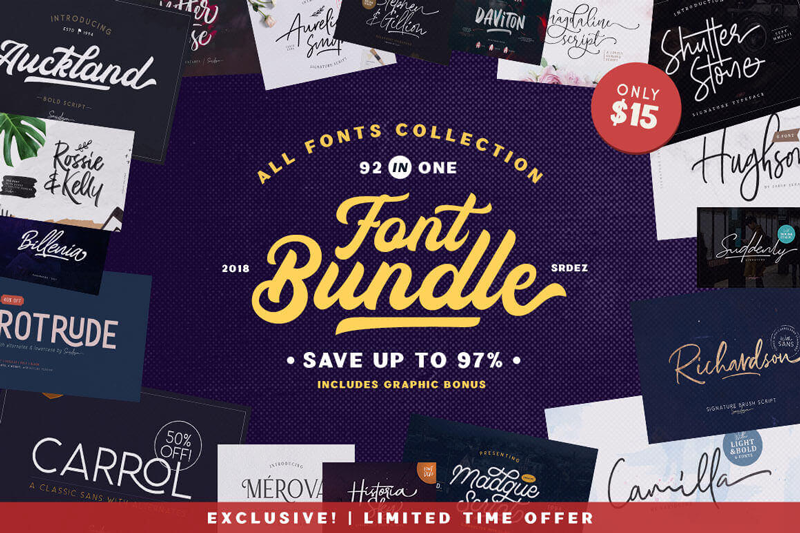
92 IN ONE, Exclusive Fonts Bundle

Save 97% on this collection of 92 premium fonts, culled from 30 unique typefaces. You’ll get a wide range of styles from script to sans to display, as well as OpenType Features and a slew of bonuses such as vector illustrations and texture images.

$15 instead of $450 – Get it now!

Huge WooStroid2 theme Update with 30% Discount

From January, 28 till February, 2, you’ll be able to get Woostroid WooCommerce theme at a 30% lower price. Woostroid2 is multipurpose WooCommerce theme, with JetPlugins inside. With the help of this theme you are able to build your eCommerce Store within a week Smile.

$95 instead of $135 – Get it now!

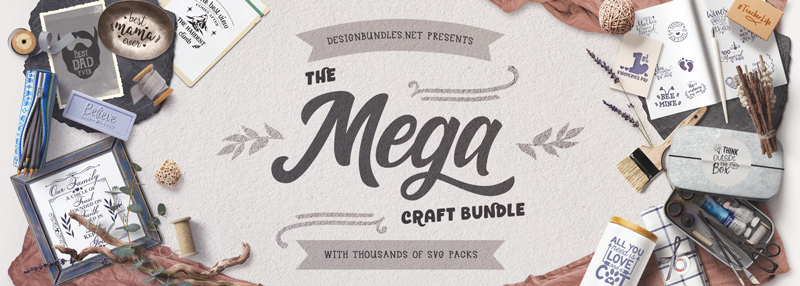
The Mega Craft Bundle

The Mega Craft Bundle is the biggest SVG Craft Bundle EVER made and comes with OVER 1000 SVG files.

$19 instead of $161 – Get it now!

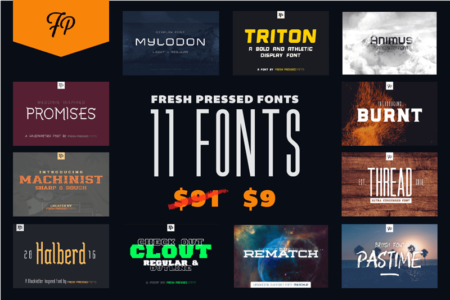
11 Premium Fresh Pressed Fonts

Fresh Pressed Fonts is a collection of 11 premium fonts from Ryan Welch. You’ll get everything from serifs to display fonts, along with a wide variety of styles from ultra-condensed to futuristic. With the included extended license, you can create just about anything under the sun such as T-shirts, packaging, posters, logos and more.

$9 instead of $91 – Get it now!

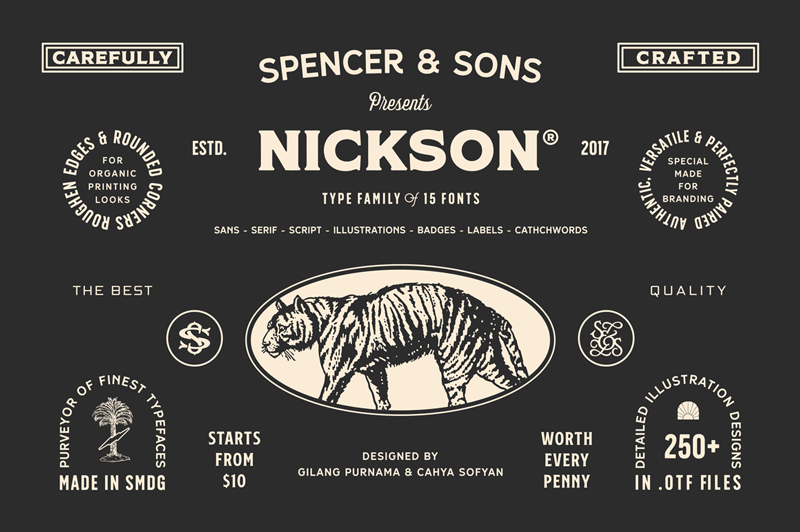
S&S Nickson Font Bundle of 15 Display, Script, Illustrations and More Typefaces

How would you like a collection of fonts that are strong enough to stand on their own, but creative enough to pair beautifully with one another? That’s exactly what you’ll get with the S&S Nickson Font Bundle Collection! Take home 15 different typefaces in a variety of creatively elegant styles including display fonts, script, illustrations, badges and more!

$12 instead of $25 – Get it now!

Design Deals for the Week

Post pobrano z: Design Deals for the Week

Every week, we’ll give you an overview of the best deals for designers, make sure you don’t miss any by subscribing to our deals feed. You can also follow the recently launched website Type Deals if you are looking for free fonts or font deals.

92 IN ONE, Exclusive Fonts Bundle

Save 97% on this collection of 92 premium fonts, culled from 30 unique typefaces. You’ll get a wide range of styles from script to sans to display, as well as OpenType Features and a slew of bonuses such as vector illustrations and texture images.

$15 instead of $450 – Get it now!

Huge WooStroid2 theme Update with 30% Discount

From January, 28 till February, 2, you’ll be able to get Woostroid WooCommerce theme at a 30% lower price. Woostroid2 is multipurpose WooCommerce theme, with JetPlugins inside. With the help of this theme you are able to build your eCommerce Store within a week Smile.

$95 instead of $135 – Get it now!

The Mega Craft Bundle

The Mega Craft Bundle is the biggest SVG Craft Bundle EVER made and comes with OVER 1000 SVG files.

$19 instead of $161 – Get it now!

11 Premium Fresh Pressed Fonts

Fresh Pressed Fonts is a collection of 11 premium fonts from Ryan Welch. You’ll get everything from serifs to display fonts, along with a wide variety of styles from ultra-condensed to futuristic. With the included extended license, you can create just about anything under the sun such as T-shirts, packaging, posters, logos and more.

$9 instead of $91 – Get it now!

S&S Nickson Font Bundle of 15 Display, Script, Illustrations and More Typefaces

How would you like a collection of fonts that are strong enough to stand on their own, but creative enough to pair beautifully with one another? That’s exactly what you’ll get with the S&S Nickson Font Bundle Collection! Take home 15 different typefaces in a variety of creatively elegant styles including display fonts, script, illustrations, badges and more!

$12 instead of $25 – Get it now!

Is Your Website Obsolete? Here’s How to Tell

Post pobrano z: Is Your Website Obsolete? Here’s How to Tell

Standards for web design tend to change quickly — with millions of business owners lagging behind the new norms. Consumers take no time at all to get used to new features or layouts, and in a matter of months, your once-impressive and once-new website can look antiquated by comparison. If you aren’t keeping up with the latest design trends, you may fall behind the competition, resulting in damage to your reputation, less online visitor engagement and less revenue.

The problem is, it’s hard to tell whether
new design trends are gimmicks or whether they’re here to stay, and it’s not
always evident when your site has fallen behind the times. So how are you supposed
to tell when your website is obsolete?

Key
Strategies

These approaches will help you stay plugged
into the latest web design trends, and ensure you stay a step ahead of the
competition:

  • Work
    with an online marketing agency.
    You
    could start by working with an online marketing agency, like Simple
    Machines
    Marketing.
    Online marketing agencies are constantly paying attention to the latest design
    trends and are occasionally innovating some of their own too. They’re much more
    experienced and will be much more likely to detect when a new trend begins to
    solidify, so they can take action when it’s time to give your site a facelift.
  • Read
    more web design blogs.
    You can
    also spend more time perusing web design blogs, like Smashing Magazine. These sources constantly churn out new content about the
    latest in web design trends and point out the sites that are most innovative in
    their respective industries. The more time you spend reading this material, the
    more closely acquainted you’ll become with the web design industry, and the
    easier you’ll be able to spot areas where your site is falling behind.
  • Visit
    a diversity of websites.
    It’s
    helpful to visit and browse many types of websites from many types of
    industries and preferably, with very different layouts. This doesn’t have to be
    a daily task, but do browse new sites on a regular basis, and take note of what
    they’re doing differently. This can be a tremendous source of inspiration — and
    a wake-up call that your site isn’t up-to-date.
  • Commit
    to periodic redesigns.
    You can
    also simply commit to periodically redesigning your site. For example, if you
    update your site once every year, you’ll be forced to reevaluate your previous
    designs and examine some of the latest trends that have taken hold in the web
    design world. This can get expensive if you redesign too frequently, so try to
    find an ideal pace for your industry — some businesses will be forced to adapt
    faster than others.

Points
to Monitor

If you’re going to monitor your website’s
age and modernity on your own, keep an eye out for these important main points
as indicators of obsolescence:

  • Sheer age. All sites become outdated eventually. Trends never stay the same for too long, so if your website was designed five years ago or longer, it almost certainly will need an upgrade. The longer you’ve gone since your last site update, the more likely it is to be out of date. This is why regular updates are such an effective strategy.
  • Technological compatibility. You’ll also need to consider the technical compatibility of your website. For example, many websites started to become obsolete once mobile devices became more popular for browsing and companies like Google took a stand to make “mobile friendliness” and responsive web design the new norms. If your site can’t be easily or conveniently run on the latest devices, browsers, and operating systems, it needs to be revisited. Otherwise, consumers won’t be able to access it easily.
  • Navigation and functionality. Also, think about how your visitors are going to navigate your website and access certain functions. Some navigation elements, like hamburger-style menus, originated as novel ways to make navigation more convenient, but have become obsolete over time. Check these elements and consider how easy your site is to use by comparing it to similar sites from competitors.
  • Performance. Finally, consider how your site is performing. If you find it constantly crashing or if it starts taking several seconds to load a page, it’s a sign there’s something wrong with it. Web visitors aren’t going to tolerate a site that won’t load properly, or one that takes too long compared to other modern sites.

When your website starts underperforming or
seems like it could use an update, you don’t necessarily have to tear the whole
thing down and start over. Instead, a few tweaks, or a migration to a new platform
might be all you need. Pay close attention to the quality and newness of your
site at all times, and you should have no trouble keeping it up-to-date.

Fontastic Beasts, Crimes New Roman

Post pobrano z: Fontastic Beasts, Crimes New Roman

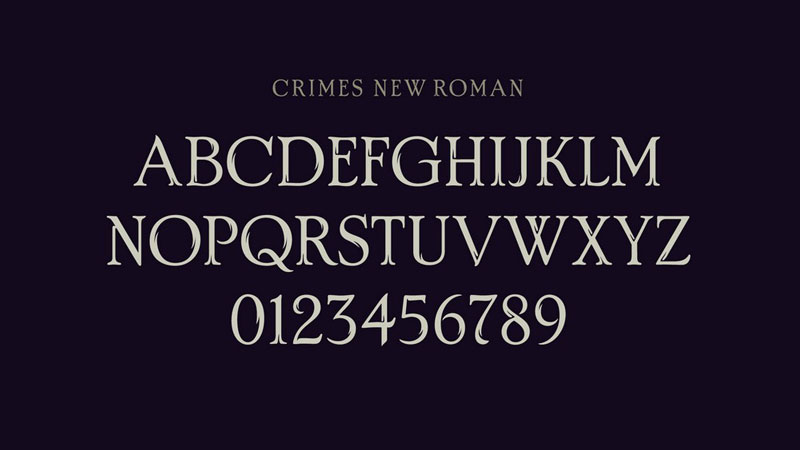
Having your work seen in a prominent movie is every designer’s dream. For Emily Oberman, it became true when she was commissioned to design the new typographic identity of Fantastic Beasts.

With her team at Pentagram, they created a font for that purpose. It was appropriatly named Crimes New Roman. The font comes with a “clean” and a “hairy” version, which makes it appropriate for all kinds of contexts. The font can already be downloaded on Font2U and on other platforms (but I can’t guarantee it’s an official version).

Fontastic Beasts, Crimes New Roman

Post pobrano z: Fontastic Beasts, Crimes New Roman

Having your work seen in a prominent movie is every designer’s dream. For Emily Oberman, it became true when she was commissioned to design the new typographic identity of Fantastic Beasts.

With her team at Pentagram, they created a font for that purpose. It was appropriatly named Crimes New Roman. The font comes with a “clean” and a “hairy” version, which makes it appropriate for all kinds of contexts. The font can already be downloaded on Font2U and on other platforms (but I can’t guarantee it’s an official version).

How to Learn How to Create Perfect Logos with a Basic Level of Knowledge

Post pobrano z: How to Learn How to Create Perfect Logos with a Basic Level of Knowledge

Designing logos is one of the most
promising jobs as far as designing is concerned. However, learning how to design a logois not an easy nut to crack. It takes
a lot of time, patience and effort especially if you are a first-timer in the
designing industry. Having in mind that the logo you make will have a potential
influence on the type of business it represents, ensure that it’s of the best
standard.  With assistance from a research
paper writing service
, this blog will help you learn the art
of logo creation from start to
finish.

Have a Strategy

Before you get down to designing, it is
essential to have a strategy on how far you would want your logo to reach. An
approach helps you build on your creativity and gives you fresh ideas on how to
start designing. Additionally, a convenient strategy guarantees that you get a
general blueprint for an entire company. It offers directional paths to your
design should follow and deliver the ultimate goal of a company. In your
strategy additionally, you must ensure there is a maximum collaboration between designers,
partners, and clients of the company.

Develop a Strong Portfolio

Apart from going to school and learning the
basics of logo design, developing your collection is critical in winning trust
from clients. You can include several logo
styles in your portfolio to show that you are capable of handling both
big and small designs. Little knowledge on how to make a logo plus other substantial academic qualifications will
automatically land you a better position in an industry.

Additionally, whether you are a
sophisticated designer or you are merely trying to build your career based on
logo design, you will require building brands that will give you bargaining
power especially when interacting with potential clients.

Know the Psychology

Anyone’s brain functions more or less
similarly, regardless of the educational level you get. When making a logo, it
is essential to remember the sequences of brain operation for it to attain its
primary goal. The brain processes first shapes, then colors and only then
words. Therefore, when making your design, instead of concentrating more on
wording, it is essential to consider using shapes more than words.

However, as you select the type of symbols
to use, you must ensure that they are relevant to brands you desire to design.
With the idea that you might not even require to include the company’s name on
the logo, your symbols should be relevant and quite vibrant in telling who you
are.

The second step is the use of colors. You
want your design to establish itself in the market and get followers. Most intellectual people don’t spend much time reading
what you have designed but look at the color combination. In one way or
another, colors can evoke emotions and change the perception. Therefore,
ensuring you get the working combination guarantees to position your brand at a
higher rank. Companies like Facebook and Coca Cola invested a lot in their logo
design, and today they own the specific colors and are highly recognizable.

The last but not least is the words and the
content of your logo. Although it is not as essential as color and shapes, the
brain can’t help but process the words too. Therefore, for any complex brand
mark, giving priority to the type of words you choose is critical. At this
stage, work on the fonts and font size. Take a leaf from the competitor’s brand
and see what fonts they use and if their logo contributes to their business.

Consider the Competition

While thinking about how to draw logos, it is important to
remember that other brands are working in the same field as you. Therefore,
there are higher chances that someone else will have the idea similar to yours.
Before implementing the idea, therefore, run a background check to be sure that
no other brands are using the same symbols. Additionally, in case there are
other brands with the same design, work out the ways to improve your brand
and make it better. Therefore, in the course of your learning, take your time
to do in-depth research on the entire sector to ensure your ideas are yet to
hit the design market.

Act on Feedback

Designing a logo is a process that takes
time before you master the entire concept perfectly. However, even if it is
your very first attempt, there is always something to learn from those who come
across your work. Therefore, it is essential to listen and act on every
feedback constructively. However, as you respond to feedback from clients and
others around you, consider adjusting your creative principals to ensure that
the ultimate goal is accomplished. 

How to Learn How to Create Perfect Logos with a Basic Level of Knowledge

Post pobrano z: How to Learn How to Create Perfect Logos with a Basic Level of Knowledge

Designing logos is one of the most
promising jobs as far as designing is concerned. However, learning how to design a logois not an easy nut to crack. It takes
a lot of time, patience and effort especially if you are a first-timer in the
designing industry. Having in mind that the logo you make will have a potential
influence on the type of business it represents, ensure that it’s of the best
standard.  With assistance from a research
paper writing service
, this blog will help you learn the art
of logo creation from start to
finish.

Have a Strategy

Before you get down to designing, it is
essential to have a strategy on how far you would want your logo to reach. An
approach helps you build on your creativity and gives you fresh ideas on how to
start designing. Additionally, a convenient strategy guarantees that you get a
general blueprint for an entire company. It offers directional paths to your
design should follow and deliver the ultimate goal of a company. In your
strategy additionally, you must ensure there is a maximum collaboration between designers,
partners, and clients of the company.

Develop a Strong Portfolio

Apart from going to school and learning the
basics of logo design, developing your collection is critical in winning trust
from clients. You can include several logo
styles in your portfolio to show that you are capable of handling both
big and small designs. Little knowledge on how to make a logo plus other substantial academic qualifications will
automatically land you a better position in an industry.

Additionally, whether you are a
sophisticated designer or you are merely trying to build your career based on
logo design, you will require building brands that will give you bargaining
power especially when interacting with potential clients.

Know the Psychology

Anyone’s brain functions more or less
similarly, regardless of the educational level you get. When making a logo, it
is essential to remember the sequences of brain operation for it to attain its
primary goal. The brain processes first shapes, then colors and only then
words. Therefore, when making your design, instead of concentrating more on
wording, it is essential to consider using shapes more than words.

However, as you select the type of symbols
to use, you must ensure that they are relevant to brands you desire to design.
With the idea that you might not even require to include the company’s name on
the logo, your symbols should be relevant and quite vibrant in telling who you
are.

The second step is the use of colors. You
want your design to establish itself in the market and get followers. Most intellectual people don’t spend much time reading
what you have designed but look at the color combination. In one way or
another, colors can evoke emotions and change the perception. Therefore,
ensuring you get the working combination guarantees to position your brand at a
higher rank. Companies like Facebook and Coca Cola invested a lot in their logo
design, and today they own the specific colors and are highly recognizable.

The last but not least is the words and the
content of your logo. Although it is not as essential as color and shapes, the
brain can’t help but process the words too. Therefore, for any complex brand
mark, giving priority to the type of words you choose is critical. At this
stage, work on the fonts and font size. Take a leaf from the competitor’s brand
and see what fonts they use and if their logo contributes to their business.

Consider the Competition

While thinking about how to draw logos, it is important to
remember that other brands are working in the same field as you. Therefore,
there are higher chances that someone else will have the idea similar to yours.
Before implementing the idea, therefore, run a background check to be sure that
no other brands are using the same symbols. Additionally, in case there are
other brands with the same design, work out the ways to improve your brand
and make it better. Therefore, in the course of your learning, take your time
to do in-depth research on the entire sector to ensure your ideas are yet to
hit the design market.

Act on Feedback

Designing a logo is a process that takes
time before you master the entire concept perfectly. However, even if it is
your very first attempt, there is always something to learn from those who come
across your work. Therefore, it is essential to listen and act on every
feedback constructively. However, as you respond to feedback from clients and
others around you, consider adjusting your creative principals to ensure that
the ultimate goal is accomplished. 

14 Mosaics of Eustachi’s Anatomical Engravings

Post pobrano z: 14 Mosaics of Eustachi’s Anatomical Engravings

Artist and sculptor John T. Unger is familiar with great art projects. His most famous feature is probably his lighting bowl sculpture art, but he has been working on mosaic pieces for quite a while now.

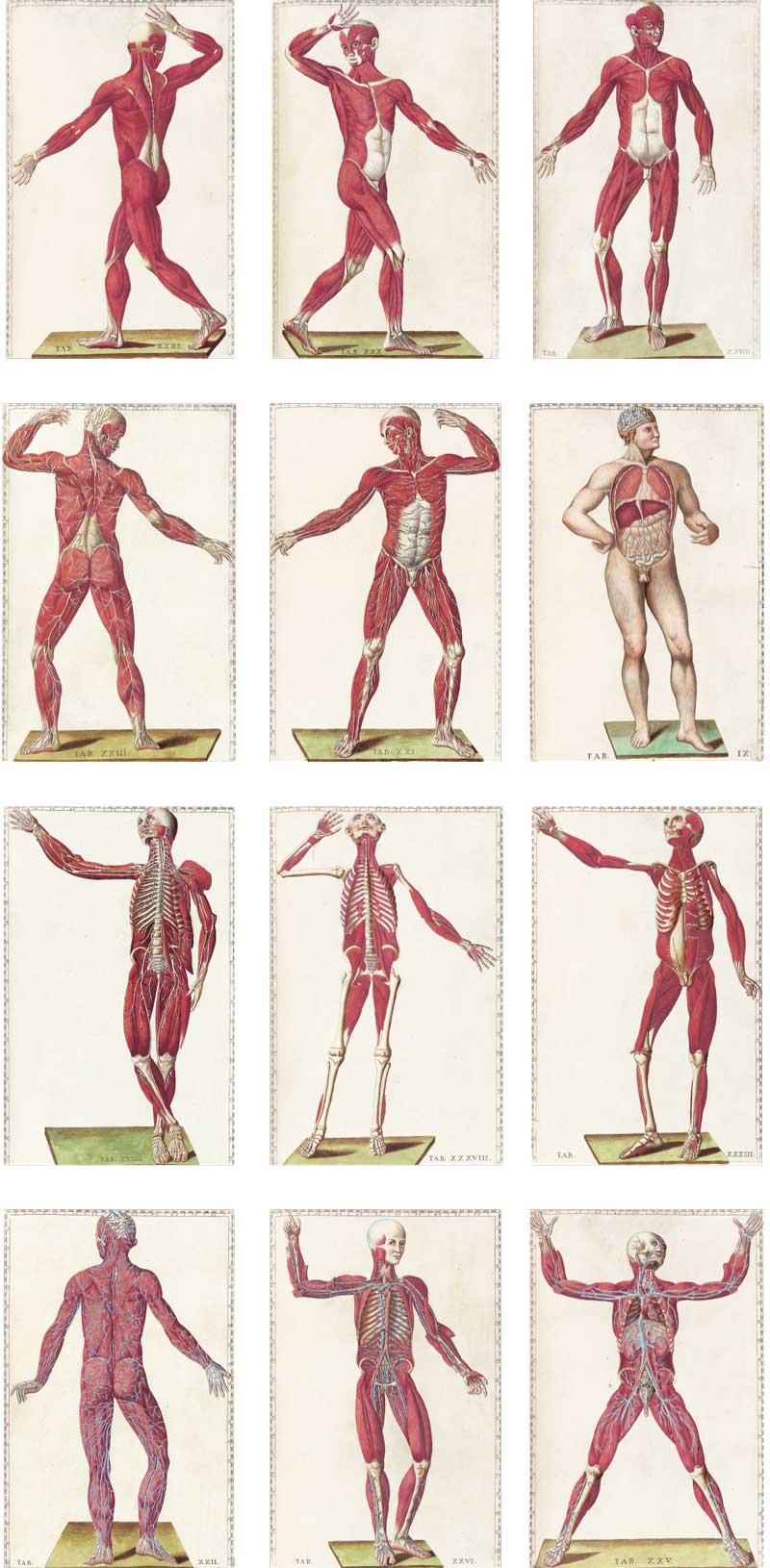
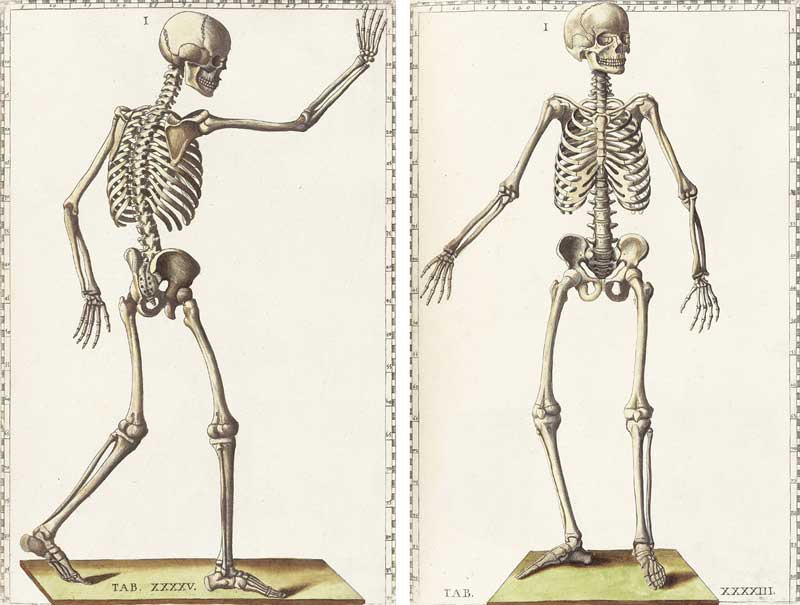
One of his most recent projects is the “Anatomy set in Stone” series. A collection of 17 spectacular mosaics depicting the human body. The mosaics are also available as prints that you can purchase from the artist’s online shop.

The American artist based his work on a set of engravings he found at the U.S. National Library of Medicine. He then based his mosaics on large prints of the engraving and carefully crafted the pieces together.