Crafting an engaging and visually appealing online game platform entails integrating numerous components, with color being a critical ingredient. The choice of colors can significantly influence a user’s interaction with the interface, determining whether they find it welcoming or off-putting. Hence, designers focusing on UI design need a robust toolbox of colors that not only add aesthetic value but also enhance user experience.
The significance of color in ui design for online gaming
For platforms such as the best online casino Ireland, color is more than a mere decorative element. It sets the tone and atmosphere, guiding users through their navigational journey effortlessly. In this context, selecting appropriate color palettes is indispensable to create a cohesive and immersive environment that keeps players engaged while ensuring clarity and usability.
The basics: primary tools and features for color selection
Several tools have emerged as standards in the UI design industry, each offering unique features to aid in color selection:
Sketch: Sketch provides an intuitive interface where designers can experiment with various color schemes. It includes extensive libraries and plugins which facilitate seamless integration of colors into designs.
Adobe XD: Adobe XD offers powerful features like repeated grids and responsive resize, enabling efficient color management within the design process. Its Prototyping feature helps visualize the final appearance before implementation.
InVision Studio: InVision Studio stands out due to its collaborative environment. Designers can work together to choose and refine colors, ensuring consistency across the platform.
Figma: Figma’s real-time collaboration feature allows multiple designers to tweak color choices simultaneously. Its auto-layout feature ensures that color adjustments are uniformly applied throughout the design.
Color Hunt: Color Hunt is an inspiration gallery filled with beautiful color palettes created and shared by designers worldwide. It helps in finding trendy and harmonious color combinations for any project.
Guidelines for choosing a user-centric color palette
Choosing a user-friendly color palette involves consideration beyond personal preference. Here are some guidelines:
Understand the psychology of colors: Each color evokes certain feelings and behaviors. For instance, blue is often associated with trust and calmness, making it suitable for platforms requiring reliability.
Maintain readability: Ensure there is enough contrast between text and background colors to maintain legibility. Tools like the WebAIM Contrast Checker can assist in evaluating color contrast ratios.
Consistent branding: Colors used should align with the brand identity. Consistency helps reinforce brand recognition and loyalty among users.
Cater to accessibility: Consider color-blind users when choosing your palette. Utilize patterns/textures alongside colors to differentiate elements.
Create hierarchy: Use variations in shades and tints to create a visual hierarchy, directing attention to key areas/functions without overwhelming the user.
Exploring practical examples from renowned platforms
Analyzing successful platforms reveals how effectively employed color palettes enhance user experiences:
Facebook: Facebook sticks to a predominantly blue color scheme, reinforcing its identity of trustworthiness and dependability. This consistent use of blue helps users feel secure while navigating the platform.
Spotify: Spotify employs green as its signature color, denoting growth and creativity. Accompanied by dark backgrounds, Spotify’s palette creates an enjoyable environment conducive to long listening sessions.
Instagram: Instagram’s gradient tones promote creativity and energy. These vibrant colors appeal particularly to younger demographics who are keen on sharing visual content.
Leveraging advanced features in design tools for optimal coloring
Utilizing advanced features available in design tools ensures precise and effective application of chosen colors:
Symbols and Styles in Sketch: Reusing symbols and styles lets designers manage colors across multiple artboards efficiently. Any color change made to a symbol automatically updates all instances of that symbol.
Global colors in Adobe XD: This feature enables defining global colors that can be changed universally across the design file, providing consistency and ease in tweaking color schemes.
Interactive prototypes in InVision Studio: Previewing interactions with intended color schemes helps gauge user engagement levels and refine the palette accordingly before full deployment.
Collaboration mode in Figma: Involving all team members in deciding color choices fosters cohesion and reduces discrepancies during later stages of the project.
Finding inspiration with color hunt and other resources
Sometimes, even experienced designers may struggle to find the perfect color combination. Platforms like Color Hunt come to the rescue by curating a collection of trendy and aesthetically pleasing palettes. Other notable mentions include:
Coolors: An easy-to-use generator that creates color schemes quickly, with options to fine-tune shades and save preferred combinations.
Adobe Color Wheel: Enables exploration based on color harmony rules, helping discover complementary, analogous, or triadic schemes tailored to the project’s needs.
Dribbble: Boasts community-driven collections where designers share inspiring works, including well-crafted color palettes used in real projects.
Animation and dynamic color usage in game platforms
In online gaming, dynamic color usage enhances interactivity and responsiveness. Successful implementation includes:
Color transitions: Smooth gradients or fading effects during scene changes provide a more polished and fluid user experience.
Interactive elements: Utilizing hover effects or active states with distinct colors helps users intuitively understand actionable items.
Reward feedback: Bright, celebratory colors can be used upon achieving milestones or rewards, adding an emotional uplift to user achievements.
Analyzing competitors and iterating frequently
Staying ahead requires constant analysis and iteration. Monitor competitors’ approaches and gather feedback regularly to refine your color strategies:
User testing: Conduct surveys and A/B tests to determine which color schemes resonate best with users.
Competitive analysis: Review other platforms targeting similar audiences to identify trends and potential areas for improvement.
Iterative design: Regularly update and test new color palettes to keep the platform fresh and relevant.
The CPU is your Mac’s brain, and it manages as well as assigns resources to your device. However, if the CPU usage is very high, that can become an issue. The Mac performance becomes unstable, and overall you will find the CPU to struggle as it manages the open apps. That brings the question, how can you lower the CPU usage on your Mac? Here are some tips!
Update your Mac
Sometimes the reason why your CPU usage is high is mainly due to the Mac not being up to date. If that’s the case for you, then updating the device can help quite a bit. It’s a very good idea to do that, and the best part is that all of these updates are very reliable. It works extremely well to update your device often, and you can also prevent any potential downsides.
Restart your Mac
The CPU usage can be high at times. After you check it, see if your device is working well or if there are still CPU hungry apps. If there are and any of the other methods did not work, restart your Mac. It does help, and it conveys a very good experience.
See what apps consume the most CPU
You will have some apps that require quite a lot of CPU power. That’s normal, some apps will naturally try to require a lot of resources. With that in mind, the best thing that you can do here is to try and lower the CPU usage naturally. That’s why addressing such a problem is very important, and it can lead to a much better outcome down the line if you replace these apps with less resource-hungry apps.
Remove some login items
In case you see there are some random login items added to the login list, remove those. Usually those launch agents add up the resource consumption, and it does become an issue. The best thing you can do here is to try and remove those login items as quickly as possible.
Close the apps you don’t use
Believe it or not, those apps that you rarely use, but you still have open, will require precious CPU power. That’s why you always want to close apps that you don’t use, because it can be quite a problematic situation. Addressing that kind of problem is going to help, and that’s why you have to manage it in a very effective manner.One thing is certain, you always want to focus on lowering the CPU usage, and these ideas can be very good. Even using a Mac cleanup tool can help you run maintenance scripts and free up RAM, along with making the CPU usage lower. You never know what leads to a high CPU usage unless you check, so use the Activity Monitor and third party apps, see what requires a lot of CPU and then eliminate that problem. Even if it might be something hard to tackle at first, lowering the CPU usage can improve your Mac’s performance, so keep that in mind!
The world of architecture is one that is fuelled by creativity and innovation. Architects all want to put a personalized stamp on the buildings that they design.
However, alongside those concerns, a rising trend within the industry in 2024 is that of sustainability. People are increasingly conscious of the environmental impact of their actions and the architecture industry is no exception to that.
Do you have a plan for sustainability in your work is one of the key questions that people are now asking architects. Social responsibility is no longer an optional extra.
Here are five of the most innovative and sustainable trends that could represent the future of architectural design.
Collaborative Design
Architects have always worked alongside other people, including electricians and construction workers, but now that collaborative field is being expanded. Environmental scientists and social anthropologists are among those who are being brought in from the beginning of a design project.
The reason for that is to look for ways of prioritizing sustainability at every stage of the process. Some people refer to architecture projects of this sort as ‘green architecture’ because of its bottom-up commitment to the environment.
It is the future because the world we live in depends on it.
Reshaping Existing Structures
Another trend that is gaining ground is the reshaping – and recycling – of existing buildings and materials to create new ones. Curiously, shipping containers are at the heart of this and shipping container architecture is a genuine thing.
This means companies that can transform such containers into workspaces or storage units through the addition of container cover roofs. It also means architects creating new buildings out of old shipping containers, like Carroll House in New York.
That is a brutalism-inspired home constructed from cut and stacked metal containers. Aside from design innovation, the purpose is always sustainability.
Greater Use of Wood
The entire construction sector is currently looking for ways to reduce CO2 emissions and greater use of wood is one of them. Wood has always been employed in designs as cladding, but now it is trending as a main construction material.
An increasing number of architects are coming up with designs for wood buildings, with timber the preferred choice. That is because it enables faster and more sustainable construction practices and can be used for modular buildings that are quick and easy to put together.
‘Shop-Top’ Design
The design movement known as ‘shop-top’ is all about preserving important green spaces by building upwards instead of outwards. The idea is to make it possible for people to live in their preferred city areas without choking off all of the parks and other amenities that help the environment.
Its name comes from the fact that it involves designing high quality apartments above shops. Given there is a pressing need to protect green spaces but also a high demand for urban dwelling, there seems little doubt that this trend is going to grow stronger in the future.
The Rise of Prefabricated Buildings
Earlier we referred to old shipping containers being converted to new uses and another of the main ones is for prefabricated housing. The steel-based bodies of these containers make for hard-wearing and practical material to build a small home out of.
This gives architects the challenge of designing an appealing home out of that raw material, but it also meets the need to use reuse existing substances. Steel is highly recyclable, which is another great benefit of it.
It is another trend that supports the shift to sustainability throughout the architecture industry. Prefab buildings made from shipping containers is one of the more surprising and exciting trends for the future.
What these trends have in common is their benefits to the environment, which shows us where the industry is heading. That means they have a good chance of being the way forward especially in the eyes of architects.
Interactive storytelling has revolutionized the way we engage with narratives, offering a dynamic and immersive experience for audiences. By integrating interactive elements, digital stories become more engaging, memorable, and impactful. This article explores the current trends transforming digital narratives and how designers can leverage these trends to create compelling stories.
1. The Evolution of Interactive Storytelling
Interactive storytelling has evolved significantly from its roots in traditional narratives. Early digital stories were primarily text-based, relying on the reader’s imagination to fill in the gaps. However, advancements in technology have introduced multimedia elements and interactive features, transforming how stories are told and experienced. This evolution has allowed for more immersive and engaging experiences, capturing the audience’s attention in ways that static content cannot. From choose-your-own-adventure books to complex interactive documentaries, the journey of interactive storytelling has been marked by constant innovation and creativity.
2. The Power of Flipbooks in Interactive Storytelling
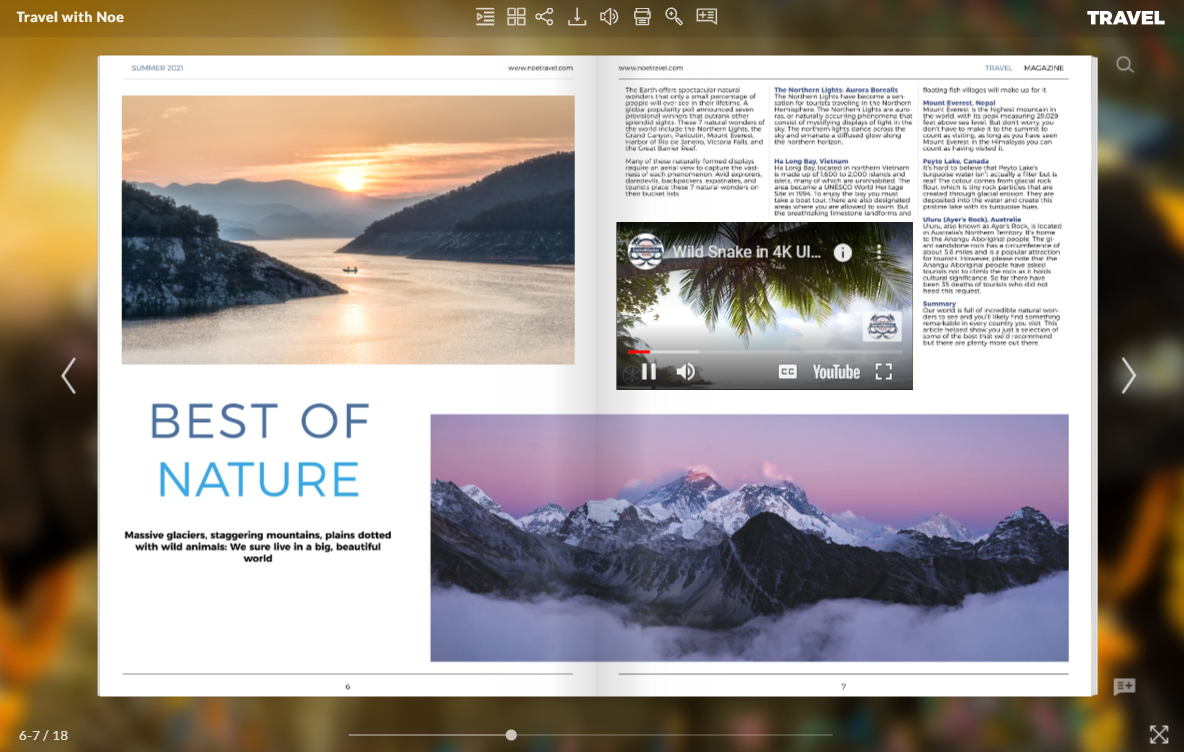
Flipbooks have emerged as a powerful tool for interactive storytelling, blending the traditional appeal of books with modern digital enhancements. Tools like Publuu’s flipbook maker enable designers to create interactive and visually stunning narratives. With features such as multimedia integration, interactive elements, and customizable layouts, flipbooks offer a unique way to present stories that captivate and engage audiences. They provide an intuitive and user-friendly platform for both creators and viewers, making them an ideal choice for interactive storytelling projects. By allowing users to interact with the content through page-turning effects, embedded videos, and clickable links, flipbooks enhance the storytelling experience and keep readers engaged.
3. Immersive Experiences
Immersive storytelling leverages technologies like virtual reality (VR) and augmented reality (AR) to create highly engaging environments. These technologies transport users into the story, offering a first-person perspective that enhances emotional connection and engagement. For instance, VR-based documentaries can place viewers in the middle of a historical event, while AR-enhanced educational tools can bring textbook illustrations to life. These immersive experiences not only make the narrative more compelling but also provide a deeper understanding and empathy towards the subject matter. As VR and AR technology continue to advance, the possibilities for creating even more immersive and interactive storytelling experiences are endless.
4. User-Centric Narratives
Personalization is key in modern storytelling. By allowing users to influence the direction of the narrative, stories become more relevant and engaging. Techniques such as branching storylines and interactive decision points empower users to shape their own experiences, leading to higher satisfaction and deeper connection with the content. For example, interactive video platforms enable viewers to make choices that affect the outcome of the story, creating a unique experience for each user. Case studies of successful user-centric narratives highlight the impact of this approach, showing how personalized content can lead to increased engagement and loyalty.
5. Interactive Multimedia Integration
Integrating multimedia elements such as text, audio, video, and graphics enriches the storytelling experience. Platforms supporting multimedia storytelling enable creators to craft layered narratives that cater to different senses. Effective examples include interactive documentaries that combine video interviews with clickable infographics, and multimedia books that blend text with animations and sound effects. This integration not only makes the story more engaging but also helps convey complex information in a more accessible and entertaining way. As multimedia tools become more advanced and accessible, the trend of integrating multiple forms of media into storytelling is expected to grow.
6. Gamification of Storytelling
Incorporating game elements into storytelling can significantly boost engagement and retention. Gamified narratives use challenges, rewards, and interactivity to keep audiences invested in the story. For instance, interactive fiction games allow players to navigate through a narrative by making choices and solving puzzles, while educational apps use game mechanics to teach new concepts in a fun and engaging way. Successful examples of gamification in digital storytelling include apps that turn language learning into a game and narrative-driven video games that offer rich, interactive worlds to explore. Gamification not only makes stories more enjoyable but also encourages repeated engagement and deeper learning.
7. Social and Collaborative Storytelling
Social media and online communities play a crucial role in modern storytelling. Collaborative projects harness the power of collective creativity, allowing multiple contributors to shape a single narrative. Examples of collaborative storytelling include crowd-sourced story projects where users contribute chapters or plot points, and social media campaigns that invite user participation and co-creation. These collaborative efforts not only generate a diverse range of ideas and perspectives but also build a sense of community and shared ownership. The impact of audience participation on narrative development is profound, as it creates more dynamic and evolving stories that reflect the collective voice of the community.
8. Future Trends in Interactive Storytelling
The future of interactive storytelling is poised to be shaped by emerging technologies such as artificial intelligence (AI) and machine learning. These technologies can enable more personalized and adaptive narratives, responding to user input in real-time. Predictions for the next wave of innovations include AI-driven story generators that can create unique narratives based on user preferences, and more sophisticated interactive environments that blur the line between reality and fiction. As these technologies continue to develop, they will open up new possibilities for creating interactive stories that are more immersive, engaging, and responsive to individual users.
Conclusion
Interactive storytelling continues to evolve, offering new ways to engage and captivate audiences. By embracing trends such as immersive experiences, user-centric narratives, multimedia integration, gamification, and social collaboration, designers can create powerful and memorable stories. Tools like Publuu’s flipbook maker play a crucial role in this landscape, providing an accessible and versatile platform for interactive storytelling. As the field of interactive storytelling grows, staying updated with these trends and innovations will be essential for designers looking to create impactful digital narratives.
In today’s digital age, it’s widely accepted that law firms need a website. However, there’s a crucial difference between simply having an online presence and having a website that actively works to grow your practice. Too many attorneys treat their websites as the digital equivalent of a Yellow Pages listing – a static advertisement that assumes potential clients will already know to seek them out.
The reality is, your website is competing for attention with countless other law firms, distractions, and sources of information. A website that merely lists your practice areas and contact information is unlikely to make a lasting impression. To truly harness the power of your website, you need to think of it not as a brochure, but as a lead generation engine.
Beyond the Online Brochure
Your law firm’s website needs to do more than just inform visitors – it needs to guide them towards taking action. Whether the ultimate goal is to capture an email address in exchange for a downloadable resource, encourage potential clients to schedule a consultation, or even facilitate online payments for retainers, your website’s design plays a crucial role in achieving these conversions.
Think about how users interact with legal websites. Is it immediately clear how to get in touch? Are there prominent calls-to-action strategically placed throughout the pages? Can visitors easily find the information they need, or do they have to dig through multiple pages and menus? Confusing navigation and a lack of clear next steps will cause many potential clients to simply click away in frustration.
Remember, attention spans are short. Optimize your website’s design to make it as effortless as possible for visitors to take that first step toward becoming a paying client.
Starting With Law Firm SEO – What It REALLY Means
The term “SEO” gets thrown around a lot, but for many attorneys, it remains an elusive concept. Understanding how to tap into law firm SEO effectively requires looking beyond buzzwords and focusing on the intent behind those keywords. Simply stuffing your website with legal jargon won’t magically bring clients to your door. Instead, think about the words and phrases potential clients are likely to type into a search engine when they’re facing a legal problem.
For example, someone searching for a divorce lawyer isn’t likely to use the term “dissolution of marriage”. They might search for “how to file for divorce in [their state]” or “child custody lawyers near me”. By targeting these kinds of specific keywords, you increase the chances of your website appearing in front of people who are actively seeking the services you provide.
While SEO can produce impressive results, it’s important to be realistic about the timeline. Ranking high in search results takes time and consistent effort. However, unlike paid advertising, the payoff from a well-executed SEO strategy can continue to bring in highly qualified leads for months, or even years, to come.
Become the Authority With Content
One of the most powerful ways to transform your website into a client-generating machine is through the strategic use of content. By answering the common – and even the unspoken – questions of potential clients, you position yourself as the go-to authority in your field. Think about the worries and uncertainties that plague someone facing a legal issue. What keeps them up at night? Crafting informative blog posts that directly address these pain points can make all the difference.
For example, an estate planning attorney might write a post titled “What Happens if I Die Without a Will in [Your State]?”. This not only targets a relevant keyword phrase, but it also speaks to a very real fear that many people have. By providing clear, actionable information, you demonstrate your expertise while simultaneously building trust with potential clients.
Overall, lawyer SEO isn’t just about keywords. Search engines like Google reward websites that provide valuable and informative content. Well-written blog posts that offer genuine insights are more likely to rank highly, bringing a steady stream of organic traffic to your website.
Location, Location, Location – The Online Edition
In the world of local SEO for law firms, your website and Google My Business (GMB) profile go hand-in-hand. A well-optimized GMB profile boosts your visibility in those coveted “map pack” results that appear for local searches, while your website provides the depth of information and credibility that encourages searchers to click through. Ensure consistency between your website and GMB listing in terms of your address, phone number, and the categories of law you practice.
The importance of location-focused content on your website shouldn’t be underestimated. Potential clients often use phrases like “[type of lawyer] near me” or “[type of lawyer] in [city].” Incorporating these local keywords into your website’s pages, as well as creating content that’s hyper-relevant to your community, can significantly improve your search rankings. Consider blog posts on local legal developments, resources specific to your city, or even client success stories that highlight your connection to the area.
Conclusion: The Website That Pays You Back
Too many attorneys view their website as a necessary expense, rather than a powerful investment in their firm’s future growth. To fully realize the potential of your website, a shift in mindset is essential. Think of it as a digital employee that works tirelessly on your behalf, 24/7.
Just like any investment, it’s crucial to track the return you’re getting from your website. Are you seeing an increase in qualified leads or consultations booked directly through your site? Can you trace new clients back to organic search traffic? By setting up proper analytics and conversion tracking, you’ll be able to make data-driven decisions about future refinements and maximize your website’s ROI.
Don’t go it alone! While the world of web design and SEO might seem daunting, numerous resources are specifically tailored to the legal industry. Seek out websites that focus on legal marketing, such as LawLytics, Lawyerist, or blogs of digital marketing agencies like Comrade. These resources offer in-depth insights, actionable advice, and often have curated lists of vetted service providers who understand the unique challenges and opportunities that law firms face in the online marketplace.
Crafting compelling designs is more than just a component of advertising, it’s the cornerstone of brand differentiation and visibility. With strategic design, your brand can not only distinguish itself but also captivate a wider audience, fostering meaningful connections that propel business growth.
Visual Appeal
Advertisements wield the power to craft visually captivating content that leaves a lasting impression on viewers, enhancing brand perception. It can catch the interest of the audience prompting them to explore further into what your brand offers. For example, during a canopy for sporting events or other activities, you can use designs that include striking images and vibrant colours, which have the power to draw attention to your advertisements.
Brand Identity
Your ability to reach customers goes hand-in-hand with developing a better brand personality. Customers will have an easier time remembering your brand if it is associated with distinctive typefaces and logos. Your brand recognition and credibility will increase while reaching diverse audiences using creative and eye-catching visuals in your commercials and advertisements. This will make it possible for you to incorporate and build these elements into your brand, in which case you will be in a position to cement a unique identity within the industry.
Conveying Complex Ideas
Design is the process by which complex ideas may be translated into visually compelling and understandable graphics. It is possible to easily simplify complex ideas into quick visual messages, making it easy to remember and be communicated through cutting-edge aesthetics, strategic typography, and impactful imagery.
Creative design turns an advertising campaign into a coherent story that will resonate with the viewer on an emotional level. Good design means that the brand will not be lost in the information stream and has the power to be noticed, making the advertising more effective and more successful in reaching its target audience.
Cross-Channel Integration
The cross-channel integration of the advertising sector is impossible without excellent design. Colors, typefaces, and artwork are among the visual elements that are constant and easy to remember across all devices. With a unified design language, users experience everything more consistently. This covers banner advertisements on websites, TV advertisements, and social media. Customers are more likely to recall and trust a brand that presents itself consistently on all of its platforms, and consistency serves to reinforce the identity of the business.
Stand Out
These unique visual elements set you apart from the competition in the eyes of the consumers, thereby enforcing the personality of your brand in the market. You would have to push the envelope of your design if at all you would ever want to stand a chance of reaping from the benefits that come with increased visibility, brand loyalty, and market share.
Endnote
Design has been the leading role in the evolution of advertising. It helps draw focus through visual marvels and keep the brand loyalty in line with a consistent identity. Consumer tastes usually change within a matter of days, so as a designer, one has to stay up to date with recent trends.
In today’s digital landscape, a law firm’s website isn’t a mere online brochure; it’s often the first point of contact with potential clients. That means substandard web design can leave a lasting negative impression, potentially costing your firm valuable business. The competitive nature of the legal industry demands a website that is professionally designed to not just inform but to establish trust and convert visitors into clients.
This means choosing the right web design company is an organizational decision that shouldn’t be taken lightly. It’s a partnership that can have a profound impact on the success of your firm. For instance, agencies like Growlawfirm, which specialize in working with law firms, bring tailored expertise to the process. They deeply understand the nuances of client acquisition within the legal sector.
The main questions are: Why is partnering with a professional web design company important for law firms?
What are the benefits of such an investment and how it can enhance your ability to attract and retain clients in this increasingly digital world?
You can find the answers to all of your questions here.
The Role of Web Design in Law Firm Branding
Your website is more than just a digital calling card – it’s a core element of your law firm’s brand identity. Web design directly shapes how potential clients perceive your expertise, professionalism, and even your core values. Consider how a cluttered, poorly formatted site might convey disorganization, while a sleek and modern design fosters a sense of competence and innovation.
Successful law firms know this intuitively. When you search “find a law firm web design company” you’ll likely encounter websites with deliberate design choices. Some convey a sense of tradition and established authority, while others project a more dynamic, tech-savvy image. The use of colors, logos, and typography all subtly but powerfully reinforce these brand values.
To achieve true brand impact, your website must align seamlessly with your other marketing materials. A web design company experienced in the legal sector understands this. They’ll ensure your website’s aesthetic carries over to your social media presence, printed brochures, and any other client-facing communications. This consistency reinforces your firm’s identity, enhancing its memorability and solidifying your brand in the minds of those seeking legal services.
User Experience and Client Acquisition
User experience (UX) is the cornerstone of any successful website, and law firms are no exception. It encompasses how a visitor interacts with and feels about your website. A seamless, intuitive UX keeps visitors engaged. Conversely, a confusing or frustrating website can cause potential clients to abandon their search for legal counsel before you’ve had a chance to present your firm’s value.
The link between positive UX design and client acquisition for law firms is clear. A well-optimized website offers a favorable first impression that builds trust. It signals professionalism and a willingness to invest in providing a smooth experience for potential clients.
Key UX considerations for law firm websites include intuitive navigation, allowing clients to find critical information with ease. Page speed is paramount – slow loading times can lead to high abandonment rates. Lastly, with more users accessing the web on mobile devices, responsive design that adapts effortlessly to various screen sizes is a must.
Establishing Credibility and Trust Through Professional Design
In the world of legal representation, trust is everything. Before engaging with a law firm, potential clients meticulously assess credibility. Your website serves as a digital representation of your firm, and its design plays a surprisingly large role in whether a visitor perceives you as trustworthy.
Subconsciously, users equate sleek, modern design and seamless navigation with professionalism and competence. Conversely, an outdated or poorly designed website can signal a lack of attention to detail or an unwillingness to invest in the client experience. This can damage your firm’s reputation before a potential client ever speaks to an attorney.
Research supports this notion. Studies indicate that well-designed websites directly influence perceived trustworthiness, a key element when choosing legal counsel. For example, consider law firm review sites like “Research the Best Lawyer” These platforms often feature visual cues and design elements that foster a sense of reliability and expertise. Investing in a professional website positions your firm to leverage the powerful link between design and client confidence.
SEO and Online Visibility
Web design and search engine optimization (SEO) are intricately linked. A visually stunning website means little if it remains buried within the depths of search engine results. This is where SEO-friendly design becomes paramount. Features such as structured data help search engines understand the distinct elements of your site, while optimized images ensure fast load times – a major factor in search rankings. These technical factors may seem like small details, but they collectively make a massive difference in how easily potential clients discover your firm online.
To maximize SEO, law firms must collaborate closely with their chosen web designers. Designers who have a foundational understanding of SEO can make informed decisions about site structure and navigation, leading to improved search engine rankings. This synergy between design and SEO is the best way to ensure your website isn’t just beautiful, but also a powerful tool for client acquisition.
Finding the Right Web Design Company
Choosing the right web design company for your law firm requires careful consideration. Look for a company that demonstrates a deep understanding of the legal industry’s unique needs. Ideally, they should have a proven track record with law firms, and perhaps even specialize within niches like personal injury blog topics. This experience translates into websites tailored to the challenges and goals of legal professionals.
Strong communication and collaboration are also paramount. Your chosen web design partner should be invested in learning about your firm’s distinct voice and areas of practice. Open dialogue throughout the design process ensures that the final website effectively represents your brand and resonates with your target client base.
Conclusion
Throughout this article, we’ve illustrated how professional web design is a cornerstone of a successful modern law firm. From establishing instant credibility to offering a seamless client experience, the impact of a well-designed website cannot be overstated. Investing in professional web design demonstrates a commitment to providing top-tier services – a message that resonates with potential clients.
Ultimately, your law firm’s website should be viewed as an integral part of your overall business strategy. In the dynamic legal market, a strategic, expertly crafted website is a potent tool for attracting, engaging, and ultimately converting leads into loyal clients.
For many entrepreneurs, deciding on the business structure is one of the preliminary steps that can set the tone for this adventure. A Limited Liability Company (LLC) often emerges as a preferred choice due to its flexibility, tax advantages, and, as the name suggests, limited liability for its members. In this comprehensive guide, we’ll explore the entrepreneur’s roadmap to LLC formation, focusing on six key strategies that can steer you toward success.
1. How To Set Up an LLC
When you’re ready to turn your business idea into reality, setting up an LLC is a pivotal moment. When you decide to start a business in the UK with limited liability, the formation process begins with a clear plan and understanding of the legal landscape. The first step involves filing your Articles of Organization with the relevant state agency, a foundational document that includes essential details about your business, such as the business name, principal address, and the names of its members.
Following this, creating an Operating Agreement is advisable, even if not mandated by your state. This internal document outlines the ownership structure, member roles, and operational procedures, laying down the rules that will govern your LLC. It acts as a safeguard for both the business and its members, ensuring everyone is on the same page regarding how the business is run and how disputes are resolved.
Securing necessary licenses and permits is the next step, which varies depending on the industry, state, and locality of your business. Compliance with these regulatory requirements is crucial to operate legally and avoid potential fines or business shutdowns.
2. Choosing the Right State for Formation
The location of your LLC formation can significantly impact your operating costs, tax obligations, and legal requirements. Each state has its unique set of laws, tax structures, and incentives for LLCs. For instance, states like Delaware, Wyoming, and Nevada are popular for their business-friendly laws and tax benefits. Evaluating the state-specific advantages against your business goals and operational needs is crucial. An informed decision can lead to long-term benefits and savings for your budding enterprise.
3. Naming Your LLC
The process of naming your LLC is more than just a creative endeavor; it’s a critical branding and compliance step. The name you select should not only resonate with your brand identity but also meet the naming guidelines of your state. Typically, this involves ensuring the name is distinguishable from existing businesses and includes an LLC designator. For instance, you may use “LLC” or “Limited Liability Company” in your business name. Checking for trademark conflicts and reserving the chosen name with the state are also essential steps. Conducting a thorough name search can prevent potential legal hiccups and help establish a unique identity for your business in the marketplace.
4. Managing Your LLC’s Taxes
One of the significant advantages of an LLC is the flexibility in how it can be taxed. By default, LLCs are treated as pass-through entities, meaning the business itself is not taxed directly. Instead, the profits and losses pass through to the individual members’ tax returns. However, LLCs have the option to be taxed as a corporation if it’s more beneficial. Engaging with a tax professional can help you understand your options and ensure your business leverages the best tax structure.
5. Protecting Your Assets
The allure of limited liability protection is a key reason entrepreneurs opt for an LLC. To ensure this protection is upheld, maintaining the separation between personal and business finances is paramount. This means opening a business bank account, obtaining a business credit card, and being meticulous about documenting business transactions. Failure to do so can lead to “piercing the corporate veil,” a legal situation where the LLC member’s assets become vulnerable to business liabilities.
6. Continuous Compliance and Document Maintenance
Forming an LLC is not a one-time task but an ongoing commitment to compliance and documentation. This includes annual reports, renewals of licenses and permits, as well as updating any changes in the business with the state. Staying organized and proactive in these duties is essential to ensuring your LLC remains in good standing and continues to benefit from the legal protection and credibility it offers.
Forming an LLC presents a promising pathway for entrepreneurs aiming to launch their ventures with a solid foundation. By adhering to these six key strategies, you can navigate the complexities of LLC formation with confidence. Remember, while the road to entrepreneurship can be challenging, the rewards of aligning your business for success from the outset are immeasurable. Whether you’re a seasoned entrepreneur or new to the game, understanding the intricacies of LLC formation is a critical step toward realizing your business aspirations and securing your professional future.
These entail securing sponsorships, pay-per-view implementation models, offerings in merchandise for sale, and, largely, market engagement with the audience through donations towards the courses. “This means providing creators with the tools and products they need to earn money through sponsorships, forming partnerships with brands that regularly run content through the creator, and encouraging the viewer to support the creator. These will help the streamer gain more money with a personalized approach to increased quality and driving to make money on the stream.
Leveraging sponsorships and brand partnerships
Increase your income through sponsorships and brand partnerships. Partner only with relevant brands for your content and audience, as this helps you deliver authentic endorsements that reach your viewers. This benefits your business because it not only reaps the engagement and sales related to video commerce but also enhances the experience in your broadcasting. You can negotiate about product placement or sponsored segments in your program to have a steady inflow of benefits into your business. Building a strong rapport with sponsors will increase your content’s value and open avenues through which you can easily win new opportunities for monetization.
Implementing pay-per-view or subscription models
They can monetize the live stream by using revenue models such as pay-per-view events or subscription-based models. This strategy will capture quality viewers who will spend money paying for the experience they have been offered. This strategy provides the benefits of video commerce, such as increased engagement and sales, and enhances the overall quality of your broadcasts. You may also consider tempting your audience by offering interesting content and perks for subscribing or purchasing access to your streaming.
Offering merchandise and exclusive content
Add merch and gated content to your live streams, and you’ve just opened new potential revenue streams and opportunities for audience engagement. From that moment on, you can monetize your brand by offering fans a physical way to support your channel and, at the same time, sell some branded products like apparel, accessories, or even digital downloads related to your broadcasts. Behind-the-scenes, bonus, or interactive content only available to the paying viewer may give them more of a reason to pull the trigger on the purchase, making a customer feel part of a special group with access to such content.
Engaging with your audience through donations and tips
They permit donations and tips if you interact with your audience through live streaming, building a community. If the latter likes the content and is willing to support it via platforms with donation functionalities or virtual tipping, this is another way to get a more direct source of income. You will also be able to thank the contributors and even give acknowledgments during the broadcasts, creating a sense of affiliation with you and supporting your work. These interactions can also develop a relationship between the audience and the company, where the audience’s degree of engagement and financial contributions can increase.
Sponsorship, pay-per-view, merchandise selling, and receiving donations are ways of monetizing a livestream channel and drawing more potential to enhance earnings. By authenticating partnerships with brands, content creators can ensure the growth of their revenues not only by raising but also by growing a community of engagement that can further be contributors through donations and having access to exclusive content. If you’re doing a full-time job of live streaming, you must have multiple revenue streams and focus on audience interaction.
Are you more than a bit overwhelmed by the sheer number of available web design resources and tools? We are not surprised. We are too.
It seems that we read or hear about the same web design tools & resources over and over again. Eventually, it becomes more and more difficult to tell them apart.
This list was built as an alternative to that. We picked a selection of some of the best web design tools and resources on the market, tools and resources you rarely hear about.
Our list of 15 best web design tools & resources can be divided into5 categories:
Tools for building websites and pages that include a promising free AI website builder together with several top-of-the-line free and premium WordPress themes.
Tools for building ecommerce stores that includes a first-rate Shopify theme. You will also find some popular WordPress themes that have been developed for WooCommerce only.
Tools for adding animations & special effects to help your website charm its visitors into buying whatever you are selling.
Tools that add popular website functionalities. One of the most popular of which is booking. We have included two tools that are easy to use and will do an excellent job together with a tool for complex data management.
Resources for visually improving your website. We have included a well-liked illustrations and icons resource. As well as a free font identifier you can use to identify whatever cool font you come across.
At least 50% of these awesome web design resources and tools are free for you to try or use.
What do these Web Design Tools & Resources tend to have in common?
They are of high quality. They are aesthetically and functionally top tier web design tools and resources.
Most of them are free or have a free version. So, they will help you save money.
They can improve the appearance of your website projects. These web design tools and resources can turn a so-so website or page into a genuine attention grabber.
The product in 15 words or less: The Trafft White Label option is perfect when your clients need a powerful booking system.
Click on the video for a firsthand look of one of Trafft’s most popular usage.
Trafft enables you to effectively manage online appointment bookings, accept payments, organize team schedules, send reminders, and more. Are you a developer? If so, Trafft’s White Label Option allows you to rebrand and sell Trafft‘s booking solution as your own.
Whether you use the While Label option or not, there are many things about Trafft you will like, including:
the remarkable depth of customization you can achieve.
Trafft’s ease of navigation
the ease with which you can schedule virtual meetings.
the library of fully customizable prebuilt websites.
With respect to the latter, the Divine Beauty and Spa pre-built website shows how to manage bookings for a range of beauty services, but it can easily be customized to fit almost any range of services.
Rating (average): 5 /5 on Capterra, 4.7/5 on Trustpilot.
User experience: “Trafft has been a great addition to my consulting business. Using Trafft, I was able to easily set up a booking website, where clients could come, and book 1:1 coaching session with me. Since it already has calendar integration and payment gateway built-in, it saves a lot of back and forth on getting confirmed bookings. Love the product!”
Self-support materials: YouTube videos, support manual and social networks.
The product in 15 words or less: wpDataTables makes table and chart building and data management tasks easier for multiple data sources.
Click on the video for a firsthand look of one wpDataTables’s most popular usage.
wpDataTables is well known for enabling its users to create tables/charts with ease when tasked with managing massive amounts of data, or data from diverse sources.
Multiple Database Connections, wpDataTable’s top feature, adds significant data management power to this already power-packed plugin. With this top feature at your disposal, each of your tables can establish an independent connection to MS SQL, MySQL, or PostgreSQL databases.
When you first begin to use wpDataTables, you’ll quickly observe how exceptionally user friendly it is and how it can streamline your workflow.
There are also opportunities to put wpDataTables’ time-saving templates to effective use. The Responsive Premier League Table template could be applied to any number of uses.
Rating (average): 4.5/5 on WordPress.org
User experience: “I love wpDataTables plugin, this is the best in the game and it makes my job easy. The support is the best and they don’t descriminate between free and premium users.”
Self-support materials: the support manual, YouTube videos, and the Facebook community.
The product in 15 words or less: Amelia’s comprehensive easy-to-use plugin helps you manage bookings and events.
Click on the video for a firsthand look of one of Amelia’s most popular usage.
The Amelia WordPress booking plugin provides timely, accurate, and hassle-free management of appointments and events. Its most notable feature, the automated multilingual notifications system, is a favorite of more than 70% of its users. The notifications system keeps you updated about the status of appointments or events and at the same time fosters efficient communication between customers and among employees. The system also offers custom notifications that allow you to tailor alerts for specific services or events.
You can use a template to help you customize your website in a way that will make booking easier for your clients and also serve to attract potential clients. The Home Spa template is one example.
You will quickly come to love Amelia’s simple navigation and depth of customization opportunities.
Rating (average): 4.8/5 on Capterra.
User experience: “Amelia Booking is a standout choice for anyone in need of a booking solution on their WordPress website. After some initial use, I’ve been thoroughly impressed with its rich array of features that cater to a wide variety of booking needs. The interface is intuitively designed, making navigation and configuration a breeze, even for those who might not be tech-savvy.”
Self-support materials: Support Manual, YouTube Videos, Discord Group, and Amelia’s detailed documentation on plugin functionalities.
The product in 15 words or less: Mobirise AI is a free, easy–to-use AI-powered website builder,
Click on the video for a firsthand look of one of Mobirise AI’s most popular usage.
Whenever you are able to accomplish a lot by doing very little, it can’t help but leave you with a good feeling. The Mobirise AI Website Builder’s top feature will do exactly that for you because of its ability to create a page or a small website through use of a single prompt.
You can’t start out by giving Mobirise AI a prompt and expect something good to happen. You first have to tell the builder what you want your website to do and how you want it to do it .You can do so in any language.
Upload a description of your website, follow with a prompt and let the AI engine do its thing, which will be to download a content-rich website.
As you might expect, the initial result will not be exactly what you want; but it should be a reasonably good start; maybe even close. In reality, you should expect to make some additions or adjustments, which you can do with the Mobirise AI website builder app.
Mobirise AI will definitely save you time, it is optimized for SEO, and it will produce engaging content tailored to your site’s overall message.
Self-support materials: Support manual, YouTube Videos, and the User Forum.
The product in 15 words or less: LayerSlideris your ultimate WordPress plugin for creating visually stunning animated web content.
Click on the video for a firsthand look at one of LayerSlider’s most popular usage.
LayerSlider gives you the opportunity to take your web content to the next level.
LayerSlider is much more than a basic slider builder. It has some truly remarkable web design features, the most important of which is a wide range of connected online services that give you the ability to seamlessly integrate spectacular animations, graphics, and special effects, into your websites, and in doing so, takes your web content to the next level.
It is important to note that incorporating jaw-dropping animations into a website that visitors can’t help but notice is great for marketing purposes or for promoting your brand online. Additionally, you can make excellent use of the pre-made, downloadable, and exquisitely designed professional LayerSlider templates. You can simply customize them by adding your own content while taking full advantage of impressive features like scroll effects.
Wow! That’s what you’re likely to say when you first see what happens when you check out LayerSlider’s Four Seasons website template. One more thing. Integrating compelling animations into a website significantly enhances its ability to captivate visitors, making it an invaluable tool for online business promotion and marketing strategies.
User experience: “It’s unbelievable how easy to create stunning scrolling effects!”
Self-support materials: Support Ticket System, built-in help in the Project Editor, and answers to pre-purchase questions.
The product in 15 words or less: Uncode provides web designers and developers with a quick solution to their website-building challenges.
Click on the video for a firsthand look of one of Uncode’s most popular template.
Userswill consistently point to the WooCommerce demo library when asked what Uncode’s most important feature is. They would mention the strict attention to detail evident in the designs, or the demos’ inspirational qualities. You will most likely come to the same conclusion. they found when searching among them.
Whatever demo you end up selecting will naturally depend on your particular needs. Uncode’s Retail Shop demo is one of the five most widely used, and has what could be thought of as a “one size fits all” layout with some surprising special effects.
Once you become an Uncode user, you’ll like the many customization options that are open to you, the value of the wireframes and demos, and of course Uncode’s exceptional level of customer support. If you are creating a shop, there is a wealth of advanced WooCommerce features open to you. If you are in the freelancing business, you’ll find you have lots of company within Uncode’s worldwide user base.
Rating (average): 4.89/ 5
User experience: “Working in this theme has been an extraordinary experience, daunting at times but a beautiful experience nonetheless. I started using WordPress back in 2005 (WordPress 1.5), and using Undsgn in 2024 for my new portfolio website is the cutting edge of what personal websites have become in this current iteration of the internet experience. Their customer service is unmatched.”
Self-support materials: the support manual, YouTube videos, and the Facebook Group
The product in 15 words or less: You can use Slider Revolution to build hero sections, responsive sliders, and even complete websites.
Click on the video for a firsthand look of one of Slider Revolution’s most popular usage.
Slider Revolution’s visual no-code WOW effects, its top feature, makes it easy to design stunning website content sections, home pages, and more. You can either create a design from scratch or borrow content from other sources.
The Slider Revolution plugin was once limited to the creation of simplistic sliders and people were happy with that. Today, when you have Slider Revolution in your design toolkit, you can create:
a home page that is guaranteed to grab and hold a client’s attention.
an eye-catching portfolio that refuses to be unseen.
design a jaw-dropping section anywhere on a website.
Slider Revolution’s Food Presentation template with its vibrant hues can easily be customized to fit your needs. Slider Revolution is well tailored for use in web stores, small agencies, and for individual web designers as well.
Rating (average): 4.65/5 on Trustpilot
User experience: “The plugin is loaded with features and tools to create captivating content. I’m using it to create a presentation, sort of like PowerPoint…….It takes a while to learn how to use it, but worth the effort. There are lots of tutorials, including videos, to help you if you get stuck. I really like this plugin.”
Self-support materials: Support Manual &YouTube Videos
The product in 15 words or less: WhatFontis is the top-performing free font identifier on the market.
Click on the video for a firsthand look of one of WhatFontis’ most popular usage.
Any product that will help you find that “must have” font and do so with an accuracy of 90+% in identifying fonts regardless of the license (free or commercial) is certainly one you should have in your design toolkit. If you ask what WhatFontis’ top feature is, it is simply that it does exactly what it was designed to do, and to near perfection.
WhatFontis is the only font identification system that can claim 90+%accuracy. When it does fail to identify a font, it can usually be attributed to an uploaded image of inferior quality.
How does WhatFontis work?
Upload a clean text image that contains the font you need (Note that for cursive text the letters need to be separated).
WhatFontis has a database which includes 990K+ free and commercially licensed fonts, a database that has nearly 5 times greater capacity than its nearest competitors.
An AI-powered search engine quickly identifies the uploaded font along with up to 60 close matches.
You can use WhatFontis regardless of a font’s publisher, producer, or foundry. You are requested to respect the work of the font makers and you are also expected to use the font in accordance with the terms of its license.
The product in 15 words or less: Essential Grid enables you to easily create any gallery layout you can envision.
Click on the video for a firsthand look of one of Essential Grid’s most popular usage.
Essential Grid’s top feature is its library of 50+ unique grid skins, which should not come as a surprise because that is exactly what this gallery-building plugin is all about.
Check out Essential Grid’s gallery skins and you’ll probably come across a few formats you never knew existed (i.e., unique). If you don’t find exactly the layout you want, you can rely on the visual skin editor and other customizing options can take get the layout you want.
Scroll through the Leon Draisaiti WooCommerce Grid for WordPress template and you’ll find a somewhat different take on what a shop grid might look like. It may not be quite what you need, or it could be exactly what you wanted but did not have in mind.
Essential Grid can be a real time saver, especially in the way it can effectively help you organize your content streams, together with the possible use of a template.
Rating (average): 7/5 on Trustpilot
User experience: “Essential grid is a powerful if sometimes opaque to tweak. However, if you need help, the additional support in the paid version is excellent and well worth it.“
Self-support materials: Support Manual, YouTube Videos
The product in 15 words or less: Make Blocksy’s free WordPress theme your choice for building a lightweight website.
Click on the video for a firsthand look of one of Blocksy’s most popular template.
What is Blocksy’s top feature? Its users came upwith 7. You might pick the onethat’s most important to you. Or you might simply choose them all.
The Custom Blocks Module has a vibrant fan base, andthe way in which Blocksymanages Dynamic Data and Custom Post Typesreceives more than a fair share of votes.If you are a developer, Blocksy’s White Label Module would likely get your vote.
It’s obvious that there are many thingsyou would like about Blocksy. The theme is fast and easy to work with and its granular controls give you precise control over every aspect of your design.
One more thing.Blocksy is free!
Blocksy’s superb demo collection might also be one of your favorites. While the Petsy example is perfect for dog lovers, it can easily be customized to serve as a starter site for almost any business niche.
Rating (average): 5/5 on WordPress.org
User experience: “Blocksy is fast and light, responsive and beautiful. Blocksy has nothing superfluous and has everything you need. I love Blocksy, and Blocksy loves me.”
Self-support materials: the Support Manual and the documentation section.
The product in 15 words or less: GetIllustrations.com is a vast library of over 23,000 premium illustrations and icons for designers.
Click on the video for a firsthand look of one of GetIllustration’s most popular icon packs.
GetIllustrations’ top feature is threefold: (1) 23,000+ vector human-drawn illustrations, (2) free updates for 1 year, and (3)new illustration packs are added every week.
Every illustration carries a message. They are not random designs, but reflect what systems analysts, corporations, and UI designers use. Essential illustrations is a pack of 1,200 minimal outline, one color illustrations that are very easy to integrate in any project. Included in this pack are the source files in Adobe illustrator format, Optimized SVG for web, PNG, Sketch, Figma, Adobe XD and Iconjar library.
The beauty of these illustrations is that they are minimal and light, and you can use them to present ideas without distracting your visitors with a lot of colors and elements. A standard commercial license is included with every purchase. Once you buy an illustration it’s yours to keep.
User experience: “Have used illustrations from this team before this launch and they really took our content to the next level. This is beyond worth it and can take anything you have and make it exceptional. I’m just annoyed that the world is seeing it because it’s been my secret weapon all this time!”
Self-support materials: twitter.com/RamyWaffa, designer and curator
The product in 15 words or less: Use XStore’s online stores and product booster features to build an online store that rocks!
Click on the video for a firsthand look of one of XStore’s most popular template.
XStore is best known for its sizable selection of pre-built online stores. Anew XStorefeature,itsselection of Sales Booster Features, has taken over asits top feature however.
That is certainly not a problem with XStore users since they have the highest number of these sales boosting featureson the WordPress market at their disposal. Cross sells after “Add to Cart”,Frequently Bought Together, a sticky ad to cart bar, and aFree Shipping progress bar are several of about a dozen sales boosters.
The Single Product Builder, a Cart Builder, and a Checkout Builder for shop owners are other widely used and highly popular XStore features.
You will find XStore’s Control Panel and Builders Panel easy to work with along with the online stores (demos) that can be a real help in getting a project off to a quick start. XStore’s Elementor Animals (Pet Store) demo is widely used, features a pleasant, easy to navigate layout, is easily customizable, and can be put to a variety of uses.
Rating (average): 4.87/5
User experience: “Fantastic customer support and amazing theme.”
Self-support materials: Support Manual, YouTube Videos
The product in 15 words or less: You can use WoodMart to create any fast and responsive WooCommerce store you want.
Click on the video for a firsthand look of one WoodMart’s most popular template.
One thing that will jump out at you when you first visit WoodMart’s website is the feeling it gives you start shopping as you scroll down the page. The layout of this website is realistic, and it’s that design realism that is WoodMart’s top feature. With its incredibly configurable product page layouts, this premium WooCommerce theme has a lot to offer you.
You can take full advantage of WoodMart’s Elementor and WPBakery page-building support as you build your content. Then, it is simply a matter of prototyping your website in a few clicks using a demo or combining different demos from the pre-made templates library to create your pages. Demo Shoes with its straightforward and easily customizable layout, is one of the most popular demos.
Other features that will work in your favor when creating your site include:
the Theme Settings performance optimization and Theme Settings Search capability features.
the social integrations options for marketers.
or if you are a developer, you will be happy to discover that WoodMart has a White Label option.
Your finished product will be beautiful, fast, and SEO optimized.
Rating (average): 4.93/5
User experience: “Great theme, flexible and a lot of features. Also, very helpful support.”
Self-support materials: The Support Manual and YouTube videos
The product in 15 words or less: Hongo is a uniquely enhanced Shopify theme with customer-friendly features and demos.
Click on the video for a firsthand look of one of Hongo’s most popular template.
Hongo will tell you that the quality of its overall design is its top feature. The truth of that claim will become obvious to you once you see how that design quality is embedded into the Shopify-type websites you can create. Another rather nice feature is the option you are given to use Hongo’s custom eCommerce features rather than Shopify apps, an option that will save you money.
You will also appreciate the wealthof customization options Hongo offers, the fact that this theme is built for speed and will give you excellent performance on any device of your choosing, and the time you can save by taking advantage of Hongo’s carefully crafted demo stores.
There are currently 19 demos stores with more to come, they cover an array of popular eCommerce niches, and they can be mixed and matched. To help you with your design activities you also have instant access to more than 100 pre-built pages and more than 150 pre-built page sections. Hongo’s Fashion Store Shopify theme can get any project that use its layout off to a great start.
Rating (average): 4.87/5
User experience: “Great theme and great, fast support! 100% recommendation.”
The product in 15 words or less: The Litho Elementor WordPress theme offers a remarkable selection of page and website building options.
Click on the video for a firsthand look of one of Litho Elementor’s most popular template.
Litho’s top feature is its closeintegration with Elementor, an assimilation that accounts for the remarkable page building capabilities and options you have access to.Litho users range from freelancers and artists to shop owners and digital agencies.
You will ever have a problem when putting Litho’s capabilities to use. You can customize most page items using Elementor-like header, footer, mini header, archive page / post template, page title and promo popups.
Litho’s demos can be imported either individually or en masse and can be mixed and matched. Litho’s Discover Tour demo is a user favorite and could be exactly what you want if you or a client of yours have a travel agency. The visual search and hover features are impressive, and the overall layout can be used for many different business niches as you can customize this demo to meet almost any need.
Rating (average): 4.94/5
User experience: “Every element is designed beautifully and picture perfect, so it is really a modern theme. The support team is very kind.”
Self-support materials: Support manual, YouTube videos, and the Litho support portal.
We decided to make a list of lesser-known web design tools and resources of top quality that canhelp you to deliver websites that would engage visitors and nurture high conversion rates with the use of aesthetically superior designs and visuals that include:
high demand and potentially game-changing website functionalities,
Ecommerce site layouts that can convert visitors into clients.
We believe we have succeeded inproviding you with the information you need to make informed decisionsas to whether to try atool or resource or pass it by.
You will find in the above listing:
tools for creating eCommerce stores, including a selection of WooCommerce-oriented themes and a Shopify theme.
a promising free AI page and website builder
a plugin that significantly aids in themanagement of complex data while building tables or charts.
best in class free and premium WordPress themes.
a pair ofeasy to work with appointment booking plugins that do an excellent job.
dynamic animation tools that can help you create websitesthat will charm their visitors socks offand are fun to work with.
Many of these awesome web design tools and resources are free or have a free version, all are of high quality, and several can be used to spice up a so-so website, home page, or landing page.