Archiwum kategorii: Design

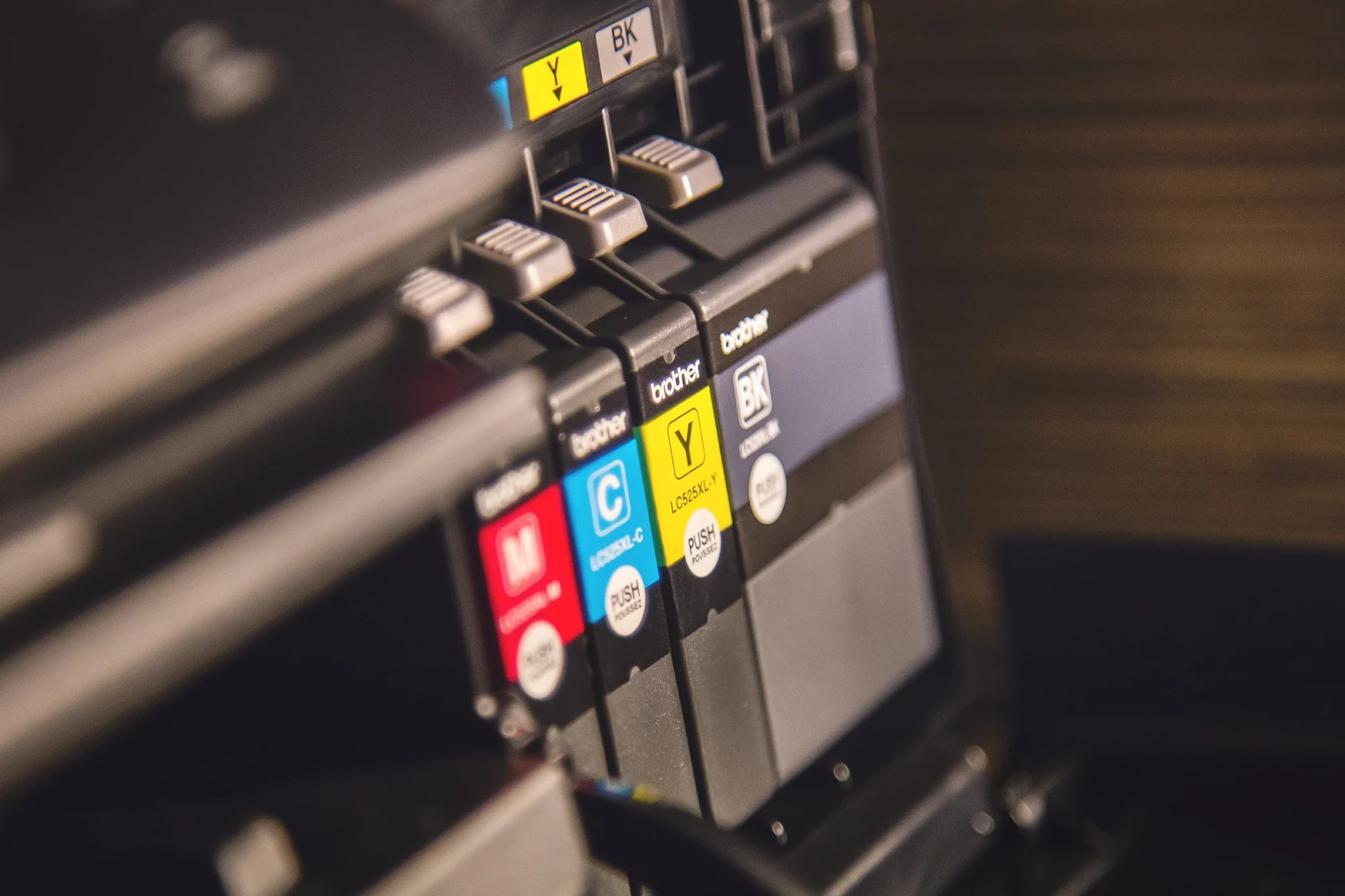
Why Smart Printers Are Embracing Digital Mail Solutions for Improved Efficiency

Post pobrano z: Why Smart Printers Are Embracing Digital Mail Solutions for Improved Efficiency

Traditional mail systems have been the backbone of communication for centuries. However, in today’s fast-paced, technology-driven world, they are facing significant challenges. From delayed deliveries to high operational costs, these issues are prompting businesses to seek alternative solutions. Enter digital mail solutions—a modern approach that is transforming how smart printers operate and thrive. Keep on reading to learn more!

The New Age of Mail Systems

The world is changing, and so are the expectations around communication. Traditional mail systems, once lauded for their reliability, are struggling to keep up with the demands of the digital age. Delays due to logistical hiccups, rising postal costs, and a growing emphasis on sustainability are just a few hurdles these systems face today. Businesses are realizing that sticking to conventional methods might not be sustainable in the long term.

The digital shift is undeniable. With the rise of email, instant messaging, and other real-time communication tools, the traditional mail system can seem archaic. Customers and businesses alike are leaning toward solutions that promise speed and efficiency. This shift is not merely a trend but a necessity for staying competitive in a world where instant gratification is the norm.

Meanwhile, the environmental impact of traditional mail cannot be ignored. Tons of paper, fuel for transportation, and carbon emissions are just some factors contributing to a larger ecological footprint. With increasing pressure to adopt greener practices, businesses, including those in the printing industry, are looking at digital alternatives as a more sustainable option. Even the most traditional of businesses are recognizing the need to adapt and evolve.

Advancements in Digital Mail Solutions

Digital mail solutions have emerged as a beacon of hope for businesses looking to overcome the limitations of traditional mail systems. By digitizing the mail process, these solutions offer speed, accuracy, and cost-effectiveness. They leverage technology to streamline operations, reduce manual intervention, and increase efficiency. For smart printers, this means more time to focus on core business activities.

One of the key innovations in digital mail solutions is the ability to automate processes. Automation minimizes human error and accelerates workflows, allowing businesses to handle larger volumes of communication with ease. This transformation is crucial for printers looking to optimize their operations and maintain high standards of service delivery.

Furthermore, digital mail solutions offer enhanced security features. In a world where data breaches are increasingly common, ensuring the privacy and security of communication is paramount. Digital solutions often come equipped with encryption and other security protocols to protect sensitive information from unauthorized access, providing peace of mind to businesses and their customers.

Benefits of Going Digital for Smart Printers

The move to digital mail offers numerous advantages for smart printers. First and foremost is efficiency. Digital solutions enable quicker processing of communication, which translates to faster response times and increased customer satisfaction. In an industry where time is money, this efficiency can significantly improve a printer’s bottom line.

Cost savings are another compelling reason for printers to adopt digital mail solutions. Reducing reliance on physical materials and postage allows businesses to cut down on expenses significantly. Additionally, fewer resources are required for storage and maintenance, further driving down costs. These savings can be redirected towards innovation and growth, giving businesses a competitive edge.

Environmental impact is a growing concern for businesses worldwide, and the printing industry is no exception. Digital mail solutions contribute to a reduction in paper usage, carbon emissions, and waste. By adopting these solutions, smart printers can position themselves as environmentally responsible entities, appealing to eco-conscious customers and enhancing their brand image.

Navigating the Digital Transition

For smart printers considering the shift to digital mail solutions, several factors need to be taken into account. First, understanding the specific needs of the business is crucial. Different solutions offer varied features, and selecting one that aligns with business goals and customer expectations is essential.

Implementation is another critical phase. It’s important to plan for a smooth transition, which may involve staff training and system integration. Partnering with a reliable provider who offers a virtual PO box address and other mail management services can ensure a seamless shift to digital. That way, businesses can continue to deliver high-quality service while adapting to the changing landscape.

Lastly, ongoing evaluation and adaptation are necessary. The digital landscape is dynamic, with new technologies and trends emerging regularly. Staying informed and being willing to adapt to change will help smart printers remain relevant and continue to reap the benefits of digital mail solutions.

A Glimpse into the Future

The future of digital mail solutions in the printing industry looks promising. As technology continues to evolve, these solutions are expected to become even more sophisticated, offering enhanced capabilities and greater efficiencies. For smart printers, this means staying ahead of the curve by continuously innovating and adapting to new technologies.

With the growing emphasis on digital transformation, smart printers that invest in digital mail solutions will likely see increased opportunities for growth. Leveraging these solutions can help businesses expand their service offerings, improve customer experiences, and solidify their position in the market.

The integration of artificial intelligence and machine learning into digital mail solutions is an exciting prospect. These technologies have the potential to further optimize processes, enhance decision-making, and provide personalized experiences for customers. For the printing industry, this innovation promises to drive significant advancements and reshape how business is done.

To sum it up, in the rapidly evolving landscape of communication and business operations, digital mail solutions offer smart printers a powerful tool for enhancing efficiency, reducing costs, and minimizing environmental impact. By transitioning to digital solutions, printers can streamline their processes, improve customer satisfaction, and position themselves as leaders in innovation and sustainability.

To succeed in this digital era, printers must be proactive in adopting new technologies and continuously exploring ways to improve their operations. Digital mail solutions are not just a trend but a strategic move that can deliver lasting benefits. It’s time for smart printers to take the leap and discover the advantages of going digital. Thank you for reading and good luck!

The post Why Smart Printers Are Embracing Digital Mail Solutions for Improved Efficiency appeared first on Designer Daily: graphic and web design blog.

How to Fortify Your Ventures Against Potential Pitfalls and Hazards

Post pobrano z: How to Fortify Your Ventures Against Potential Pitfalls and Hazards

Managing a business is no walk in the park, is it? Whether you’re a public speaker, graphic designer, interior designer, or running any creative business, the challenges are real. One thing remains constant, regardless of your experience level: numerous potential roadblocks could derail your business objectives. From financial difficulties to cybersecurity risks, client disputes, or even managing your online presence, it can feel like there’s always something lurking around the corner.

For creative professionals, like designers or even professional photographers, maintaining a strong online presence is especially crucial in today’s digital world. Your website, social media, and even virtual portfolios can be vulnerable to cyber threats or reputational damage if not properly managed. But with a little forethought and smart strategies, you can safeguard your business from these risks and position yourself for long-term success. Let’s dive into how you can protect your business, strengthen your online presence, and minimize those risks.

Identifying Common Business Risks

Before you can protect your business, you need to know what you’re up against. While every venture has its unique set of challenges, some risks are pretty universal.

For instance, financial instability is something that keeps many business owners up at night. Cash flow issues, economic downturns, or unexpected expenses can hit you hard if you’re not prepared. Then there’s the growing threat of cybersecurity breaches, something no modern business can afford to ignore. Think about it: how much of your business is conducted online? Probably more than you realize.

And let’s not forget physical risks like theft, accidents, or even natural disasters. You might be thinking, “My business is too small for those things to happen.” However small businesses often feel the effects of these issues even more than larger ones. The point is, that knowing where you’re vulnerable is the first step toward protecting your venture.

Developing a Risk Management Strategy

Alright, now that we’ve identified some common threats, it’s time to talk strategy. Having a risk management plan in place is essential. It’s your safety net for when things don’t go as planned, and trust me, there will be times when they don’t.

Start by conducting a risk assessment. This might sound a little intimidating, but it’s just taking a close look at your business and figuring out where you’re most vulnerable. Are your finances in good shape? Do you have cybersecurity protocols in place? What’s your plan in case of a fire or other physical disaster?

Once you’ve done that, it’s time to create a contingency plan. This is where you map out what you’ll do if any of those risks materialize. A solid contingency plan can mean the difference between a minor hiccup and a full-blown crisis. It might not feel urgent right now, but when something unexpected happens, you’ll be glad you took the time to plan.

Leveraging Technology for Business Safety

Let’s talk about the role technology can play in keeping your business safe. Nowadays, it’s not just a nice-to-have; it’s a must-have. Technology has the power to greatly enhance your security measures. From keeping track of inventory to implementing cybersecurity measures.

Think about how much sensitive data your business holds, customer information, financial records, and intellectual property. The last thing you want is for that information to fall into the wrong hands. That’s why investing in cybersecurity software is a no-brainer. It can help protect you from breaches, malware, and other cyber threats that can do some serious damage.

And it’s not just about cybersecurity. If you’re in retail, for example, there are tons of tools designed to help you manage security within your store, from smart cameras to inventory management systems that track stock levels and flag unusual activity. Learning how to keep your retail business safe is crucial, especially in an environment where even small vulnerabilities can lead to significant financial or reputational loss. A little bit of tech goes a long way toward protecting your assets.

Insurance as a Protective Shield

Now let’s switch gears and talk about one of the most traditional forms of protection: insurance. It might not be the most exciting topic, but having the right insurance coverage is crucial for safeguarding your venture.

You’ve probably already got the basics in place, like property insurance and liability coverage, but is it enough? What about more specific policies, like cybersecurity insurance? As more businesses operate online, this type of coverage has become increasingly important. A data breach could lead to lawsuits, loss of customers, and hefty fines. Cybersecurity insurance can help cover some of those costs, so you’re not left scrambling if the worst happens.

There’s also business interruption insurance. This type of policy can cover your losses if something like a natural disaster or fire forces you to close your doors temporarily. It’s the kind of protection you don’t think you need until you do, and by then, it’s too late.

Strengthening Internal Policies

Having solid internal policies is another essential part of fortifying your business. Why? Because the best way to prevent internal risks is to create a culture of compliance and safety.

Start by making sure that your employees are well-trained. Whether it’s in cybersecurity best practices or by ensuring workplace safety, the more informed your team is, the better protected your business will be. Make sure everyone understands the importance of following procedures and complying with regulations. It might not feel urgent daily, but building that habit will pay off big time in the long run.

Clear, strong internal policies also help prevent issues like theft, both from within and outside your company. Make sure you’ve got protocols in place for handling cash, managing inventory, and accessing sensitive information. When everyone’s on the same page, it’s harder for things to go wrong.

Building a Strong Network of Partners

Here’s something you might not have thought about the partners you choose to work with can play a big role in your business’s safety. Whether we’re talking about suppliers, vendors, or service providers, surrounding yourself with reliable, trustworthy partners can minimize a lot of risk.

Imagine working with a supplier who delivers late, sends faulty products, or just generally isn’t reliable.

Building a strong network of reliable partners can prevent these headaches. Seek out those with a proven track record, stellar reputations, and a deep understanding of your industry. Whether it’s sourcing quality design supplies, ensuring seamless venue coordination for a photoshoot, or working with dependable contractors on an interior design project, solid partnerships help safeguard your business. In the long run, they reduce risks like supply chain hiccups, faulty deliveries, and service disruptions.

Monitoring and Updating Your Risk Strategy

Here’s the thing about risk management: it’s not a one-and-done deal. In the world of business where things are evolving and shifting dynamics pose new challenges constantly; it is crucial to stay vigilant and adapt your risk management strategy accordingly.

Be sure to have meetings to evaluate if your current methods are working enough for you still and worth keeping them up, to date as needed. Have any new technology been implemented that needs security measures put in place or is your business venturing into markets with potential financial risks? The quicker you identify these shifts in circumstances the more you will be able to handle them effectively.

Make sure to stay updated on the developments, in your field of work! If a new rule comes into effect that might affect your business operations in any way—be sure to take action and adapt accordingly to stay ahead of the curve and avoid any surprises.

In the world of business, risks are inevitable. But the good news is that with the right strategies in place, you can protect your venture from most of the major pitfalls. Whether it’s conducting a thorough risk assessment, embracing technology, or keeping your insurance up to date, every step you take will strengthen your defenses.

Don’t wait for disaster to strike, start fortifying your business today. After all, the best defense is a good offense, and when it comes to your livelihood, playing it safe is always the smart move.

The post How to Fortify Your Ventures Against Potential Pitfalls and Hazards appeared first on Designer Daily: graphic and web design blog.
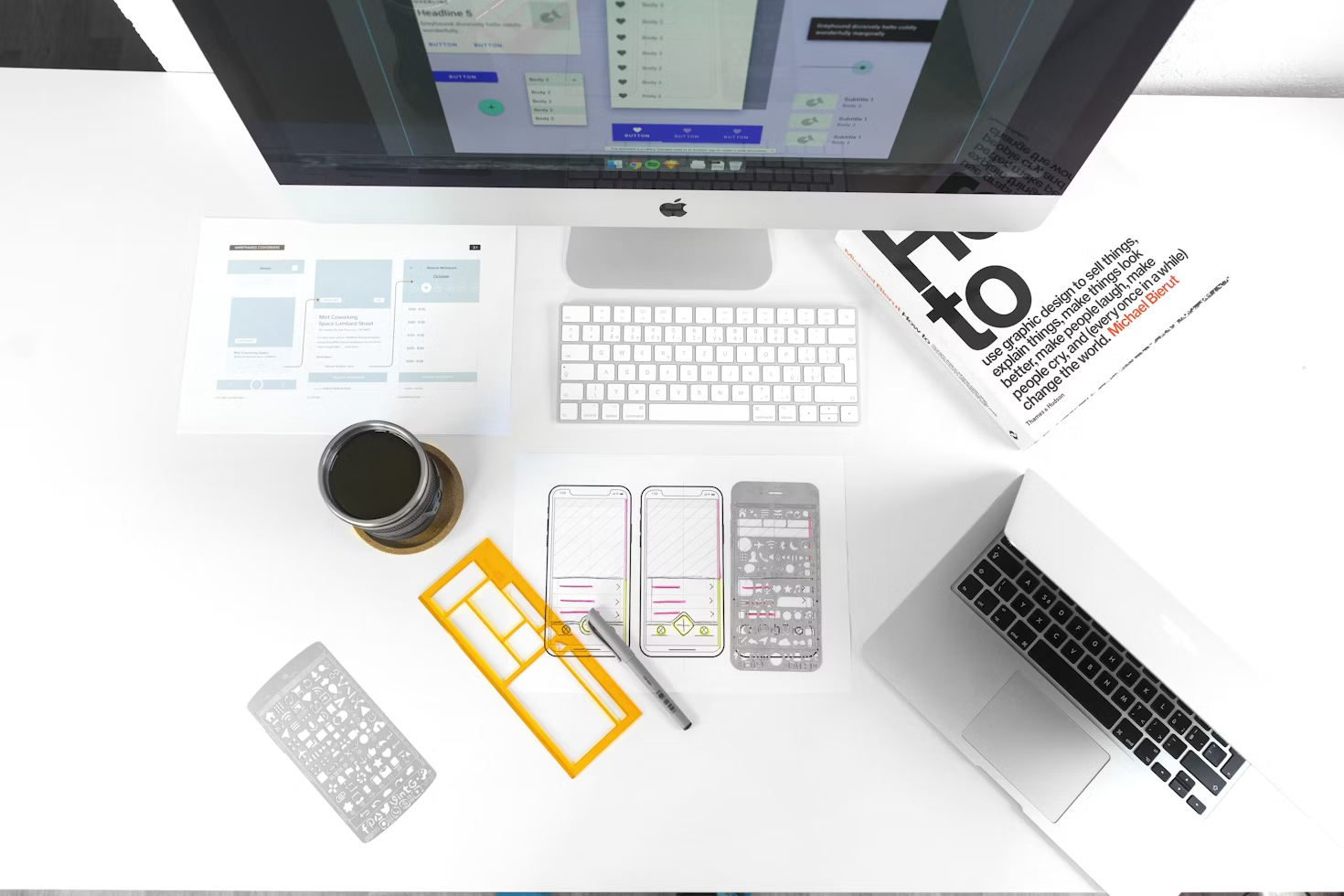

7 Tips for Taking Your SEO Strategy to the Next Level in 2024

Post pobrano z: 7 Tips for Taking Your SEO Strategy to the Next Level in 2024

Search engine optimization (SEO) is crucial for growing your online visibility and reaching more customers. With the constant changes in search algorithms and user behavior, you need to continually evolve your SEO strategy. Here are 7 tips to take your SEO to the next level in 2024.

Conduct an Audit of Your Current SEO

Before making major changes to your strategy, audit what you currently have in place. Analyze your website content, metadata, backlinks, and any technical issues. See what’s working and what can be improved. Identify keyword gaps and new opportunities. Use SEO tools to uncover site crawl errors, duplicate content issues, and ways to improve page speed. The audit gives you a baseline to build upon.

Focus on Optimizing for User Intent

In 2024, fulfilling user intent with your content will be crucial. Go beyond targeting generic keywords. Research the language real people use when searching for your products or services. Create content that answers their questions and solves their problems. For example, for a medical practice targeting the keyword “lower back pain”, create detailed content explaining back pain causes, treatments, remedies, and tips for prevention. Really dig into what users want to know.

Prioritize Quality Content

High-quality, useful content is vital for SEO success. Ensure you have a regular content schedule with blog posts, videos, and other formats. Expand your content to cover new topics and include more long-form guides and FAQs. Integrate keywords naturally while keeping the content engaging and valuable. Making your website a go-to resource builds trust and authority. User engagement metrics like time on page and bounce rate matter too.

Improve Site Speed and Mobile Optimization

With Google’s Mobile First Index, having a fast, mobile-friendly site is essential. Use tools like Google PageSpeed Insights and Pingdom to test your speed. Leverage browser caching, compress images, minimize redirects, and optimize code. Create a smooth mobile experience by avoiding interstitials and ensuring buttons are easy to tap. Faster load times improve user experience and SEO.

Build High Quality Backlinks

The quality of links pointing to your site still influences rankings. Focus on earning backlinks from reputable websites related to your industry, not spammy link networks. Guest posting on popular blogs and link inserts on relevant resource pages are effective tactics. Make sure the content you create provides value to the site linking to you. Promote your best content and be selective about link prospects.

Stay Up-to-Date on SEO News and Trends

SEO evolves constantly. Subscribe to blogs, newsletters, and Google’s Search Central to stay on top of algorithm updates, new features, tools, and changes to best practices. Learn how Google’s core updates impact search. Adjust your strategy based on the latest developments. Being informed ensures you make the most of new opportunities.

Make the Most of the Latest SEO Tools

Choosing the right SEO tools is key to maximizing the effectiveness of your search engine optimization efforts.

Useful tools include keyword research tools like SEMrush and Ahrefs to uncover high-value keyword targets and analyze the competition. Website crawlers like Screaming Frog identify technical SEO issues to fix. Rank-tracking software like SEMrush and Moz lets you monitor your keyword rankings over time. All-in-one suites and enterprise level solutions like Ahrefs and SEMrush combine keyword, competitor, and link analysis along with rank tracking for comprehensive SEO insights.

The best tools fit seamlessly into your workflow and provide the data you need to boost organic growth. Evaluating your needs and starting with the essential tools first is recommended when building your SEO tool stack.

Following these tips will put you ahead of the curve with SEO in 2024. As you build authority and trust through high-quality content, backlinks and optimizing for user intent, your rankings and traffic will steadily improve. Keep learning, track your results, and be nimble in adapting your strategy. With the right focus, your website will reach the next level.

The post 7 Tips for Taking Your SEO Strategy to the Next Level in 2024 appeared first on Designer Daily: graphic and web design blog.

Shopify Checkout Extensibility: Enhancing Your E-commerce Experience

Post pobrano z: Shopify Checkout Extensibility: Enhancing Your E-commerce Experience

In the ever-evolving world of e-commerce, Shopify continues to lead the way with innovative solutions for online retailers. Shopify checkout extensibility has emerged as a game-changer, giving merchants unprecedented control over their checkout process. This new feature has an impact on how businesses customize their customers’ purchasing experience, offering a level of flexibility that was previously unattainable.

Shopify checkout extensibility allows store owners to tailor their checkout pages to meet specific needs and preferences. This article will explore the ins and outs of this powerful tool, including how to implement checkout extensibility and upgrade from the traditional checkout.liquid system. Additionally, it will delve into the benefits of using Shopify app extensions to enhance the checkout process, providing insights into how these advancements are shaping the future of online shopping.

Understanding Shopify Checkout Extensibility

What is Checkout Extensibility?

Shopify Checkout Extensibility is a suite of powerful platform features that allows merchants to customize their checkout process in a way that’s app-based, upgrade-safe, and performant. This innovative solution has been designed to address the limitations of the traditional checkout.liquid system, offering a more flexible and efficient approach to tailoring the checkout experience.

Introduced in the summer of 2022, Checkout Extensibility provides a range of tools and capabilities that enable both code-free customizations and more advanced modifications. This new system integrates seamlessly with Shop Pay, which has been shown to convert up to 50% better than guest checkout options.

Key features and benefits

Checkout Extensibility offers several key components that enhance the customization possibilities for Shopify merchants:

  1. Checkout Editor: A visual tool that allows merchants to easily modify the look and feel of their checkout pages without coding. It includes options to add logos, change background colors, and update fonts.
  2. Shopify App Integration: Merchants can install and use various checkout apps directly from the Shopify App Store, adding new functionalities to their checkout process.
  3. Branding API: This feature enables developers to create a consistent brand experience by customizing the checkout’s appearance, including form fields, typography, and border radius.
  4. Checkout UI Extensions: Developers can create custom app blocks to add specific functionality or logic to different steps of the checkout process.
  5. Web Pixel App Extension: This tool allows for custom tracking of user behavior and customer events during the checkout process.
  6. Shopify Functions: Available for Shopify Plus users, this feature allows developers to modify Shopify’s backend logic, offering even more customization options.

Comparison with checkout.liquid

The transition from checkout.liquid to Checkout Extensibility brings several advantages:

Feature checkout.liquid Checkout Extensibility
Customization Method Complex code editing App-based and visual tools
Upgrade Process Manual upgrades required Automatic, no upgrades needed
Performance Standard 2X faster interactions
Integration with Shop Pay Limited Seamless integration
Security Standard Enhanced with sandboxed environment
Access to New Features Delayed Immediate access

Checkout Extensibility not only surpasses the limitations of checkout.liquid but also provides a more powerful solution for customizing the checkout process. It offers faster performance, with checkout interactions and page transitions that are twice as fast, leading to an average increase in conversion rates of over 1%.

Implementing Checkout Extensibility

Checkout Extensibility offers a suite of powerful features that enable merchants to customize their checkout process in a way that’s app-based, upgrade-safe, and performant. This innovative solution has been designed to address the limitations of the traditional checkout.liquid system, providing a more flexible and efficient approach to tailoring the checkout experience.

Checkout editor and branding tools

The Checkout Editor is a visual tool that allows merchants to easily modify the look and feel of their checkout pages without coding. It includes options to add logos, change background colors, and update fonts. Merchants can make no-code customizations using apps and branding tools to create a consistent brand experience throughout the checkout process.

To customize the checkout using the Checkout Editor:

  1. Go to Settings > Checkout in the Shopify admin.
  2. Click on “Customize” to access the drag-and-drop editor.
  3. Edit the logo, font, colors, and background of the checkout.
  4. Add new functionality by installing apps directly from the editor.

Checkout apps and extensions

Shopify’s App Store offers a wide range of checkout apps that can be easily integrated to enhance the functionality of the checkout process. These apps can add features such as upsells, custom fields, and post-purchase offers.

Some popular checkout extensions include:

  • Upsell apps that increase Average Order Value (AOV)
  • Free shipping bars to encourage higher spending
  • Custom fields for additional customer information
  • Post-purchase surveys and thank you page offers

Developers can also create custom app blocks to add specific functionality or logic to different steps of the checkout process using Checkout UI Extensions.

Pixels and customer events tracking

Checkout Extensibility provides enhanced capabilities for tracking customer events and implementing custom pixels. The Web Pixel App Extension allows for custom tracking of user behavior and customer events during the checkout process.

To implement custom pixel tracking:

  1. Create the code for your custom pixel.
  2. Go to Settings > Customer events in the Shopify admin.
  3. Click on “Add pixel” to open the event editor.
  4. Paste your custom JavaScript pixel code into the Code window.
  5. Save and connect the pixel to start tracking events.

This centralized approach to pixel management ensures secure tracking for both the online store and checkout from a single location.

By leveraging these tools and features, merchants can create a highly customized and efficient checkout experience that aligns with their brand and business needs. Checkout Extensibility not only surpasses the limitations of the previous system but also provides a more powerful solution for optimizing the crucial final step of the e-commerce journey.

Upgrading from checkout.liquid

Deprecation timeline

Shopify has announced a phased approach to discontinue the use of checkout.liquid. The timeline for this transition is as follows:

  • August 13, 2024: Shutdown of checkout.liquid for Information, Shipping, and Payment pages
  • August 28, 2025: Deadline for Plus merchants to upgrade Thank you and Order status pages

After these dates, customizations made using checkout.liquid will cease to function, and Shopify will no longer provide support for updating or fixing these customizations. It’s crucial for merchants to upgrade to Checkout Extensibility before these deadlines to ensure uninterrupted e-commerce operations.

Steps to migrate

To facilitate a smooth transition from checkout.liquid to Checkout Extensibility, merchants can follow these steps:

  1. Review existing customizations:
    1. Go to Settings > Checkout in the Shopify admin
    2. Click “Review customizations” to access a report detailing current checkout modifications
  2. Analyze the customization report:
    1. Identify categories of customizations (e.g., Branding, Validations)
    2. Note the source files and code lines for each customization
    3. Review guidance provided for recreating customizations in Checkout Extensibility
  3. Create a draft configuration:
    1. Navigate to Settings > Checkout
    2. Click “Create draft” in the Configurations section
  4. Customize the new checkout:
    1. Add apps or edit branding as needed
    2. Set up Pixels or additional first-party features
  5. Review changes and publish:
    1. When ready, click “Publish”
    2. Choose which pages to publish and confirm the replacement of existing customizations

Potential challenges and solutions

Migrating from checkout.liquid to Checkout Extensibility may present some challenges:

  1. App compatibility: Ensure all apps are compatible with the new Extensibility Checkout. Contact app developers for updates if necessary.
  2. Custom code migration: Manually rebuild customizations using Shopify’s API or develop a custom app. Consider seeking assistance from a Shopify Plus partner for complex migrations.
  3. Performance testing: After migration, conduct live checkout tests to verify functionality. Monitor key performance indicators such as order volumes and upsells to identify areas for optimization.
  4. Learning curve: Familiarize yourself with the new Checkout Editor and Branding API to effectively customize the checkout experience.

By addressing these challenges proactively and following Shopify’s guidance, merchants can successfully transition to the more secure and feature-rich Checkout Extensibility system.

Conclusion

Shopify’s Checkout Extensibility has a significant impact on the e-commerce landscape, offering merchants powerful tools to tailor their checkout process. This new system brings a host of benefits, including faster performance, seamless integration with Shop Pay, and enhanced customization options. By moving away from the limitations of checkout.liquid, store owners can now create a more personalized and efficient purchasing experience for their customers.

As the deadline for transitioning to Checkout Extensibility approaches, it’s crucial for merchants to start planning their migration strategy. The shift to this new system not only ensures compliance with Shopify’s updates but also opens up new possibilities to improve conversion rates and customer satisfaction. With its app-based approach and user-friendly tools, Checkout Extensibility is set to shape the future of online shopping, giving businesses the flexibility they need to thrive in the competitive e-commerce market.

The post Shopify Checkout Extensibility: Enhancing Your E-commerce Experience appeared first on Designer Daily: graphic and web design blog.

Street Art by Rone in Perth’s Historic Centenary Galleries

Post pobrano z: Street Art by Rone in Perth’s Historic Centenary Galleries

Have you ever wondered what stories lie hidden beneath the layers of peeling paint and cracked ceilings? The groundbreaking multi-sensory installation, TIME • RONE, invites you to explore just that. This extraordinary exhibit, now showing in AGWA’s Centenary Galleries in Perth, offers a unique and immersive experience that will challenge your perceptions of beauty, time, and memory.

Created by the ingenious multi-disciplinary artist Rone, TIME • RONE is a grand-scale excavation of meaning from the everyday. It transforms the historic Centenary Galleries into a haunting tableau of mid-century Australia, where visitors can walk, breathe, and live among the remnants of a bygone era.

As you step into this meticulously crafted world, you’ll find yourself surrounded by the ghostly echoes of the past. Faces frozen in time search eternally for something just out of reach, while mirrors blend illusions of history with glimpses of the future. The installation is a poignant reminder of the relentless march of time and the beauty that can be found in decay.

Rone’s masterful blend of soundscape, mural, and installation art creates a truly immersive experience. Each element works in harmony to pose profound questions about what we leave behind and to honor the often-forgotten aspects of our shared history.

Following a sell-out season in Melbourne, the Perth exhibition features expanded staging and an exclusive new room, making it a must-see event for art enthusiasts and curious minds alike.

Don’t miss this opportunity to experience TIME • RONE and lose yourself in a world where time stands still, yet life persists. This thought-provoking installation promises to leave you with a new appreciation for the beauty hidden in the overlooked corners of our world.

The post Street Art by Rone in Perth’s Historic Centenary Galleries appeared first on Designer Daily: graphic and web design blog.

Breaking Language Barriers in Education with Video and Audio Translators

Post pobrano z: Breaking Language Barriers in Education with Video and Audio Translators

Educational institutions across the globe are seeing a more diverse student population, with learners speaking a multitude of languages. This diversity enriches the educational environment but also poses significant challenges. One of the most effective solutions to these challenges is the use of video and audio translators. These tools not only facilitate communication but also enhance the learning experience for students from different linguistic backgrounds. In this blog post, we will explore how video and audio translators are breaking language barriers in education and revolutionizing the way we teach and learn.

The Challenge of Language Barriers in Education

Language barriers in education can lead to numerous issues, including misunderstanding of course material, reduced student participation, and lower academic performance. For non-native speakers, the struggle to comprehend lectures, textbooks, and other educational materials can be daunting. Teachers, on the other hand, face the challenge of effectively communicating complex concepts to students who may not fully understand the language of instruction. This gap can hinder the educational progress of students and create an uneven playing field.

The Role of Video Translators in Education

Video translators have emerged as powerful tools to address these challenges. By providing subtitles or voice-over translations for educational videos, they make content accessible to students who speak different languages. Here are some ways an AI video translator will make a difference:

  1. Enhanced Comprehension of Lectures
    Educational videos, whether pre-recorded lectures or supplementary materials, are integral to modern education. Video translators can add subtitles in multiple languages, enabling students to follow along and understand the content better. This is particularly useful in subjects that involve complex terminology or concepts, such as science and mathematics.
  2. Inclusive Learning Environment
    By offering translated videos, educators can create a more inclusive learning environment. Students who might otherwise feel excluded due to language barriers can participate more actively in class discussions and group activities. This inclusivity fosters a sense of belonging and encourages diverse perspectives.
  3. Accessibility for Hearing-Impaired Students
    Video translators also benefit students with hearing impairments. Translated subtitles not only cater to different languages but also provide a text-based option for students who rely on visual content. This dual benefit makes video translators a versatile tool in promoting accessibility.
  4. Supplementary Learning Materials
    Teachers can use video translators to create supplementary learning materials in various languages. These materials can be shared with students to reinforce learning and ensure they grasp key concepts outside the classroom. This additional support can be crucial for non-native speakers who need extra time to process information.

The Impact of Audio Translators in Education

Audio translators complement video translators by focusing on audio content, such as lectures, podcasts, and audiobooks. Here’s how they contribute to breaking language barriers:

  1. Real-Time Translation of Lectures
    One of the most significant advancements in audio translation is real-time translation. During live lectures, audio translators can provide simultaneous translation, allowing students to hear the lecture in their native language. This real-time accessibility ensures that all students can follow along without delay, making the learning experience more cohesive.
  2. Multilingual Audiobooks and Podcasts
    Audiobooks and educational podcasts are valuable resources for students. An audio translator can convert these resources into multiple languages, broadening their accessibility. Students can listen to educational content in their preferred language, making learning more engaging and effective.
  3. Support for Language Learning
    Audio translators are also beneficial for language learning classes. Students learning a new language can listen to translations and compare them with the original content, helping them improve their language skills. This immersive experience enhances their understanding and retention of the new language.

Practical Implementation of Translation Tools in Education

For educational institutions looking to implement video and audio translators, here are some practical steps:

  1. Choosing the Right Tools
    There are various translation tools available, each with different features and capabilities. Schools and universities should choose tools that best meet their needs. Key factors to consider include the range of languages supported, the accuracy of translations, and ease of integration with existing educational platforms.
  2. Training Educators
    Educators need to be trained on how to use translation tools effectively. This includes understanding how to integrate subtitles into videos, using real-time audio translation during lectures, and creating multilingual learning materials. Training ensures that teachers can maximize the benefits of these tools.
  3. Engaging Students
    Students should be encouraged to use translated resources and provide feedback on their effectiveness. This feedback can help educators refine their use of translation tools and address any issues that arise. Engaging students in the process also promotes a collaborative learning environment.
  4. Continuous Evaluation
    The use of translation tools should be continuously evaluated to measure their impact on student performance and engagement. Regular assessments can help identify areas for improvement and ensure that the tools are meeting the needs of all students.

The Future of Translation in Education

The future of education is likely to see even more sophisticated translation tools powered by artificial intelligence and machine learning. These advancements will further improve the accuracy and efficiency of translations, making them an indispensable part of the educational landscape. Additionally, as more educational institutions recognize the benefits of these tools, their adoption will become more widespread, promoting greater inclusivity and accessibility.

The post Breaking Language Barriers in Education with Video and Audio Translators appeared first on Designer Daily: graphic and web design blog.

Award-Winning Design Meets Fashion at the Museum at FIT by Lily Liu

Post pobrano z: Award-Winning Design Meets Fashion at the Museum at FIT by Lily Liu

Award-winning graphic and UX/UI designer Lily (Ziqi) Liu has taken her unique blend of traditional and digital design techniques into the fashion world with her award-winning rebranding of the Museum at FIT (Fashion Institute of Technology). As an innovative graphic and UI/UX designer, Liu brought a new twist to the museum’s brand using her digital design skills and an eye for fashion. The impact of her rebrand design and the methods she used to capture the essence of our digital world today while honoring the history of fashion will have a ripple effect.

Liu was interested in fashion, so she selected MFIT and jumped at the chance to help inject youthful and vibrant energy into the MFIT brand. Her design was inspired by classic button patterns. Taking these simple buttons, Liu reimagined them into a fluid geometric framework. They became a metaphor for connection and unity, bring together people and ideas. Liu saw the button as a symbol of embracing diversity, inclusivity, and the spirit of inventive thought, all while keeping within the museum’s ethos.

Liu took her design skills and brought them together with her coding knowledge. She used Processing for a code-driven design, also called generative design. This approach allowed her to write code that can automatically generate patterns, shapes, and visual elements. Liu created unique designs by programming specific algorithms with set parameters. Using code, Liu can easily experiment with new design parameters, such as colors, shape, and movement. Signs, banners, postcards, posters, tickets, and more could be designed quickly and with a far more distinct visual style, like the MFIT rebranding. The code also allows Liu to add movement to her designs instead of merely static images, making them more engaging – using both her designer and UI/UX design sides.

The specific coding Liu used to create the designs was used for the billboards which would change designs throughout the day. 

For her rebrand, Lily (Ziqi) Liu won several awards. In January of 2024, Liu won a Gold at the International Design Awards 2023 for her Museum at FIT rebranding, as well as the MUSE Creative Awards in October 2023. More detailed information on Liu’s MFIT project can be found on her website here.

Her use of generative design indicates our technology-driven world. Instead of fighting against technology as some wanted to do, Liu took hold of that technology and made it her own. As Liu showed in her designs, the generative design is perfect for experimentation and customization. Digital billboards were programmed to change throughout the day, showing different patterns while keeping in line with the new branding. More graphic and UI/UX designers are likely to follow her lead going forward.

Liu is now looking to her future, growing her skills, and seeking challenges for her creativity and puzzle-solving. She works as a designer and continues to seek opportunities for learning, whether through formal education, workshops, or collaborations. Last year, Liu was selected to participate in a Google-sponsored workshop, DesignStorm, to work on future mobile software and user experience.

Lily (Ziqi) Liu is an award-winning graphic and UI/UX designer studying in California. She has received multiple awards for her designs: International Design Awards 2023; Gold for “When Innocence Hurts” Zine Design in January 2024. MUSE Creative Awards: Silver for “When Innocence Hurts” Zine Design in October 2023. She has been recognized on the Provost’s list at the University and was featured in the ArtCenter Student Gallery for her MFIT Branding Design as well as for “In Between” Book Design.

The post Award-Winning Design Meets Fashion at the Museum at FIT by Lily Liu appeared first on Designer Daily: graphic and web design blog.

Essential Tools for Graphic Designers Working Remotely

Post pobrano z: Essential Tools for Graphic Designers Working Remotely

Remote work has become increasingly popular, allowing professionals, including graphic designers, to work from the comfort of their homes or while traveling.

To maintain productivity and deliver high-quality work, graphic designers need the right tools. Here are some essential tools for graphic designers working remotely.

Reliable Hardware

Having reliable hardware is fundamental for any graphic designer. A high-performance computer with a strong processor, ample RAM, and a high-resolution monitor is essential for handling graphic design software.

Additionally, a portable power station is crucial for remote work, especially in areas with unreliable power supplies. These devices ensure that your equipment stays charged and you can continue working without interruptions.

Graphic Design Software

The core of any graphic designer’s toolkit is powerful design software. Adobe Creative Cloud, which includes Photoshop, Illustrator, and InDesign, remains the industry standard.

These applications provide a comprehensive set of tools for creating everything from simple graphics to complex illustrations and layouts.

Digital Drawing Tablets

For graphic designers who create illustrations or digital paintings, a digital drawing tablet is indispensable. Wacom tablets are widely regarded for their precision and pressure sensitivity, making them ideal for detailed artwork.

Cloud Storage Solutions

Cloud storage solutions are vital for remote work, enabling designers to access and share their work from anywhere. Services like Google Drive and OneDrive offer secure storage and easy collaboration with clients and team members.

Cloud storage not only ensures your files are backed up but also facilitates seamless collaboration on projects, no matter where you are.

Communication Tools

Effective communication is essential for remote graphic designers to stay connected with clients and colleagues. Tools like Microsoft Teams and Zoom enable instant messaging, video calls, and file sharing, making it easier to collaborate and receive feedback.

Color Calibration Tools

Accurate color representation is crucial for graphic design. Color calibration tools ensure that the colors you see on your screen match the final printed output.

Devices like the X-Rite i1Display Pro can calibrate your monitor, providing consistent and accurate colors across different devices. This precision is essential for maintaining the quality and consistency of your designs.

Stock Image and Asset Libraries

Access to high-quality stock images, vectors, and other assets can save time and enhance your designs. Websites like Shutterstock and Adobe Stock offer extensive libraries of royalty-free images and graphics.

These resources provide a wide range of options to choose from, allowing you to find the perfect elements for your projects.

Typography Tools

Typography is a critical aspect of graphic design, and having access to a variety of fonts is essential. Tools like Google Fonts and Adobe Fonts offer extensive libraries of free and premium fonts.

These platforms allow you to explore and experiment with different typefaces, ensuring that your designs have the perfect typography to convey your message.

Preparing for the Future of Remote Design Work

Equipping yourself with the right tools is essential for thriving as a remote graphic designer. By investing in reliable hardware, powerful software, and effective communication and collaboration tools, you can maintain productivity and deliver high-quality work from anywhere.

The post Essential Tools for Graphic Designers Working Remotely appeared first on Designer Daily: graphic and web design blog.

5 Modern Devices with Innovative Design Features

Post pobrano z: 5 Modern Devices with Innovative Design Features

Everybody loves a gadget, especially those innovative design features that leave you scratching your head, wondering how nobody thought of that before.

Photo by Daniel Putzer on Pexels

From everyday gadgets to specialized tools, innovative design features are transforming the way we interact with modern devices. Let’s take a look at 5 of the best.

Vape Pen

Vape pens have become huge in recent years thanks to their convenience, portability, and sleek design. One standout feature of modern vape pens is the dual mesh that now comes as standard in all WAKA Vapes. Dual mesh improves the vaping experience by providing more surface area for e-liquid to contact, leading to more even heating. This means better vapour and temperature control, a better taste, and improved coil longevity. It’s vaping, but taken up another gear.

Smart Watches

Smartwatches are another gadget that seems to have gone from 0 to 100mph in the blink of an eye. Beyond just telling time, smartwatches have evolved to become comprehensive health and fitness monitors. One of the most impressive design features is the integration of advanced sensors that track heart rate, blood oxygen levels, and even ECG readings. Add in voice assistants, such as Siri or Google Assistant, and suddenly you can perform tasks hands-free while running down the road. Staying productive has never been so easy.

Wireless Earbuds

Wireless earbuds are everywhere—wires were so in the early 2000s. Look around any modern park, and you’ll be sure to see countless people with little white buds nestled in their ears. These small devices have revolutionized the way we listen to music and take calls on the go. With touch control, where the user simply has to tap the earbud, you can manage their audio experience and answer calls without needing to access their phone.

Foldable Smartphones

Who remembers the old Nokia or Samsung flip phones? Well, who would have thought they would come roaring back in the age of smartphones?

Foldable smartphones represent a significant leap forward (or maybe backwards) in mobile device design. They feature flexible screens that can be folded in half, offering both the portability of a smartphone and the expansive display of a tablet. The hinge mechanism is a critical design component, engineered to withstand thousands of folds without degrading.

Electric Scooters

Love them or hate them, electric scooters are here to stay. Believe it or not, car manufacturer Peugeot designed and released the first electric scooter in 1996, but they have come a long way in such a short span of time.

Modern electric scooters are designed with lightweight, foldable frames that make them easy to carry and store. One of the standout features is the regenerative braking system, which recharges the battery while slowing down, enhancing efficiency.

Final Thoughts

Innovation is booming, and it can sometimes feel difficult to keep up. Who knows what 20 years in the future will look like, but we can be sure it’ll be littered with many more incredible design features in our tech that will make our lives easier, faster, better, or more enjoyable. Whatever’s next—flying cars?

The post 5 Modern Devices with Innovative Design Features appeared first on Designer Daily: graphic and web design blog.

The Role of Waste Management in Modern Architecture

Post pobrano z: The Role of Waste Management in Modern Architecture

In the evolving landscape of modern architecture, integrating sustainable practices has become a critical consideration. Architects and designers increasingly recognize the importance of waste management not only for environmental reasons but also for its potential to enhance the efficiency and aesthetics of building projects. As we move towards more eco-conscious construction methods, effective waste management solutions, such as archdale trash removal services, play a pivotal role in shaping the future of architectural design.

The Importance of Waste Management in Architectural Planning

Sustainability is now an essential aspect of modern architecture, and all aspects, such as waste disposal and management, should be considered suitable from the design stage. Waste management is not regarded as in the latter stages of construction or even ignored altogether; instead, it is a critical element that dictates the construction and use of buildings. When architects and designers incorporate waste into their design considerations from the onset, they can create beautiful and functional structures without compromising the environmental sustainability of the structures.

The introduction of waste management in architectural plans involves numerous factors. First and foremost, it involves knowledge of the kinds and amounts of waste that are likely to be produced at the time of construction of a building as well as in later phases of its use. It enables architects to create working environments concerning waste disposal and recycling amenities without imposing on the appearance and efficiency of the structure.

Furthermore, the contemporary designs of buildings include aspects that boost waste minimization and recycling aspects. For example, structures can come with the provisions of specific recycling sections, composting stations, or enhanced waste disposal technologies such as waste to energy. It is important to note that these features not only lessen the effects of the building on the environment but also enhance the quality of living of the people who work or live next to these buildings.

Sustainable Construction Practices

The construction business is among the leading industries that accumulate waste in the environment. Hence, it is imperative to adopt sustainable construction practices to reduce the overall impact of new structures on the environment. Construction waste management means that construction resources must minimize the amount of waste they produce, reuse waste materials, and only dispose of trash that cannot be reused.

Using prefabrication, pre-assembly, and modular construction solutions can be considered one of the most efficient ways to minimize construction waste. These methods make measuring the correct amounts of material needed in the production process and reducing waste easier. Furthermore, they can also cause shorter construction times and, thus, lower labor expenses, which is favorable in many scenarios.

Recycling is another factor that must be considered in construction with regard to sustainability. Lumber, steel, concrete, and other building materials can be reclaimed and reused repeatedly in other construction projects. Using recycled materials in construction can help decrease the need for raw materials and the dumping of waste materials into the environment.

Waste management is also vital in construction because it is another aspect that must be executed efficiently for sustainability. Construction sites are recommended to establish adequate facilities for the proper disposal of waste due to possible health risks, as shown by the presence of asbestos and lead. When it comes to the removal of waste, it is essential to cooperate with professional waste management companies such as Waste Removal USA; this way, all the waste will be removed properly and efficiently.

Improving Building Operations With Help of Waste Management

Some factors have been deemed to make good waste management not only restricted to construction but a lifetime practice throughout the life of the building. Sustainable waste management in buildings involves ensuring that the buildings and the people in them implement strategies that help minimize the flow of waste materials into the environment and the costs incurred in the process.

About waste management, one of the key strategies from which building operations can benefit is the adoption of efficient recycling initiatives. The following measures should be implemented: The recycling containers must be readily available. They should provide proper labels. They should conduct waste assessments often to check for non-compliance. Several advantages of recycling participation are the understanding of community among the occupants of a building.

Another great approach to waste management within buildings with food services or extensive greenery is composting. By managing waste effectively, buildings can reduce the quantity of waste that is taken to the dumps and recycle the waste products into organic manure that may be used to improve the look of the compound or plant new crops.

Concerning sustainable waste management, Waste-to-energy systems are an added product that will assist buildings in becoming more sustainable. They transform non-recyclable garbage into usable energy and, therefore, cut the usage of fossil fuels and emissions of greenhouse gases. The incorporation of waste-to-energy technology as part of architectural solutions provides a renewable energy source and a way of handling waste.

The Future of Waste Management in Architecture

Such a perspective can be attributed to the dynamics and development of the architectural industry, in which waste management will play a significant role in the future. Due to an increased demand for constructing environmentally friendly buildings and operations, the future development of buildings will require increased reliance on waste management technologies and systems.

Ideas like intelligent waste collection and disposal systems that rely on sensors and data collection and analysis are already being considered. These systems can enable real-time tracking of waste generation, and building managers can use this information to make appropriate decisions regarding waste.

Also, the idea of a circular economy is relatively new within the architecture profession. It focuses on the efficiency of product and material cycling and the use of recycled products and materials to establish a less wasteful economy. Holistic previews of the built environment may be more resilient if architects incorporate some of the circular economy strategies into their construction.

Conclusion

In conclusion, it is agreed that waste management is an essential factor in the current building design and use and thus needs to be incorporated. When designing buildings, architects should integrate good waste management strategies to develop sustainable buildings that align with modern society. 

Further, with the development of the industry, there are growing trends towards applying improved waste management systems and adopting circular economies within architectural designs. Waste management plays a crucial role in creating a sustainable future in architecture and archdale trash removal services are some of the ways the problem can be solved.

The post The Role of Waste Management in Modern Architecture appeared first on Designer Daily: graphic and web design blog.