Archiwum kategorii: Design

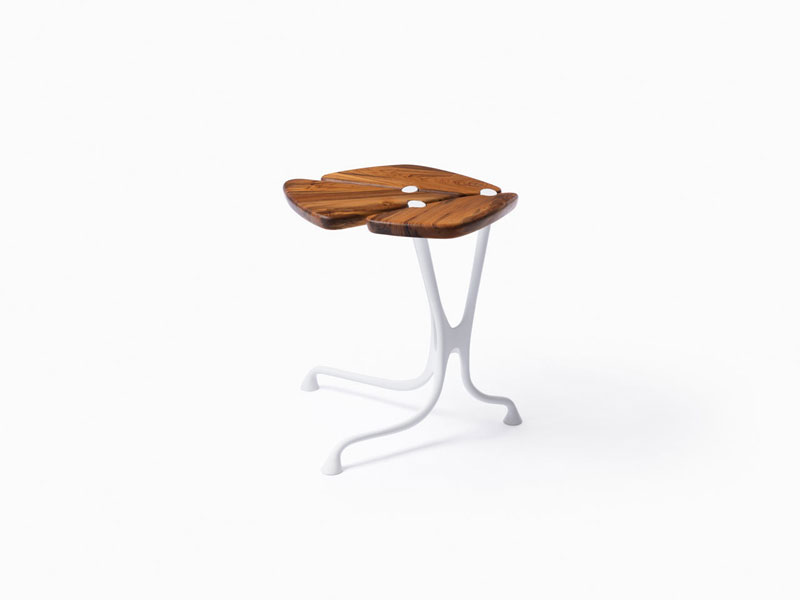
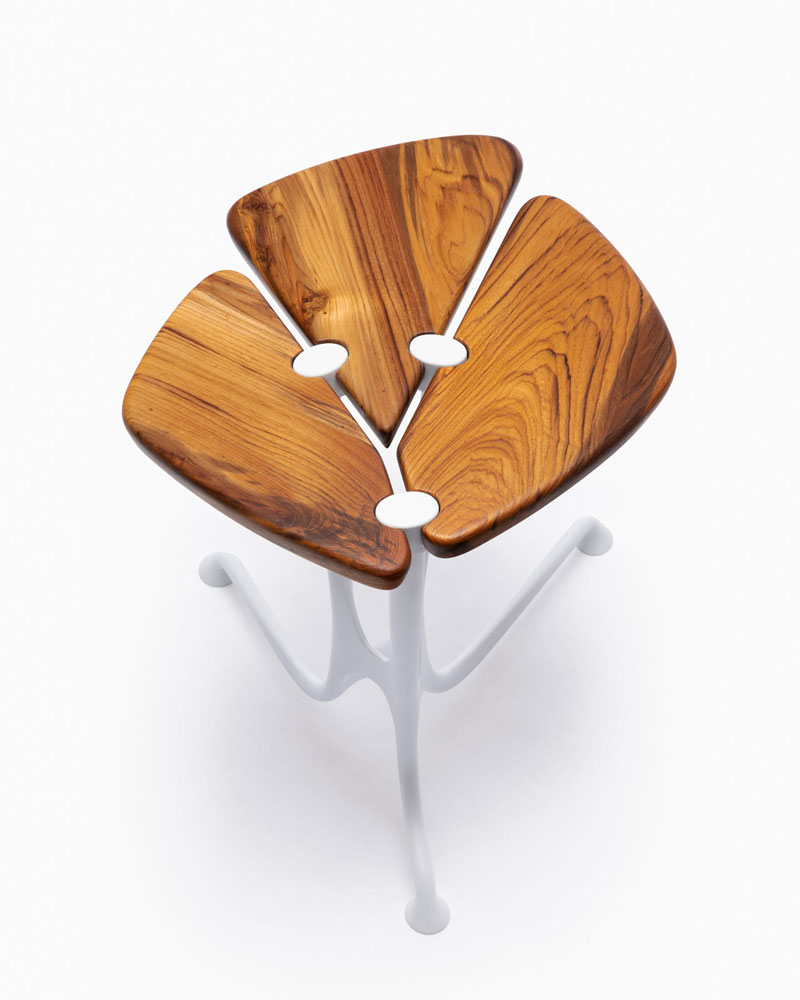
The Lapis Side Table by Alexander Purcell Rodrigues

Post pobrano z: The Lapis Side Table by Alexander Purcell Rodrigues

For this side table designed for the outdoors, Alexander Purcell Rodrigues found his inspiration in the process of cutting and setting gemstones with three teak facets held together.

The table was commissionned by Link Outdoor, who has been asking famous designers to create a side table for charity. They have been doing it since 2017, and Alexander Purcell Rodrigues was one of the designers involved with his Lapis Side Table.

What Makes An Amazing Logo Designer & Where To Find One?

Post pobrano z: What Makes An Amazing Logo Designer & Where To Find One?

An outstanding logo reflects the tone, vision, and values of your company or brand. It is your first impression to the outside world, one that can affect a client’s brand awareness, buying decision, and general attitude towards a certain product. Ensuring your business has an appealing and effective identity is critical.

With many logo design services dishing out substandard logos in bulk, finding a competent designer who can come up with amazing concepts and create wonderful designs can prove to be a daunting task. Below are the top qualities of a competent logo design professional and where to find one.

1. An Outstanding Portfolio

If you want to know the skill level of your prospective logo designer, look at their previous identity projects. This way, you will know what to expect from the designer in terms of quality, reliability, and professionalism. Positive testimonials and reviews from former customers and colleagues will tell you whether a particular designer can be relied on or not. Verify the validity of the reviews and testimonials by checking the web address or contacting the company.

2. Effective Communication Skills

The primary job of a designer is to communicate your story, ideas, and brand. However, the professional also needs excellent communication skills to explain, charm, and negotiate for their work. They should be able to maintain professionalism in tricky circumstances and to be transparent with you on the brief. The logo design expert should respond to your questions professionally and courteously.

3. A Holistic Design Process

Does your designer follow a holistic logo design process or do they produce logos like fast food? A reliable design process can’t take less than 48 hours to complete. Consider how long you want your logo to be relevant – do you want to work with a designer who will research and design it in under 48 hours? A competent designer should strive to understand the nature and marketing needs of your business before embarking on the design process. They should be conversant with designs that are currently trending. There is no definite time frame since logo design needs vary from one client to another, but for small and medium companies, a rough estimate would be anywhere from 2 to 6 weeks.

4. Knows the Value of Color, Typeface, & Icon Design

An amazing logo designer understands the importance of using meaningful colors. Various colors and shades can impact on people in various ways due to color associations. Green is linked to the environment, development, and renewal, and it is ideal for businesses with garden centers or go green initiatives. However, people also associate green with sickness, and it would be a poor option for stomach relief medications.

Your designer should use proper typeface. They may go for bold, exhilarating fonts, or feminine wavy fonts, but they should avoid harsh, bulky lettering when dealing with a ballet company. They should also avoid graceful, faint lettering when dealing with a football team. When designing the icon, the designer should incorporate some elaborate features without compromising the ability of the logo to make a swift statement.

5. Research and Analytical Skills

Competent designers conduct thorough research to familiarize themselves with new trends in the logo design industry. They also analyze the market to unearth new ideas that they can incorporate into their design. They also compare their designs with those of their competitors to identify concepts they can tweak a bit to suit the needs of their clients.

6. Academic Qualification

A good designer must have completed a course, preferably a degree in the relevant field, at a recognized university. Working with an expert who has both theoretical and practical knowledge ensures that you will get quality service.

ONEOUT Creative is one of the top designers across the globe. They specialize in creating outstanding customized professional logos, which outshine logos from competitors. Located in Australia, these reputable Brisbane logo designers meet all the qualities that make a great logo designer. Apart from having an unparalleled creative design experience, they also have a wealth of marketing and brand building knowledge. Therefore, they will not only give you a logo that you’ll cherish but also professional advice to help you market your business.

Where Do You Find a Good Logo Designer?

  • Create a Budget
    Ideally, the cost of appealing logo designs, which catch the attention of your clients quickly, is anywhere from a few hundred to thousands of dollars. Thus, having a budget allows you to know how much you are comfortable spending on the logo.
  • Google Search and Narrow Your Options
    Google search designers available within your locality and go through reviews of every brilliant company you come across. This way, you can narrow your search to a few companies to simplify the selection process.
  • Compare Portfolios
    Portfolios are essential materials that can help you do an up-close assessment of the skills of different designers and the quality of their designs. Check if they have the logo designs you are looking for in their portfolio. Apart from the quality, assess the logos’ aesthetical details to establish whether it adheres to the current trends or not. After doing a thorough comparison of various portfolios, you should select two or three that appeals more to you.
  • Design Affiliations
    Are your potential designers affiliated with any publications or design associations? Affiliation to at least one professional association is an indication that they are committed to their craft.
  • Work Closely with Your Designer
    A qualified and experienced designer usually carries out a face-to-face session whose purpose is to understand the mission, values, and tones of your company or brand. Big brands can respond to these questions quickly and effectively since they already have their brand’s mission statement in mind. However, startups may have a hard time since they are still in the take-off stage. So, know what you want from the designer and cooperate well with them throughout the design process.

With tons of options available, finding the best designer for your unique needs is daunting. You should take time to compare different designers before settling for one. Review their portfolios, logos, reputation, level of experience, and reliability. Use the tips discussed in this article to make your work easier.

What Makes An Amazing Logo Designer & Where To Find One?

Post pobrano z: What Makes An Amazing Logo Designer & Where To Find One?

An outstanding logo reflects the tone, vision, and values of your company or brand. It is your first impression to the outside world, one that can affect a client’s brand awareness, buying decision, and general attitude towards a certain product. Ensuring your business has an appealing and effective identity is critical.

With many logo design services dishing out substandard logos in bulk, finding a competent designer who can come up with amazing concepts and create wonderful designs can prove to be a daunting task. Below are the top qualities of a competent logo design professional and where to find one.

1. An Outstanding Portfolio

If you want to know the skill level of your prospective logo designer, look at their previous identity projects. This way, you will know what to expect from the designer in terms of quality, reliability, and professionalism. Positive testimonials and reviews from former customers and colleagues will tell you whether a particular designer can be relied on or not. Verify the validity of the reviews and testimonials by checking the web address or contacting the company.

2. Effective Communication Skills

The primary job of a designer is to communicate your story, ideas, and brand. However, the professional also needs excellent communication skills to explain, charm, and negotiate for their work. They should be able to maintain professionalism in tricky circumstances and to be transparent with you on the brief. The logo design expert should respond to your questions professionally and courteously.

3. A Holistic Design Process

Does your designer follow a holistic logo design process or do they produce logos like fast food? A reliable design process can’t take less than 48 hours to complete. Consider how long you want your logo to be relevant – do you want to work with a designer who will research and design it in under 48 hours? A competent designer should strive to understand the nature and marketing needs of your business before embarking on the design process. They should be conversant with designs that are currently trending. There is no definite time frame since logo design needs vary from one client to another, but for small and medium companies, a rough estimate would be anywhere from 2 to 6 weeks.

4. Knows the Value of Color, Typeface, & Icon Design

An amazing logo designer understands the importance of using meaningful colors. Various colors and shades can impact on people in various ways due to color associations. Green is linked to the environment, development, and renewal, and it is ideal for businesses with garden centers or go green initiatives. However, people also associate green with sickness, and it would be a poor option for stomach relief medications.

Your designer should use proper typeface. They may go for bold, exhilarating fonts, or feminine wavy fonts, but they should avoid harsh, bulky lettering when dealing with a ballet company. They should also avoid graceful, faint lettering when dealing with a football team. When designing the icon, the designer should incorporate some elaborate features without compromising the ability of the logo to make a swift statement.

5. Research and Analytical Skills

Competent designers conduct thorough research to familiarize themselves with new trends in the logo design industry. They also analyze the market to unearth new ideas that they can incorporate into their design. They also compare their designs with those of their competitors to identify concepts they can tweak a bit to suit the needs of their clients.

6. Academic Qualification

A good designer must have completed a course, preferably a degree in the relevant field, at a recognized university. Working with an expert who has both theoretical and practical knowledge ensures that you will get quality service.

ONEOUT Creative is one of the top designers across the globe. They specialize in creating outstanding customized professional logos, which outshine logos from competitors. Located in Australia, these reputable Brisbane logo designers meet all the qualities that make a great logo designer. Apart from having an unparalleled creative design experience, they also have a wealth of marketing and brand building knowledge. Therefore, they will not only give you a logo that you’ll cherish but also professional advice to help you market your business.

Where Do You Find a Good Logo Designer?

  • Create a Budget
    Ideally, the cost of appealing logo designs, which catch the attention of your clients quickly, is anywhere from a few hundred to thousands of dollars. Thus, having a budget allows you to know how much you are comfortable spending on the logo.
  • Google Search and Narrow Your Options
    Google search designers available within your locality and go through reviews of every brilliant company you come across. This way, you can narrow your search to a few companies to simplify the selection process.
  • Compare Portfolios
    Portfolios are essential materials that can help you do an up-close assessment of the skills of different designers and the quality of their designs. Check if they have the logo designs you are looking for in their portfolio. Apart from the quality, assess the logos’ aesthetical details to establish whether it adheres to the current trends or not. After doing a thorough comparison of various portfolios, you should select two or three that appeals more to you.
  • Design Affiliations
    Are your potential designers affiliated with any publications or design associations? Affiliation to at least one professional association is an indication that they are committed to their craft.
  • Work Closely with Your Designer
    A qualified and experienced designer usually carries out a face-to-face session whose purpose is to understand the mission, values, and tones of your company or brand. Big brands can respond to these questions quickly and effectively since they already have their brand’s mission statement in mind. However, startups may have a hard time since they are still in the take-off stage. So, know what you want from the designer and cooperate well with them throughout the design process.

With tons of options available, finding the best designer for your unique needs is daunting. You should take time to compare different designers before settling for one. Review their portfolios, logos, reputation, level of experience, and reliability. Use the tips discussed in this article to make your work easier.

The Importance of Image for your Business

Post pobrano z: The Importance of Image for your Business

In our day and age, a company’s image is just as important as the functionality of its products. The fast-paced world we live in, the mushrooming more brands and the overload of information, all require intelligent design processes that ensure a brand’s uniqueness and longevity.
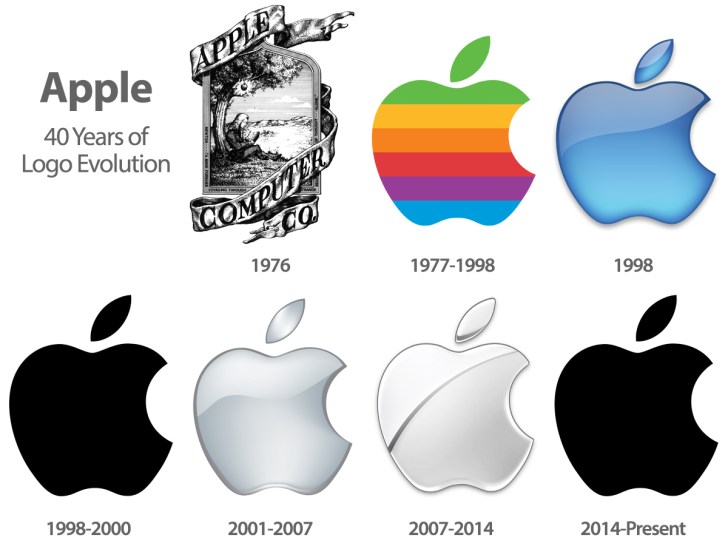
Successful companies such as Apple or Coca-Cola have long proven the paramount status of a brand’s image, and more and more companies are measured first and foremost by their creative accomplishments.

According to a recent Forrester report, businesses that put their main focus on design and customer experience have seen increases in revenue by as much as 36%. In addition, almost half of all design-driven companies have managed to exceed their business goals for the year 2017. This goes to show that the role of design is becoming increasingly important, no matter the size of the business. Here are a few important things to keep in mind when it comes to your company’s image.

Designing a Brand Logo

Design does not only fulfill certain functional needs of a customer but also emotional ones. As a matter of fact, many people make their purchase choices solely based on the design experience. It is what people remember and recognize and how they establish an emotional bond with a specific brand. A brand’s design is therefore a powerful marketing tool and should always be well-considered.

The logo is the most crucial element of a brand’s overall image. It is essentially the face of the company and the icon that stands for everything connected to it. Brand logos should be:

  • Easily recognizable
  • Flexible and adjustable
  • Unique and innovative

The golden rule is: Less is more. Naturally, a brand logo should always be original and stand out from its competitors, yet the simpler the design, the better the logo. Always keep in mind that a brand’s icon will appear in many different places, be put against different backdrops and reproduced in various sizes and formats. Too much detail in the logo’s design will easily be lost. The most successful brand logos are usually known for their simplicity, which makes them instantly recognizable and reproducible.

It is also vital to create an icon that is flexible in the sense that you can make minor alterations over the course of time to keep it up to date. For instance, one might want a “fresher” or “younger” look for their company at a certain point, so make sure this is also feasible with the logo. Choose a contemporary design over a trendy one. Whereas the latter is likely to go out of style within a matter of years, a contemporary design will still be interesting even after a long time. Starbucks, for example, actually dropped all words from its logo in 2011, relying on the iconic mermaid image to represent the brand. Interestingly, Gap attempted to update its logo in 2010, only to revert back to its original design after a public backlash.

Flyers, Posters and Brochures

Despite the almost endless amount of software tools and templates which make it fairly easy to design posters, flyers and other marketing tools, there is much more to creating a truly powerful design. The design should always be:

  • Simple
  • Memorable
  • Inventive
  • Of high quality

For instance, before getting leaflet printing done through a place like print24, make sure to select the highest possible quality for print and paper to increase the design value. This is because anyone accepting a leaflet from someone on the street or finding one in a café definitely won’t be tempted to read the information if the presentation is poor.

The design itself should always be kept basic. An overload of information is not going to have the desired impact, but is most likely going to deter the reader from having a closer look. Nothing should be left to chance and every detail of the design should serve a purpose, from color to layout to font.

Keep in mind that it doesn’t take much to catch the attention of your target audience, as too much information will most likely put them off. Overall, if you think the design of something as trivial as a flyer has no impact on your business, then you’re wrong. Image is everything, and every aspect of your company should be treated equally, from the logo all the way down to a business card.

The Importance of Image for your Business

Post pobrano z: The Importance of Image for your Business

In our day and age, a company’s image is just as important as the functionality of its products. The fast-paced world we live in, the mushrooming more brands and the overload of information, all require intelligent design processes that ensure a brand’s uniqueness and longevity.
Successful companies such as Apple or Coca-Cola have long proven the paramount status of a brand’s image, and more and more companies are measured first and foremost by their creative accomplishments.

According to a recent Forrester report, businesses that put their main focus on design and customer experience have seen increases in revenue by as much as 36%. In addition, almost half of all design-driven companies have managed to exceed their business goals for the year 2017. This goes to show that the role of design is becoming increasingly important, no matter the size of the business. Here are a few important things to keep in mind when it comes to your company’s image.

Designing a Brand Logo

Design does not only fulfill certain functional needs of a customer but also emotional ones. As a matter of fact, many people make their purchase choices solely based on the design experience. It is what people remember and recognize and how they establish an emotional bond with a specific brand. A brand’s design is therefore a powerful marketing tool and should always be well-considered.

The logo is the most crucial element of a brand’s overall image. It is essentially the face of the company and the icon that stands for everything connected to it. Brand logos should be:

  • Easily recognizable
  • Flexible and adjustable
  • Unique and innovative

The golden rule is: Less is more. Naturally, a brand logo should always be original and stand out from its competitors, yet the simpler the design, the better the logo. Always keep in mind that a brand’s icon will appear in many different places, be put against different backdrops and reproduced in various sizes and formats. Too much detail in the logo’s design will easily be lost. The most successful brand logos are usually known for their simplicity, which makes them instantly recognizable and reproducible.

It is also vital to create an icon that is flexible in the sense that you can make minor alterations over the course of time to keep it up to date. For instance, one might want a “fresher” or “younger” look for their company at a certain point, so make sure this is also feasible with the logo. Choose a contemporary design over a trendy one. Whereas the latter is likely to go out of style within a matter of years, a contemporary design will still be interesting even after a long time. Starbucks, for example, actually dropped all words from its logo in 2011, relying on the iconic mermaid image to represent the brand. Interestingly, Gap attempted to update its logo in 2010, only to revert back to its original design after a public backlash.

Flyers, Posters and Brochures

Despite the almost endless amount of software tools and templates which make it fairly easy to design posters, flyers and other marketing tools, there is much more to creating a truly powerful design. The design should always be:

  • Simple
  • Memorable
  • Inventive
  • Of high quality

For instance, before getting leaflet printing done through a place like print24, make sure to select the highest possible quality for print and paper to increase the design value. This is because anyone accepting a leaflet from someone on the street or finding one in a café definitely won’t be tempted to read the information if the presentation is poor.

The design itself should always be kept basic. An overload of information is not going to have the desired impact, but is most likely going to deter the reader from having a closer look. Nothing should be left to chance and every detail of the design should serve a purpose, from color to layout to font.

Keep in mind that it doesn’t take much to catch the attention of your target audience, as too much information will most likely put them off. Overall, if you think the design of something as trivial as a flyer has no impact on your business, then you’re wrong. Image is everything, and every aspect of your company should be treated equally, from the logo all the way down to a business card.

What You Should Know About the Game of Colors When Creating Your Brand

Post pobrano z: What You Should Know About the Game of Colors When Creating Your Brand

Color is one of the most powerful means of communication. Nature uses it to signal us what is dangerous or poisonous, to attract or repel. Each color has its meaning and a special place in our everyday lives. We are used to associating pink with girls, blue with boys and red with a passion but how does the game of colors work in a business setting?  

The basic meaning behind the game of colors 

The emotion that colors evoke has remained strong throughout the years.  

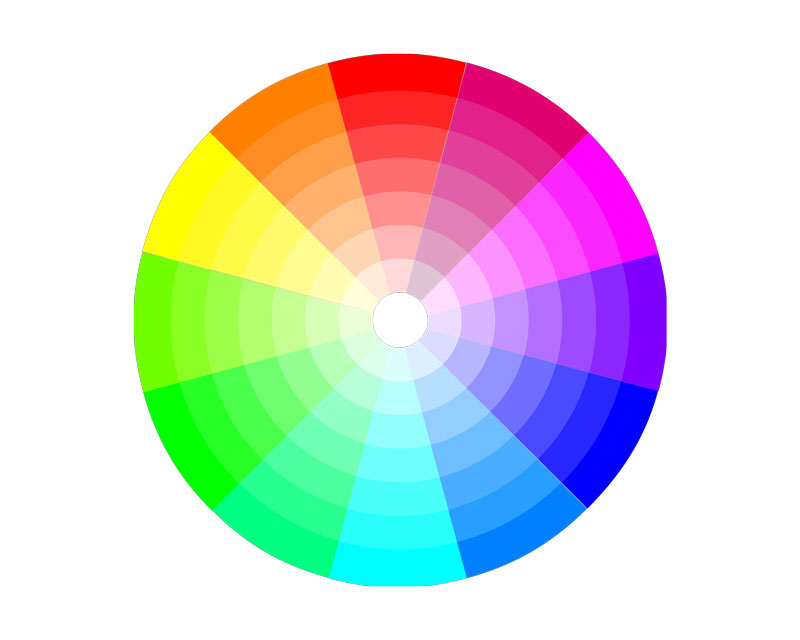
The Color Wheel gives us a definition of the meaning of each color, which can be very useful when you are choosing the main nuance of your brand. 

  • Red is an emotionally intense color and is used to make people take quick decisions. It is associated with energy, power, strength, desire, and Red is used to emphasize a given text or image and it brings them to the foreground. It is part of many national flags and important road signs such as “stop”.
  • Orange is associated with happiness, enthusiasm, creativity, and It stimulates mental activity and is associated with citrus fruits and hence with healthy food. The color is often used to promote toys or food.
  • Yellow is a warm, cheerful color that brings happiness, joy, energy and is associated with intellect. As it grabs the attention, it is a good idea to use yellow for the most important elements of your design. You can use it to promote leisure activities, for example.
  • Green is the color of nature and is highly associated with safety, harmony, growth. You can use it to promote “green” products and safe medical products. Darker green is the color of money so it is very good for a brand associated with finance, banking or Wall Street.
  • Blue symbolizes stability, trust, intelligence and evokes confidence. It is a masculine color and is often used to promote high-tech products.
  • Purple is the symbol of royalty, wisdom, magic. Most of the pre-adolescent children prefer this nuance so it is a good strategy to include it in your brand design if this is your target group.
  • White is often seen as the color of perfection and symbolizes light, purity, goodness. It is often associated with the successful beginning and simplicity. It can be used to advertise safe medical procedures and hospitals or new technologies. It is also a good color for a charity organization.
  • Black evokes power and is associated with elegance, power, and Black can be used as a background to make other colors stand out. It is often used for quite expensive products so including this color in your brand will make it stand out.

 How color defines your brand 

Color defines the feeling that we get towards a certain object no matter if it is part of the nature that surrounds us or is an artificial discovery of mankind. The same associations arise between a given color and a brand. When you think of Coca-Cola, for example, you definitely see red.  Ferrari is yet another brand that makes use of this powerful color. 

A combination of red and yellow is often used by fast food chains. Recently, McDonald’s decided to run away a bit from this combination by adding some green to its main colors as a symbol of their attempt to distinguish themselves from their competitors. 

Handmadewritings who specialize in providing custom writing services use a lot of yellow in their brand design, which as mentioned above is the symbol of intellect and thus they emphasize the intellectual services they provide. The combination of old-fashioned books and a blackboard enhances the meaning of the brand and their position in the educational market. 

Many banks use green, as the symbol of money or the national colors in order to win the trust of their customers. Newspapers and magazines that are established as a solid and trustworthy source of information prefer black in their design as a symbol of their high quality.  

The overall idea is that you should know your customers and the message you want to send them when choosing the colors of your brand. 

The power of color  

There are many studies that reveal the significant role color plays in building a relationship between a potential customer and a given brand. A person needs just 90 seconds to make their decision about another person or a product and the influence of color in this process is between 62% and 90%. This means that you should not underestimate the power of color when designing your website, logo or any other materials related to your brand. Take time to research the market, learn from your competitors and find inspiration in nature in order to come up with the best color combination that will establish your brand on the market. 

Color is emotion and we often choose our favorite brands with our heart but through our eyes. When it comes to design, it is good to consult experienced experts in the field who can give you the best tips when it comes to nuances. Keep in mind the above-written advice as well and you will manage to find the best shade for your brand and play the game of colors with confidence.  

Russia in the future: a preview by Evgeny Zubkov

Post pobrano z: Russia in the future: a preview by Evgeny Zubkov

What will Russia be like in the future? Evgeny Zubkov explored the topic in his own artistic way, trying to imagine scenes from the years 2046 and 2077. Apparently, Russian grannies will still be wearing headscarves, but they may very well have to feed a different kind of bird.

More worrying are the scenes with a family taking a stroll with VR headsets, or humans totally blent with technology. Obviously, the future will probably look very different, but the artist raises some serious questions through his artworks on the topic.

Russia in the future: a preview by Evgeny Zubkov

Post pobrano z: Russia in the future: a preview by Evgeny Zubkov

What will Russia be like in the future? Evgeny Zubkov explored the topic in his own artistic way, trying to imagine scenes from the years 2046 and 2077. Apparently, Russian grannies will still be wearing headscarves, but they may very well have to feed a different kind of bird.

More worrying are the scenes with a family taking a stroll with VR headsets, or humans totally blent with technology. Obviously, the future will probably look very different, but the artist raises some serious questions through his artworks on the topic.

The Apple Watch Dock by Studio Proper

Post pobrano z: The Apple Watch Dock by Studio Proper

Do you know how to make sure that you will not lose your Apple Watch? Always put it in the same place! You surely already have a hook for your keys, a stand for your phone, and a bucket or something else for other small appliance, it’s time your Apple Watch gets its own.

Designed and sold by Proper, the Apple Watch Dock also acts as a charger for your watch. It has a stunning minimalist design that is just as good as any Apple product’s design.

The Apple Watch Dock by Studio Proper

Post pobrano z: The Apple Watch Dock by Studio Proper

Do you know how to make sure that you will not lose your Apple Watch? Always put it in the same place! You surely already have a hook for your keys, a stand for your phone, and a bucket or something else for other small appliance, it’s time your Apple Watch gets its own.

Designed and sold by Proper, the Apple Watch Dock also acts as a charger for your watch. It has a stunning minimalist design that is just as good as any Apple product’s design.