Archiwum kategorii: Design

The mysterious worlds of Kunito Nagaoka’s engravings

Post pobrano z: The mysterious worlds of Kunito Nagaoka’s engravings

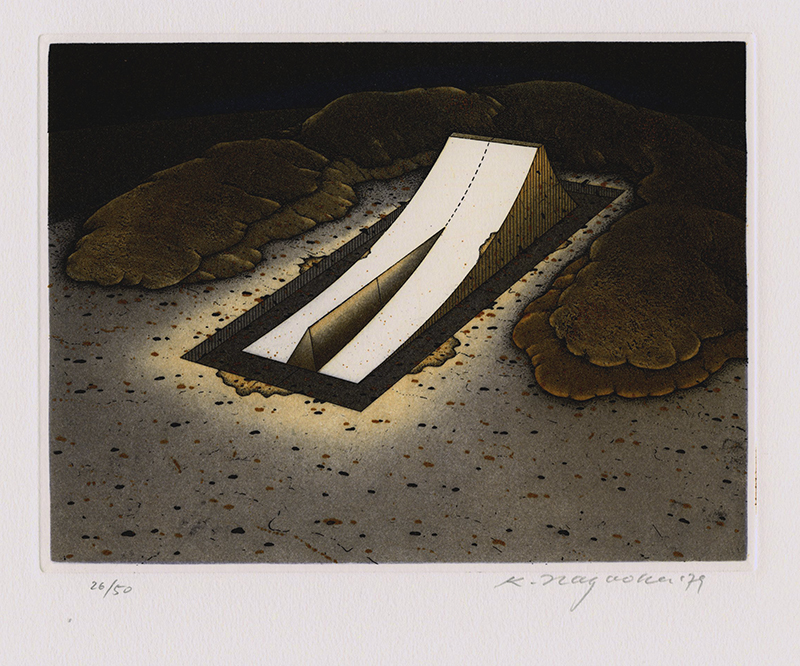
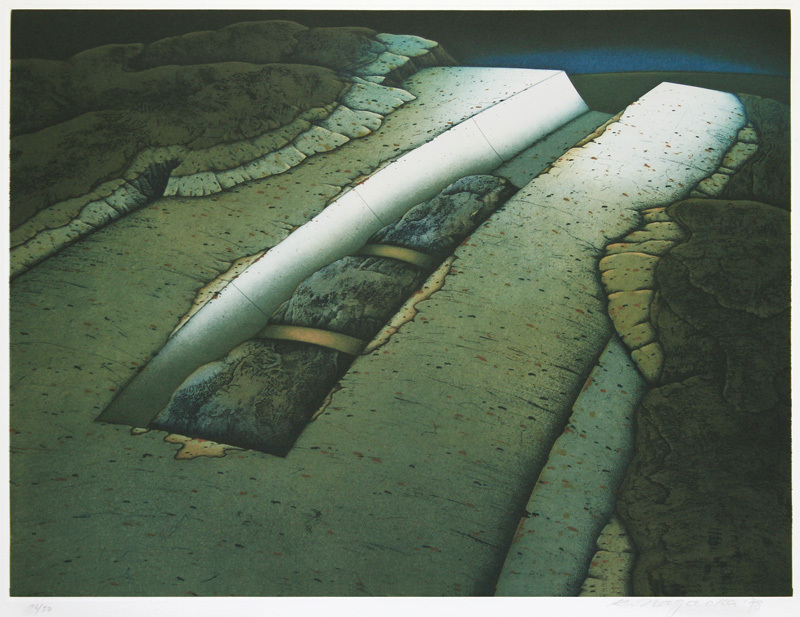
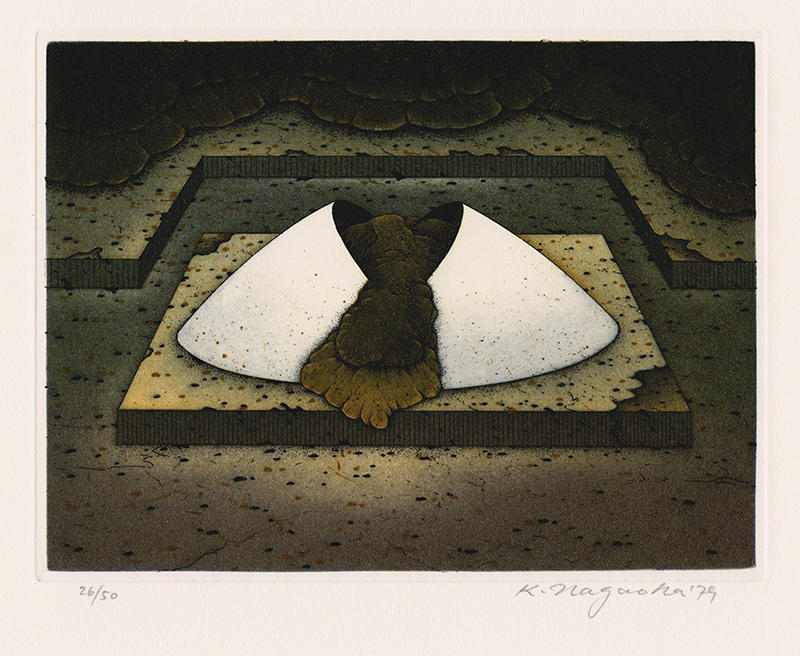
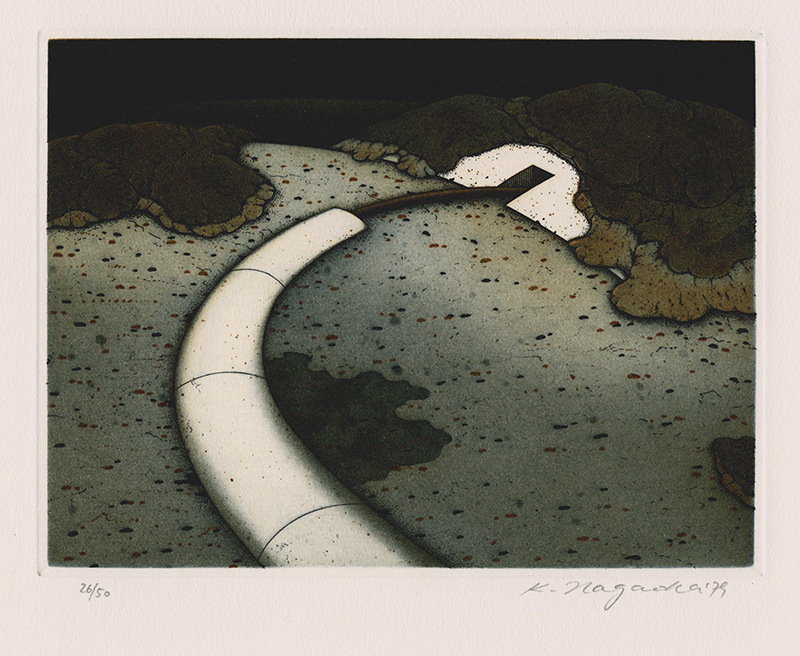
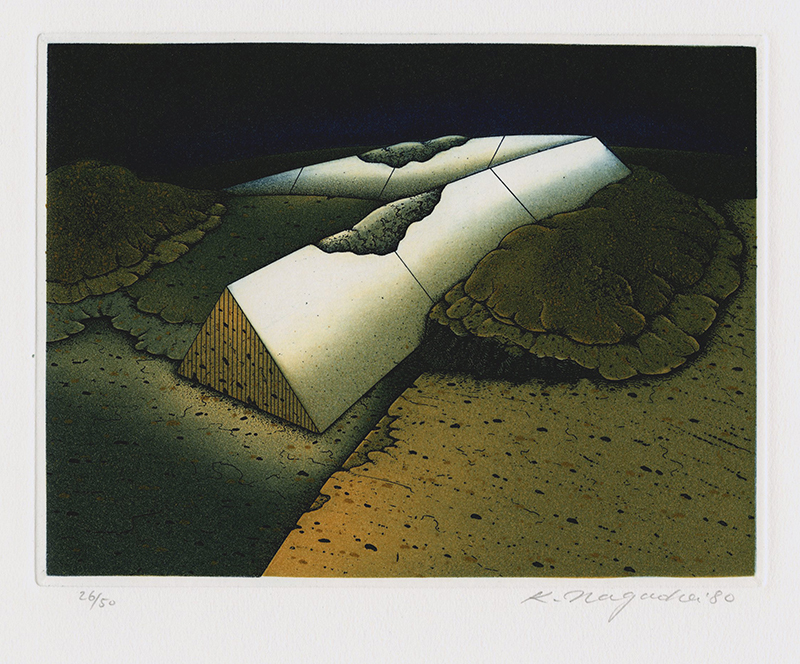
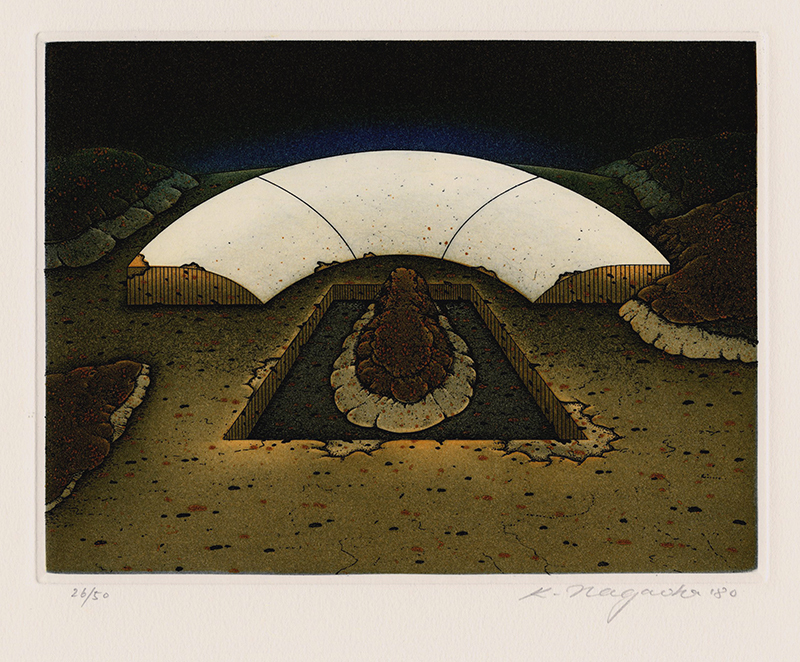
Kunito Nagaoka is a Japanese printmaker with a long career as an artist. Born in 1940, he grew up and studied art in his country, then lived in Berlin, Germany, for 20 years. Now, he teaches art in a Fine Art school in Kyoto.

Nagaoka’s work is full of mystery, often involving landscape that include geometric architectural structure that give it an alien-like look-and-feel. For his time, the Japanese artist used exceptional etching techniques that make his work stand out from the crowd.

Build legally binding and secure eSignatures directly into your website using HelloSign

Post pobrano z: Build legally binding and secure eSignatures directly into your website using HelloSign


Build legally binding and secure eSignatures directly into your website with the HelloSign API. Automate and brand your paperwork with 3 different embedded features:

  • Embedded signing, for building eSignatures directly into your website.
  • Embedded requesting, for requesting signatures via your app.
  • Embedded templates, for formatting and sending single use or repeat documents.
  • As a developer-friendly company, we’re proud to offer clean and modern API docs that are publicly accessible and offered in multiple open source wrappers. HelloSign API is always free during development and you or your developers can choose optional self-sign up at any time. HelloSign API customers have experienced 8% growth in revenue in the first year and dramatic decrease in overhead. Additionally, customers are using the API to automate both external and internal workflows. This empowers your business to streamline paperwork on the front facing side and for your employees.

    Try it Free Today!

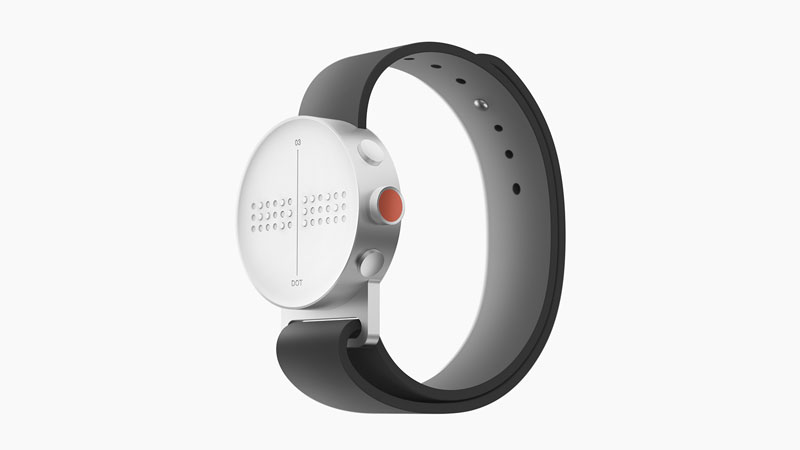
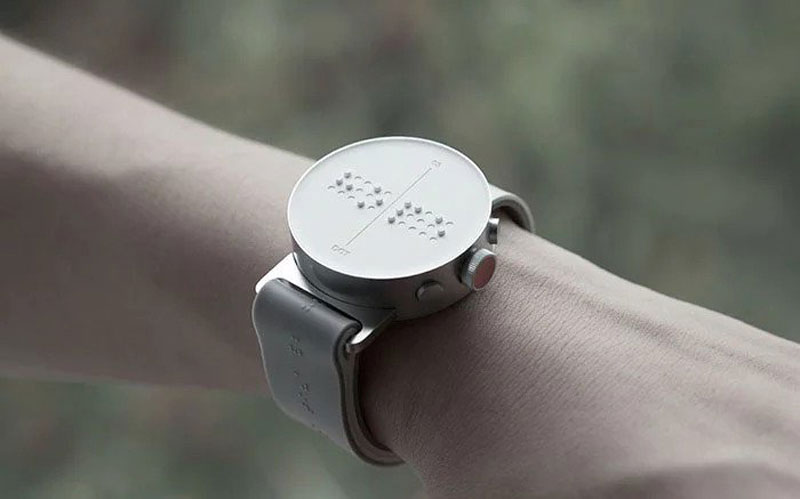
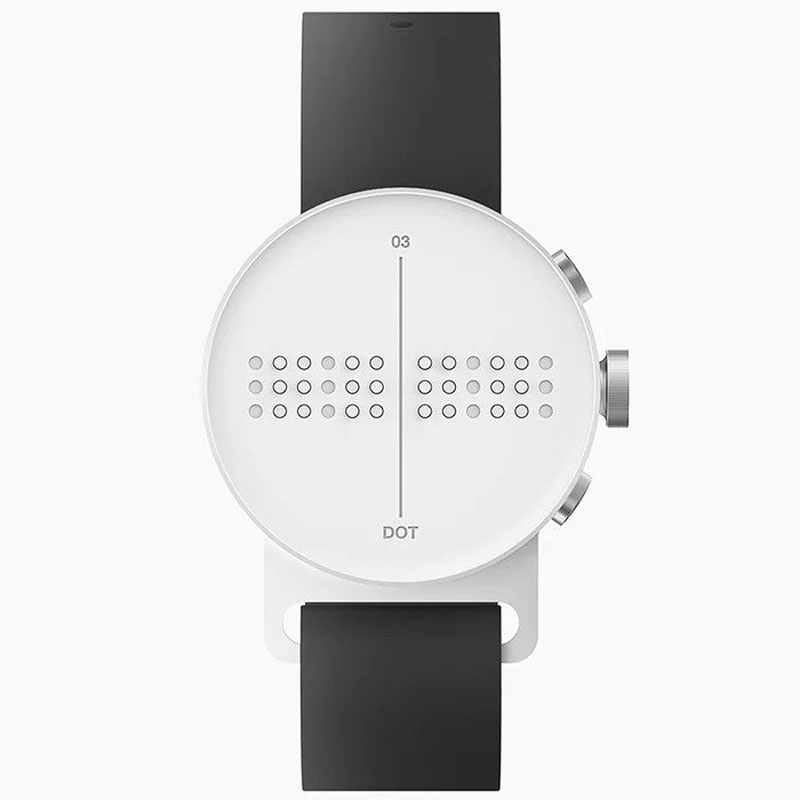
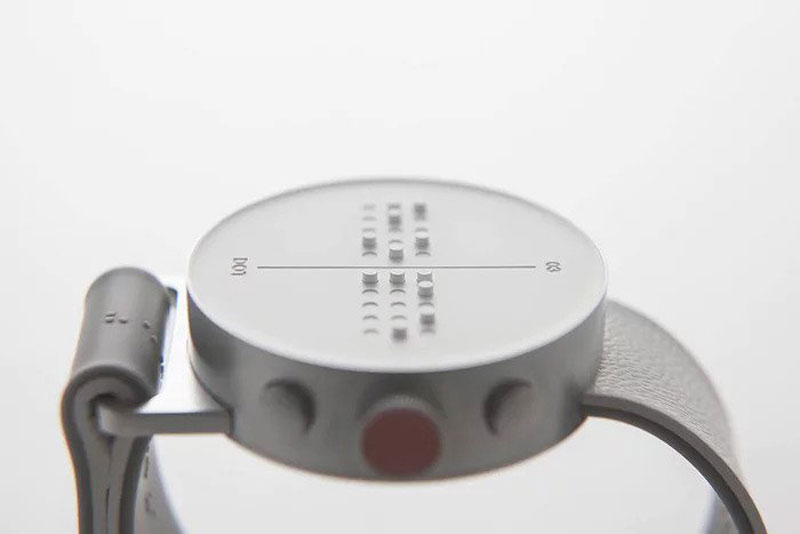
    The Dot: a minimalist Braille smartwatch

    Post pobrano z: The Dot: a minimalist Braille smartwatch

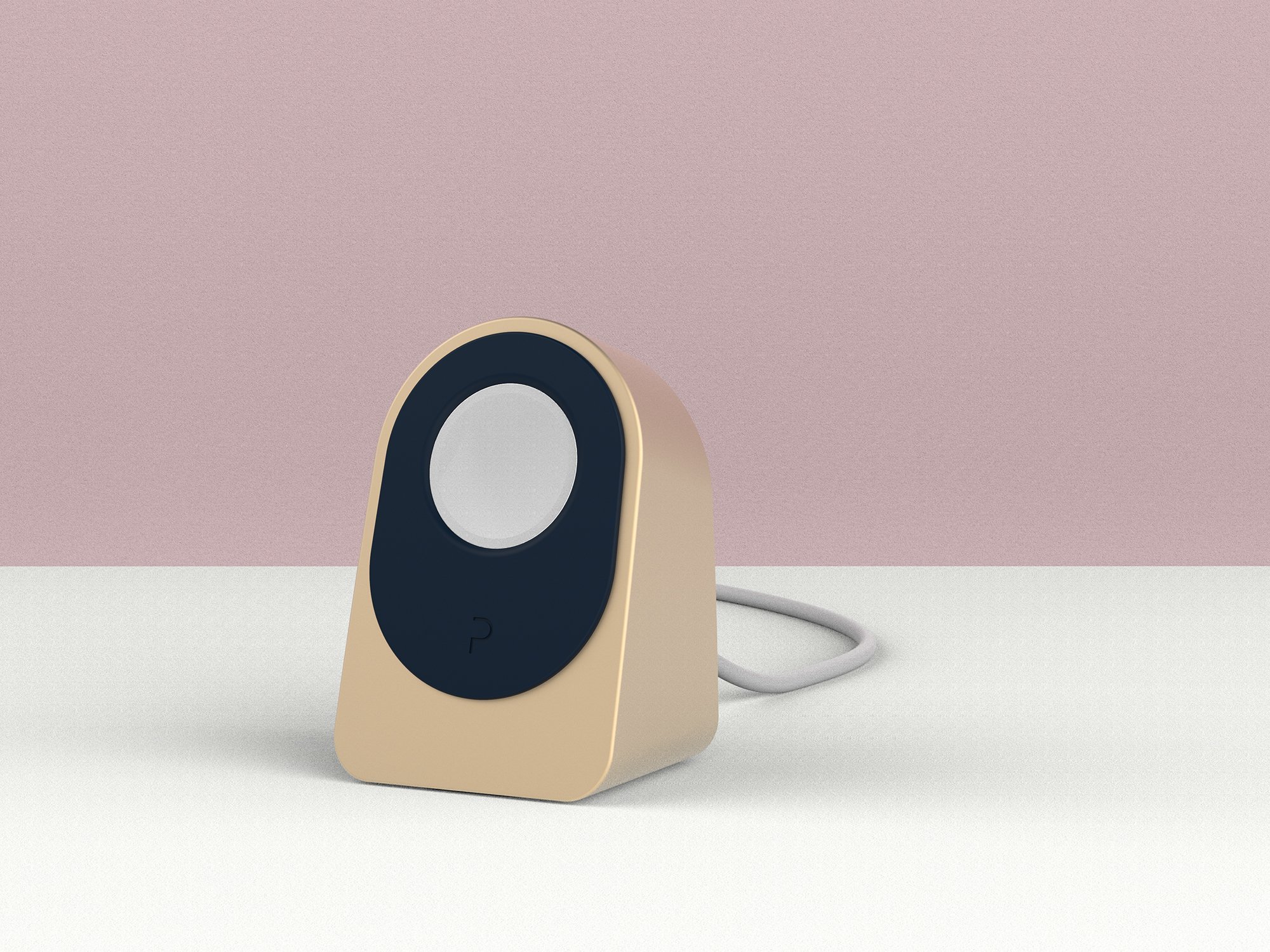
    How do you read the time if you are visually impaired? There are probably solutions that involve audio with a smartwatch, but they will never be as elegant as this Braille watch.

    The Dot is a smartwatch that comes with an app you can install on your phone, but it also includes mechanisms to give you the time using Braille. On top of telling you what time it is, the Dot can also send you notifications of phone calls and other things.

    How to Create a Website That Gets a Lot of Traffic

    Post pobrano z: How to Create a Website That Gets a Lot of Traffic

    Businesses can never go wrong with setting up a website. For those selling products or offering a wide range of services, they will need to nurture an online presence as a means to generate potential customers.

    It’s all easier said than done until you get to hit the ground running. For one, creating an effective web presence goes beyond establishing a website with your branding all over it. And it sure goes beyond asking people to visit your site in the hopes that you will be able to generate a sale.

    Web traffic is the main goal for businesses that want to make the most out of their online efforts. It boils down to the way they craft their websites that would generate a lot of unique visits sourced from social media and organic searches.

    Here are some tips you might want to consider:

    1. Relevant content

    More people will visit your site if you offer them something that’s valuable and relevant. With this in mind, the best way to capture your target customers is to generate informational and entertaining content.

    For example, if you own a pet store and you want to attract reptile lovers, you will need to create content that resonates with the interests of this particular segment. You can write articles about the top tips for taking care of iguanas. You can also create colorful infographics that show the life cycle of a gecko and how to care for it at each stage of the cycle.

    2. Optimize for SEO purposes

    What’s a website without SEO? More importantly, what’s an online presence without SEO?

    If anything, SEO gives your site the level of visibility it deserves in order to drive traffic from different sources. For this, you will need to make sure you have done effective keyword research and keyword planning before producing content for your site. Make sure you optimize your webpages by providing them with the right meta-data.

    To further drive traffic to your site from other sources, you can also use a guest posting service. By getting a freelancer or an SEO firm to write about you on your behalf, you will be able to generate inbound links and build authority so that you are bound to get as many qualified visitors as you can.

    3. Aim for consistent branding

    What colors and fonts do you want to adopt for your brand?

    Creating a brand kit is not just about drawing up a nifty logo. It also involves applying your brand’s identity to your website. This allows you to foster brand retention, which in turn compels existing customers to refer your site within their own networks.

    4. Design with the intent to hold

    It doesn’t help if your website is not designed properly. Slow loading speeds, confusing navigation, and crowded visual elements can turn off any online user, resulting in them exiting or bouncing off from your site, never to return again.

    Don’t let this happen. In this sense, make sure to design your site with a clear focus on giving positive experiences to your online visitors. Doing so will give them a reason to advocate your business.


    How to create a user friendly mobile app

    Post pobrano z: How to create a user friendly mobile app

    The usage of mobile technology and the number of users is constantly increasing. With the always-growing list of mobile activities, the focus is to upgrade individual features that combine into a modern mobile using experience.

    The experience of a mobile user consists of the user’s approach and impressions prior to his mobile interaction; during his mobile interaction; and afterwards. It encompasses web browsing and applications on all types of mobile devices (low-featured smart phones to high definition tablets).

    The ultimate result of technology improvement is that businesses have adjusted the quality of their mobile services to the same level of customer experience they offer in their stores.

    Few ideas on how to build an excellent User-Friendly Mobile App Experience

    Image source: Matteo Pasuto

    The Customer sets the Rules

    Due to the large choice and the severe competition, customers have more and more power to choose the appropriate device and to ensure that their mobile journey will be diverse and will include various channels.

    They use several devices and as technology modernizes, they upgrade their smartphones, tablets or laptops. The key to keep them satisfied is to provide a persistent, excellent-quality interface and to guide their experience through few simple steps:

    Recognizing Your Users’ Context

    Image source: daRwin

    Mobile experiences encompass large number of factors, some of them related to the app, while others with the personality of the user operating with it and the context of the operation.

    For instance, checking your phone usually happens while you’re busy with a different activity. Most often, you’re trying to ‘kill time’ while traveling, having a coffee in the morning or waiting to reach the desk in a bank.

    Clear Presentation

    As we mentioned, people use their phones mostly when they are engaged in another, less divertive activity. Therefore, we must always approach their activities as something that is done rapidly, with no time to lose.

    Image source: Fireart Studio

    A user friendly app needs to use all of the real estate that can be found on the screen in a balanced manner. Your designs and layouts may appear perfect, but the secret lies in the fact they need to be equally applicable in every condition. For instance, it is very likely that your customer will have to use them with outside, rushing or facing a terrible connection, so you have to make sure they will remain applicable.

    Remaining committed to Security

    Your customer’s interactions and transactions need to be secured in every moment. It is the customers’ right and your obligation to employ secure user friendly mobile design and to cooperate only with vendors and other parties that share the same security commitment.

    Marvelous Design

    Image source: Zulal Ahmad

    To start with, there is no general definition of good design. It simply depends on the taste and preferences of your customers. Design is a plan for arranging elements in such a way as best to accomplish a particular purpose.

    If you’re looking for a more straightforward definition, good design is obvious. Great design is transparent. How to make a decision? Test it and check what your users think about it.

    Gradual and Sustainable Improvement

    Image source: Emre Durmus

    The main rationale behind technological development is to empower people and to simplify their way of living. If you wish to remain on the scene, you have to follow every development and to remain innovative.

    This is a ‘full-store’ chain-you have to develop your software, the partners you’re integrating, as well as the service you’re providing to your customers. It is only your creativity that can ensure optimal customer experience and bring you maximal results.

    Avoiding design mistakes in the User-Friendly Mobile App Experience

    It isn’t all about color

    Image source: Dejan Markovic

    A user-friendly app experience will be significantly bettered with interface decluttering. The best way to achieve this in your design is to employ a restricted palette of colors.

    Learn from successful apps and try using the traditional black and white combination, but they apply sharper tones for headlines or other areas that need to be highlighted. They try to attract user’s attention with vivid red or orange. With no color diversity to distract them, users are free to navigate their interface without fearing to click on the wrong spot.

    Icons are not random decoration tools

    Image source: Hila Peleg

    Their purpose is to ensure interaction, both in user friendly apps or websites. They save the designer some space, but offer enormous help to users who can perform their activities with a single click.

    If created precisely, icons ensure an instinctive workflow without any need to rely on copy. On the other hand, messing things up would lead your customers out of the right path and it could ruin the image of your product.

    Make sure the devices are compatible

    The rule is one and only-in order to be user friendly, your app needs to be compatible with whatever device the user might be working on. That will inquire you to make constant compatibility tests with recent software releases.

    There are numerous of excellent applications which failed just because the designer didn’t adjust them to popular software upgrades. Therefore, even if you consider your design to be perfect, you have to be aware there is a risk it will not run on an updated operative system.

    Here are some tips that will keep your application usable: networking and constant communication with acknowledged designers in the branch, launching through a single “store”, and becoming unavoidably present on social media. All of this will help you to follow the trends and to adjust your design to them; to observe your own progress through customer feedback and to respond adequately.

    Guidelines for creating people’s favorite user friendly app

    Image source: Jakub Antalík

    Get to know your users

    What your users want is essential in user friendly mobile app design. You need to discover their motivation and to place triggers accordingly. Working on user experience will never be solid unless you are thinking the way your users do and unless you understand why they need the app you’re designing at the first place. Failing to do so will lead your conversion attempts to failure and will put an end to your growth tactic experiments.

    Think seriously about the Offline experience

    Many of the most popular apps base their usability on offline application. There should be no difference in the quality of their operation when connected to a signal or not. Designers should really take the importance of offline experience into account and think about how their application would look if applied without internet connection.

    Employ Grids

    Grids can help you to keep the consistency of your application when the users are switching from one page to the other. This famous design concept enables entrepreneurs to preserve their consistency, to establish excellent visual connections and to secure their design is unified throughout the entire app.

    Cover all the Platforms that you can

    It is no longer enough to think about all the devices your user could be in possession of. You should also consider the platforms he is using to access your application (Web browsers, Desktop) and to ensure that the app will be available, compatible and worth of their attention.

    Replicate the Real World

    The secret of designing a ‘blockbuster’ app is to provide fantastic experience resembling real life and responding to real needs. This task employs a serious dose of creativity, depending on the area, category or subject the app may represent.

    Here is an example: If you are creating a productivity app, do some research on people’s behavior when using those particular products in real terms. That will enhance the user friendly mobile experience.

    Essential to Remember

    Image source: Cuberto

    Designers do have the tendency to take mobile user experience for granted. They don’t employ too much creativity to delight their users and they seem to underestimate the complexity of mobile design.

    It is a step-by-step procedure which consists of various mobile-characteristic considerations, tightly connected to smaller screens, varying device specifications, connection limitations, usage restrains, and the hardly identifiable modification-prone mobile context.

    User friendly app design (both mobile or not) cannot be done in a rush. You need time to estimate precisely the behavior of your user, since he could always change paths statuses or interactions.

    Skimping on foundation building is not an affordable luxury for a proper designer. He needs to understand the purpose: What is the aim of the app? Is it addressing a new need or improving an already existing one? Whatever you’re doing, focus on functionality. Your users will appreciate it!


    How to use consistency in website design

    Post pobrano z: How to use consistency in website design

    Whenever designers take the time to sit down and design something new, there’s a lot more involved than just constructing a layout that looks appealing to viewers. It’s also important to establish a set of rules pertaining to exactly how an interface is able to handle various forms of information that it receives.

    Later on down the road, if we decide to create something newer that essentially subverts the patterns and standards that we had previously established, we must have a rational explanation that is able to easily support this decision.

    The main reason for this is because people will always learn to use all of our products thanks to all of the patterns and standards that we have established, regardless of whether or not good UX principles have been utilized.

    Image source: truedigital.co.uk

    Consistency in web design is something that will essentially help designers create systems that are effective. Design consistency is extremely important, even though the mere thought of it may sound completely uninteresting.

    Structure and Interactions

    Image source: lookback.io

    Both of these are absolutely key to create a consistent page design and user interface. We often to forget about how both interaction and structure will affect user experience whenever we begin developing something. Creating a user interface that is usable and consistent is just as important as creating plans and blueprints for an entire home, for example.

    Think about the following things before you begin making any attempts to write code: Consider how to place different elements consistently throughout your application and/or website. Contemplate what particular user interface patterns you will actually be using and think about what kind of input elements you will need the most.

    You should also determine what icons you will actually need before selecting a good icon set that covers all of them

    User interface patterns

    Image source: Silk UI Kit

    Start to think about what particular user interface patterns you will actually need to use the most, such as modals, accordions, and galleries. When you plan these things out ahead of time, not only will you be able to develop and design your application much more quickly, but you will also be able to figure out all of your content ahead of time as well. In the end, you stand to save a great deal of time, as you will have many of your pressing questions answered.

    Consistency’s importance

    Image source: inlayinsights.com

    No one should ever have to wonder if the same things actually mean different things, or if different things actually mean the same things. Typically, if things look the same, then individuals will assume that they mean the same thing.

    In the end, we are solely responsible for everything that we create. This means that it is entirely up to us to own that very responsibility and make sure that we do our best to put out nothing short of the best work possible, including making sure that everything is always consistent.

    Designers are never truly able to change the outcomes of meetings, and any short-term decisions that are made can have effects that can end up being potentially problematic.

    Making your designs consistent

    Image source: rosewatermv.com

    Consistency can’t be ensured by simple tasks such as creating style guides and defining user interface rules before emailing them around. Once those rules have actually been defined, it’s important to make sure that those rules are actually being observed properly.

    The best way to do this is to define the user interface styles using various frameworks. These are able to assist the development teams stay consistent without actually having to do too much of the work themselves. Another useful tip is to engage in usability testing, gathering qualitative information, and addressing all issues that may arise.

    Typography is also important, if you’re using serif fonts on a page, don’t switch to sans serif ones on a different page. It will confuse your users.

    Elements

    Image source: deploybot.com

    Websites that use approximately three or four different kinds of border elements can come across as being really confusing at times. All of your borders should be kept on the following: Buttons, selects, inputs, galleries, images, other kinds of user interface elements.

    Internal consistency

    Image source: rudys.paris

    External consistency can certainly enhance your overall user interface design due to meeting various kinds of user expectations. However, internal consistency is often viewed as more of a requirement that can actually cause harm to a user experience if it is not properly met.

    When you deal with internal consistency, it’s important for you to try to cover all of the following: Color, Typography, Language, General visuals, Layout/location, Interactions.

    Making a website consistent

    Image source: Victor Erixon

    If you want to make a website consistent, you should use the same colors throughout the entire thing. Also, there should be a consistent amount of horizontal and vertical spacing between all elements.

    Navigation, which is very important, should be in the same location and text links always the same color. Make sure all the icons belong to the same family or have the same style.

    Making sure your website is always consistent

    One way to make sure that your website stays consistent is to use some kind of CSS framework, which will allow you to maintain a consistent layout at all times. If you have used a service such as WordPress to construct your website, you will easily be able to implement a service such as Bootstrap into your pages in order to help make this happen.

    Ending thoughts

    Image source: iqor.com

    At times, you may feel that designing something merely for consistency is rather boring. You may feel, instead, that you want to include something as a surprise for your users, which is completely acceptable.

    Nothing is wrong with keeping your users on their toes and wondering what may be coming next, so long as you don’t include so many things that will cause them to become so confused that they end up just wanting to go somewhere else.

    Things you hate to hear as a designer

    Post pobrano z: Things you hate to hear as a designer

    So, it all starts with your dream of being a designer. You learn the craft, you create a personal logo, a portfolio for yourself, some demo work, and you are off to your designer career. But, there’s still something that you didn’t prepare for: clients.

    As a designer, you’re always open to feedback, and you want to develop open and flexible relationships with your clients.  However, there are those dreaded statements you hear which make your hair stand on end.

    These are statements that make you feel devalued or ask for a great deal without the promise of reciprocation.

    This article looks at some real-world comments and how you can handle them with grace.

    I don’t like what you have done

    This comment is limiting because it doesn’t offer up constructive feedback.  If your client simply shares that s/he doesn’t like what you have done, you have no way of knowing how to change it.

    In order to determine how to rework your project, you will have to find out more information.  Ask your client what feels wrong about the project.  Are the colours to bold/not bold enough/out of sync with the mood the client would like?  How about the typeface?  Would the client like to use a different imagery?  Does the site feel chaotic or too empty?

    By focusing on specifics, you may be able to get the client to acknowledge what is right or wrong with the design.

    I don’t have a budget

    If your client doesn’t have the income to pay for your designs, think carefully about accepting their job.  While you may be willing to offer up free time for a charity or pro bono project you believe in, many people are more appreciative of work they actually pay for.  A client who is looking for a design will only truly be worth working for if s/he understands the value of that design and acknowledges that it is worth paying for.

    If your client is trying to offer you either experience or free publicity in place of payment, try to share with them how much a great design actually costs to create.  You will need to use your knowledge or expertise to create the design.  You will also need to use software that has to be paid for.  If your client doesn’t understand or value what you have to offer, it is usually worth declining the job.

    We haven’t finished writing the copy but can you design the site?

    When it comes to website design, content is often king.  When you have the content needed for a site, you will understand how to present it to its full effect.  This means spacing the content so that it is clear and easy to read.  It also means designing a page around headings, subheadings and chunks of information that are easy to digest.

    When a site is designed around content it can offer a simplicity and legibility that leaves that content clear and easy to read.  However, when a site has been designed and content is forced to fit in with this design, it may appear squashed or chaotic.

    Going back to recreate a design based on newly acquired content can cost time and money.  It is far more effective to provide a designer with the final draft of content before starting to work on a site.

    Can you do something quick for me?

    Designers are always happy to make changes, particularly if this will increase your levels of contentment with their work.  However, not all adjustments are quick or easy to fix.  If you are asking for changes, however small they may appear, let your designer share how much time they will take (and invoice you accordingly).  This way any changes you make will meet both your needs

    Can you create a format that can be edited?

    Why would you want to edit a project that has been carefully and precisely crafted to meet your individual needs?  As a designer, each and every step of the process has been carefully planned and developed to achieve an aesthetic yet effective result.  Without this knowledge, you risk making changes which may not be in your best interests.

    If you have a blog or site which will need regular edits, you can use a DIY program such as Canya, where you can use designer templates.  You will be able to tweak or make changes to your site any time you need to without sacrificing the design.

    Can you create many different versions of my design?  That way I can choose my favourite

    Although it seems as if many different choices would help you to make a suitable selection, design often works best when it is carefully planned or brainstormed.  This means assessing your target market, your goals and what you would like to communicate via your design.

    By carefully planning and constructing your site together while working towards a specific goal, we will have more of a chance of creating a suitable final product.  Although a wide range of options may seem more appropriate, they will not be as specific or goal-directed as a carefully planned design would be.

    Can you Photoshop it?

    What would you like to achieve by using Photoshop?  Image manipulation can be very effective if you are looking to create a superimposed image or dual impact photograph.  However, simply adjusting or tampering with an image can reduce its natural appeal.  We’ve all seen sites where the imagery has been Photoshopped to such an extent that it looks awkward.  A person’s arm may appear may look crooked, or their limbs no longer look proportionate.

    While some images will improve by being Photoshopped and it is worth the time and effort it will create to create an impact, others will not.

    As a designer, offer up your professional opinion to your clients.  Share the advantages and disadvantages (from an aesthetic, time and cost perspective) of manipulating an image.

    Can I make one last change?

    Designers are always happy to tweak a site to meet a client’s needs.  However, if you have made a number of changes in the past, it will be unlikely that this is your last one.  Let’s openly acknowledge that changes take time, and that time is money when it comes to design. Instead of making continual tweaks, create a list of changes you’d like to your final design.

    By sharing the changes you’d like to make and offering up any extra payment needed to make these changes, your designer would be happy to help you.  After all, a satisfied customer is a designer’s end goal.

    I have a huge opportunity and I know you will love it

    Many clients have big dreams.  Without dreams, we wouldn’t be able to bring our goals into reality.  However, not all of these dreams pan out.  A client who is sure they are onto the next big thing may believe they will be soon offering you the chance for great publicity.

    However, your client’s dreams may never come to fruition and you cannot pay your bills on a future promise.  Share the practicalities of running a design business and leave it at that.

    Can I get my friends’/family’s/partner’s opinion?

    You can, but as a designer, I am an expert in my field and I have a proven history of knowing how to translate a goal into a design or visual message.  Your friends do not have this experience.  You can ask your 12-year-old nephew what he thinks of any design which excludes Batman, but you shouldn’t bet your business on his answer!

    This is easy, why does it cost so much money?

    Every skilled designer will make a job look easy.  This is because the process of creating an excellent design will be both smooth and efficient.  Hiring a professional costs money because you pay for the experience.  It is this knowledge that will result in a great design tailored specifically towards your needs.

    Cheaper designers are available but the process of creating a design which has been tailored to your specific needs will not be as easy or smooth.  When it comes down to it, knowledge, experience and reputation are worth paying for.

    Create a mockup or concept drawing for me, and if I like your design I’ll pick you.

    A great design is not that simple to create.  Each tailor-made design will take time, planning, effort and a lot of brainstorming.  Although in the digital realm you can find designers who will compete based on a basic concept which is pulled together quickly, these designs won’t be unique or tailor-made specifically for your business.
    Designers who pull a concept together very quickly are offering you generic concepts which might be attractive, but might not be well thought through in order to meet the precise needs of your site.

    If you are looking for a great concept which will stand out from the crowd, it is often well worth hiring a professional designer.  The cost will be once off, and the results will be well worth it.

    Summary

    As a professional designer, we put a great deal of thought, effort and time into our work.  We aim to meet the needs of our clients and will often make adjustments to ensure our projects are both effective and visually appealing.

    Our clients often understand the value of our work (which is why they have approached a professional for assistance).  However, they often don’t understand the time, thought and skill which goes into creating an effective design.  Sharing how to work effectively in the field of design often helps to communicate and build relationships with our clients.

    Design deals for the week

    Post pobrano z: Design deals for the week

    Every week, we’ll give you an overview of the best deals for designers, make sure you don’t miss any by subscribing to our deals feed. You can also follow the recently launched website Type Deals if you are looking for free fonts or font deals.

    Gigantic Bundle of 1000+ Logos, Elements, Mockups, Textures

    When a Mighty Deal is called a Gigantic Bundle, you just know it’s going to be big. And that’s exactly what this Alienvalley deal is: Chock full of 1000s of design graphics. You’ll get 400 premade elegant logos, 200+ textures, multiple typefaces and both a nifty Logo Creator and Mockup Creator to quickly and easily whip up hundreds (or is that thousands?) of creative results.

    $19 instead of $110 – Get it now!

    30 Gorgeous Fonts from YandiDesigns

    If your projects are desperately in need of a fresh look, then cast your eyes on this collection of 30 gorgeous fonts created by YandiDesigns. Mix and match styles with these beautiful brush stroke typefaces that are the perfect answer to any project from logo design to wedding invitations.

    $14 instead of $362 – Get it now!

    Exclusive! 4 High-Quality Fonts from Zeune Ink Foundry

    Another Mighty Deals exclusive coming your way! Zeune Ink Foundry is offering up a fantastic font collection of 4 High-Quality Classy Typefaces at one incredibly discounted price. Designed to create elegant typographic works, this collection is overflowing with OpenType features and characters so you certainly don’t want to miss it. Especially considering they all come with an extended license of use!

    $9 instead of $94 – Get it now!

    Bundle of 20 Brand Book Templates from ZippyPixels

    Showing off a logo or stationery design is standard fare for most graphic designers. But if you really want to blow your clients away, you’ll offer them up a slew of brand designs in a full-fledged brand book! Get higher value for your work without spending days putting it all together. Instead, use these gorgeous Brand Book templates from ZippyPixels to present your designs in a truly stunning manner. And it only takes a few hours! With this incredible Mighty Deal, you’ll get 20 High-Quality Brand Book Templates that are print ready and simple to customize with your info and designs.

    $17 instead of $39 – Get it now!

    Julia Dreams Bigger Bundle of 7400+ Elements

    Exclusive! You won’t find this amazing deal anywhere else on the Interweb! So stop looking. Instead, feast your eyes on the Julia Dreams Bigger Bundle, which is just bursting with more than 7400 professional design elements. We’re talking illustrations, textures, fonts, toolkits, watercolors and more. From adorable to colorful to realistically detailed, this set has you covered literally from head to toe. And at only $9, you’ll be kicking yourselves tomorrow if you pass this one up today.

    $9 instead of $1800 – Get it now!

    1000+ Unique Characters in Stunning Karima Script Font

    If you want to impress your typeface toolbox (and your clients, of course!), grab hold of this discounted deal today! The stunning Karima Script is as elegant as it is curvy. Flowing with smooth, legible letters, Karmia features a regular and italics version, alternates, swashes and ligatures and more, all adding up to more than 1,000 unique glyphs. That’s some serious flexibility in a font.

    $7 instead of $20 – Get it now!